

How Much Should You Walk a Senior Dog? — How to Adjust Intensity and Duration
The key to walking senior dogs is keeping walks short and frequent, at a comfortable intensity. We’ve compiled veterinary-backed guidelines for walk duration and intensity based on age, weight, and joint health.
How Should You Walk a Senior Dog?

Why Should You Adjust Walking Intensity for Senior Dogs?
Recommended Walking Duration by Age and Size
Senior Dog Walking Intensity Guidelines
| Item | Small dog (~10kg) | Medium dog (10–25kg) | Large dog (25kg~) |
|---|---|---|---|
| Recommended time at ages 7–9 (per session) | 15–20 min | 20–25 min | 20–30 min |
| Recommended time at age 10+ (per session) | 10–15 min | 15–20 min | 15–20 min |
| Times per day | 2–3 times | 2–3 times | 2 times |
| Recommended pace | Slow walk | Slow to moderate | Slow walk |
| Courses to avoid | Stairs, slopes | Stairs, jumping | Long distances, asphalt |
If your dog has arthritis, heart disease, or cognitive decline, consult your veterinarian and reduce exercise time appropriately.
Signals to Check During Walks
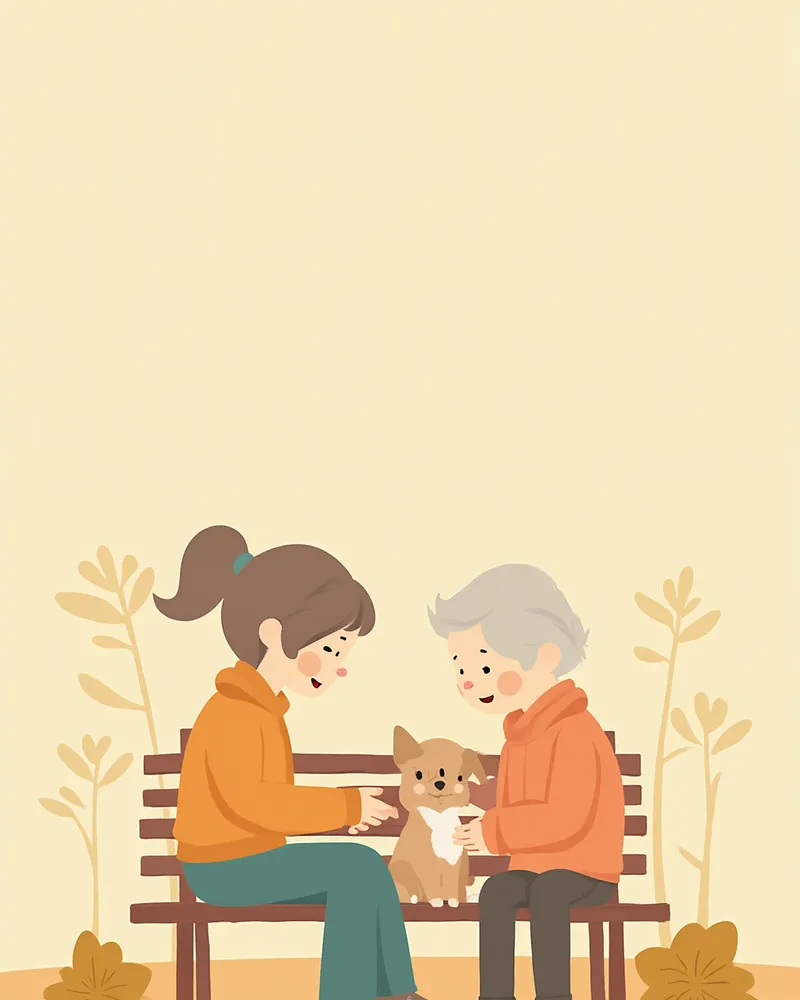
Emergency Signals Requiring Immediate Cessation of Walks
If your dog shows any of the following symptoms during a walk, head home immediately or go to the nearest veterinary clinic. Senior dogs are especially vulnerable because their heart, bronchial, and blood sugar regulation functions are weaker, so their condition can deteriorate rapidly. - Blue or pale gums and tongue (cyanosis) - Sudden collapse or weakness in the legs - Persistent coughing with frothy saliva - Severe trembling or confusion - Panting that does not subside after 10 minutes
Seasonal and Weather-Related Walking Precautions
Pre- and Post-Walk Care Routine
Veterinary Consultation Required Before Walking for These Senior Dogs
If your pet falls into any of the following categories, please consult your veterinarian to determine the appropriate intensity and duration for walks: - Diagnosed with heart disease (such as mitral valve insufficiency) - Brachycephalic breeds with tracheal collapse or chronic bronchitis - Currently taking medication for diabetes or Cushing’s syndrome - Within six months of joint surgery - Experiencing disorientation due to cognitive dysfunction syndrome (CDS) Overexertion during walks can worsen these conditions.
Reviewed by a veterinarian

Dr. Tony — Punnawat Phongkittirak
VeterinarianA veterinarian who majored in veterinary medicine at Khon Kaen University, Thailand, and completed the IVSA program at North Carolina State University in the United States. Drawing on clinical experience at animal hospitals, he works in the pet healthcare field and is dedicated to building a digital care environment that connects pet parents with veterinarians.
Reviewed 2026-04-23
Frequently Asked Questions
My senior dog doesn’t like going for walks—should I force him to go?
How many times a day should I take my dog for a walk?
My senior dog keeps sitting down while on walks. Should I be concerned?
Can indoor activities replace outdoor walks?
My dog limps after a walk. What should I do?
Share
Related Guides

Chitosan Effects and Obesity/Fat Absorption
Top 5 Weight-Management Dog Food Recommendations for 2026

7 Best Cat Weight-Loss Diets Recommended by Veterinarians and How to Choose
What is CHOP Chemotherapy for Canine Lymphoma? — Key Points Pet Owners Must Know
What Should You Feed a Dog Undergoing Cancer Treatment? — Key Points on Nutritional Support for Tumors
What Are Adrenal Tumors in Dogs? — Essential Q&A on Symptoms, Diagnosis, and Treatment for Pet Owners
What Is Feline Soft Tissue Sarcoma? — Essential Q&A for Pet Owners from Diagnosis to Treatment

When is feline radiation therapy necessary? — In what cases is it recommended?

End-Stage Cancer in Cats: How Much Can You Care for at Home? — Hospice Core Q&A

Feline Multiple Myeloma FAQ — Key Information Every Pet Owner Should Know
References
[1] Landsberg, G.M., Nichol, J., Araujo, J.A. — Cognitive Dysfunction Syndrome: A Disease of Canine and Feline Brain Aging, Vet Clin North Am Small Anim Pract, 2012
[2] Salvin, H.E. et al. — Under diagnosis of canine cognitive dysfunction: a cross-sectional survey, Vet Journal, 2010
[3] Hand, M.S. et al. — Small Animal Clinical Nutrition 5th ed., Chapter 14 Feeding Mature Adult Dogs, Mark Morris Institute
[4] Piermattei, D.L., Flo, G.L., DeCamp, C.E. — Brinker, Piermattei and Flo's Handbook of Small Animal Orthopedics and Fracture Repair, 5th ed.
[5] Nelson, R.W., Couto, C.G. — Small Animal Internal Medicine 6th ed., Chapter on Geriatric Cardiology