Like
Share
멍실장
고양이 밤 울음 원인과 대처

Causes of Nighttime Vocalization in Cats and How to Address Them

Brain & CognitionQ&AMeongsiljang Veterinary Advisory Board

The reasons why cats meow at night can range from being in heat to cognitive decline in older age. We’ve outlined how to identify the cause and what you can do right away to help.

Why Do Cats Meow at Night?
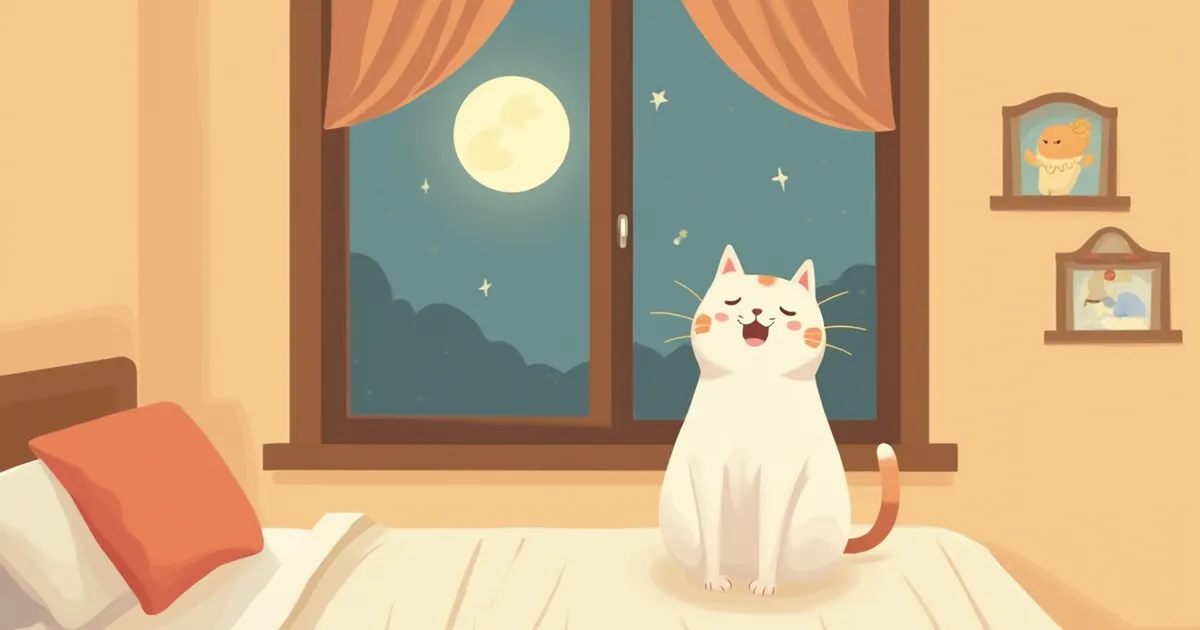
Cats that cry at night
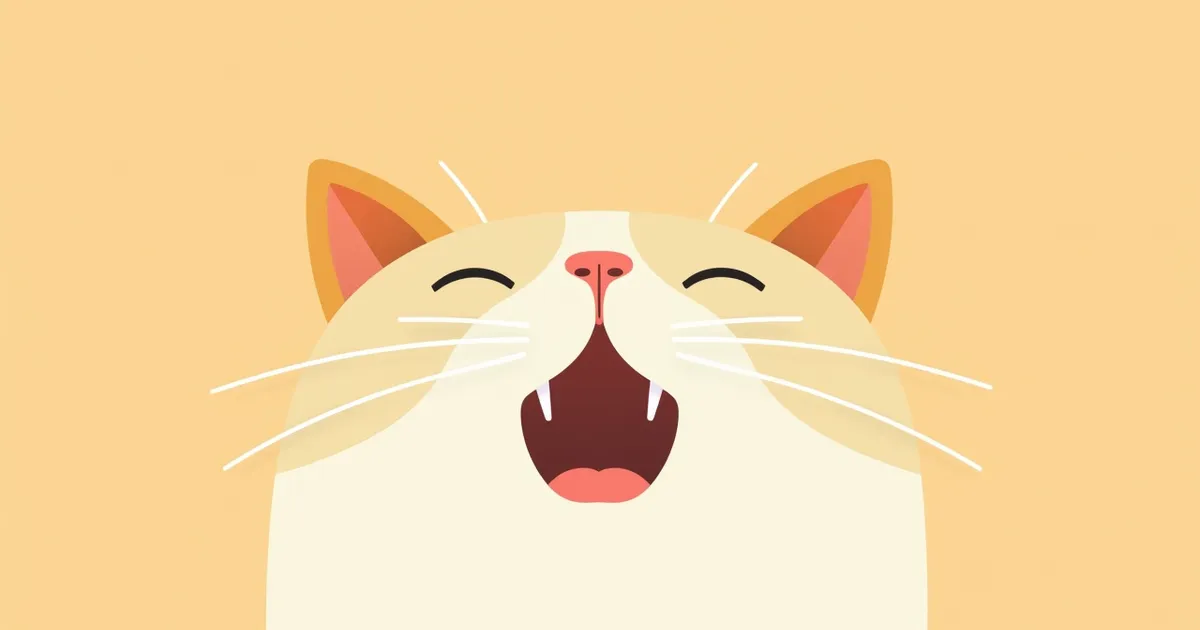
Nighttime vocalization in cats refers to the behavior of meowing louder and longer than usual during the night, serving as a physical or emotional signal. The most important step is identifying the underlying cause. While it may simply be a request for attention, in cats aged seven years or older, it could indicate medical conditions such as hypertension or hyperthyroidism. In cats aged ten years or older, cognitive dysfunction syndrome (CDS) should also be considered. If the symptoms persist or have started suddenly, it is advisable to have your cat examined at a veterinary clinic.

Main Causes of Nighttime Vocalization

A cat’s nighttime vocalizations generally stem from three main causes: behavioral, physiological, or medical. Behavioral triggers include boredom, seeking attention from their owner, or expressing hunting instincts. Physiological factors involve being in heat (if not spayed or neutered), hunger, or dissatisfaction with the litter box. Medical causes can include high blood pressure, hyperthyroidism, cognitive dysfunction syndrome (CDS), or pain. If an older cat suddenly starts crying at night, it’s important to first rule out any underlying health issues.

Comparison of Nighttime Vocalization Causes by Age

ItemKitten (under 1 year)Adult cat (1–7 years)Senior cat (7 years and older)
Most common causeLack of play/hunting instinctEstrus/stressPain/hypertension (in cats 10 years and older, includes cognitive dysfunction)
Disease likelihoodLowModerateHigh
Priority actionSecure play timeNeutering/environment checkVeterinary examination
UrgencyLowModerateHigh

The more sudden the change, the higher the urgency. Cognitive dysfunction syndrome (CDS) usually begins at 10 years and older.

Pay Special Attention to Nighttime Vocalization in Senior Cats
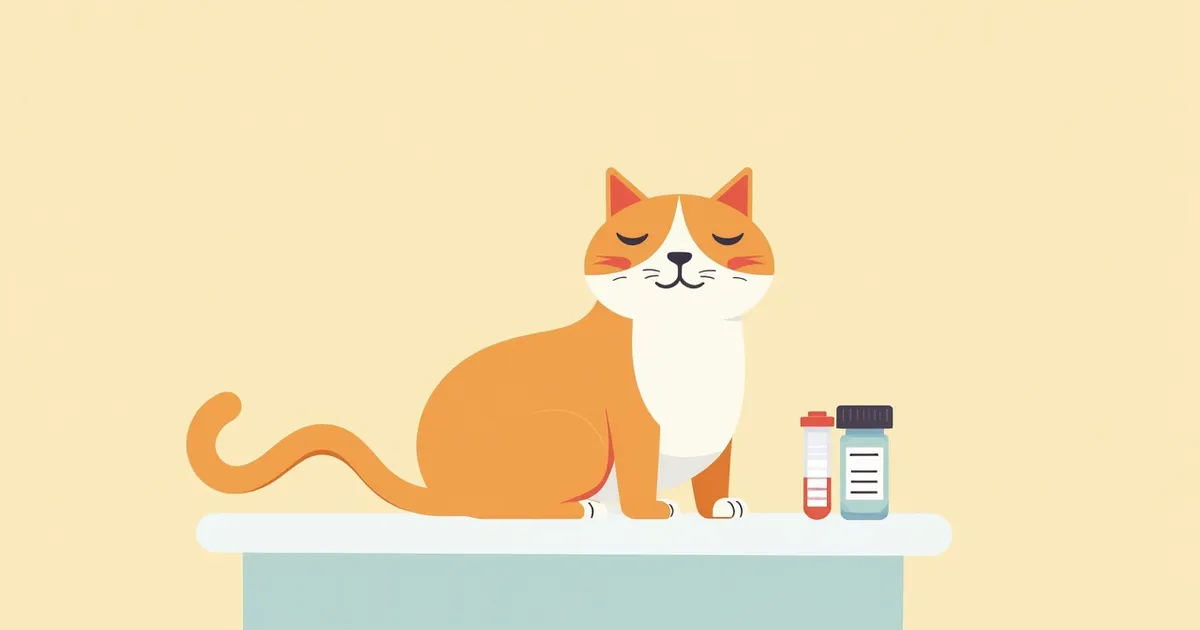
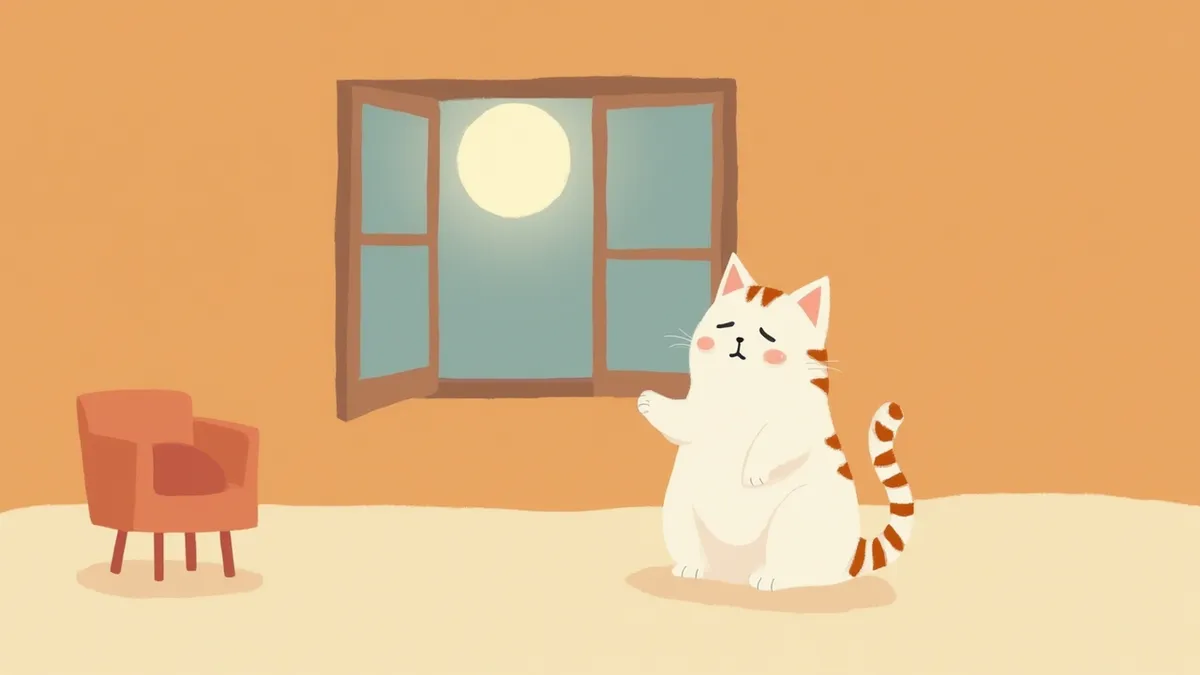
If your senior cat has suddenly started crying at night, it may be a sign of cognitive dysfunction syndrome (CDS). As cats age, their cognitive abilities can gradually decline, but consistent mental stimulation and environmental enrichment can help slow the progression of this age-related cognitive decline. Cats with cognitive impairment may exhibit disorientation, changes in their day-night sleep patterns, and seemingly purposeless vocalizations. Additionally, high blood pressure can cause confusion, wandering, and crying, while hyperthyroidism may lead to nighttime vocalization, restlessness, and increased appetite. If these symptoms persist, it’s important to confirm the underlying cause through blood pressure measurements and blood tests.
An elderly cat that has lost its sense of direction at night

Seek Veterinary Care Immediately in These Cases

If your cat’s nighttime vocalizations are accompanied by any of the following symptoms, seek veterinary care within 24 hours: weight loss or changes in appetite, polyuria and polydipsia (excessive drinking and urination), gait abnormalities or disorientation, signs of pain such as crouching or hiding, and rapid or labored breathing. Sudden onset of nighttime crying in senior cats is particularly concerning and may indicate an underlying medical condition.

Immediate Steps You Can Take at Home
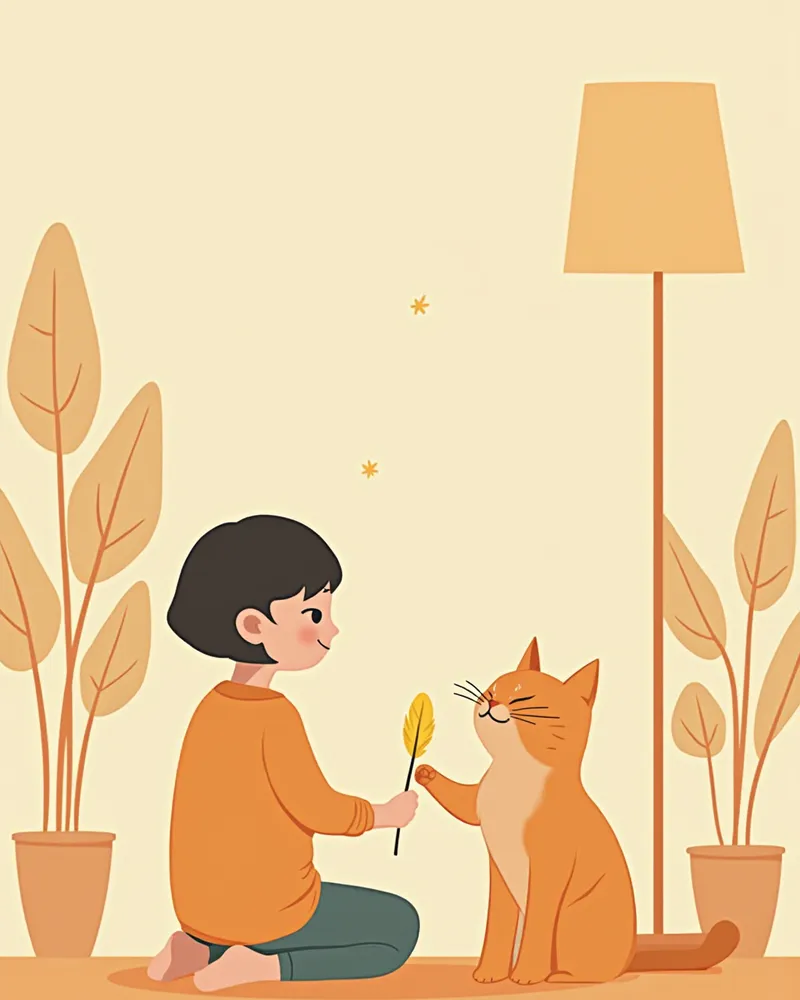
If the issue stems from behavior or environment rather than a medical condition, try these strategies:
Schedule playtime: Engage in 15–20 minutes of hunting play with feather toys before bedtime, followed by a treat.
Enrich the environment: Provide a cat tree, hiding spots, and a comfortable spot by the window.
Adjust feeding patterns: Offer a small meal before bed to help maintain a feeling of fullness.
Check the litter box: Maintain one litter box per cat plus one extra, and keep it clean.
Respond consistently: Avoid responding immediately when your cat cries to prevent reinforcing attention-seeking behavior.
A pet owner who plays with their cat in the evening.

The Relationship Between Spaying/Neutering and Nighttime Vocalization

In intact cats, nighttime vocalization is often a sign of being in heat. Female cats in heat may rub their bodies along the floor and emit loud, prolonged cries known as “calling.” Male cats may respond to the scent of a female in heat by vocalizing or marking their territory with urine spraying. This type of heat- and reproduction-related vocalization often decreases after spaying or neutering. Spaying procedures include ovariectomy, which removes only the ovaries, and ovariohysterectomy, which removes both the ovaries and the uterus. These surgeries are typically performed during the anestrus phase, when the blood vessels in the reproductive tissues are less developed. If surgery feels overwhelming, you can discuss alternative hormone-based options with your veterinarian.

What to Avoid

To stop nighttime crying, avoid giving treats or picking up your cat every time it meows. Cats learn that crying gets them what they want, which can actually worsen the behavior. Additionally, scolding or spraying water with punishment can increase stress and have the opposite effect. It’s important to ignore the crying and consistently show attention when your cat is calm.

Reviewed by a veterinarian

Dr. Tony — Punnawat Phongkittirak

Dr. Tony — Punnawat Phongkittirak

Veterinarian

A veterinarian who majored in veterinary medicine at Khon Kaen University, Thailand, and completed the IVSA program at North Carolina State University in the United States. Drawing on clinical experience at animal hospitals, he works in the pet healthcare field and is dedicated to building a digital care environment that connects pet parents with veterinarians.

Frequently Asked Questions

Will neutering stop nighttime howling?
If the cause is heat cycles, the issue usually resolves on its own. However, even after spaying or neutering, your pet may still vocalize due to other factors such as environmental stress or underlying medical conditions.
Should you ignore nighttime vocalizations in senior cats?
No. In particular, sudden nighttime vocalization in cats over 10 years old may signal hypertension, hyperthyroidism, or cognitive dysfunction, so blood tests and blood pressure monitoring are necessary. Cats aged 7 and older should also be examined if symptoms persist.
Is it really right to ignore them when they cry?
For attention-seeking vocalizations, the best approach is to ignore them. However, first rule out any medical issues and check that the litter box, food, and water bowls are in good condition. If everything is fine, simply ignore the behavior.
Can nutritional supplements help?
If cognitive dysfunction is the underlying cause, supportive nutritional supplementation may be helpful. However, the specific choice of supplement and whether to use it should be determined after a veterinary diagnosis. Consulting with a veterinarian is more important than self-prescribing supplements.
Is it okay to wait a few days and then go to the vet?
For kittens, it’s best to wait 3–7 days after improving their environment before making a judgment. For senior cats or those experiencing weight loss or changes in appetite, we recommend visiting a veterinary clinic within 24 hours.

Share

Related Guides

References

[1] Little, S. The Cat: Clinical Medicine and Management, 2nd Edition, Elsevier, 2023

[2] Heath, S. A Professional's Guide to Feline Behaviour: Understanding, Improving and Resolving Problems, 2023

[3] Rodan I, Sundahl E, et al. AAFP and ISFM feline-friendly handling guidelines. J Feline Med Surg 2011;13(5):364-75

[4] Amat M, Camps T, Manteca X. Stress in owned cats: Behavioural changes and welfare implications. J Feline Med Surg 2015;18(8):577-586

This information is based on veterinary literature and does not replace diagnosis or treatment. Please consult a veterinarian for specific health concerns.

Metapet Co., Ltd. | CEO: Park Sung-yong | Business Reg. No. 417-88-02562 | Seoul, South Korea | Customer Center

Why Does My Cat Meow at Night? Causes and Solutions | Meongsiljang