Like
Share
멍실장
고양이 그르렁(가르릉) 의미와 종류

What Does a Cat’s Purr Mean? — Meanings and Types by Situation

Brain & CognitionQ&AMeongsiljang Veterinary Advisory Board

Let’s explore the meanings behind a cat’s purr and the different types of purring in various situations. We’ve also outlined how to distinguish between signs of contentment, anxiety, and pain, as well as when it’s time to visit the vet.

What Is a Cat’s Purr?
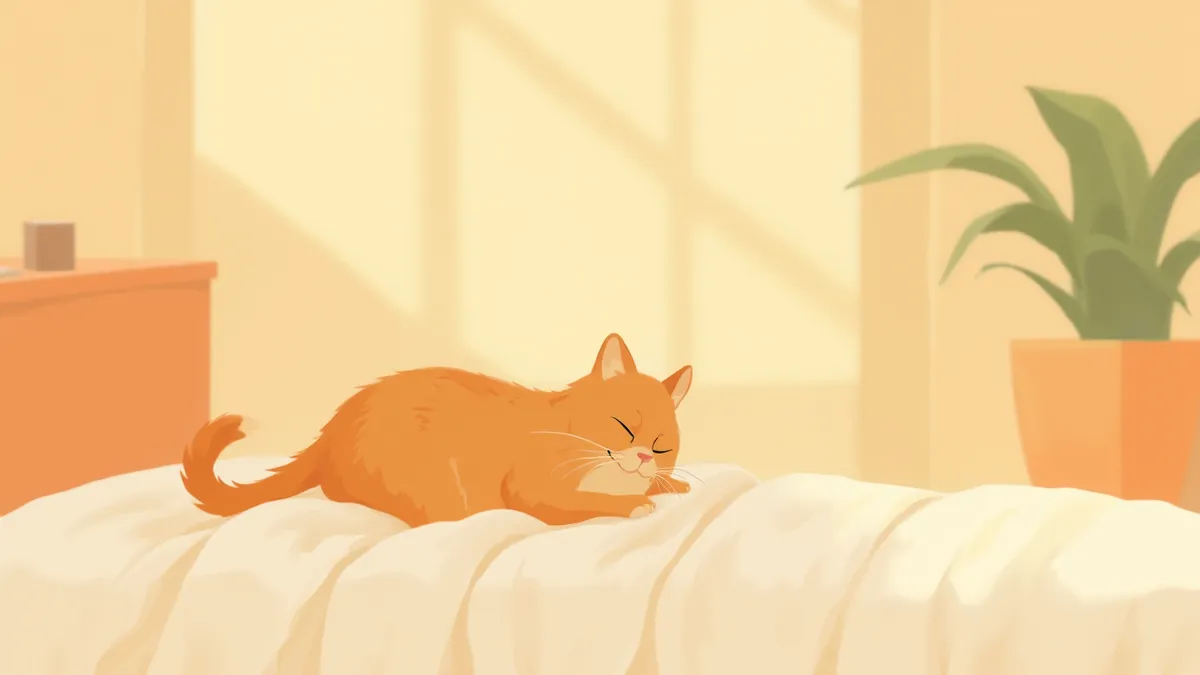
A cat with its eyes half-closed, purring contentedly.
A cat’s purr is a low-frequency rumbling sound produced by the interaction of specialized connective tissue within the short vocal cords and structures in the larynx. What’s truly important to understand is that purring doesn’t solely indicate “feeling good.” Cats also purr when they are stressed, in pain, or seeking self-soothing, in addition to when they are satisfied and calm. Therefore, observing the context alongside the purr is essential to accurately interpret your cat’s true emotional state.

How Is the Purring Sound Produced?

A cat’s purr is produced by specialized connective tissue pads within the short vocal cords, which generate low-frequency self-sustained vibrations (Herbst et al. 2023). While it was previously widely believed that a “neural oscillator” in the brain caused rhythmic contractions of the laryngeal muscles and diaphragm, recent research has revealed that these specialized connective tissue structures are actually the key to the purring sound. A distinctive feature of purring is that it continues during both inhalation and exhalation. Rather than being an automatic reflex like human laughter, purring is an active behavior that cats use for communication and self-soothing. It is known that kittens begin to purr at a very early age.

Types of Purring by Situation at a Glance

ItemSound characteristicsAccompanying behavior
Contentment & affectionSoft, steady low pitchBlinking, kneading, rubbing against you
Seeking reassuranceGrows louder only in front of the guardianPressing against your legs
Food demand (solicitation purr)Urgent tone mixed with a high pitchCircling near the food bowl
Stress & anxietyShort, choppy or rough toneEars back, tail trembling
Pain & illnessLower and more persistent than usualReduced appetite, hiding

Even the same cat's tone changes with the situation. Remembering their usual sounds helps you detect changes.

How to Distinguish Between Contented Purring and Concerning Purring
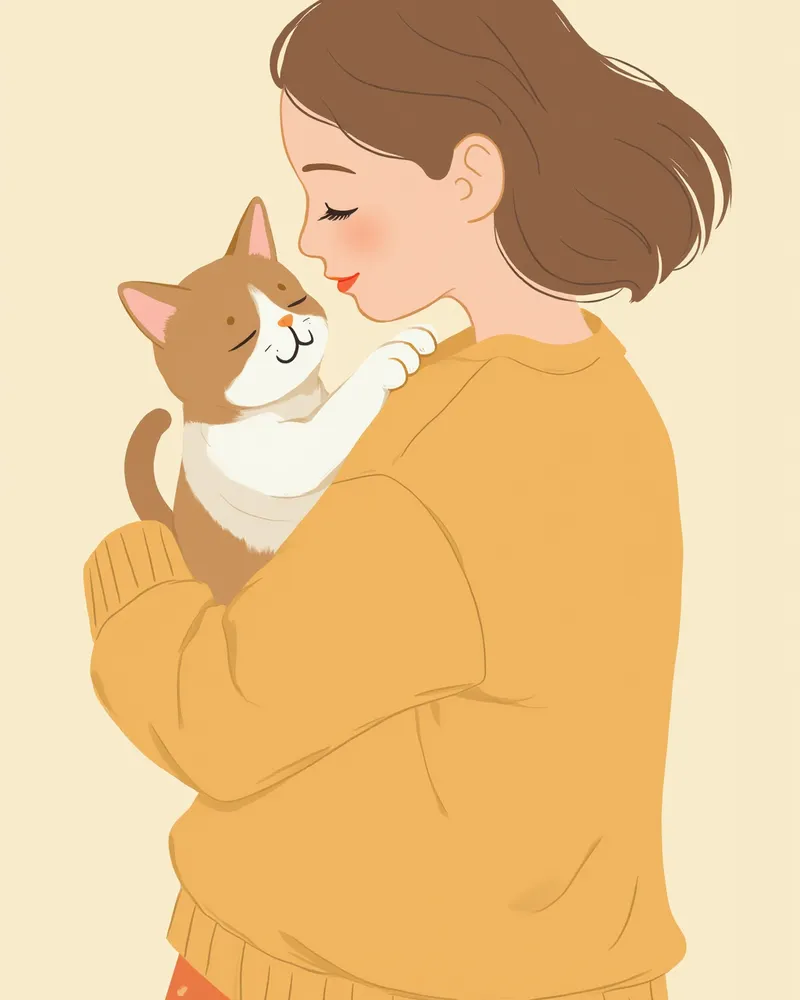
The key isn’t the sound itself, but the behavior surrounding it.
Contented purring: Relaxed posture, slow blinking, kneading, and voluntarily approaching to rub against you.
Demanding purring: Louder around mealtime or in the morning, often with a higher pitch that sounds like it’s urging you to act.
Anxious purring: Occurs in unfamiliar environments or at the vet clinic, serving as a form of self-soothing.
Purring when unwell: Accompanied by decreased appetite, hiding, and faster-than-normal breathing.
It’s helpful to record your pet’s usual sounds on video once or twice for future comparison.
A pet owner holding their cat and listening to its purring

When to Visit the Vet

If your cat’s purring is accompanied by any of the following signs, it may not simply be an expression of mood. Veterinary care is necessary if the purring persists for more than 24 hours or starts suddenly. • Continued purring while appetite and activity levels are noticeably reduced • Purring along with rapid breathing or panting with an open mouth • Purring while hiding or avoiding touch, unlike usual behavior • Purring mixed with wheezing or rattling sounds • Purring accompanied by weight loss, vomiting, or urinary abnormalities

Why Do Cats Purr Even When in Pain?
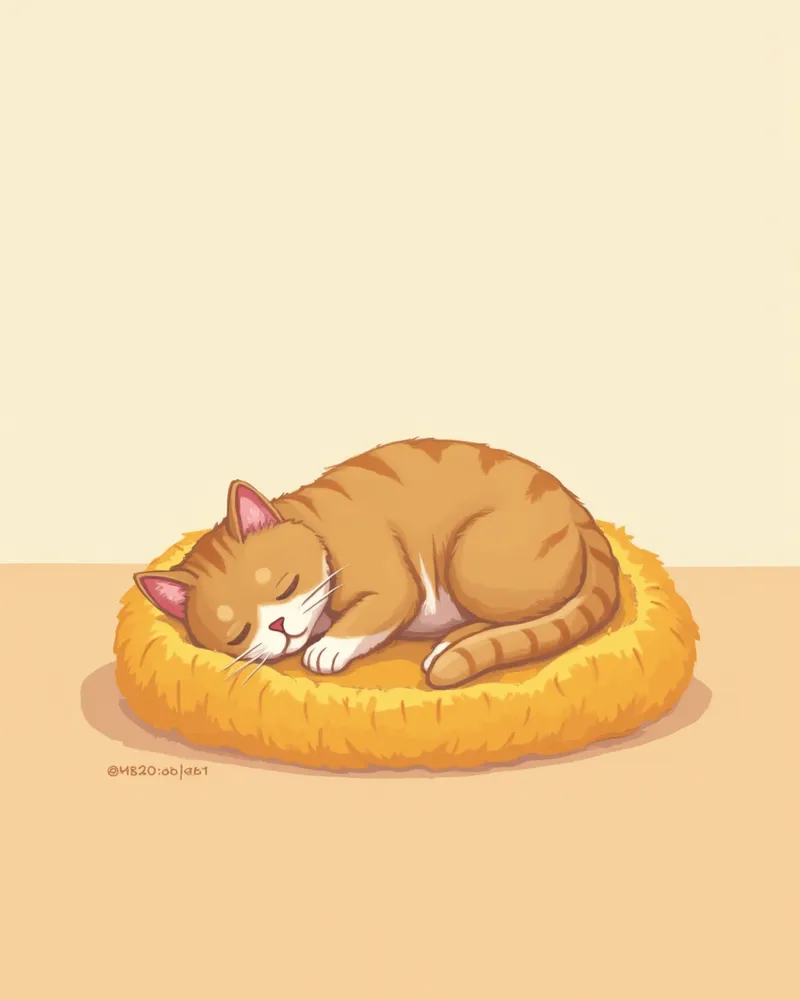
According to veterinary internal medicine textbooks, cats may purr even when in pain or under stress. While some suggest that the low-frequency vibrations of purring may contribute to physical calmness and self-soothing, current veterinary evidence is insufficient to definitively claim specific healing effects, such as relieving muscle tension or maintaining bone density. In other words, it is clear that purring functions as a means of self-comfort and self-soothing. Therefore, you should not dismiss concerns by assuming, "They're purring, so they must be fine." Instead, please remember that cats may actually purr more when they are in pain.
A slightly lethargic cat resting quietly

If the Purring Sound Has Changed from Usual?

Pay attention if the sound itself has changed. Conditions such as laryngitis or other laryngeal diseases, as well as viral upper respiratory infections, can cause wheezing or a hoarse quality to mix in with your pet’s purr. In contrast, heart or respiratory issues are more likely to manifest as rapid or labored breathing rather than changes in the voice itself. Check PointsChange in tone: Lower and rougher than usual • Accompanying noises: Wheezing or rattling sounds mixed in • Interruptions: Purrs stop mid-way due to shortness of breath • Change in frequency: Suddenly stops purring or, conversely, purrs excessively often If these changes persist for more than three days, it is advisable to have your pet examined at a veterinary clinic for laryngeal, respiratory, and cardiac evaluations.

Pay Closer Attention to Kittens and Senior Cats

Kittens often purr anxiously right after being separated from their mother and littermates. In such cases, avoid forcing interaction and instead provide a quiet space with hiding spots. On the other hand, older cats—classified in veterinary textbooks as mature adults from 7 to 10 years old and seniors at 11 years and beyond—may purr more frequently due to pain associated with age-related conditions such as degenerative joint disease, renal (urinary) disease, and heart disease. If you notice a significant increase in purring frequency compared to before, we recommend scheduling an early routine health checkup.

Reviewed by a veterinarian

Dr. Tony — Punnawat Phongkittirak

Dr. Tony — Punnawat Phongkittirak

Veterinarian

A veterinarian who majored in veterinary medicine at Khon Kaen University, Thailand, and completed the IVSA program at North Carolina State University in the United States. Drawing on clinical experience at animal hospitals, he works in the pet healthcare field and is dedicated to building a digital care environment that connects pet parents with veterinarians.

Frequently Asked Questions

My cat doesn’t purr. Is that a problem?
Not necessarily. Not all cats purr frequently, as there is significant variation depending on breed, personality, and individual differences; many cats are naturally quiet. However, if a cat that usually purrs often suddenly stops for several days, it may indicate a change in their condition, so please monitor their appetite and activity levels as well.
My pet growls while sleeping. Is that normal?
Most of the time, this is simply a sign of comfort and nothing to worry about. However, if you notice noticeably rapid breathing, open-mouthed panting, or grunting, it could indicate a heart or respiratory issue. In such cases, immediate veterinary care is necessary.
The purring is mixed with wheezing sounds.
It could be an early sign of upper respiratory infection, rhinitis, laryngitis, or heart disease. If it lasts more than three days or is accompanied by decreased appetite, sneezing, or nasal discharge, have your pet undergo auscultation and respiratory testing at a veterinary clinic.
My cat only growls loudly at the vet clinic. Why does that happen?
This is a self-soothing behavior that helps pets calm themselves in unfamiliar environments. It tends to occur more frequently when they feel scared or anxious. Placing a familiar blanket from their usual space inside the carrier can help reduce stress by providing the comfort of a known scent.
Can a cat's purring benefit people too?
It is widely believed that spending time with cats provides emotional comfort. However, current veterinary evidence does not support the claim that specific frequencies of a cat’s purring directly affect human stress levels or blood pressure. It is more appropriate to view this benefit as emotional stability derived from bonding with your pet, rather than a therapeutic effect.

Share

Related Guides

References

[1] Clinical Medicine of the Dog and Cat, 4th Ed - 호흡기·후두 평가 챕터

[2] Textbook of Respiratory Disease in Dogs and Cats - Chapter 44 Laryngeal Disease

[3] von Muggenthaler E (2001) The felid purr: A healing mechanism, Journal of the Acoustical Society of America

This information is based on veterinary literature and does not replace diagnosis or treatment. Please consult a veterinarian for specific health concerns.

Metapet Co., Ltd. | CEO: Park Sung-yong | Business Reg. No. 417-88-02562 | Seoul, South Korea | Customer Center

What Does a Cat's Purr Mean? Meanings & Types by Situation | Meongsiljang