Like
Share
멍실장
고양이 전신마취 안전성과 사전 검사 총정리 — 보호자가 알아야 할 핵심

Is General Anesthesia in Cats Really Safe? — From Pre-anesthetic Tests to Risk Factors

Lifestyle & Age CareQ&AMeongsiljang Veterinary Advisory Board

Based on veterinary literature, I’ve compiled data on the actual mortality rate of general anesthesia in cats, age-related risk factors, essential pre-anesthetic tests, and how pet owners can prepare their cats for anesthesia.

What Is General Anesthesia in Cats? Key Safety Points
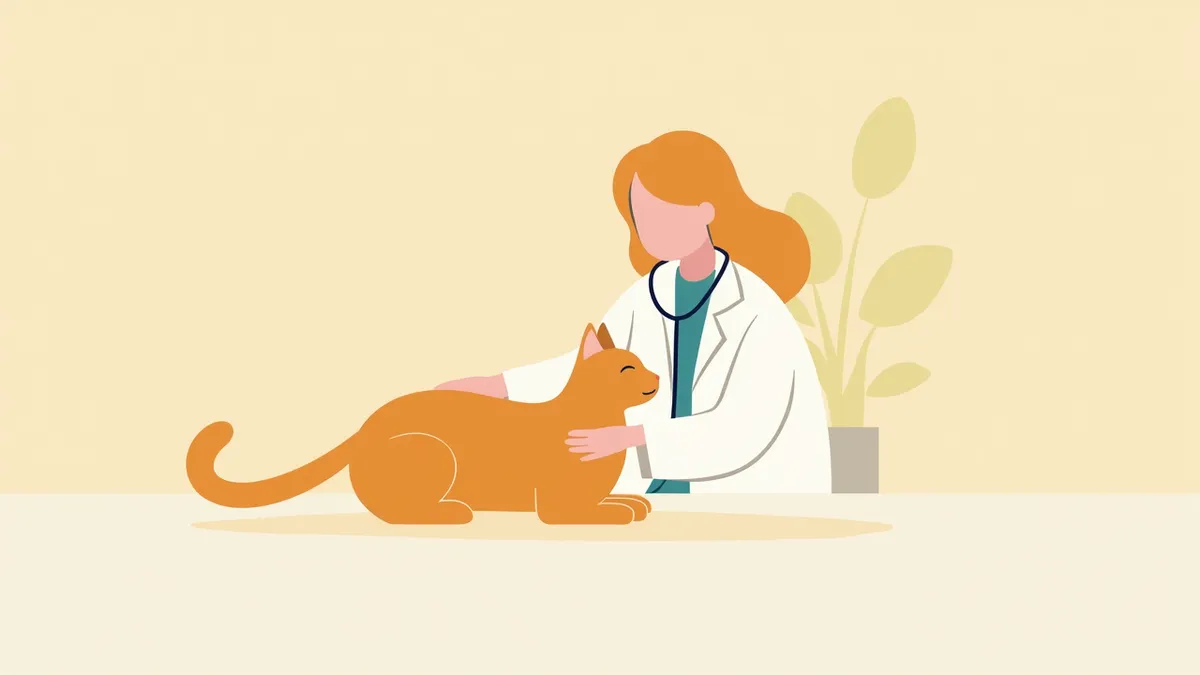
A veterinarian examining a cat with a stethoscope.
General anesthesia in cats is a medical procedure used to eliminate consciousness and pain response during surgery or other treatments, allowing the procedure to be performed safely. While anesthesia offers clear benefits, it is inherently a process that can pose life-threatening risks, so it is not entirely risk-free. Cats are known to have a relatively higher risk of anesthesia-related complications and mortality compared to dogs, and this risk increases further in older cats or those with underlying health conditions. However, the actual risk remains low in healthy cats. What truly matters is that anesthesia safety depends less on the drugs themselves and more on thorough pre-anesthetic testing, continuous monitoring, and the expertise of trained anesthesia personnel. Therefore, the level of preparation and observation during anesthesia can significantly impact the outcome.

Situations Requiring General Anesthesia

Here are the main situations where cats require general anesthesia:
Spaying or neutering: This is the most common procedure requiring general anesthesia.
Dental treatment (scaling and extractions): Precise oral procedures require the cat to be completely still and relaxed.
Fracture and trauma surgery: Effective pain management and immobilization are essential.
Endoscopic and laparoscopic procedures: These detailed examinations require a deep state of sedation.
Tumor removal and other surgical procedures: This applies to most types of surgery.

Essential Pre-anesthetic Tests

ItemPurpose of TestRecommended Candidates
Basic Blood Test (Complete Blood Count)Check for anemia·infection·platelet abnormalitiesEssential for all ages
Blood Biochemistry TestEvaluate liver·kidney·electrolyte functionEssential for all ages
Chest X-rayScreening for cardiopulmonary abnormalitiesRecommended for 5 years and older
Echocardiography (Echo)Early detection of heart disease8 years and older·when respiratory abnormalities present
Thyroid Hormone TestCheck for hyperthyroidism10 years and older

Additional tests may be recommended based on the veterinarian's judgment

Anesthesia Risk Based on Age and Health Status

Anesthesia risk in cats varies depending on age and overall health. Generally, the risk is lowest in young, healthy cats, while older cats or those with underlying conditions tend to face higher risks. Senior cats may be affected by heart conditions such as hypertrophic cardiomyopathy, hyperthyroidism, or hypertension, and they are more sensitive to the suppressive effects of sedatives and anesthetics. Additionally, their reduced ability to regulate body temperature makes them more prone to hypothermia and delayed recovery. However, age alone is not a reason to avoid anesthesia. In fact, avoiding it entirely may cause you to miss essential diagnostic and surgical opportunities. With thorough pre-anesthetic testing and careful monitoring, the risks for senior cats can be minimized. It’s important to work with your veterinarian to weigh the risks against the benefits.
An elderly cat resting comfortably on a blanket

Information You Must Share with Your Veterinarian Before Anesthesia

Failing to share the following information in advance could lead to unexpected risks during anesthesia. Please make sure to inform us beforehand. • Current medications (e.g., heart medications, steroids, anticonvulsants) • Any adverse reactions experienced during previous anesthesia • History of heart murmur diagnosis • History of kidney or liver disease diagnosis • Recent symptoms such as vomiting, diarrhea, or decreased appetite

Owner Preparation Before Anesthesia

The more thoroughly you prepare in advance, the lower the risk of complications during anesthesia.
Adhere to fasting guidelines: Withhold food and treats for 8–12 hours before surgery. Please follow your clinic’s specific instructions for the exact timing.
Water: Water is often permitted up to 4 hours before anesthesia, but it is safest to confirm with your clinic.
Minimize travel stress: Familiarizing your pet with their carrier in advance helps keep their heart rate low upon arrival.
Medication management: If your pet is on any medications, follow your veterinarian’s guidance on whether to continue or pause them.
A soft blanket is placed inside the cat carrier.

Monitoring Performed at the Clinic During Anesthesia

According to veterinary anesthesia textbooks, the level of monitoring during anesthesia is directly linked to patient safety. Pre-anesthetic sedation and analgesia are fundamental principles of pain management and are recommended even for relatively simple procedures like neutering.
Heart rate and ECG monitoring: Enables early detection of arrhythmias.
Blood pressure measurement: Hypotension during anesthesia is a major warning sign.
Oxygen saturation measurement: Continuous monitoring of oxygen supply status via pulse oximetry.
Temperature maintenance: Warming measures are applied to maintain normal body temperature and prevent hypothermia during anesthesia.
Respiratory status assessment: Continuous observation of respiratory rate and depth.

Care Points at Home After Anesthesia

According to veterinary anesthesia textbooks, anesthesia-related risks persist into the recovery period after anesthesia ends. In fact, it is recommended to closely and carefully monitor your pet for at least three hours after anesthesia, and the first 24 to 48 hours at home are also a crucial recovery period.
Keep warm: Keep your pet warm with a blanket, but avoid overheating.
Limit activity: Avoid jumping or vigorous movement for at least 24 hours.
Feed small amounts: Start with small portions and contact the clinic immediately if vomiting occurs.
Protect the incision: Use an Elizabethan collar to prevent your pet from licking the surgical site.
A cat recovering in a warm bed after anesthesia

Seek Immediate Veterinary Care for These Post-operative Symptoms

Contact your veterinarian or seek emergency care immediately if you notice any of the following symptoms: • Unresponsiveness or failure to regain clear consciousness for more than two hours • Severe staggering or seizure activity • Rapid, shallow breathing or difficulty breathing • Pale or bluish discoloration of the gums or tongue • Bleeding from the surgical site that does not stop

Reviewed by a veterinarian

Dr. Tony — Punnawat Phongkittirak

Dr. Tony — Punnawat Phongkittirak

Veterinarian

A veterinarian who majored in veterinary medicine at Khon Kaen University, Thailand, and completed the IVSA program at North Carolina State University in the United States. Drawing on clinical experience at animal hospitals, he works in the pet healthcare field and is dedicated to building a digital care environment that connects pet parents with veterinarians.

Frequently Asked Questions

Is general anesthesia for cats really dangerous?
Although cats are known to have a higher risk of anesthesia-related complications compared to dogs, the actual risk for healthy cats is quite low. Since anesthesia requires careful attention, thorough pre-anesthetic testing and close monitoring can significantly reduce these risks. For senior cats or those with underlying health conditions, it’s important to have a detailed discussion with your veterinarian.
Is pre-anesthetic testing really necessary?
Yes, it’s especially recommended for middle-aged and senior cats over five years old. Even if they appear healthy, underlying heart, kidney, or liver issues may be present. Early detection allows us to adjust anesthesia methods and medications accordingly, enhancing safety. Basic blood tests are also necessary for young cats.
Is it really necessary to fast before anesthesia?
It’s essential to follow these guidelines. Aspiration pneumonia, which occurs when stomach contents reflux into the lungs during anesthesia, is a serious complication. Typically, fasting is required for 8–12 hours beforehand, while water is often allowed up to 4 hours before anesthesia. Please confirm the exact timing with your veterinarian.
Can senior cats (10 years or older) undergo general anesthesia?
Age alone is not a contraindication to anesthesia. While older cats do tend to have a higher risk of anesthesia-related complications, procedures are often carried out safely with thorough pre-anesthetic testing and careful monitoring. In fact, avoiding anesthesia altogether may cause you to miss essential diagnostic or surgical opportunities. It’s important to carefully weigh the risks against the benefits in consultation with your veterinarian.
Is it normal for a cat to be unsteady after anesthesia?
It’s normal for your pet to appear wobbly or dazed immediately after anesthesia. It can take 12 to 24 hours for the anesthetic drugs to fully clear from their system. If severe wobbliness persists for more than 24 hours, if your pet’s consciousness seems unclear, or if they refuse to eat entirely, please contact your veterinarian immediately.

Share

Related Guides

References

[1] Brodbelt D. Perioperative mortality in small animal anaesthesia. Vet J. 2009;182:152–161.

[2] Brodbelt DC, Blissitt KJ, Hammond RA, et al. The risk of death: the confidential enquiry into perioperative small animal fatalities. Vet Anaesth Analg. 2008;35(5):365–373.

[3] Pypendop BH, Ilkiw JE. Chapter 7: Drugs and Techniques in Feline Anesthesia. In: Little SE (ed). The Cat: Clinical Medicine and Management, 2nd ed. Elsevier Saunders, 2012.

[4] Planning a Feline Castration. In: The Veterinary Workbook of Small Animal Clinical Cases. Wiley-Blackwell.

This information is based on veterinary literature and does not replace diagnosis or treatment. Please consult a veterinarian for specific health concerns.

Metapet Co., Ltd. | CEO: Park Sung-yong | Business Reg. No. 417-88-02562 | Seoul, South Korea | Customer Center

Is General Anesthesia Safe for Cats? Tests and Risk Factors | Meongsiljang