Like
Share
멍실장
강아지 수술 후 회복과 집중 관리 총정리 — 보호자가 알아야 할 핵심

How to Care for Your Dog After Surgery — Key Recovery Steps Owners Must Follow

Lifestyle & Age CareQ&AMeongsiljang Veterinary Advisory Board

We’ve outlined the key steps for post-surgical care in dogs, from anesthesia recovery and wound management to activity restrictions and recognizing emergency symptoms. Intensive care during the first 48 to 72 hours after surgery is crucial in determining how quickly your dog recovers.

Post-Surgical Recovery in Dogs: The Owner’s Role Is Key
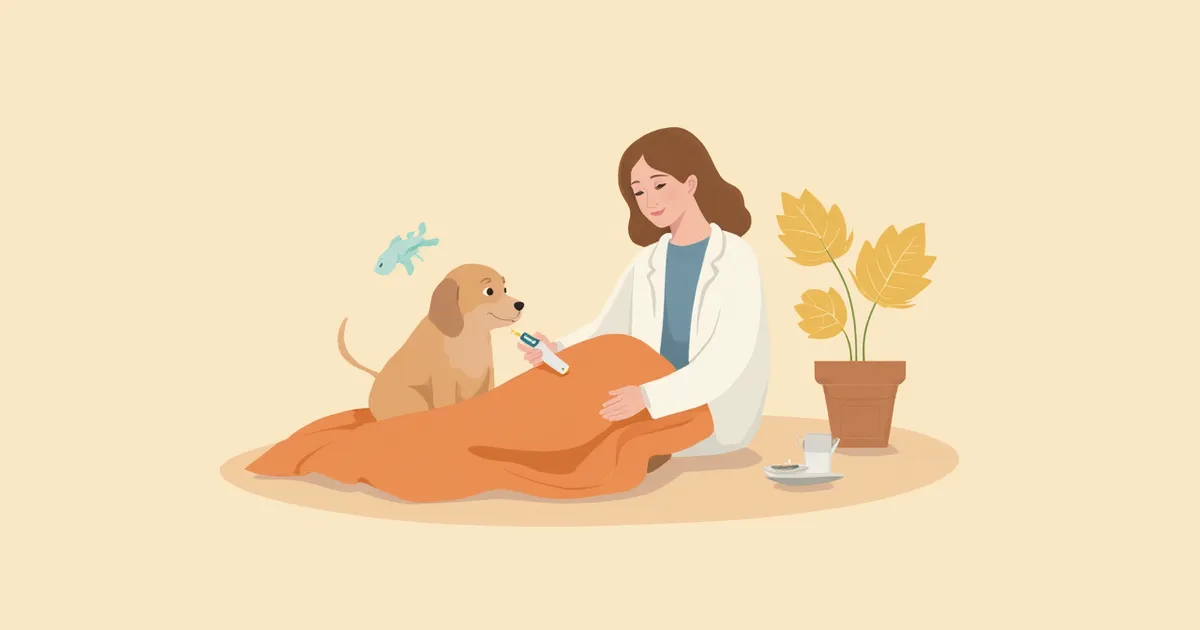
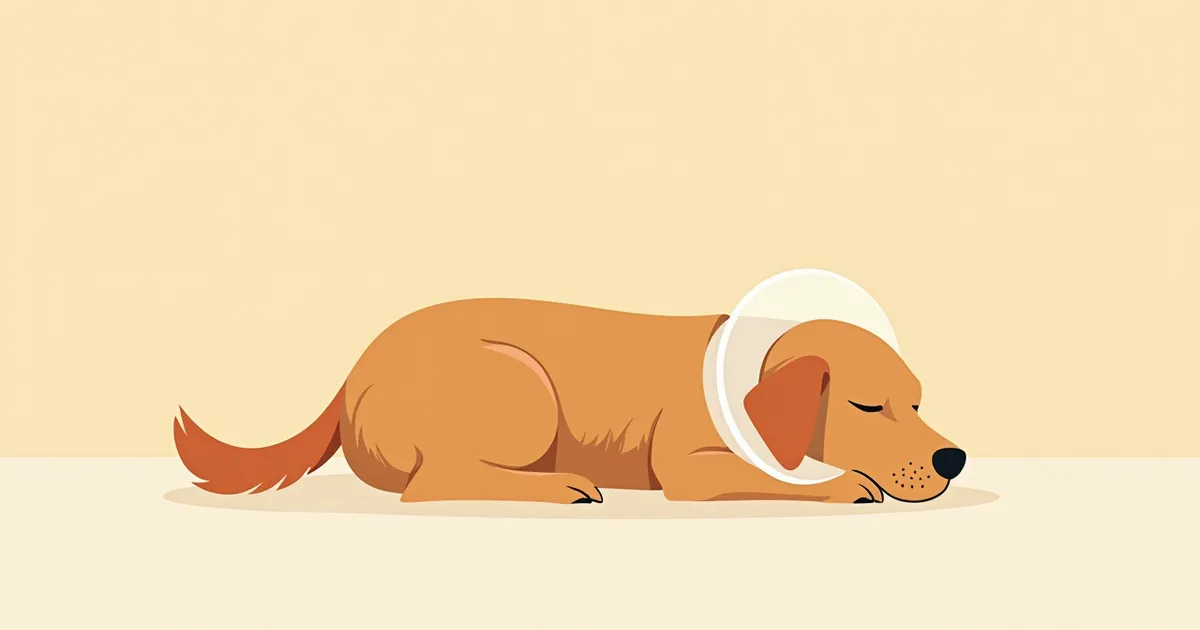
A puppy resting in a warm place while wearing a neck collar after surgery.
Post-operative recovery care for dogs is an intensive process that requires your direct attention from the moment your pet wakes up from anesthesia until the incision site has fully healed. The most critical period is actually the 48 to 72 hours following surgery, rather than the procedure itself. Missing signs of pain or allowing a wound infection to develop during this window can significantly delay recovery. As soon as you return home, start by creating a quiet, warm space for your dog and establishing a daily routine to monitor their water and food intake, as well as the condition of the incision.

Immediately After Waking from Anesthesia — The First 12 Hours Are Most Critical

Immediately after waking from anesthesia, your dog may appear unsteady or disoriented. The time it takes to fully recover varies depending on the anesthetic method used and your dog’s individual health status, so it’s completely normal for them to seem more lethargic and unstable than usual on the day of surgery. During this period, prevent them from climbing stairs or jumping on and off sofas to avoid falls or injuries. Since body temperature tends to drop after anesthesia, keep your dog warm with a blanket, but ensure they don’t overheat. Offer small amounts of water frequently. For food, wait until you’ve confirmed there’s no nausea, then start with small portions. Appetite typically returns gradually over the next few days, so there’s no need to rush; simply follow the post-operative instructions provided by your veterinarian.

Post-Surgical Recovery Timeline — How Does It Change by Stage?

Recovery timelines vary by procedure, but here’s the general progression:
Days 1–2: This is when anesthesia wears off and pain is typically at its peak. Strict rest is essential.
Days 3–7: The incision site begins to heal. Running and jumping must be avoided.
Days 7–14: Sutures are usually removed (as determined by your veterinarian), and short, controlled walks may be permitted.
Weeks 2–8: Bone and joint surgeries require a longer period of restricted activity.
Recovery from orthopedic procedures, such as patellar or fracture repairs, can take 6 to 12 weeks. Always prioritize your veterinarian’s specific instructions.

How to Manage Wounds at Home — Just Remember This
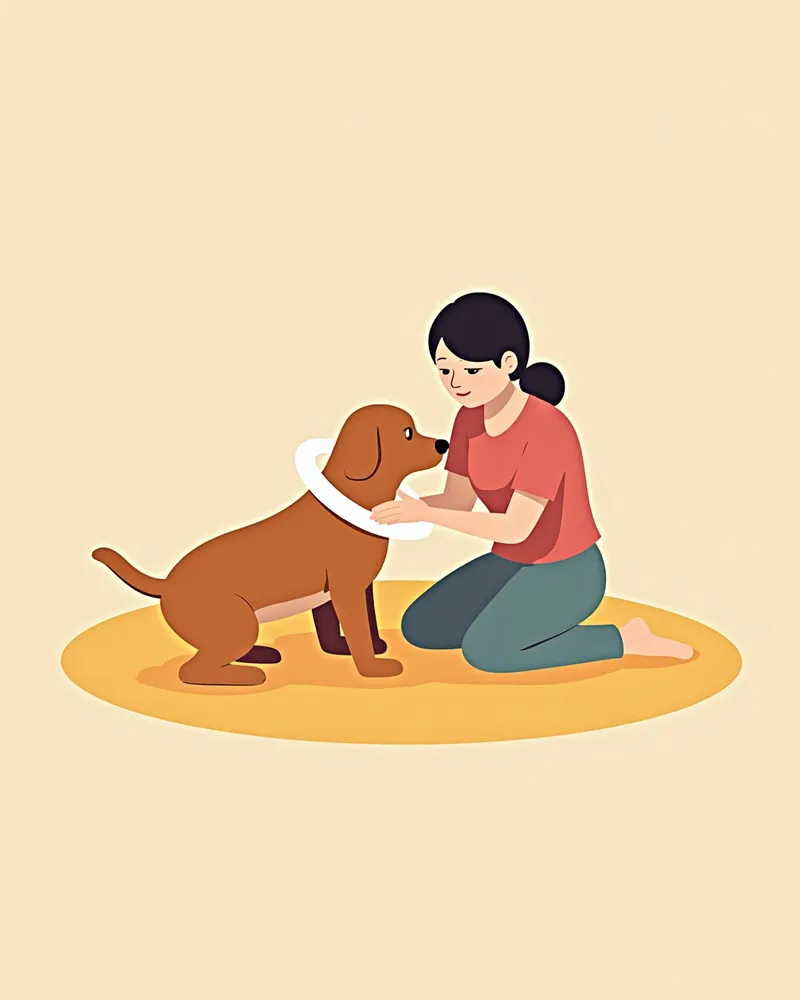
It’s a good idea to check the suture site once or twice a day. A wound healing properly may look slightly red or swollen at first, but these signs should gradually improve.
Normal signs: Mild redness, slight swelling, minimal clear discharge
Warning signs: Persistent oozing, odor, opening of the sutures, or discoloration of the surrounding skin
Keep the cone on your dog at all times until your veterinarian says it’s safe to remove. Avoid applying antiseptics or ointments on your own, as this can actually interfere with the healing process.
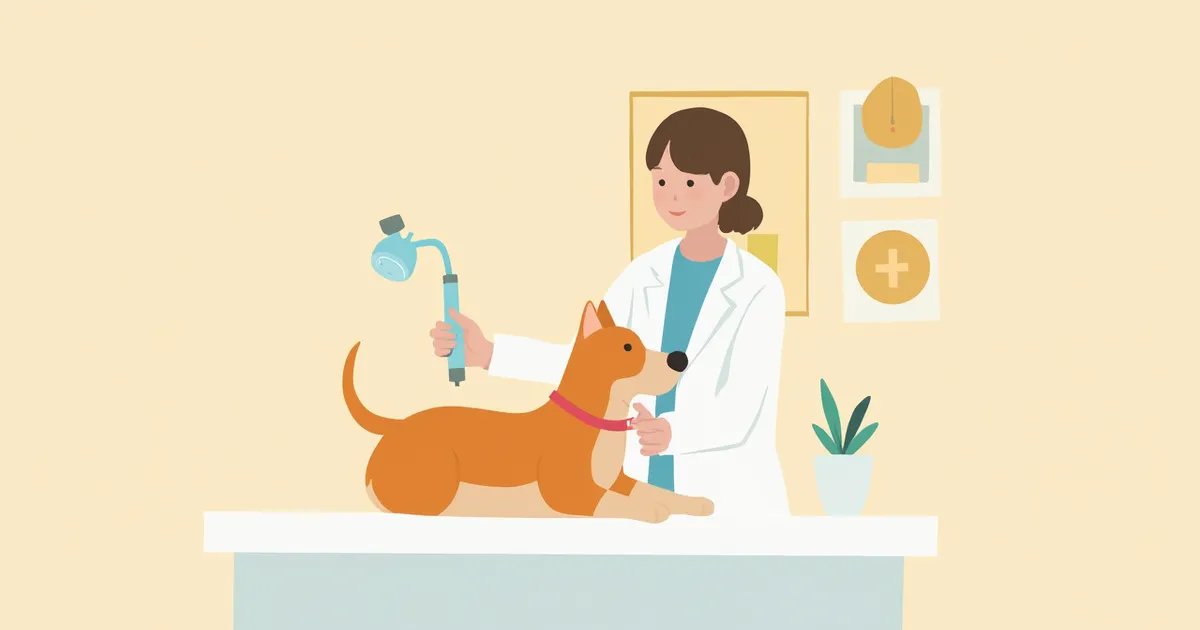
A pet owner checking their dog’s surgical wound site after the operation

Emergency Symptoms Requiring Immediate Veterinary Attention

Contact your veterinarian immediately if you notice any of the following symptoms: • Bright red bleeding from the surgical site that does not stop • Sutures coming apart or internal tissue becoming visible • Complete refusal to eat or drink for more than 24 hours • Persistent or recurring vomiting or diarrhea • Rapid breathing or gums that appear pale or blue • Extreme lethargy or signs of confusion or disorientation

Food and Water After Surgery — When and How to Provide Them?
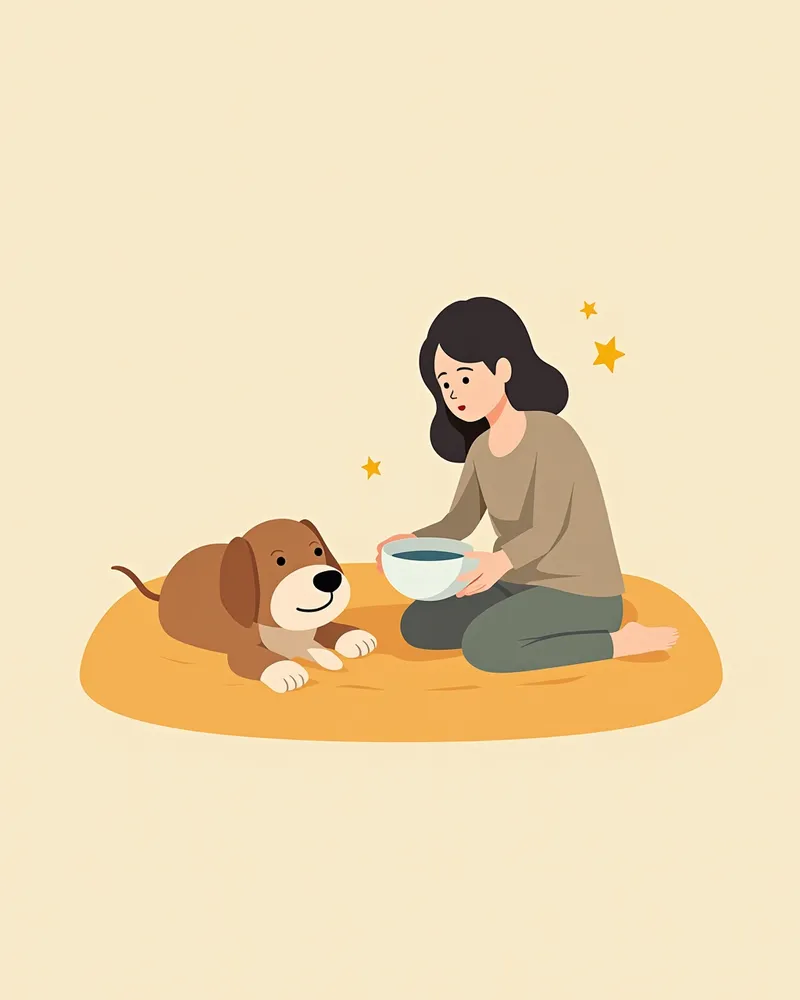
After anesthesia, the digestive system also needs time to recover. On the day of surgery, start with small amounts of water and offer about half the usual amount of food, served in a soft, easily digestible form.
First 24 hours: Offer small amounts of water; check for nausea, then try a small amount of wet food.
Days 2–3: Increase food to 70–80% of the normal amount, recommending easily digestible food.
Day 4 onward: Return to a normal diet (but always follow your veterinarian’s guidance first).
It may take 2–3 days for your pet’s appetite to fully return. If your pet hasn’t eaten at all after 48 hours, please contact your clinic.
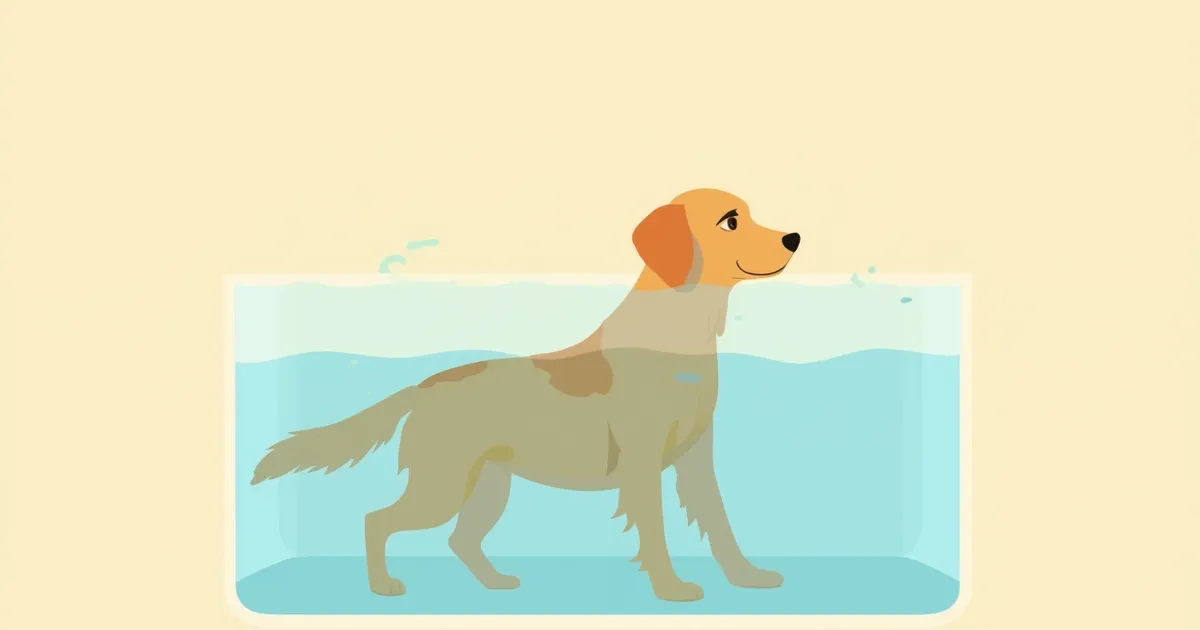
A pet owner making sure their dog gets enough water after surgery

Activity Restrictions — How Much and for How Long Should You Be Cautious?
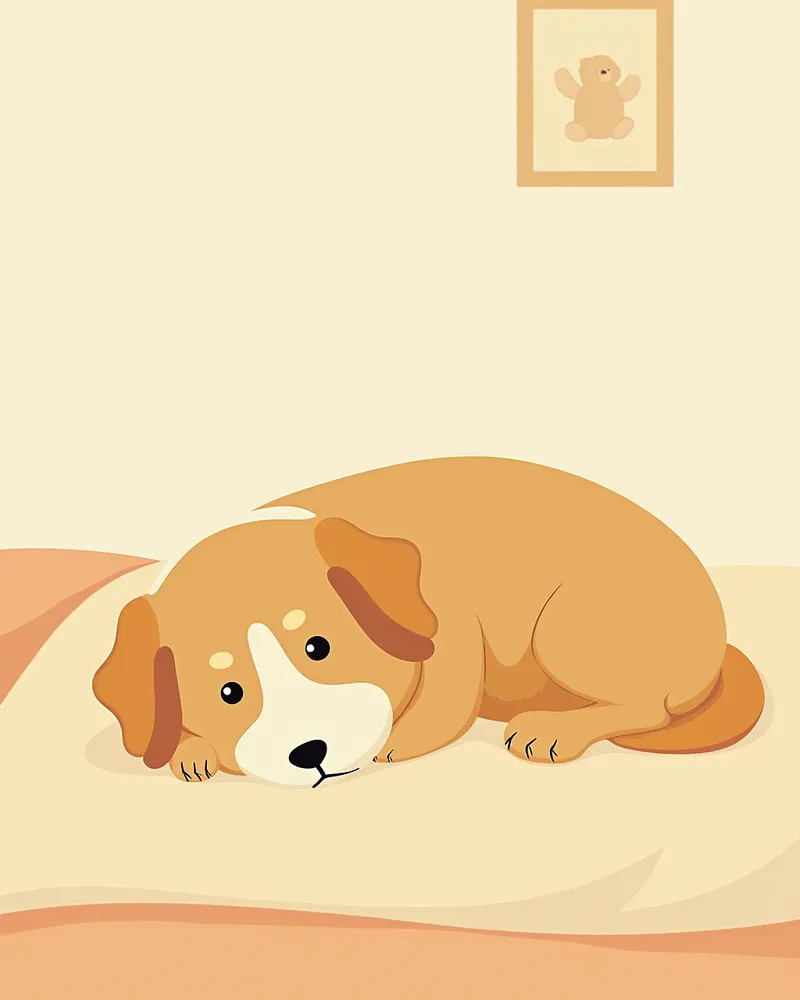
While post-surgical activity restrictions vary depending on the type of surgery, there are some common principles to follow. Strictly prohibited (1–2 weeks): Running, jumping, climbing stairs, and vigorous play. Permitted (after 3–5 days): Short indoor walks and exploring a quiet environment. Criteria for resuming walks: Begin with sessions under 10 minutes only after receiving veterinary approval. Even if your dog appears to be doing well, the internal sutures are still in the healing process. Increasing activity levels abruptly just because the exterior looks healed can cause the internal sutures to tear.
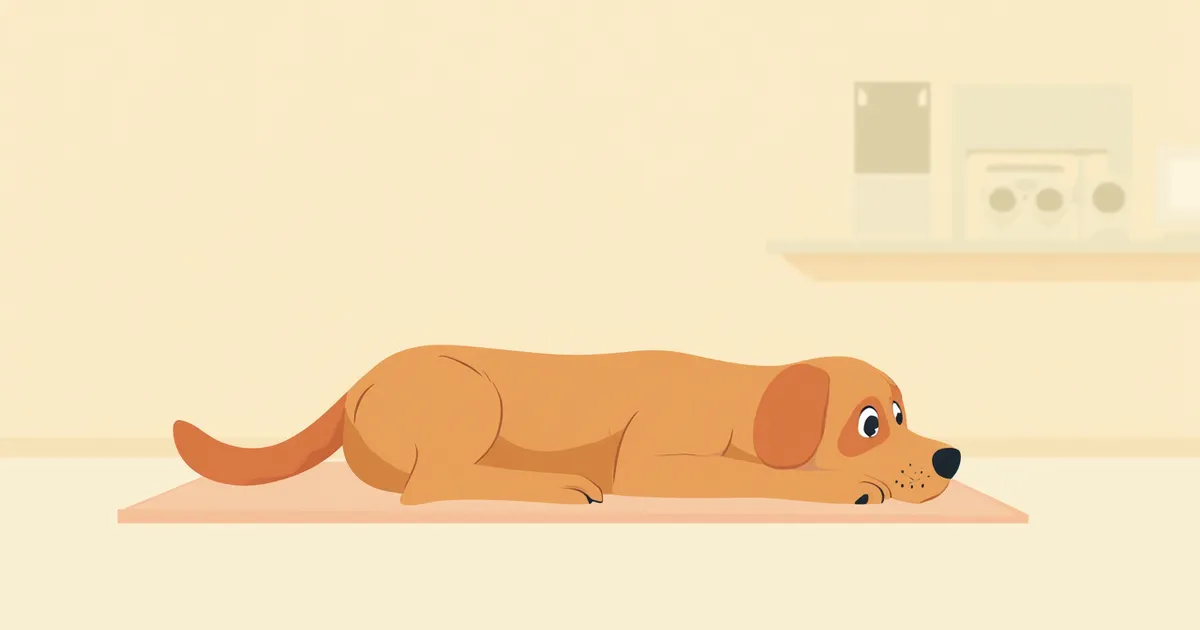
A puppy resting quietly at home after surgery

Finish the Full Course of Prescribed Medication — Do Not Stop Early

Even if your pet’s symptoms seem to improve, it’s important to finish the full course of pain relievers or antibiotics prescribed by your veterinarian. Stopping them early can lead to a recurrence of infection or a sudden worsening of pain. Never give human pain medications like Tylenol or ibuprofen to dogs, as they can cause severe organ damage.

Reviewed by a veterinarian

Dr. Tony — Punnawat Phongkittirak

Dr. Tony — Punnawat Phongkittirak

Veterinarian

A veterinarian who majored in veterinary medicine at Khon Kaen University, Thailand, and completed the IVSA program at North Carolina State University in the United States. Drawing on clinical experience at animal hospitals, he works in the pet healthcare field and is dedicated to building a digital care environment that connects pet parents with veterinarians.

Frequently Asked Questions

My dog isn’t eating after surgery. What should I do?
It’s common for appetite to drop for 24 to 48 hours due to anesthesia and surgical stress. Try enticing your pet with strong-smelling canned food or slightly warmed kibble. If they still refuse to eat after 48 hours, it’s best to contact your veterinarian.
Is it normal for a small amount of clear fluid to leak from the surgical site?
A small amount of clear discharge can be normal during the early stages of recovery. However, if the discharge is yellow or green, or if it has an odor, it may indicate an infection. In such cases, please visit the clinic right away.
My dog really dislikes the neck collar. Is it okay to take it off for a short while?
The e-collar is a key tool to prevent your dog from licking wounds. Even if you take it off for a moment, your dog might lick the area. If the skin irritation is severe, consult your vet about switching to a soft collar.
When can I bathe my pet after surgery?
As a general rule, you should wait until the incision has fully healed and the sutures have been removed. This is typically 10 to 14 days after surgery, but please consult your veterinarian before starting. Until then, avoid the wound area and perform only partial cleaning.
My puppy keeps trying to lick the surgical site. Is it because of pain?
Pets often fuss over their surgical incision because of pain or itching. Make sure they’re taking their prescribed pain medication as directed, and if the symptoms seem severe, contact your veterinarian to see whether the dosage or type of pain reliever needs to be adjusted.

Share

Related Guides

References

[1] Fossum TW. Preoperative and intraoperative care of the surgical patient. In: Fossum TW, Duprey LP, O'Connor D, editors. Small Animal Surgery. 3rd ed. Elsevier; 2007.

[2] Mathews K, Kronen PW, et al. Small Animal Anesthesia and Pain Management: A Color Handbook. 3rd ed. CRC Press; 2022.

[3] Hosgood G, Scholl DT. Evaluation of age as a risk factor for perianesthetic morbidity and mortality in the dog. J Vet Emerg Crit Care. 1998;8(3):222-36.

[4] Reader RC, McCarthy RJ, Schultz KL, et al. Comparison of liposomal bupivacaine and 0.5% bupivacaine hydrochloride for control of postoperative pain in dogs undergoing tibial plateau leveling osteotomy. J Am Vet Med Assoc. 2020;256:1011-19.

This information is based on veterinary literature and does not replace diagnosis or treatment. Please consult a veterinarian for specific health concerns.

Metapet Co., Ltd. | CEO: Park Sung-yong | Business Reg. No. 417-88-02562 | Seoul, South Korea | Customer Center

Dog Post-Surgery Care: Key Recovery Steps for Owners | Meongsiljang