

Dog Lice Infestation FAQ — Key Information Pet Owners Must Know
Dog lice infestation is a skin condition caused by parasites that live in the fur. Here’s a summary of key information pet owners should know.
What is a dog lice infestation?
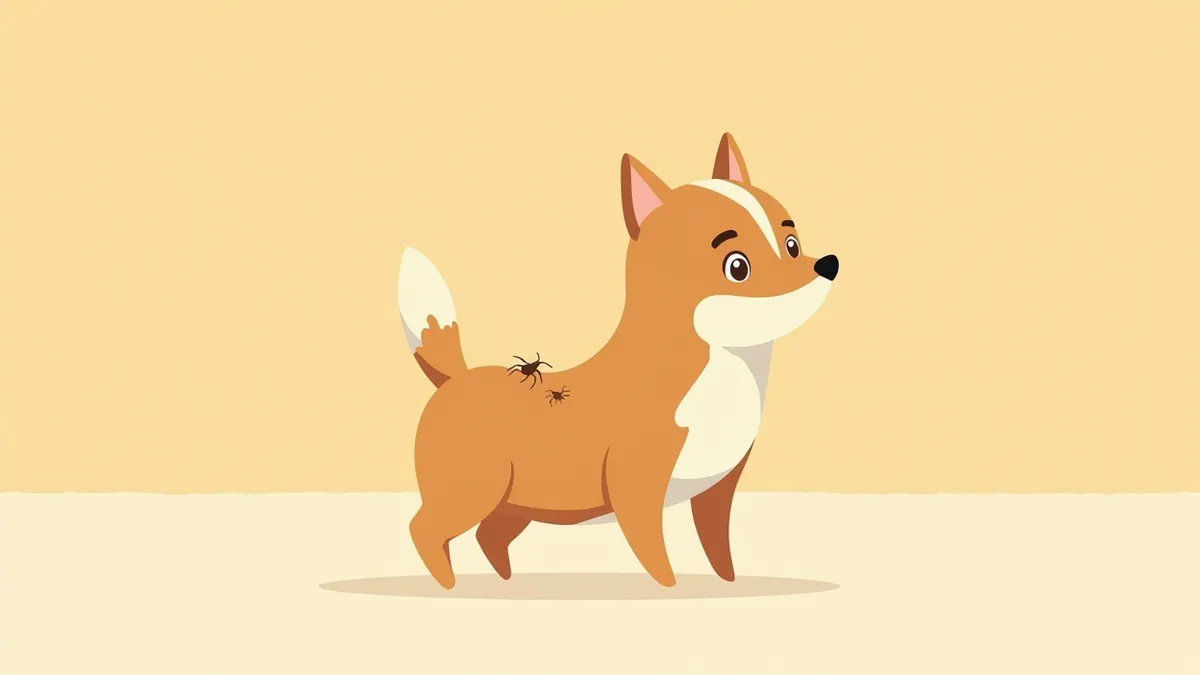
What are the main causes of lice infestation?

What are the main symptoms of lice infestation?

Signs requiring immediate veterinary visit
If your dog is constantly scratching or licking, and you notice peeling or redness on the skin, it’s important to visit a vet right away. This could indicate a worsening infection or the development of a secondary bacterial infection. In particular, if you see hair loss or bleeding, veterinary care is essential. Delaying treatment can lead to chronic dermatitis or even systemic health issues, so don’t ignore even mild symptoms.
How is a lice infestation diagnosed?
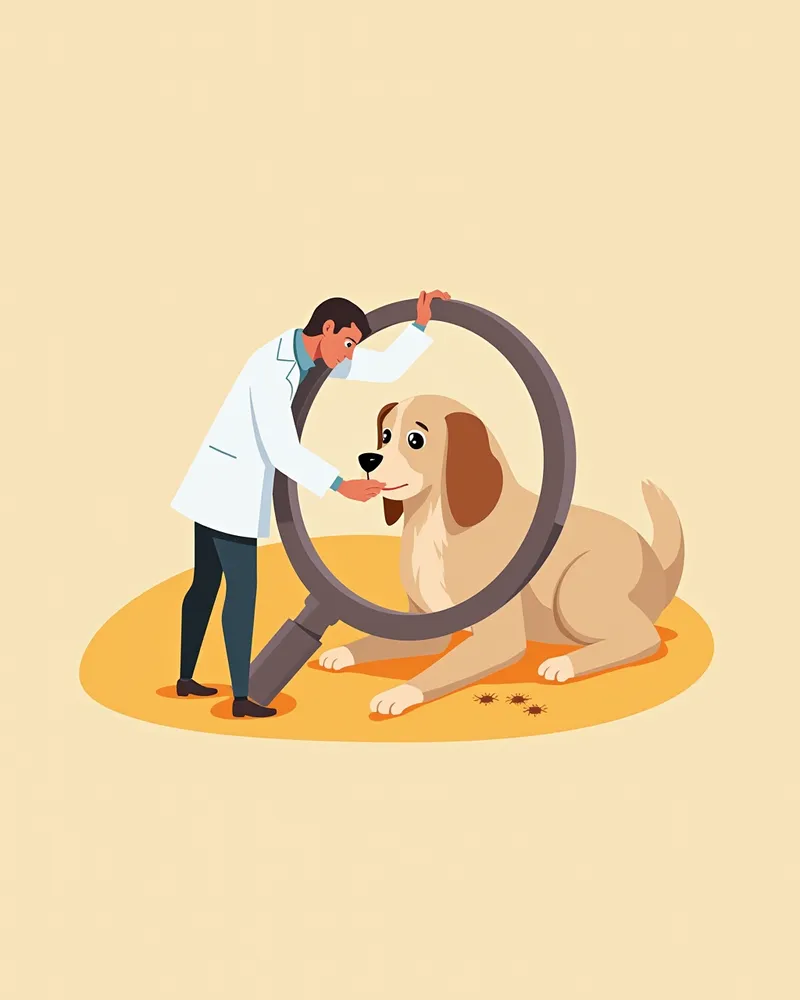
Treatment methods and step-by-step management

Home care and prevention tips

Comparison table for managing lice infestations
| Item | Medication | Mechanical Removal | Environmental Disinfection |
|---|---|---|---|
| Effectiveness | High | Low | High |
| Frequency of Use | 1–2 weeks | 1–2 times per week | 1–2 times per week |
| Cost | Medium | Low | Low |
| Precautions | Veterinarian-prescribed insecticide essential | Caution with skin irritation | Clean bedding and tools alongside |
A combined approach is most effective. Use an insecticidal dewormer (such as isoxazolines) together with grooming by brushing and cleaning of the home, bedding, and tools.
Precautions: Incorrect treatment can cause bigger problems
Regular pet soaps and shampoos sold on the market lack insecticidal ingredients, so they are ineffective against lice and may even irritate the skin. Lice spread through direct contact with infected dogs, so during treatment, avoid contact with other dogs and ensure that any dogs living together are treated as well. Using more medication than prescribed can lead to toxic reactions, so it is essential to use insecticides and dewormers at the correct dosage under the guidance of a veterinarian.
Reviewed by a veterinarian

Dr. Tony — Punnawat Phongkittirak
VeterinarianA veterinarian who majored in veterinary medicine at Khon Kaen University, Thailand, and completed the IVSA program at North Carolina State University in the United States. Drawing on clinical experience at animal hospitals, he works in the pet healthcare field and is dedicated to building a digital care environment that connects pet parents with veterinarians.
Reviewed 2026-06-29
Frequently Asked Questions
Can this infection be transmitted to humans?
Can this (four-legged friend's) infection be completely cured?
When do symptoms of this infection typically appear?
Can this (four-legged) infection be prevented with a vaccine?
Should I continue brushing my pet after the infection has cleared?
Share
Related Guides

5 Flea and Tick Preventives for Cats Recommended by Veterinarians — Ingredient Safety Comparison

The Ultimate Guide to Differentiating Symptoms, Managing Internal Parasites in Dogs, and Choosing the Best Products

Best Practices and Selection Criteria for Dog Heartworm Antigen Testing

Early Signs of Congestive Heart Failure in Dogs and Management

Doggy Skin Itch and Red Ears — A Complete Guide to Choosing Food for Food Allergies

Can Cats Get Heartworm Disease? — Why It’s More Dangerous Than in Dogs and How to Prevent It

Guide to Traveling with Pets on KTX and Trains

How to Check Lymph Nodes at Home

Recognizing End-of-Life Signs in Cats

Cat Litter Box Frequency and Normal Patterns: How Many Times a Day Is Normal?
References
[1] Hill, P.B. et al. (2000) Resolution of skin lesions and long-term survival in a dog with suppurative dermatitis due to lice infestation. Journal of the American Veterinary Medical Association, 217(4), 545-548.
[2] Englar, R.E. (2019) Common clinical presentations in dogs and cats. Hoboken, NJ: Wiley/Blackwell.
[3] Plumb's Veterinary Drug Handbook, 9th ed. (2022). Iowa State University Press.