Like
Share
멍실장
강아지 개 심장사상충 예방과 치료 자주 묻는 질문 Q&A — 보호자가 꼭 알아야 할 핵심

Dog Heartworm Prevention and Treatment FAQ — Key Information Every Pet Owner Must Know

Infection/ParasitesQ&AMeongsiljang Veterinary Advisory Board

Heartworm disease in dogs is a fatal parasitic condition transmitted by mosquitoes. Since prevention is far more important than treatment, we’ve compiled the essential information every pet owner should know.

What is heartworm disease in dogs?

A veterinary examination scene for a dog suspected of having heartworm infection.
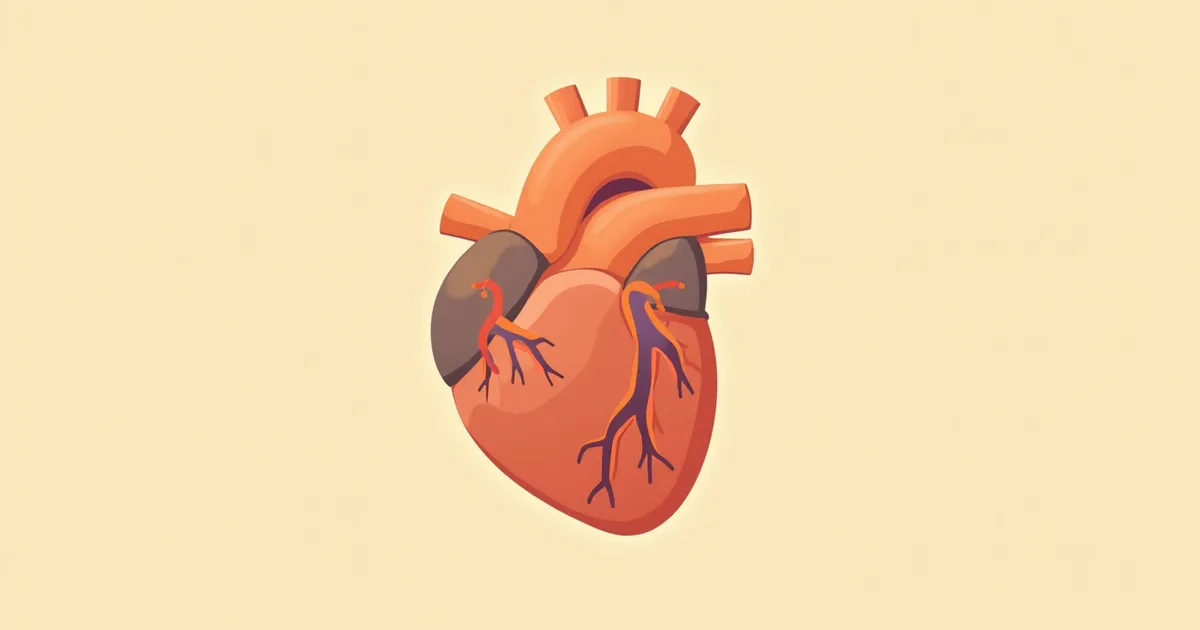
Heartworm disease in dogs is a life-threatening parasitic infection transmitted by mosquitoes. The larvae of this parasite enter a dog’s body through a mosquito bite and reside in the heart and pulmonary arteries, severely impairing cardiac function. In the early stages, symptoms are minimal, making early detection difficult. As the disease progresses, signs such as coughing, difficulty breathing, and lethargy may appear. Worsening heart function can lead to pulmonary edema or heart failure. Because treatment is challenging and recovery takes a long time, prevention is the most important measure. Heartworm: A parasite transmitted by mosquitoes that resides in a dog’s heart and pulmonary arteries, causing severe damage.

How is heartworm transmitted?

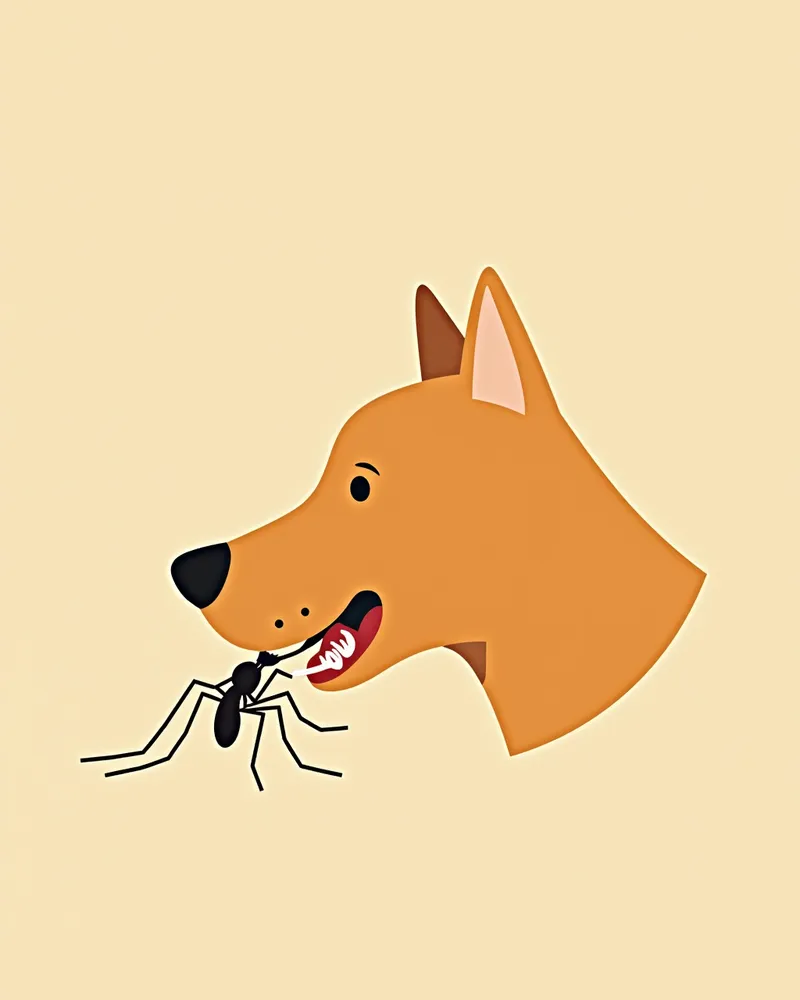
Heartworm disease is transmitted when a mosquito bites an infected dog and then bites another dog, transferring the larvae. These larvae grow inside the body and eventually reside in the heart and pulmonary arteries. Although heartworm is most active during the summer, climate change has increased mosquito activity even in winter in some regions, raising the risk of transmission. Dogs living near wetlands or forests in both urban and rural areas are at higher risk. To prevent infection, it’s important to minimize exposure to mosquitoes. Mosquito-borne transmission: Mosquitoes that have fed on the blood of an infected dog can transmit larvae to other dogs when they bite them.
A scene showing a mosquito transmitting heartworm larvae while feeding on a dog's blood.

How to choose a heartworm preventative?

Heartworm preventatives are recommended by veterinarians based on your dog’s weight, living environment, and local transmission risk. They typically contain macrocyclic lactone ingredients such as ivermectin, milbemycin oxime, selamectin, or moxidectin, and most are administered once a month on a regular schedule. Topical formulations, like those containing selamectin or moxidectin, are also available. Missing the timing or method of administration can reduce preventive efficacy, so consistent, regular dosing is essential. Additionally, because side effects or allergic reactions may occur, extra caution is advised when administering the medication for the first time. Criteria for selecting a preventative: Choose the medication recommended by your veterinarian after comprehensively considering factors such as your dog’s weight, living environment, regional risk, and dosing schedule.
The various types of heartworm preventatives

How is heartworm treatment carried out?

Heartworm treatment is carried out in stages under the strict supervision of a veterinarian. First, we assess the condition of the heart and lungs through X-rays, ultrasounds, antigen tests, and microfilaria blood tests to determine the severity of the infection. Adult worms are then eliminated using medications such as melarsomine. During this process, there is a risk that fragments of dead parasites could block the pulmonary arteries and cause thromboembolism, so exercise must be completely restricted. Regular check-ups and monitoring are necessary during and after treatment, and efficacy is typically confirmed via antigen testing about six months after the final dose of adulticide. Ongoing prevention remains essential even after treatment. The treatment process consists of: assessment → medication → exercise restriction → regular examinations → recovery management.
Scene of administering an injection for heartworm treatment

Comparison of Heartworm Preventatives by Type

ItemIngredientDosing FrequencyAdditional Effects
Ivermectin formulationIvermectinMonthlySome products also have intestinal parasite deworming effects
Milbemycin oxime formulationMilbemycin oximeMonthlySome products also have intestinal parasite deworming effects
Selamectin/moxidectin topicalSelamectin or moxidectinMonthlyA topical formulation applied to the skin, also effective against some external and internal parasites

Choose the product your veterinarian recommends based on body weight and living environment.

Precautions During Heartworm Treatment

During treatment, your dog must be kept on strict rest. Sudden activity can trigger a pulmonary embolism. Additionally, if coughing, difficulty breathing, or signs of shock develop within one to two weeks after treatment, seek immediate veterinary care.

Key Tips for Heartworm Prevention
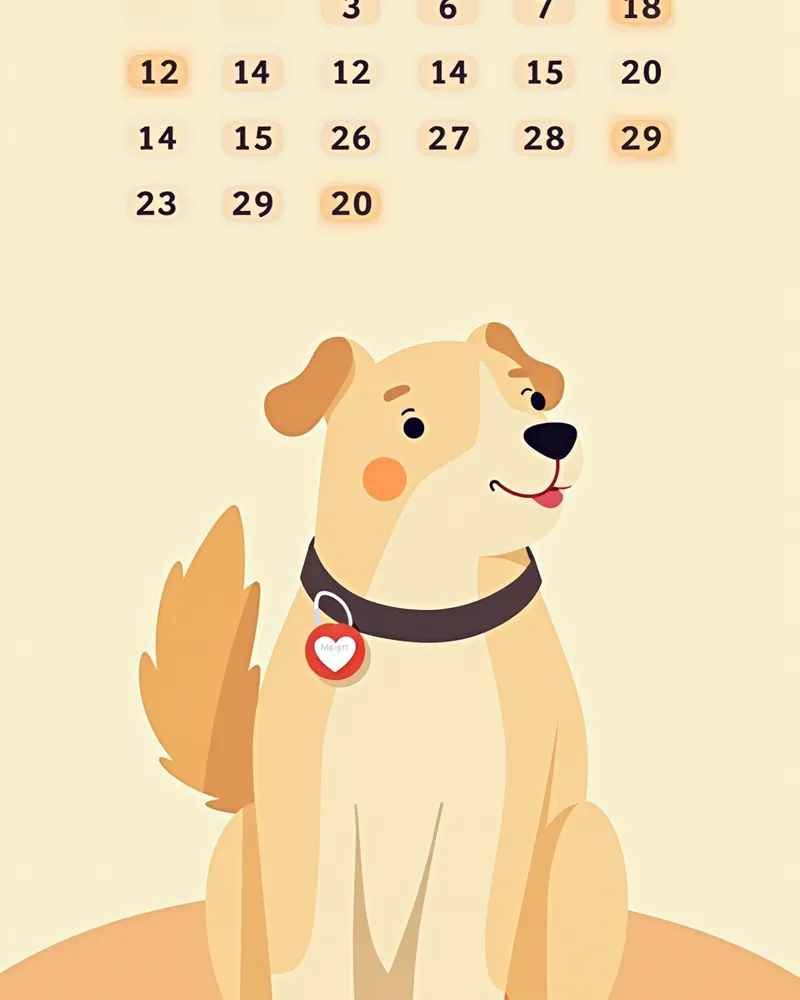
The key to preventing heartworm disease is administering preventive medication on a regular monthly basis. Since mosquitoes can remain active even in winter in many regions, consistent year-round administration is necessary, not just during the summer months. Dogs living in areas with high mosquito density, near wetlands, or close to forests require particular attention. Because mosquitoes can enter indoors, installing screens on windows and doors is also an effective preventive measure. If a dose is missed, consult your veterinarian immediately to determine whether a supplemental dose is needed. Regular administration: Administering the medication on a strict monthly schedule is the most effective way to prevent heartworm disease.
Monthly calendar and protective collar for heartworm prevention

Frequently Asked Questions About Heartworm Prevention and Treatment

Heartworm prevention typically begins at 6 to 8 weeks of age. Since reinfection is possible even after treatment, it’s important to continue preventive care. Heartworm disease is not transmitted through direct contact between dogs but rather through mosquito bites. It can take about six months for an antigen test to detect infection, and symptoms may develop gradually over several months to years, making regular veterinary check-ups essential. If a dose is missed, consult your veterinarian to determine whether a make-up dose is needed. During treatment, exercise should be strictly limited, and regular monitoring is required. Preventive medications are only effective when administered according to the recommended schedule and method. When to start prevention: Starting at 6 to 8 weeks of age is common. Your veterinarian will recommend a plan based on your dog’s weight and local risk factors.
A dog checking its heartworm prevention schedule

Reviewed by a veterinarian

Dr. Tony — Punnawat Phongkittirak

Dr. Tony — Punnawat Phongkittirak

Veterinarian

A veterinarian who majored in veterinary medicine at Khon Kaen University, Thailand, and completed the IVSA program at North Carolina State University in the United States. Drawing on clinical experience at animal hospitals, he works in the pet healthcare field and is dedicated to building a digital care environment that connects pet parents with veterinarians.

Frequently Asked Questions

When should I start giving my pet heartworm preventive medication?
It’s typically started at 6 to 8 weeks of age and should be administered regularly every month thereafter. Your veterinarian will recommend the appropriate schedule based on your pet’s weight and local risk factors.
What should I do if I missed giving my pet their preventive medication?
Consult your veterinarian right away. The longer you wait, the higher the risk of infection, so it’s best to quickly decide whether additional treatment is needed.
How long does the recovery period last after heartworm treatment?
After treatment, regular check-ups and monitoring are necessary, and the recovery period may vary depending on the severity of the condition. Typically, about six months after completing the adult worm removal medication, an antigen test is conducted to confirm the effectiveness, and ongoing veterinary care is essential.
Can heartworms be transmitted to humans?
Heartworm primarily uses dogs and similar species as definitive hosts. Infection in humans is rare, and the worms do not establish themselves properly, so they are essentially not transmitted. Although spread by mosquitoes, humans are not suitable hosts.
My pet vomited after taking the preventive medication. What should I do?
If vomiting persists, contact your veterinarian immediately. Some medications can irritate the stomach, so the administration method may need to be adjusted.

Share

Related Guides

References

[1] American Heartworm Society. (2023). Canine Guidelines for the Prevention, Diagnosis, and Management of Heartworm (Dirofilaria immitis) Infection in Dogs. https://www.heartwormsociety.org

[2] Plumb's Veterinary Drug Handbook, 9th Edition. (2022). Wiley-Blackwell. ISBN: 978-1119745887

[3] Handbook of Veterinary Pharmacology. (2021). Chapter 7: Drugs for Heartworm Prevention and Therapy. Elsevier.

This information is based on veterinary literature and does not replace diagnosis or treatment. Please consult a veterinarian for specific health concerns.

Metapet Co., Ltd. | CEO: Park Sung-yong | Business Reg. No. 417-88-02562 | Seoul, South Korea | Customer Center

Dog Heartworm Prevention & Treatment: FAQ | Meongsiljang