Like
Share
멍실장
강아지 동공 이상(이방동공 등) 자주 묻는 질문 Q&A — 보호자가 꼭 알아야 할 핵심

My Dog’s Pupils Are Different Sizes — Is This a Dangerous Warning Sign?

Eye HealthQ&AMeongsiljang Veterinary Advisory Board

Abnormalities in a dog’s pupils, such as anisocoria (unequal pupil size), can signal cranial nerve damage or eye disease. Here’s the key information every pet owner should know.

What Are Abnormalities in a Dog’s Pupils (Such as Anisocoria)?
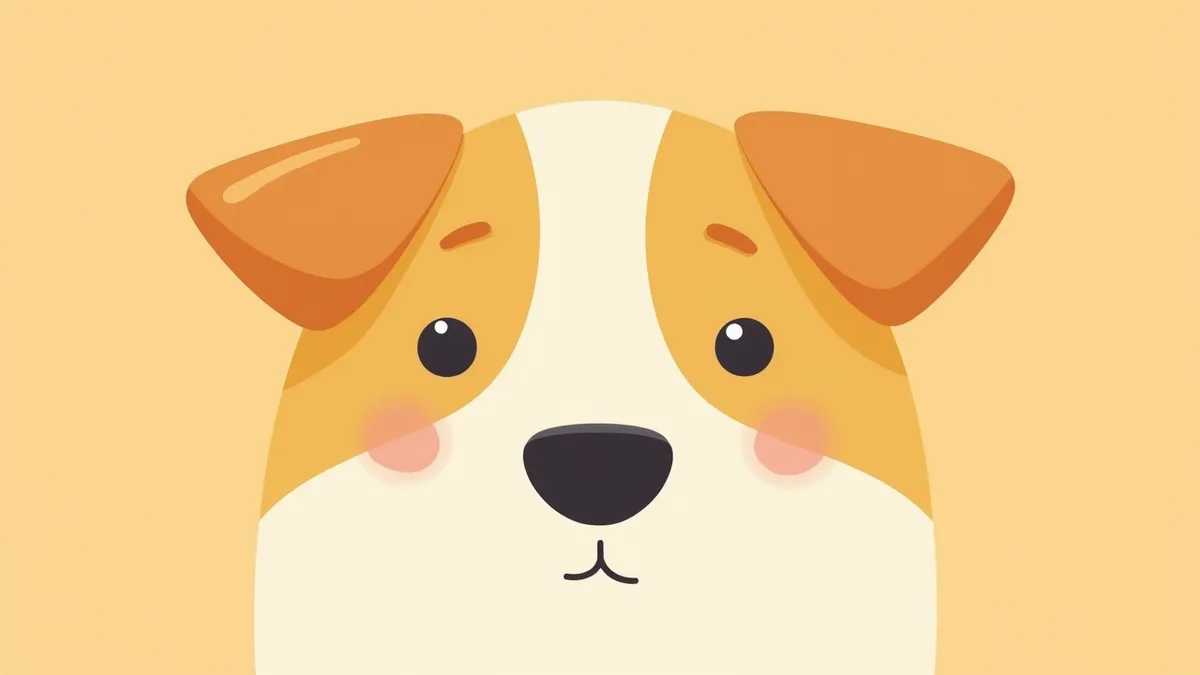
One of your dog's pupils is dilated while the other remains constricted.
Abnormalities in a dog’s pupils, particularly anisocoria, refer to a condition where one pupil appears larger than the other. This can be an early sign of cranial nerve damage or ophthalmic disease. If it appears suddenly, it may indicate brainstem abnormalities or internal bleeding. Immediate diagnosis is necessary if the difference in pupil size persists or is accompanied by changes in vision or misalignment of the eyes. Rather than assuming it is temporary, owners should always consult a veterinarian. Multiple tests are conducted to accurately determine the cause. While pupillary abnormalities may stem from simple eye issues, they can also signal life-threatening conditions.

What Are the Main Causes of Anisocoria?
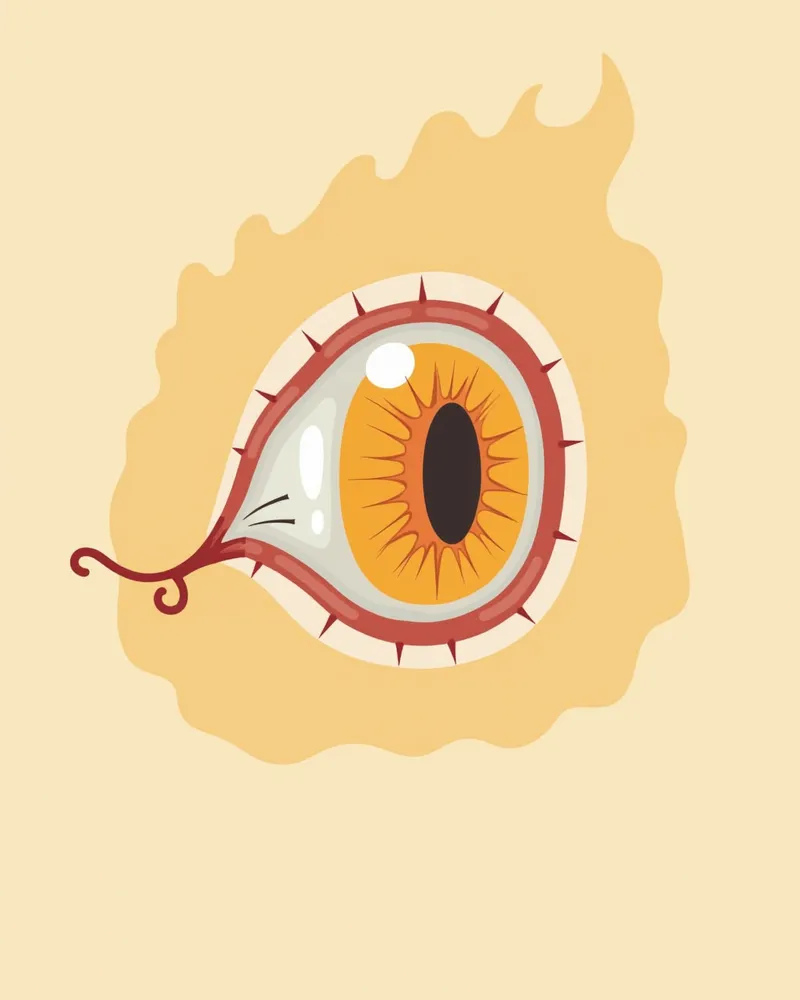
Anisocoria, or unequal pupil size, can have various causes. - Horner’s syndrome (sympathetic nerve disruption): Damage to the sympathetic nerves supplying the eye can cause miosis (pupil constriction) on one side, resulting in a noticeable size difference between the two pupils. Issues anywhere along the pathway—including the hypothalamus, brainstem, cervical spinal cord (T1–T3), or middle ear—can be the underlying cause. - Neurological causes: Abnormalities in the brainstem or along the neural pathways can affect pupil size and reactivity. - Senile iris atrophy: As dogs age, the iris may thin, causing one pupil to appear larger and irregularly shaped. This is a relatively common, benign cause in older dogs. - Ophthalmic diseases: Conditions such as glaucoma (elevated intraocular pressure) or uveitis (inflammation inside the eye) can alter pupil response. - Trauma: Anisocoria can occur following head or eye injuries. The urgency of treatment depends on the underlying cause, so please visit a veterinary clinic promptly if the pupil changes persist.
A medical diagram illustrating the anatomical connections between a dog's eyes and cranial nerves.

What Are the Main Symptoms of Anisocoria?
The symptoms associated with anisocoria include the following:
Difference in pupil size between the two eyes: One pupil may appear larger (mydriasis) or smaller (miosis) than the other. In Horner’s syndrome, miosis (constriction) of one pupil is characteristic.
Concurrent eyelid changes: In Horner’s syndrome, you may also observe ptosis (drooping of the upper eyelid), protrusion of the third eyelid, and enophthalmos (recession of the eyeball).
Signs of intraocular inflammation: If uveitis is the underlying cause, it may be accompanied by corneal edema, aqueous flare (cloudiness of the aqueous humor), and conjunctival hyperemia (redness).
Changes in vision and behavior: Your pet may have difficulty seeing in dim light, or show altered pupillary light reflexes.
If these symptoms occur together, immediate veterinary attention is required.
A puppy with asymmetrical pupils and tearing eyes

When to Seek Immediate Veterinary Care

If anisocoria (unequal pupil size) appears suddenly and is accompanied by other symptoms, seek veterinary care immediately. In particular, if there is decreased consciousness, seizures, loss of balance, vomiting, or difficulty breathing, the likelihood of brain damage is high.

What Diagnostic Tests Are Needed?
To accurately identify the cause of anisocoria, a variety of diagnostic tests are necessary. - Ophthalmic examination: Evaluates pupillary light reflexes, vision, and intraocular pressure. - Blood tests: Checks for systemic infections and metabolic disorders. - Brain imaging: Uses MRI or CT scans to detect brain injury, tumors, or hemorrhage. - Neurological assessment: Comprehensively evaluates cranial nerve function, balance, and reflexes. - Fundoscopic examination: Checks for retinal damage. These tests help pinpoint the underlying cause and develop a tailored treatment plan. Early diagnosis improves the likelihood of successful treatment.
A veterinarian evaluating a puppy's brain nerve responses

Comparison of Characteristics by Cause of Anisocoria

ItemKey FeaturesDiagnostic MethodTreatment Direction
Neurological Cause (Horner's Syndrome, etc.)Miosis in one pupil, accompanied by ptosis, third eyelid protrusion, and enophthalmosNeurological evaluation, MRI/CTRemoval of the cause and neuroprotective treatment
Senile Iris AtrophyMydriasis in one pupil in older dogs, irregular iris shapeOphthalmic examination (iris and pupillary reflex assessment)Benign course, focused on observation
Ophthalmic Disease (Glaucoma/Uveitis)Elevated intraocular pressure in glaucoma; redness and corneal edema in uveitisOphthalmic examination, intraocular pressure measurementIntraocular pressure control and anti-inflammatory eye drop treatment
TraumaOccurs after an accident, periocular edema and hyphemaImaging, trauma assessmentEdema removal and pain relief
Drug ReactionOccurs after taking certain medicationsConfirmation of medication historyDiscontinuation of the drug and alternative treatment

Since the treatment direction differs depending on the cause, an accurate diagnosis is essential.

What Are the Treatment Options?
Treatment approaches vary depending on the underlying cause. - Nerve damage: Neuroprotective agents and anti-inflammatory medications are used. - Ophthalmic conditions: Eye drops or surgery help restore pupillary function. - Trauma: Treatment focuses on reducing swelling and relieving pain. - Drug reactions: The offending medication is discontinued, and alternative therapy is initiated. - Brain tumors or hemorrhage: Surgery or medication is used to control intracranial pressure. Your veterinarian will develop a treatment plan based on a comprehensive assessment of your pet’s weight, overall condition, and the specific cause. The duration of treatment varies by cause, and regular follow-up examinations are essential. Early intervention significantly improves the chances of recovery.
A veterinarian prescribing medication for a puppy.

Points to Note

Anisocoria can be a simple eye issue, but it may also be an early sign of a brain disorder. Pet owners often overlook it by assuming it’s “temporary.” If the pupil changes persist, a veterinary diagnosis is essential.

Reviewed by a veterinarian

Dr. Tony — Punnawat Phongkittirak

Dr. Tony — Punnawat Phongkittirak

Veterinarian

A veterinarian who majored in veterinary medicine at Khon Kaen University, Thailand, and completed the IVSA program at North Carolina State University in the United States. Drawing on clinical experience at animal hospitals, he works in the pet healthcare field and is dedicated to building a digital care environment that connects pet parents with veterinarians.

Frequently Asked Questions

Can anisocoria be treated?
Treatment options depend on the underlying cause. Conditions such as brain nerve damage or ophthalmic diseases can often be improved with medication. However, conditions like brain tumors may be difficult to cure completely, making early diagnosis crucial.
What should I do if my pet frequently has anisocoria (unequal pupil sizes)?
Even a single episode warrants a visit to the clinic. If the symptoms recur or are accompanied by other signs, there is a high possibility of a neurological disorder. Your veterinarian will determine the exact cause.
Is anisocoria related to a dog's age?
It is more common in senior dogs than in puppies. Age-related decline in neurological function or brain diseases can be the cause. However, since it can occur at any age, caution is necessary.
Can anisocoria occur without trauma?
Yes, it can occur even without any trauma. There are various causes, including brain nerve damage, eye diseases, and drug reactions. In particular, if it appears suddenly, immediate diagnosis is necessary.
Is there anything I can do at home if my pet develops anisocoria?
At home, you can help by maintaining a calm environment and minimizing stress. Keep your pet away from bright lights and allow them to rest in a quiet space. However, proper treatment requires a veterinarian’s diagnosis and prescription.

Share

Related Guides

References

[1] Plumb's Veterinary Drug Handbook, 9th Edition. Wiley-Blackwell, 2022.

[2] Fossum, T. W. (2021). Small Animal Surgery, 5th Edition. Elsevier.

[3] Kirk, R. W., & Bonagura, J. D. (2020). Current Veterinary Therapy: Small Animal Practice, 5th Edition. Elsevier.

This information is based on veterinary literature and does not replace diagnosis or treatment. Please consult a veterinarian for specific health concerns.

Metapet Co., Ltd. | CEO: Park Sung-yong | Business Reg. No. 417-88-02562 | Seoul, South Korea | Customer Center

Unequal Pupil Size in Dogs: Is It a Dangerous Warning Sign? | Meongsiljang