Like
Share
멍실장
강아지 뇌하수체 종양 자주 묻는 질문 Q&A — 보호자가 꼭 알아야 할 핵심

Dog Pituitary Tumor FAQ — Key Information Every Owner Must Know

EndocrineQ&AMeongsiljang Veterinary Advisory Board

Pituitary tumors in dogs are growths that develop in the pituitary gland, often leading to symptoms such as leg weakness and frequent bathing due to hormonal imbalances. Early detection and management are crucial.

Pituitary tumors in dogs are growths that develop in the pituitary gland

An anatomical diagram of a dog’s brain showing a pituitary tumor
Pituitary tumors in dogs are growths that develop in the pituitary gland. Most are benign adenomas, while malignant adenocarcinomas are rare. In many cases, these tumors overproduce hormones such as ACTH, which stimulates the adrenal glands and leads to hormone excess conditions like Cushing’s disease (hyperadrenocorticism). They are primarily found in senior dogs, with most reported cases occurring in dogs around 12 years of age or older. As the tumor grows, it can compress surrounding brain tissue, potentially causing neurological symptoms such as vomiting, seizures, and ataxia (loss of balance). It is important to closely monitor your dog’s condition and schedule regular health check-ups to detect early signs and address any changes promptly.

The exact cause remains unclear, but genetic factors may be involved
The exact cause of pituitary tumors in dogs remains unclear. Adenomas of the anterior pituitary lobe are the most common form, and problems arise when these tumor cells autonomously overproduce hormones such as ACTH. Since the provided textbook materials do not clearly support specific breed predispositions or genetic factors, it is difficult to definitively attribute the cause to genetics. However, reported cases predominantly involve older dogs, suggesting that the condition is more frequently observed in senior animals. Rather than pinpointing a definitive cause, the most practical approach is to monitor for changes through regular veterinary check-ups to enable early diagnosis.
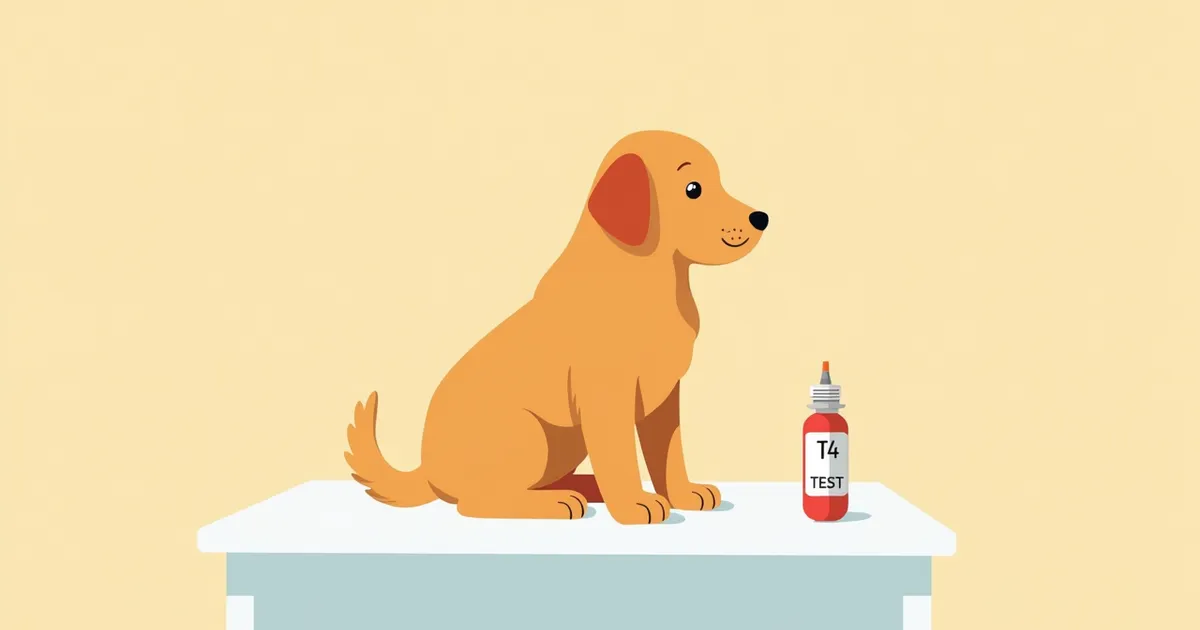
A puppy undergoing a checkup at the clinic, with the medical team reviewing hormone levels.

Main symptoms include frequent thirst and urination, weight gain, and muscle weakness

When a dog’s pituitary tumor secretes excess hormones, it can cause symptoms similar to Cushing’s disease, most notably polyuria and polydipsia (PU/PD), meaning the dog drinks excessively and urinates frequently. You may also notice an increased appetite, a distended or pot-bellied appearance, and changes in body weight or shape. Muscle weakness can lead to reduced strength when walking or moving, as well as easy fatigue. As the tumor grows and presses on surrounding brain tissue, neurological signs such as vomiting, seizures, vision loss due to optic nerve compression, and behavioral changes may occur. Because these symptoms often develop gradually, it’s important to carefully monitor for early changes. Early detection significantly impacts treatment outcomes.
The puppy appears thirsty and tries to drink water, while its legs seem weak.

Symptoms requiring immediate veterinary attention

If your dog suddenly starts seizing or loses consciousness, you should take them to the vet immediately. Additionally, if they experience repeated vomiting or become unable to walk, it is an emergency. Symptoms caused by increased intracranial pressure can be life-threatening, so prompt veterinary care is essential.

Diagnosis is confirmed through MRI and blood tests

When diagnosing pituitary tumors in dogs, the most important step is to accurately determine the tumor’s location and size through brain imaging. - CT and MRI scans: These provide detailed views of brain structures, allowing for precise identification of the tumor’s location and size. - Blood tests: These measure hormone levels to determine whether the tumor is functional, meaning it overproduces hormones. - Hormonal function tests: These evaluate key hormones like ACTH and adrenal function to check for excessive hormone secretion. - Comparison of imaging methods: CT and MRI are essential for confirming pituitary tumors, while abdominal ultrasound serves as a supplementary tool to assess other organs like the adrenal glands. For an accurate diagnosis, multiple tests are used together.
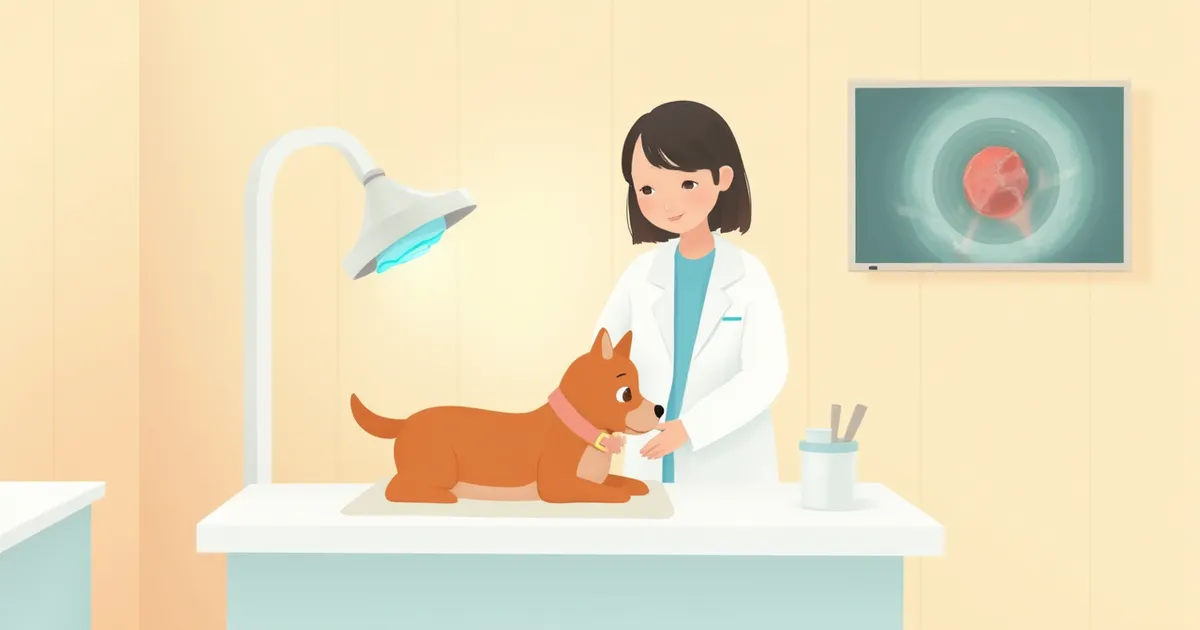
An MRI image of a dog’s brain showing a tumor in the pituitary gland.

Treatment options include medication, radiation, and surgery
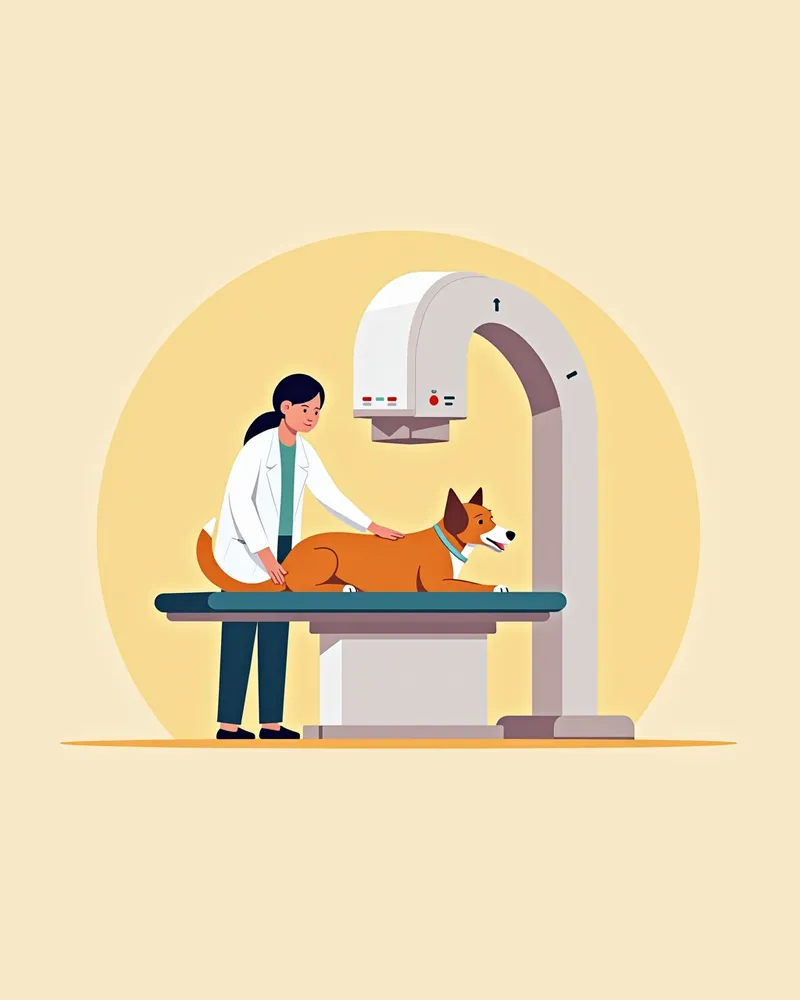
Treatment for pituitary tumors in dogs depends on the tumor’s size, location, and the dog’s overall health. - Medication: Drugs that suppress hormone secretion are most commonly used. - Radiation therapy: This is effective at shrinking the tumor and slowing its growth. - Surgery: While surgical removal is possible in some cases, it carries significant risks and requires a long recovery period. In most cases, medication and radiation therapy are preferred. Your veterinarian will help determine the best treatment plan for your dog.
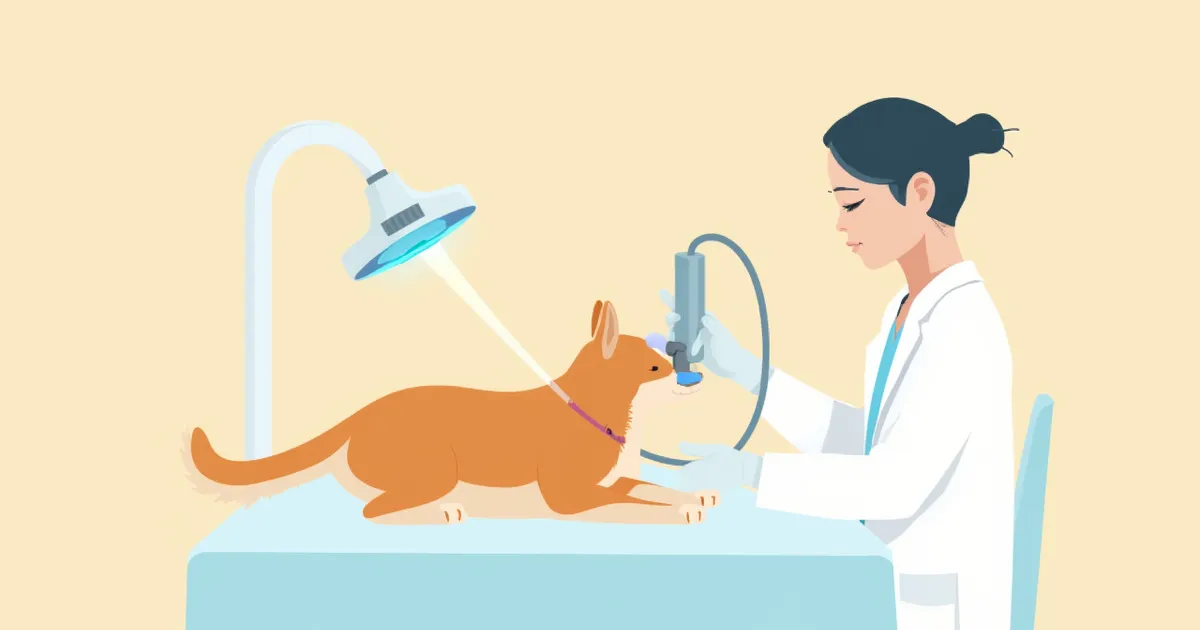
A veterinarian administering radiation therapy to a puppy.

Home care focuses on dietary management and regular check-ups

Home care for a dog with a pituitary tumor centers on consistent monitoring and regular veterinary check-ups. - Dietary management: Work with your veterinarian to maintain a diet tailored to your dog’s condition, while also keeping an eye on body weight and muscle condition. - Monitoring thirst and urination: Keep a record of daily water intake and any changes in the frequency of urination. - Medication administration: Administer prescribed medications such as trilostane and mitotane exactly as directed by your veterinarian. - Regular check-ups: Schedule periodic blood tests and imaging studies to monitor changes in your dog’s condition. - Monitoring behavioral changes: Consistently check for changes in balance, gait, appetite, and water consumption. Diligent observation and care can help manage symptoms and maintain your dog’s quality of life.
A puppy eating healthy food, with a calendar showing scheduled vet visits nearby.

Certain breeds are at higher risk

Pituitary tumors are primarily found in older dogs, and most reported cases involve senior dogs. Based on the available data, it is difficult to definitively conclude that specific breeds are at higher risk. Therefore, rather than focusing on breed, it is important to monitor for changes through regular check-ups as dogs age. Early detection facilitates better management, so consistent health screenings during the senior years are recommended.

Reviewed by a veterinarian

Dr. Tony — Punnawat Phongkittirak

Dr. Tony — Punnawat Phongkittirak

Veterinarian

A veterinarian who majored in veterinary medicine at Khon Kaen University, Thailand, and completed the IVSA program at North Carolina State University in the United States. Drawing on clinical experience at animal hospitals, he works in the pet healthcare field and is dedicated to building a digital care environment that connects pet parents with veterinarians.

Frequently Asked Questions

Can a dog’s pituitary tumor be cured?
While a complete cure is difficult, medication and radiation therapy can help suppress the symptoms of hormone excess and maintain your pet's quality of life. Since tumors can take years to grow, some pets may remain stable for a certain period.
Are there genetic factors involved in pituitary tumors?
The exact cause remains unknown, and based on the textbook information provided, it’s difficult to definitively attribute the condition to genetics or a specific breed. However, since the underlying cause is unclear, regular check-ups during your pet’s senior years are recommended to monitor for any changes.
What effects does medication have?
Medications such as trilostane and mitotane help alleviate symptoms caused by hormone excess. Shrinking the tumor itself is primarily the role of radiation therapy, and regular check-ups are necessary during treatment.
Is surgery an option?
Surgery (pituitary gland removal) is possible, but due to the complex structure of the brain, it carries significant risks. In most cases, medication or radiation therapy is preferred as the first line of treatment.
What is the prognosis?
The prognosis depends on the tumor size, the presence of neurological symptoms, and the response to treatment. While it is difficult to determine an exact average survival time, early detection and appropriate care significantly influence the outcome.

Share

Related Guides

References

[1] Sheena Warman. (2023) 100 Top Consultations in Small Animal General Practice. Wiley-Blackwell.

[2] Fundamentals of Veterinary Clinical Pathology, 3rd Edition. (2022) Elsevier.

[3] BSAVA Manual of Canine and Feline Dermatology, 4th Ed. (2021) British Small Animal Veterinary Association.

This information is based on veterinary literature and does not replace diagnosis or treatment. Please consult a veterinarian for specific health concerns.

Metapet Co., Ltd. | CEO: Park Sung-yong | Business Reg. No. 417-88-02562 | Seoul, South Korea | Customer Center

5 Common Questions About Pituitary Tumors in Dogs | Meongsiljang