Like
Share
멍실장
강아지 중성화 후 호르몬 변화 자주 묻는 질문 Q&A — 보호자가 꼭 알아야 할 핵심

Hormonal Changes After Dog Neutering: Is It Normal? — Causes and When to Visit the Vet

EndocrineQ&AMeongsiljang Veterinary Advisory Board

Here’s a roundup of the most common questions pet owners have about hormonal changes after neutering their dogs. I’ll walk you through everything in detail, including changes in the heat cycle, behavioral shifts, and the reasons behind weight gain.

What Are the Characteristics of Hormonal Changes After Dog Neutering?
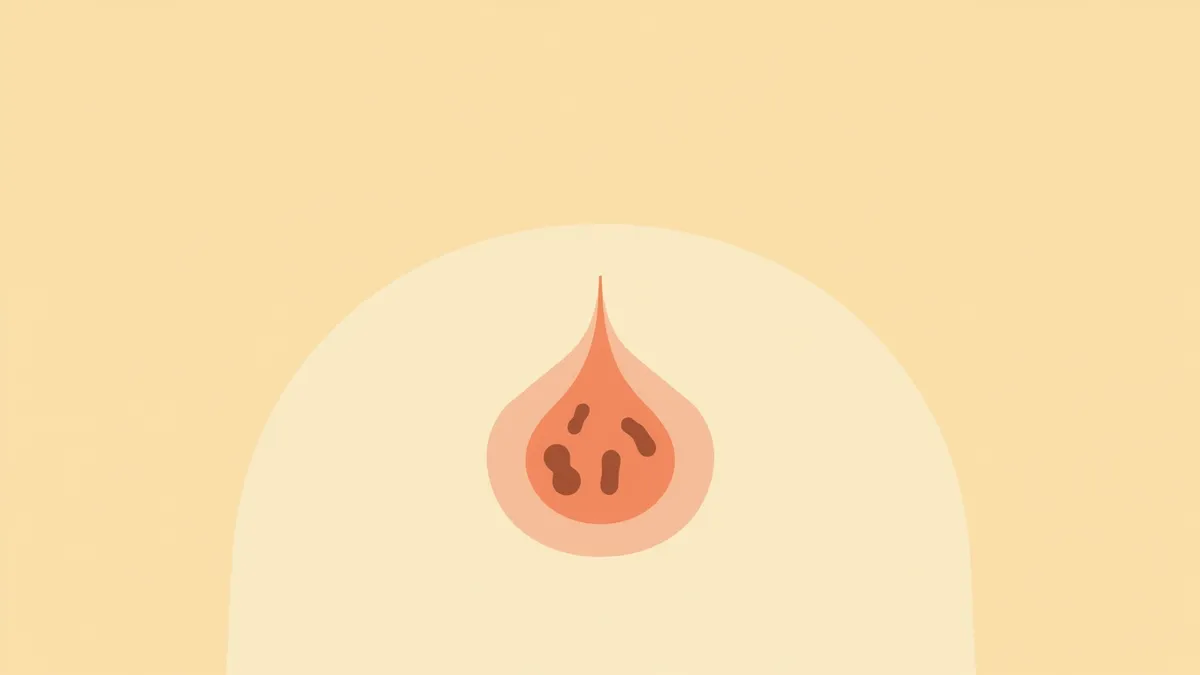
A puppy’s abdomen during recovery after neutering surgery
After neutering, the most significant hormonal change in dogs is a decrease in sex hormones—testosterone in males, and estrogen and progesterone in females. Because these hormones influence both behavior and physical health, their removal can lead to several changes. - Decreased sex hormones: With the reproductive organs removed, sex hormone levels drop, which may alter behaviors related to mating. However, neutering does not always reduce aggression. - Tendency for weight gain: Hormonal changes after neutering can make dogs more prone to obesity, so long-term dietary management is recommended. - Cessation of heat cycles: In female dogs, removal of the ovaries and uterus completely eliminates the heat cycle. - Monitoring behavioral changes: Since behaviors linked to sex hormones may shift, it’s important to work with your veterinarian to consistently manage your dog’s weight and diet.

How Does the Menstrual Cycle Change After Neutering?
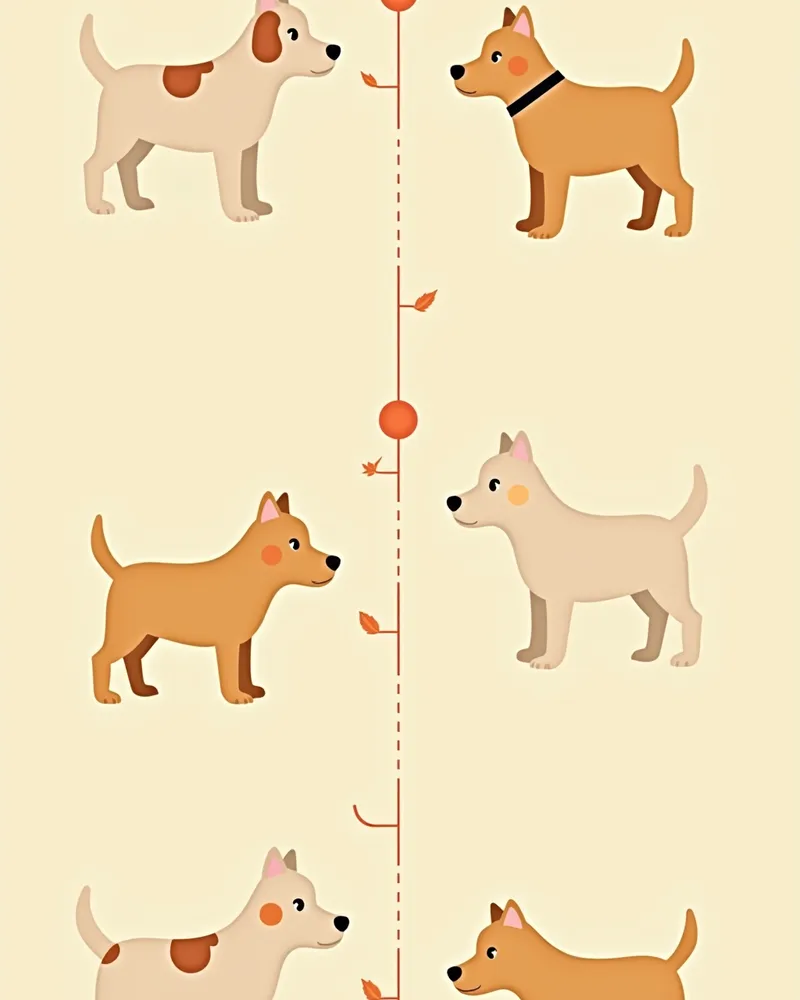
After a female dog is spayed, her menstrual cycle disappears completely. - Removal of the uterus and ovaries: The surgery removes the physiological structures necessary for menstruation, so the cycle can no longer occur. - Elimination of pregnancy risk: The risks of pregnancy and reproductive diseases such as ovarian disorders and metritis (uterine infection) are eliminated. - Regular check-ups are still necessary: It is important to continue regular health examinations to monitor your dog’s internal health after surgery. - Effects of hormonal changes: Hormonal shifts can also influence behavior and weight management, beyond just stopping the menstrual cycle. - Owner care is essential: While the end of the menstrual cycle is a positive outcome, owners should proactively manage other potential changes, such as weight gain.
Graph comparing the estrous cycle before and after spaying

What Are the Main Causes of Behavioral Changes After Neutering?
Behavioral changes after neutering are linked to the removal of sex hormones. However, not all behaviors change in a consistent manner. - Changes in aggression: Aggression may decrease, but neutering does not always reduce aggressive behavior. - Reproductive-related behaviors: Due to reduced sex hormones, changes may occur in behaviors related to reproduction. - Individual differences: The extent of behavioral changes can vary depending on the individual and breed. - Limited impact: Research suggests that the timing of neutering may have a limited effect on most dogs' behaviors. - Adaptation period required: Changes may take time, so owners should be patient and consistently observe their pets.
A calm-faced puppy after neutering

Causes of Weight Gain After Neutering and How to Manage It
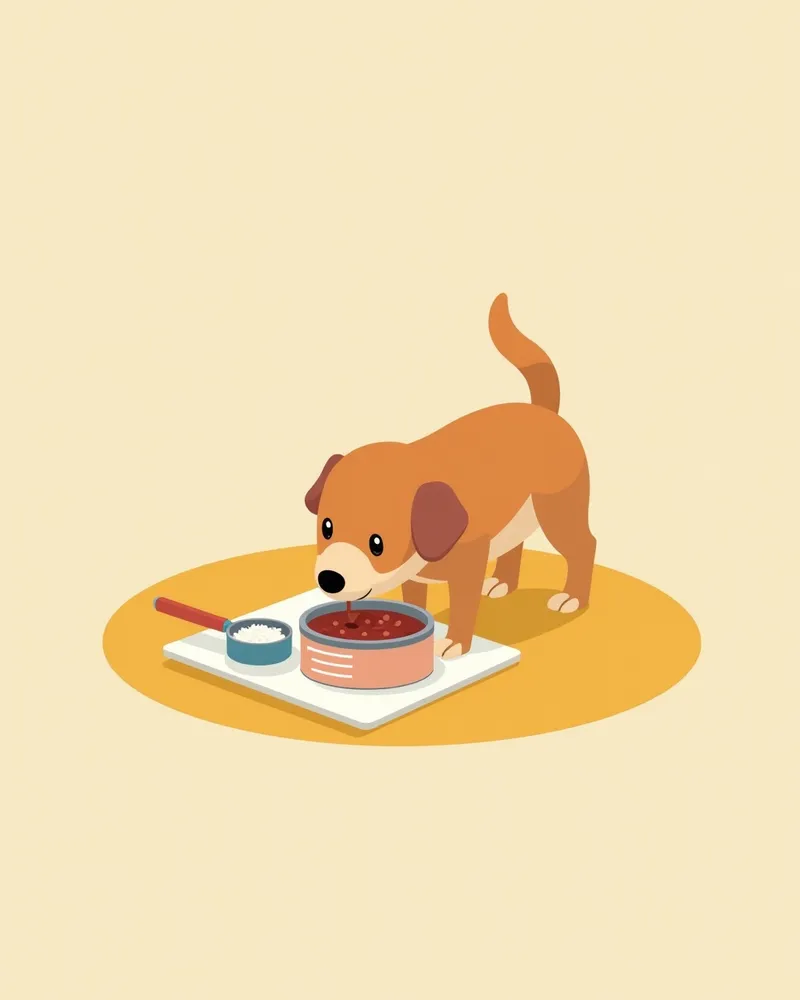
Weight gain is common after neutering, primarily due to hormonal changes. - Impact of hormonal changes: Shifts in hormone levels after neutering can predispose pets to obesity, making long-term dietary management essential. - Increased risk of obesity: Neutered dogs are more prone to becoming overweight or obese compared to intact dogs. - Dietary control: Work with your veterinarian to select an appropriate food and adjust portion sizes based on your pet’s weight. - Maintain activity levels: Regular walks and playtime are important for burning energy. - Monitor treats: Excessive treats and table scraps are major contributors to obesity, so they should be limited.
Portion control for weight management in dogs

Comparison of Hormonal Changes Before and After Neutering

ItemBefore neuteringAfter neutering
Sex hormone levelsNormalDecreased
Estrus (heat) cycleRegularDisappears
AggressionMay appearMay decrease, but not always
Reproduction-related behaviorActiveTends to decrease
Obesity riskRelatively lowIncreased

The veterinarian comprehensively manages weight and activity level after neutering.

5 Signs to Watch For After Neutering
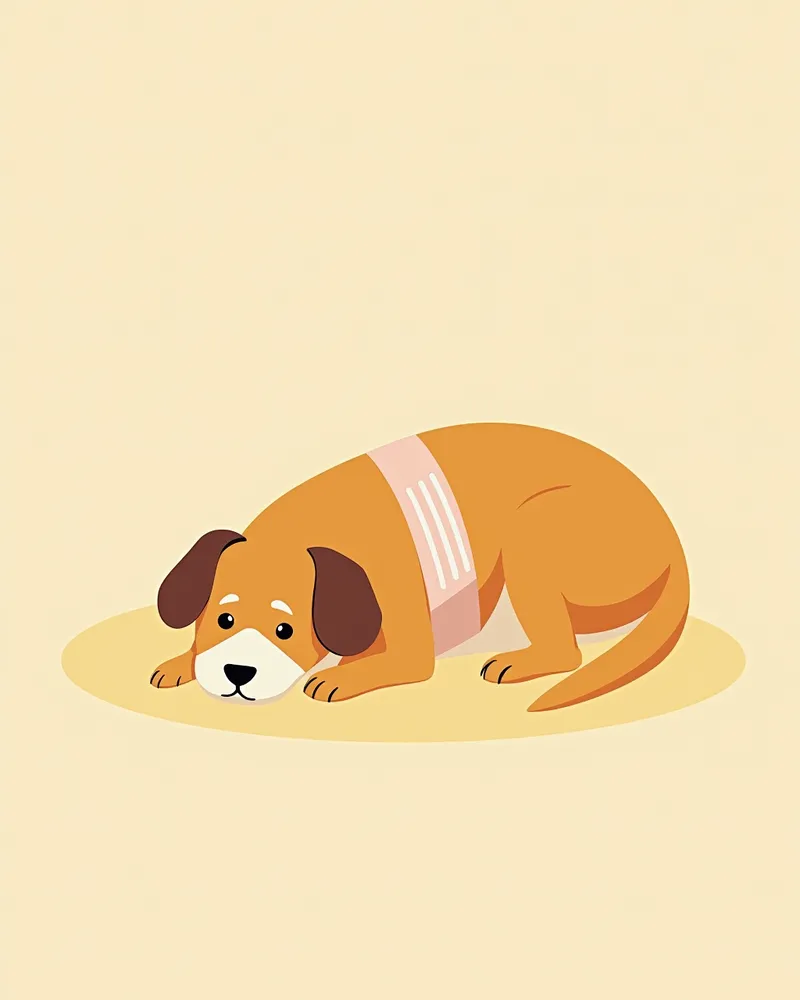
Here are the signs to watch for after neutering. Your veterinarian will recommend dietary adjustments based on your pet’s weight and activity level.
Swelling at the surgical site: Persistent swelling or warmth may indicate an infection.
Loss of appetite: If your pet hasn’t eaten for more than 24 hours, an immediate veterinary visit is necessary.
Lethargy: If your pet is unresponsive or collapsing, emergency care is required.
Recurrent vomiting or diarrhea: This could signal gastrointestinal issues, so prompt examination is needed.
Increased anxiety: Severe stress responses may require behavioral consultation.
Anxious dogs after neutering

Criteria for Immediate Veterinary Visit After Neutering

If you notice bleeding from the surgical site, high fever, severe vomiting or diarrhea, or decreased consciousness, take your pet to the hospital immediately. The veterinarian will regularly check on your pet’s post-operative recovery.

Daily Care Tips After Neutering
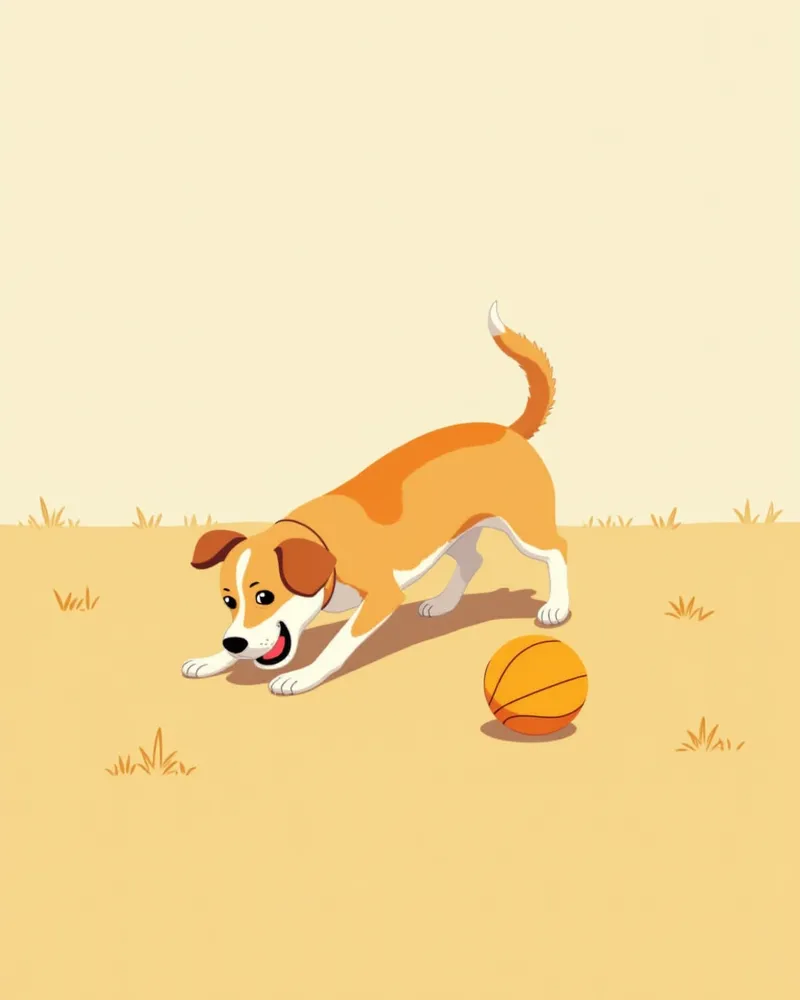
After neutering, the key to daily care is managing weight and activity levels. - Weight monitoring: Regularly weigh your pet with your veterinarian and keep track of any changes. - Portion control: To prevent obesity, adjust the amount of food appropriately and choose a diet formulated for weight management. - Establishing exercise habits: Maintain activity levels with regular walks and play sessions, one to two times a day. - Treat management: It is best to limit treats to small amounts, one to two times a day. - Regular check-ups: Visit the clinic one to two months after surgery to check on your pet’s recovery.
Playful puppies after neutering

Reviewed by a veterinarian

Dr. Tony — Punnawat Phongkittirak

Dr. Tony — Punnawat Phongkittirak

Veterinarian

A veterinarian who majored in veterinary medicine at Khon Kaen University, Thailand, and completed the IVSA program at North Carolina State University in the United States. Drawing on clinical experience at animal hospitals, he works in the pet healthcare field and is dedicated to building a digital care environment that connects pet parents with veterinarians.

Frequently Asked Questions

Is it normal for my pet to gain weight after being spayed or neutered?
Weight gain is common after neutering due to hormonal changes. Neutered dogs are prone to obesity, so your veterinarian will adjust their food portions based on their weight.
Does a pet’s personality change after neutering?
As sex hormone levels decline, you may notice changes in behaviors related to reproduction. However, aggression doesn't always decrease with neutering, and the extent of behavioral changes varies from pet to pet.
Can a dog have another heat cycle after being spayed?
Spaying removes the ovaries and uterus, so your pet will no longer go into heat. The heat cycle will completely stop.
Is it okay to take my pet for a walk about two weeks after neutering?
For the first two weeks after surgery, minimize walks and allow only light walking. Gradually increase activity levels as directed by your veterinarian.
How should I give treats after neutering?
To help prevent obesity, it’s best to limit the amount of treats your pet receives. Using veterinarian-recommended treats in appropriate portions is a good idea.

Share

Related Guides

References

[1] The Dog Care Handbook, Things I Wish My Vet Had Told Me, 2024

[2] Handbook on Field Veterinary Surgery, Ch19: Ovariohysterectomy in Canines and Felines, 2023

[3] Plumb's Drug Handbook for Dogs and Cats, 2022

This information is based on veterinary literature and does not replace diagnosis or treatment. Please consult a veterinarian for specific health concerns.

Metapet Co., Ltd. | CEO: Park Sung-yong | Business Reg. No. 417-88-02562 | Seoul, South Korea | Customer Center

Hormonal Changes After Dog Neutering: Normal or Vet-Worthy? | Meongsiljang