Like
Share
멍실장
강아지 켄넬코프 예방접종 자주 묻는 질문 Q&A — 보호자가 꼭 알아야 할 핵심

Frequently Asked Questions About Kennel Cough Vaccination for Dogs — Key Information Every Pet Owner Should Know

Lifestyle & Age CareQ&AMeongsiljang Veterinary Advisory Board

Kennel cough vaccination is a key preventive measure to protect your dog’s health. Here’s a Q&A summary of the essential information every pet owner should know.

Why Is Kennel Cough Vaccination Important for Dogs?
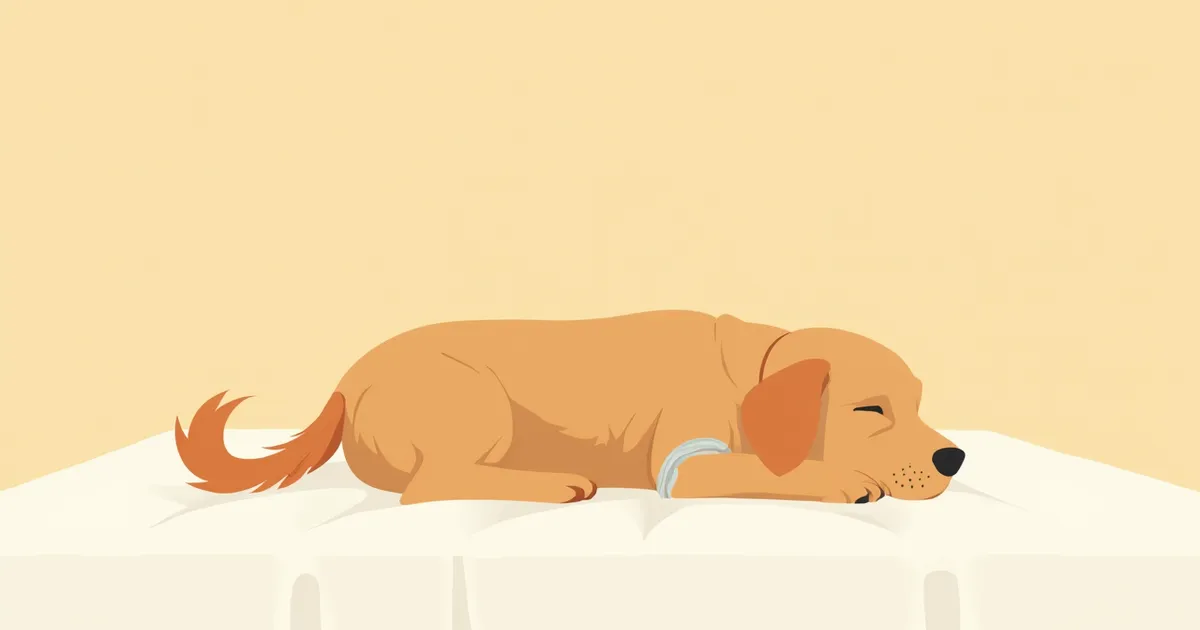
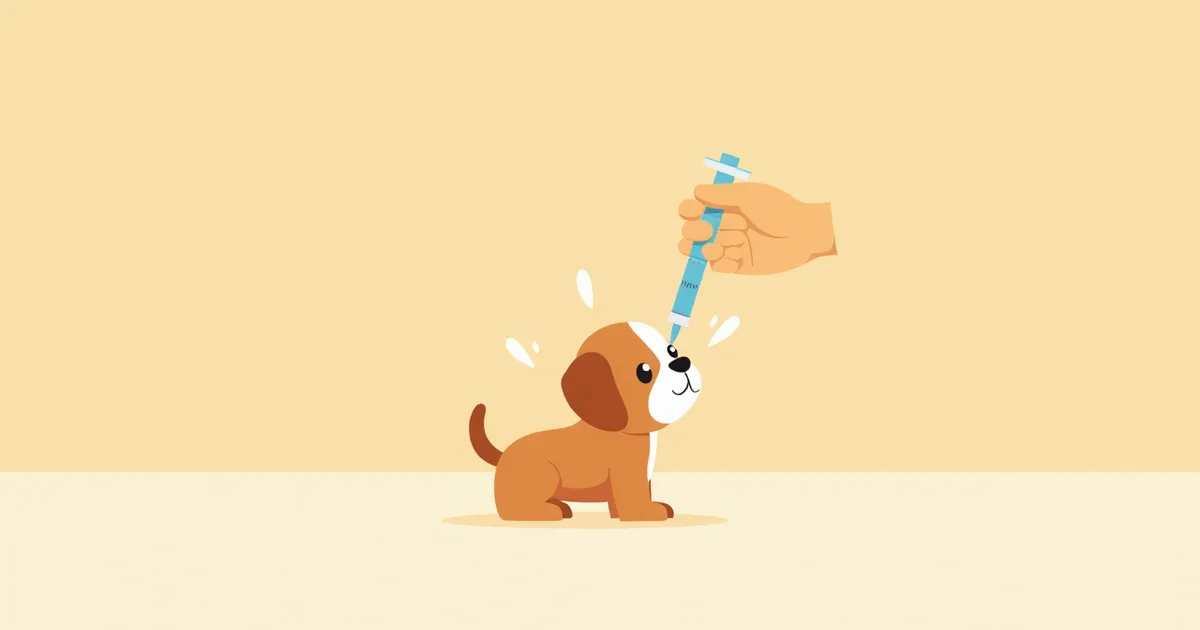
A puppy resting in its cage after receiving the kennel cough vaccination.
Kennel cough is a contagious respiratory disease that spreads easily among dogs in environments where they come into close contact with many other dogs. - Kennel Cough Vaccination: This condition arises from the combined action of multiple pathogens, including *Bordetella bronchiseptica* and the parainfluenza virus. The risk of infection is particularly high in spaces where many dogs gather, such as pet hotels and pet care centers, or during walks when interacting with other dogs. - Boosting Immunity: Vaccination can provide protection against *Bordetella bronchiseptica* and the parainfluenza virus, helping to reduce the risk of severe respiratory disease. - The Key to Prevention: However, vaccine efficacy is not absolute and does not guarantee complete protection; responsible care by pet owners is also essential. - The Importance of Vaccination: Without vaccination, the risk of infection increases, potentially leading to severe respiratory conditions such as intense coughing or pneumonia.

What Are the Main Causes of Kennel Cough?
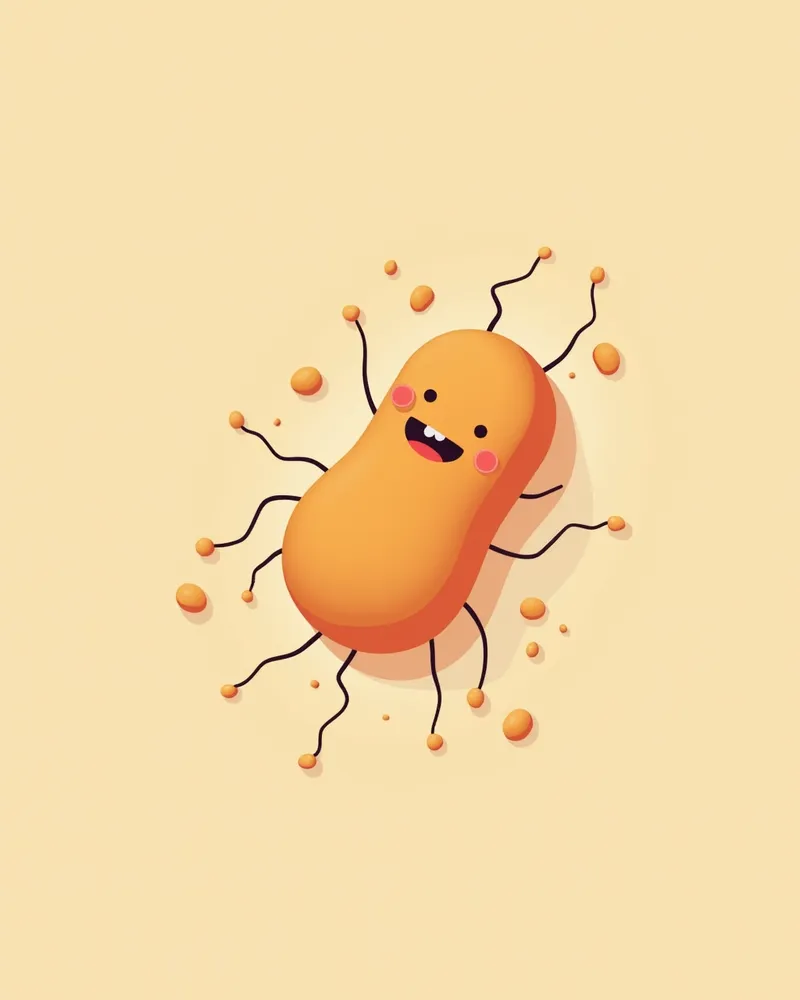
Kennel cough, also known as canine infectious respiratory disease (CIRD), is primarily caused by Bordetella bronchiseptica and the parainfluenza virus, with other viruses and bacteria such as adenovirus and influenza virus often contributing to the condition. - Bordetella bronchiseptica: This bacterium spreads through respiratory droplets (aerosols) or contaminated objects like food bowls and human hands, and it can easily spread in environments where many dogs gather. - Parainfluenza virus: This is the most commonly reported virus associated with kennel cough and can be more burdensome for puppies with weaker immune systems. - Transmission routes: The disease spreads rapidly through airborne droplets or direct contact, and the risk of infection is higher when dogs come into contact with unvaccinated dogs. - Importance of prevention: Due to the complex causes, vaccination can be helpful, and regular care is essential.
Microscopic image of Bordetella

Key Tips to Maximize the Effectiveness of Kennel Cough Vaccination

To maximize the effectiveness of vaccinations, it is advisable to minimize stress before and after the procedure and manage your pet’s health to avoid placing undue burden on the immune system. - Pre-vaccination care: Starting 1–2 days before vaccination, reduce physical activity and ensure regular meals and adequate rest. - Post-vaccination care: Avoid strenuous exercise or contact with other dogs for 24 hours after vaccination. - Maintaining immunity: Support stable immune function through a balanced diet and consistent daily routines. - Vaccination schedule: The timing of booster shots may vary depending on individual circumstances, so consult your veterinarian to determine the appropriate schedule.
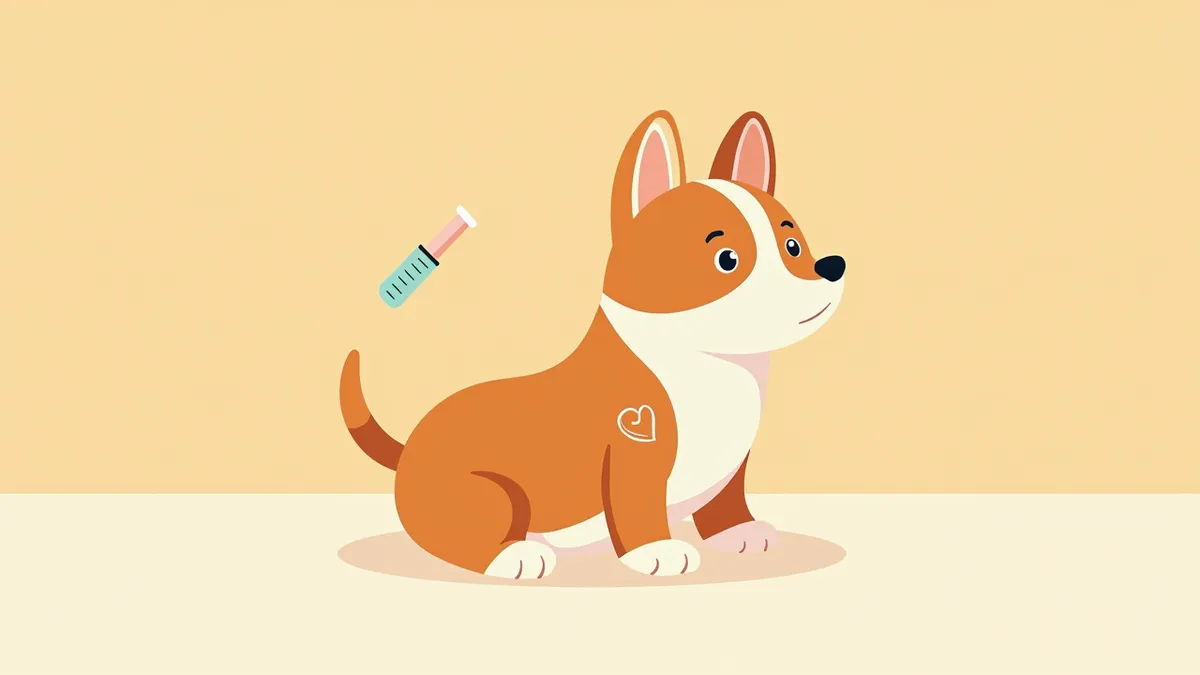
A puppy resting comfortably after vaccination

Comparison of Kennel Cough Vaccination Methods: Injection vs. Intranasal

ItemDuration of EffectSide EffectsRecommended Timing
Injectable TypeThe exact duration varies between individualsPain and swelling at the injection site, temporary fever and lethargyFor adult dogs and repeat vaccinations
Intranasal Type (Scent)The exact duration varies between individualsSneezing, runny nose, mild coughingFor initial vaccination of young puppies

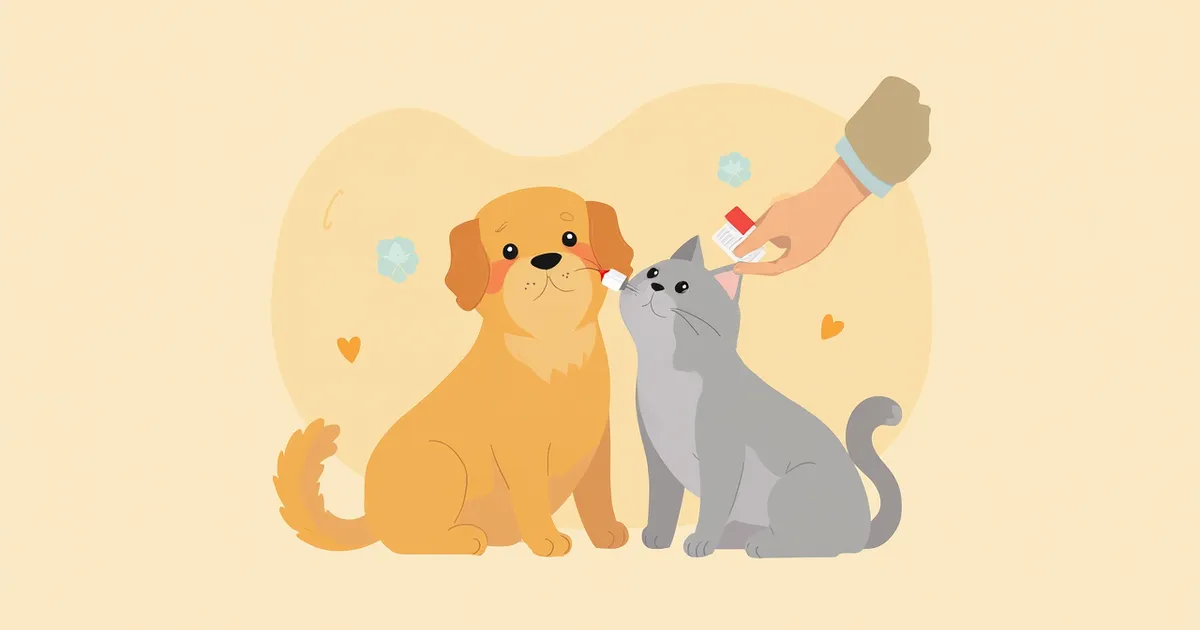
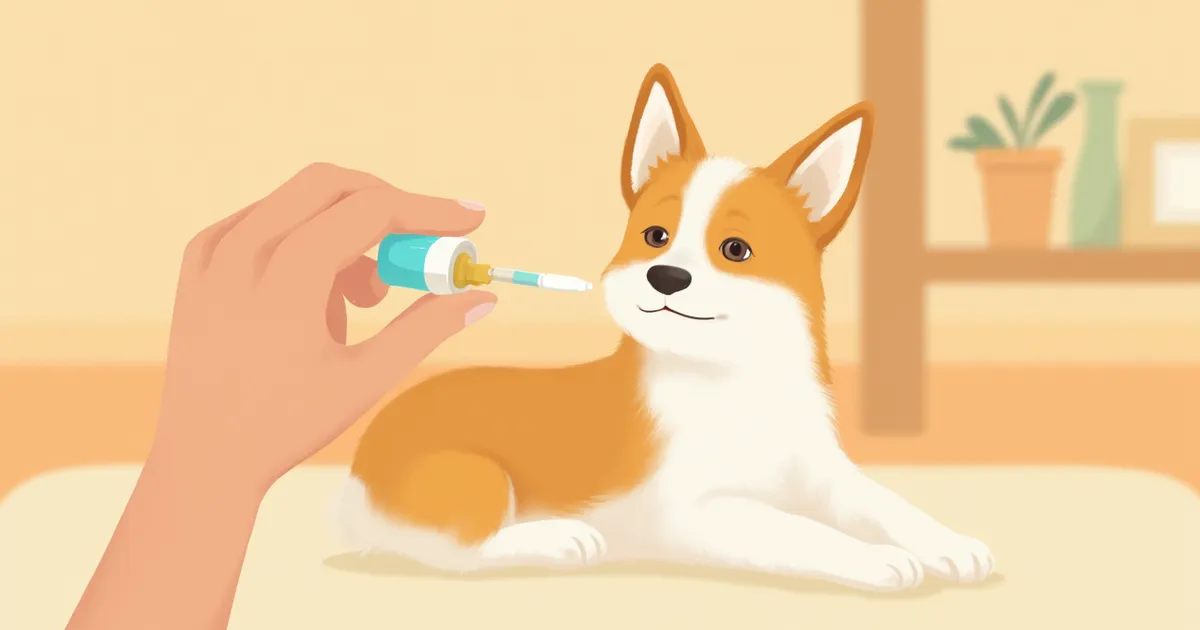
Intranasal vaccination can induce local immunity in the respiratory tract and may be especially advantageous for initial vaccination of young puppies. Immunity against Bordetella forms in about 72 hours, and protection against parainfluenza forms after about 3 weeks.

What to Watch Out for After Kennel Cough Vaccination?
For 24 to 48 hours after vaccination, your dog may experience lethargy, decreased appetite, and reduced activity levels. These are generally normal reactions. - Temporary symptoms: Most dogs recover within 1–2 days, and simple observation without special treatment is sufficient. - Warning signs: However, if your dog develops a high fever, severe coughing, difficulty breathing, or foaming at the mouth, immediate veterinary attention is required. - Infection risk: For a period after vaccination, it is safest to avoid places where your dog may come into contact with many other dogs, such as pet daycare centers or pet hotels. - Ongoing care: Continue to monitor your dog’s condition after vaccination, and consult your veterinarian if you notice any abnormal signs.
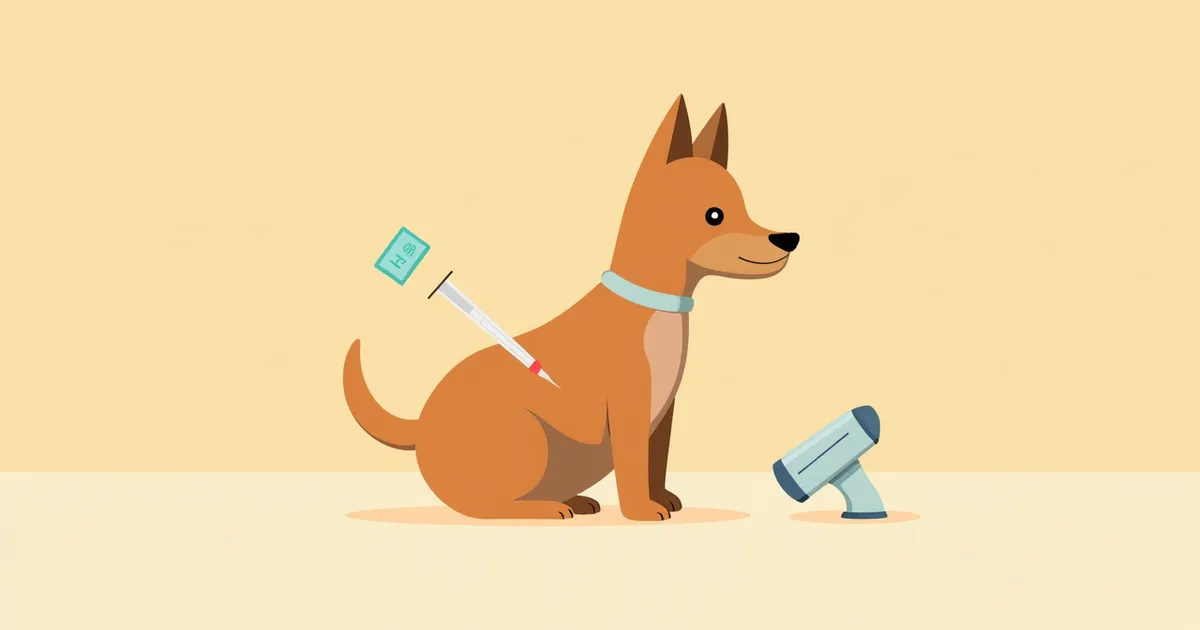
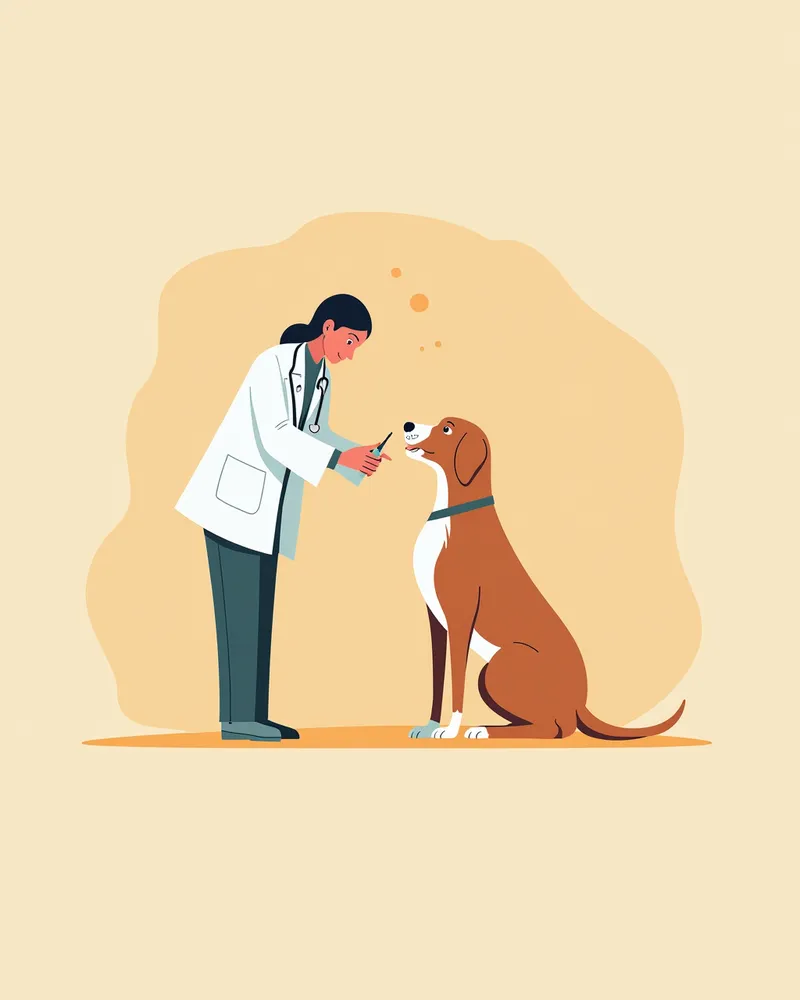
A veterinarian checking a puppy's temperature after vaccination

Symptoms Requiring Immediate Veterinary Visit

If your pet develops a high fever, severe coughing, difficulty breathing, or foaming at the mouth within 24 hours after vaccination, please visit the clinic immediately. These symptoms may indicate a serious allergic reaction or infection.

Five Frequently Asked Questions About Kennel Cough Vaccination

Kennel cough vaccinations for dogs are a frequent topic of questions among pet owners. In this section, we’ve compiled the five most common questions from actual pet owners, along with professional answers from veterinarians. - Timing of Vaccination: Vaccinations typically begin in puppyhood, with booster shots administered at regular intervals. The exact timing and number of doses should be determined in consultation with your veterinarian. - Frequency of Vaccination: The schedule for booster vaccinations against Bordetella can be adjusted based on individual circumstances. - Method of Administration: Vaccines are available in injectable and intranasal (nasal spray) forms. The choice depends on the dog’s health status, environment, and the veterinarian’s recommendation. - Duration of Protection: While vaccines reduce the severity of the disease and the shedding of pathogens, they do not completely prevent infection. The degree and duration of protection vary individually. This information helps pet owners provide safe and effective preventive care.
A scene showing a pet owner viewing the Kennel Cough vaccination FAQ on their smartphone.

Reviewed by a veterinarian

Dr. Tony — Punnawat Phongkittirak

Dr. Tony — Punnawat Phongkittirak

Veterinarian

A veterinarian who majored in veterinary medicine at Khon Kaen University, Thailand, and completed the IVSA program at North Carolina State University in the United States. Drawing on clinical experience at animal hospitals, he works in the pet healthcare field and is dedicated to building a digital care environment that connects pet parents with veterinarians.

Frequently Asked Questions

Is the kennel cough vaccine essential?
Vaccinations are recommended when your dog is exposed to environments where it may come into contact with multiple dogs, such as pet hotels, pet centers, or walking trails. This is especially important for young puppies with weaker immune systems.
When is the best time for vaccination?
For puppies, it’s common to start vaccinations at a relatively early age and administer them multiple times at regular intervals. The exact timing, number of doses, and follow-up schedule vary depending on each puppy’s individual circumstances, so it’s best to consult with your veterinarian to determine the appropriate plan.
Which is better, the injectable or the nasal form?
The intranasal form can stimulate local immunity in the respiratory tract, which may be advantageous in certain situations. Side effects are typically mild, such as sneezing or a runny nose. With intranasal vaccination, immunity against Bordetella develops in about 72 hours, while protection against parainfluenza takes approximately three weeks. The choice of formulation depends on the dog’s health status and environment, as well as the veterinarian’s professional judgment.
How long do side effects after vaccination typically last?
Generally, these symptoms resolve within 1 to 2 days. Mild fever, lethargy, and decreased appetite may occur, but if high fever or difficulty breathing persists, immediate veterinary care is necessary.
What problems can occur if vaccinations are not administered?
The risk of infection increases, and it can lead to severe respiratory diseases such as intense coughing and pneumonia. Puppies and dogs with weakened immune systems are especially vulnerable to serious complications.

Share

Related Guides

References

This information is based on veterinary literature and does not replace diagnosis or treatment. Please consult a veterinarian for specific health concerns.

Metapet Co., Ltd. | CEO: Park Sung-yong | Business Reg. No. 417-88-02562 | Seoul, South Korea | Customer Center

Kennel Cough Vaccination for Dogs: 5 Frequently Asked Questions | Meongsiljang