Like
Share
멍실장
고양이 구충(훅웜) 자주 묻는 질문 Q&A — 보호자가 꼭 알아야 할 핵심

Cat Deworming (Hookworm) FAQ — Key Information Every Pet Owner Must Know

Infection/ParasitesQ&AMeongsiljang Veterinary Advisory Board

Hookworm infections in cats are easily contracted from the environment, making early detection and proper treatment essential. Here’s a summary of key information every pet owner should know.

What Are Hookworms in Cats?
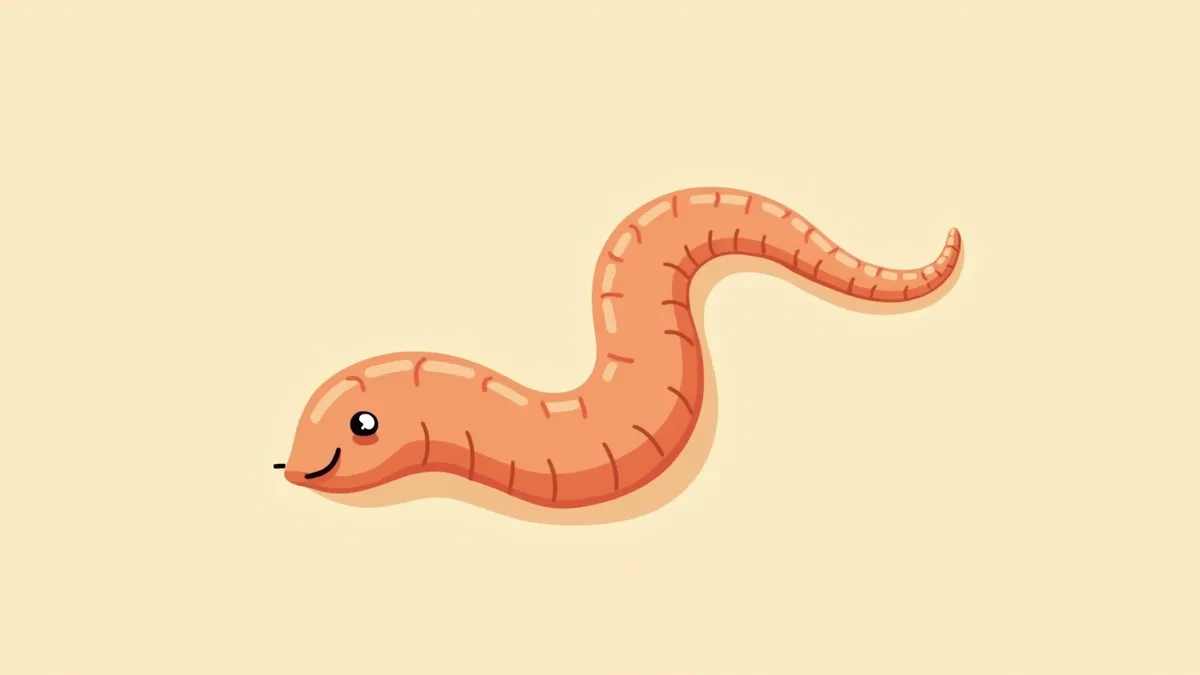
A microscopic image showing the biological structure of hookworms
Hookworms are roundworm parasites that live in a cat’s small intestine. Because they feed on blood, they can cause anemia. They pose a particular risk to kittens and cats with weakened immune systems. Infection typically occurs when larvae penetrate the skin or when cats ingest infected prey. Parasitic behavior: The worms attach to the intestinal lining and absorb blood. Prolonged infection can lead to weight loss and overall weakness. High-risk groups: Kittens, indoor cats, and cats with frequent outdoor exposure are especially vulnerable and require close attention. Importance of early detection: Symptoms may be mild, making regular deworming and veterinary check-ups essential. Prevention-focused approach: To prevent infection, combine proper environmental management with routine deworming treatments.

What Are the Main Causes of Hookworm Infection?
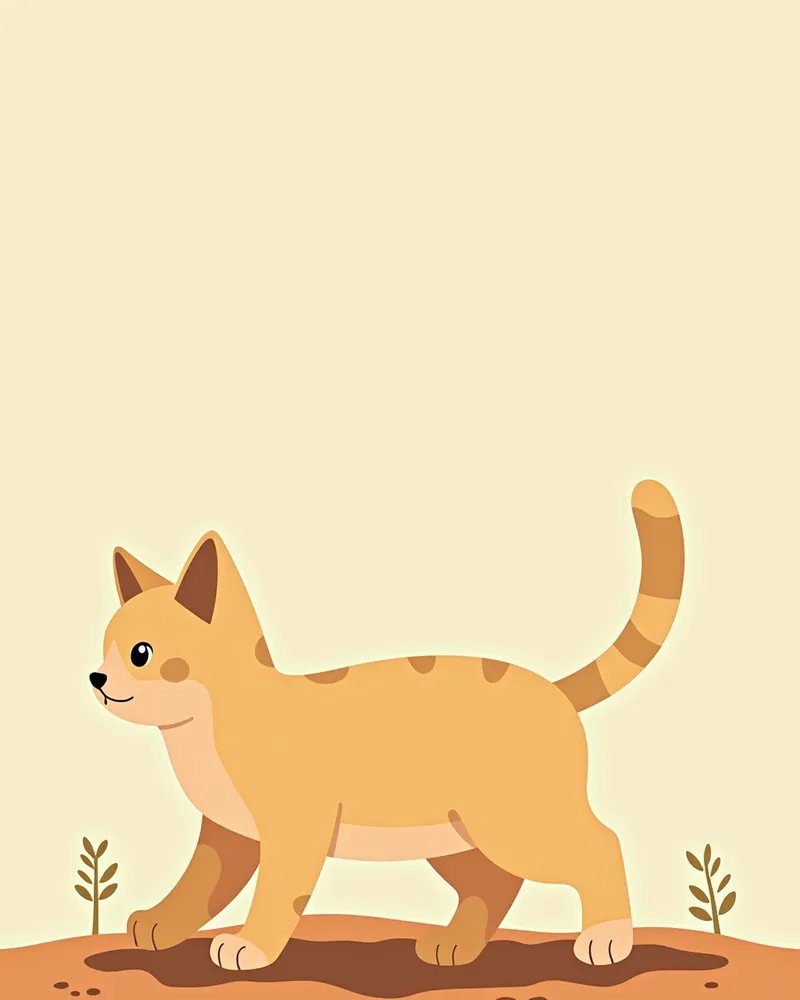
Contaminated soil: Hookworm larvae can survive in soil for extended periods and may penetrate a cat’s skin through its paws or fur.
Ingestion of infected organisms: Infection can also occur when cats consume infected animals such as mice, flies, or insects.
Maternal transmission: Mother cats can pass larvae to their kittens through their milk.
Indoor cats are at risk too: Parasites may be tracked indoors on people’s shoes or follow scents from outside, posing a threat even to indoor cats.
Environmental factors: Humid weather and contaminated environments favor larval survival, increasing the risk of infection.
Preventive measures: Wiping your cat’s paws after outdoor exposure, maintaining a clean environment, and administering regular deworming medication are essential.
Hookworm larvae actively moving in contaminated soil

What Are the Main Symptoms of Hookworm Infection?
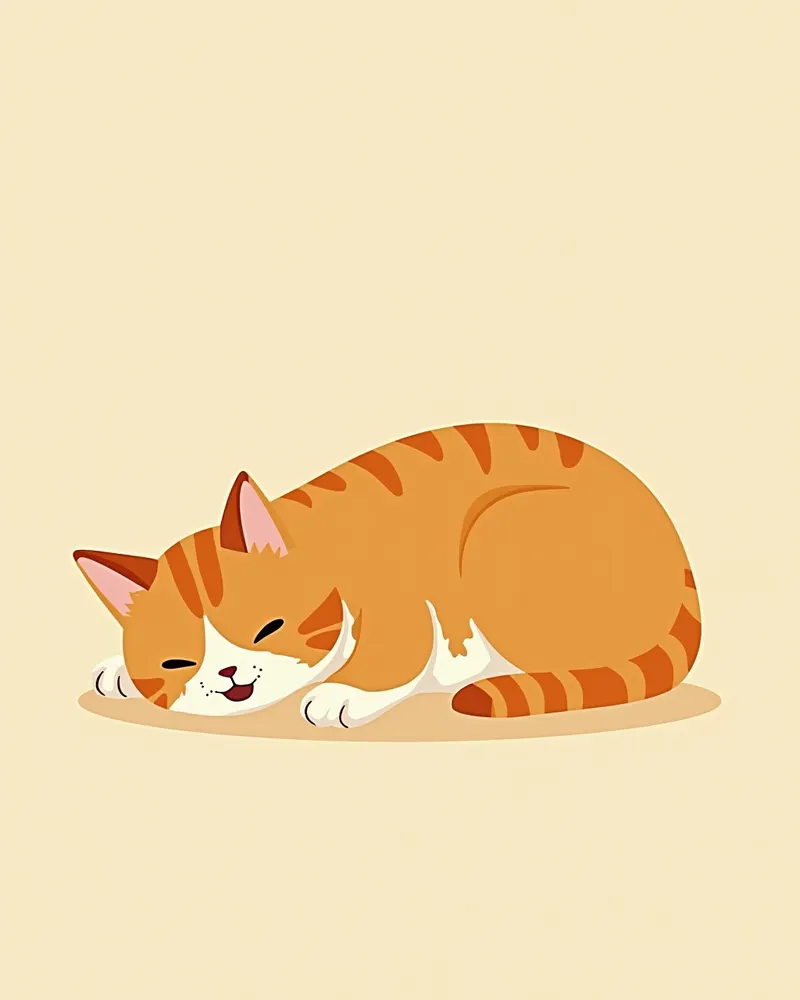
Anemia symptoms: The mucous membranes around the lips and eyes become pale, and the pet loses energy, leading to a noticeable decrease in activity levels.
Blood in stool/diarrhea: A hallmark symptom of hookworm infection is small intestinal diarrhea. The stool may contain blood or appear black and tarry.
Weight loss: Even with normal food intake, weight loss can occur, and young kittens may experience stunted growth.
Deterioration of coat condition: Due to nutritional deficiencies, the fur becomes coarse and loses its shine.
Decreased appetite/pica: As overall condition worsens, appetite may decline, or the pet may show signs of pica, such as attempting to eat unusual items.
A cat showing symptoms of anemia due to hookworm infection

Symptoms Requiring Immediate Veterinary Visit

If your cat suddenly collapses, has bluish lips, or is breathing heavily, you need to take them to the vet immediately. This could be a medical emergency caused by severe anemia or bleeding, so it's essential to get to a clinic within an hour.

How Is Hookworm Treated?

Veterinary-prescribed dewormer: We use dewormers effective against hookworms, typically administered 2–3 times at 7–10-day intervals to eliminate all life-cycle stages, including eggs and larvae.
Parasite removal mechanism: The medication acts on the parasites, causing them to detach from the intestinal lining and be expelled in the feces.
Treatment period monitoring: During treatment, closely monitor your cat’s food intake, activity level, and stool condition.
Additional treatment for anemia: If severe anemia is present, blood transfusion (whole blood or packed red blood cells) may be necessary.
Preventing reinfection: After treatment, thorough environmental cleaning and regular deworming are essential.
Post-treatment observation: Confirm parasite elimination through a fecal exam 1–2 weeks after treatment.
A veterinarian administering deworming medication to a cat

Precautions When Using Dewormers

Overdose: Exceeding the veterinarian-recommended dose can lead to neurological symptoms such as vomiting, ataxia, and tremors.
Drug Interactions: Taking this medication alongside other drugs may increase the risk of adverse effects.
Pregnant Cats: Some dewormers require caution during pregnancy, so always consult your veterinarian before use.
Reinfection: While dewormers eliminate existing parasites, reinfection is possible, making regular preventive treatment essential.
A calm and stable cat after taking deworming medication.

Comparison Table of Dewormer Types

ItemDewormer NameDuration of EffectEligible AgeKey Advantage
Fenbendazole-basedFenbendazole (Panacur)Administered for 3–5 consecutive daysWith veterinary prescriptionBroad-spectrum effect against roundworms, hookworms, whipworms, etc.
Pyrantel-basedPyrantel (Drontal, etc.)Re-administered after 7–10 daysWith veterinary prescriptionApproved for all hookworm species, high safety
Milbemycin-basedMilbemycin (Interceptor)Single oral doseWith veterinary prescriptionEffective against roundworms, hookworms, whipworms

The veterinarian selects based on weight and age. Some items are contraindicated for pregnant cats.

Warning: What You Must Check Before Using Dewormers

Using dewormers without a veterinarian’s prescription can cause serious side effects. Pets with the MDR1 (ABCB1) gene mutation, which affects drug tolerance, may be highly sensitive to certain medications such as ivermectin and moxidectin. Always consult your veterinarian and have your pet tested before administering any dewormer.

Reviewed by a veterinarian

Dr. Tony — Punnawat Phongkittirak

Dr. Tony — Punnawat Phongkittirak

Veterinarian

A veterinarian who majored in veterinary medicine at Khon Kaen University, Thailand, and completed the IVSA program at North Carolina State University in the United States. Drawing on clinical experience at animal hospitals, he works in the pet healthcare field and is dedicated to building a digital care environment that connects pet parents with veterinarians.

Frequently Asked Questions

Can hookworms be transmitted to humans?
Yes, hookworm larvae can penetrate human skin and cause cutaneous larva migrans, a condition that leads to skin inflammation. This is especially important to keep in mind when children are playing in dirt or sand.
Should indoor cats also receive deworming medication?
Yes, even indoor cats can be exposed to parasites through human shoes or soil brought in from outside. Regular deworming is essential.
Should I give my pet deworming medication every month?
Generally, it is recommended at least four times a year (approximately once every three months), and in environments with a high risk of infection, monthly administration may be advised.
How long do hookworms live?
Hookworm adults live in a cat’s small intestine, and the eggs they shed develop into free-living larvae in the environment, where they can survive in the soil. The exact survival period varies depending on the species and environmental conditions, so regular deworming and proper environmental management are essential.
Will parasites appear in my pet’s stool after giving deworming medication?
Yes, when the medication kills the parasites, they may appear in your pet’s stool. This is a good sign that the treatment is working effectively.

Share

Related Guides

References

[1] Plumb's Veterinary Drug Handbook, 9th Edition, 2022

[2] The Cat, Clinical Medicine and Management, 2nd Edition, 2019

[3] American Association of Feline Practitioners (AAFP) Feline Parasite Control Guidelines, 2020

This information is based on veterinary literature and does not replace diagnosis or treatment. Please consult a veterinarian for specific health concerns.

Metapet Co., Ltd. | CEO: Park Sung-yong | Business Reg. No. 417-88-02562 | Seoul, South Korea | Customer Center

5 Key Questions About Cat Hookworms: Expert Answers | Meongsiljang