

Dog Coat Care and Brushing FAQ — Key Information Every Pet Owner Should Know
Proper coat care is a key preventive measure for maintaining your dog’s health and hygiene. We’ve compiled answers to frequently asked questions to share the essential information every pet owner should know.
Dog Coat Care Is the Foundation of Health and Hygiene
Why Is Dog Coat Care Essential?
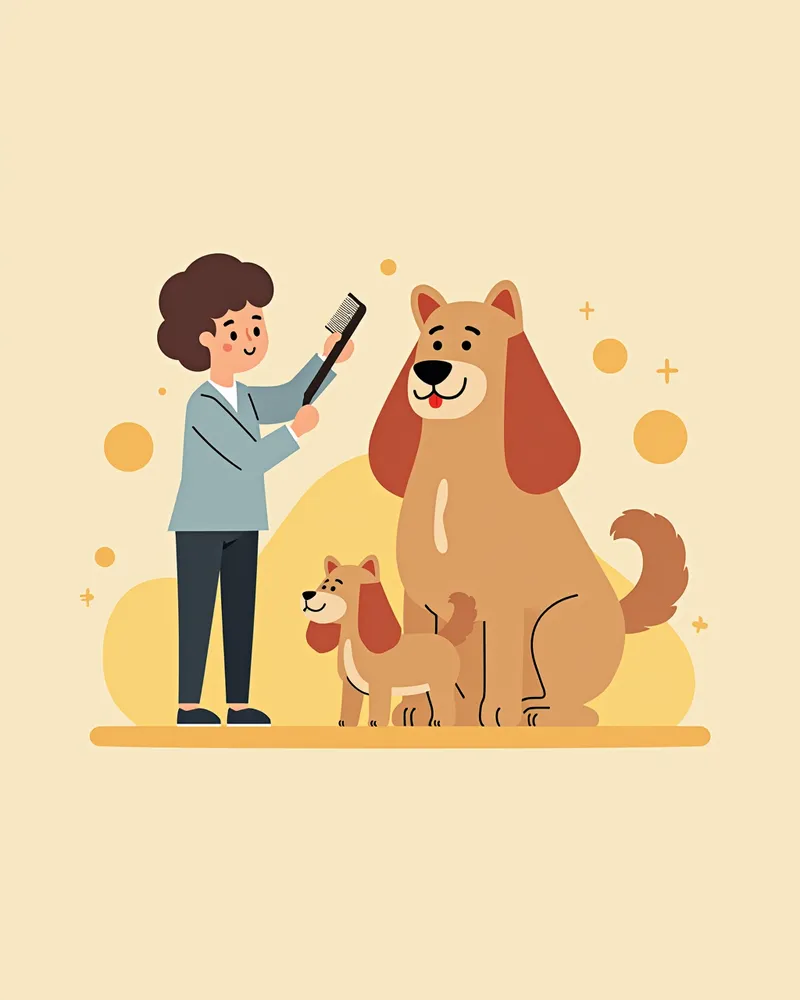
What Tools Are Needed for Dog Coat Care?
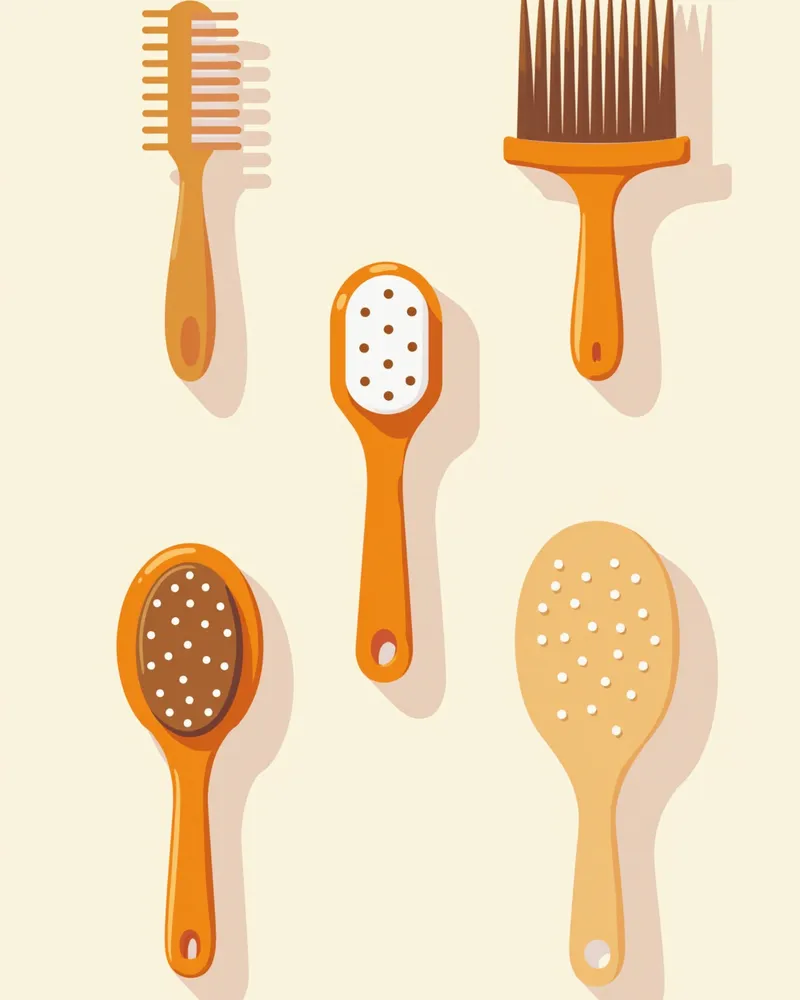
How Should You Determine the Frequency of Brushing Your Dog’s Coat?
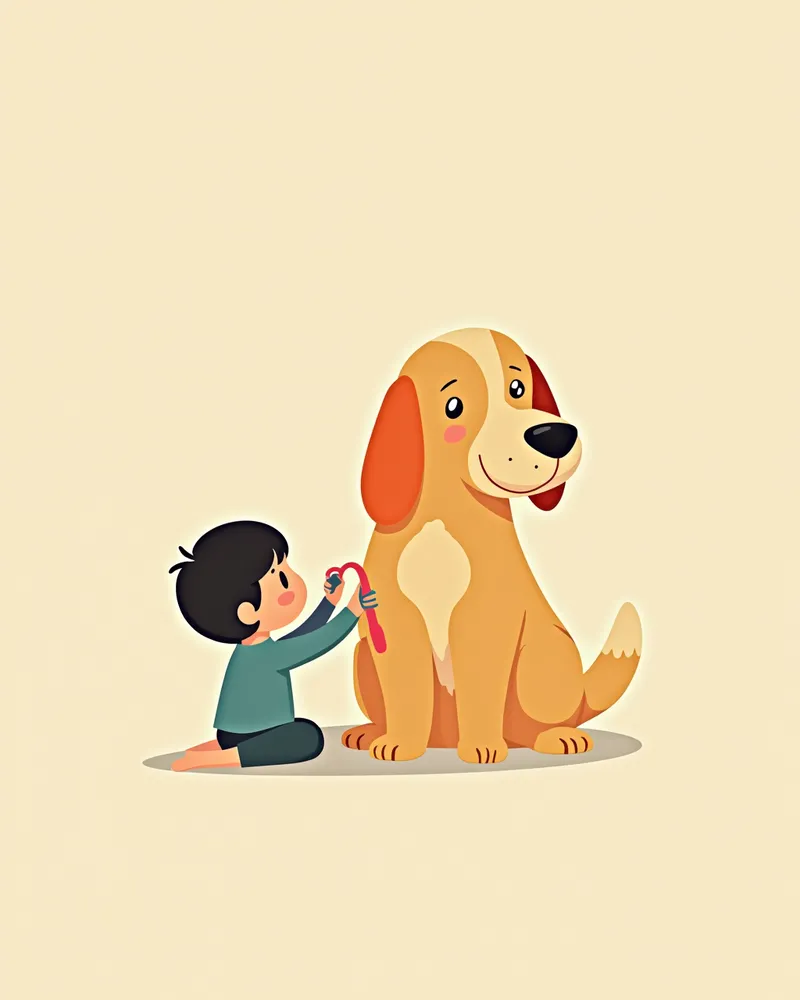
Comparison of Features of Dog Coat Care Tools
| Item | Tool Type | Suitable Coat | Main Function | Usage Tip |
|---|---|---|---|---|
| Slicker Brush | Long coat | Removes dirt trapped in the coat | Removes dirt trapped in the coat | Use gently, watch for skin irritation |
| Wide-Tooth Brush | Long coat | Gently detangles long coat | Prevents matting | Detangle gently |
| Pin Brush | All coats | Coat tidying | Prevents matting | Watch for skin irritation |
| Deshedding Tool | Thick coat | Removes undercoat | Removes thick coat | Be careful with coarse coat |
Choose tools according to your dog's coat type and condition. For sensitive skin, using a gentle tool is recommended.
What Should You Pay Attention to When Caring for Your Dog’s Coat?
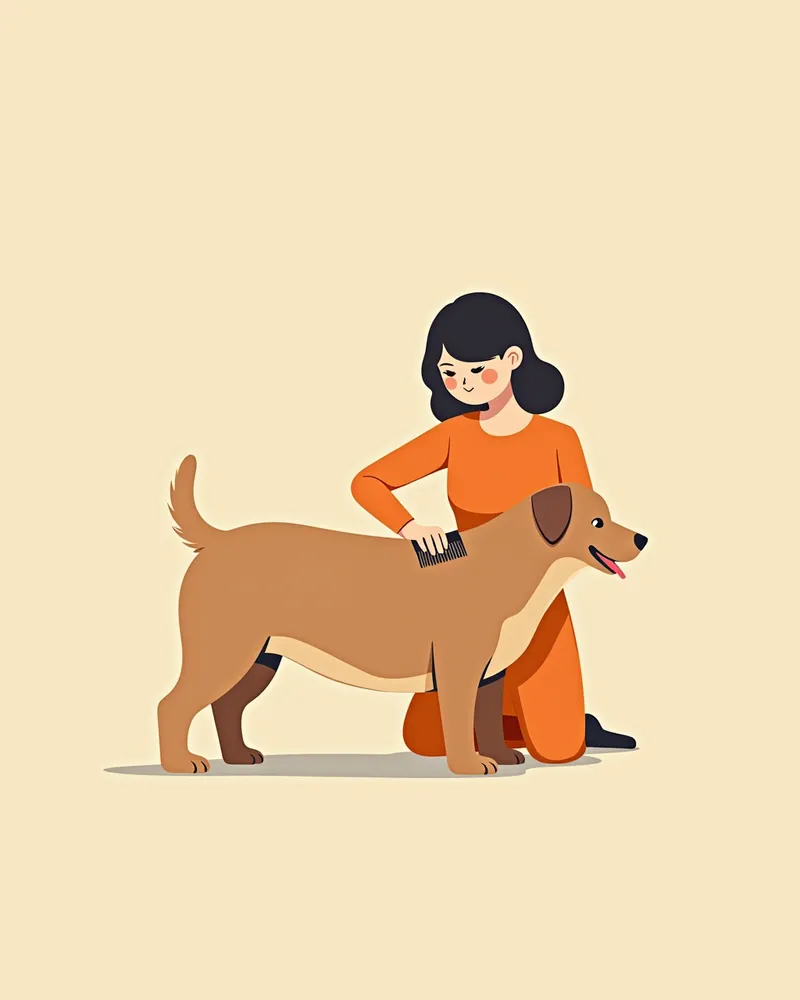
If the Skin Is Red or There Is Significant Hair Loss, Immediate Veterinary Visit Is Necessary
If your dog’s skin appears red, if they’re experiencing significant hair loss, or if they react painfully during brushing, it’s time to consult your veterinarian. These symptoms could indicate dermatitis, a parasitic infection, allergic dermatitis, or an endocrine disorder such as hypothyroidism or Cushing’s disease. Additionally, if you notice peeling skin, dandruff, scabs, pus-filled bumps (pustules), blackheads, or an unpleasant odor while brushing, a veterinary visit is necessary. Early detection and treatment are crucial, so don’t ignore any unusual signs.
Tips to Enhance the Effectiveness of Dog Coat Care

Reviewed by a veterinarian

Dr. Tony — Punnawat Phongkittirak
VeterinarianA veterinarian who majored in veterinary medicine at Khon Kaen University, Thailand, and completed the IVSA program at North Carolina State University in the United States. Drawing on clinical experience at animal hospitals, he works in the pet healthcare field and is dedicated to building a digital care environment that connects pet parents with veterinarians.
Reviewed 2026-06-29
Frequently Asked Questions
Should you brush your dog’s fur every day?
My dog hates being brushed. What should I do?
My pet is shedding heavily—would regular brushing help?
Where can I find grooming tools for my dog?
Which dog breeds require more attention to coat care?
Share
Related Guides

Top Recommendations and Selection Criteria for Cat FIV and FeLV Testing
Top Microchip Implantation Management Recommendations for Dogs and Key Selection Criteria
Complete Guide to Choosing, Comparing, and Managing the Best Heartworm Preventives for Dogs
Dog Pulmonary Arterial Hypertension FAQ — Key Information Every Pet Owner Should Know
Fluid in Your Dog’s Pericardial Sac — Is This an Emergency? A Complete Guide to Cardiac Tamponade Warning Signs
Is Pacemaker Implantation Necessary for Dogs? — Key Points Before Arrhythmia Surgery

Dog NT-proBNP & Troponin Heart Markers FAQ — Key Information Every Pet Owner Should Know
What Is Canine Endocarditis? — A Comprehensive Guide from Early Symptoms to Treatment
What is Canine Hypertrophic Cardiomyopathy? — A Disease of Thickened Heart Walls, Symptoms, and Treatment
Frequently Asked Questions on the Controversy Between Grain-Free Dog Food and DCM — Key Facts Every Pet Owner Should Know
References
[1] Richards, J. (2024). A Professional’s Guide to Feline Behaviour: Understanding, Improving and Resolving Problems. Wiley-Blackwell.
[2] The Cat, Clinical Medicine and Management, 2nd Edition. (2023). Elsevier Health Sciences.
[3] 100 Top Consultations in Small Animal General Practice. (2022). Elsevier.