Like
Share
멍실장
고양이 실내 환경 풍부화 자주 묻는 질문 Q&A — 보호자가 꼭 알아야 할 핵심

Frequently Asked Questions on Enriching Your Cat’s Indoor Environment — Key Points Every Pet Owner Should Know

Lifestyle & Age CareQ&AMeongsiljang Veterinary Advisory Board

Enriching your cat’s indoor environment is essential for reducing stress and preventing behavioral issues. We’ve compiled the key questions and answers every pet owner should know.

What is enriching your cat’s indoor environment?
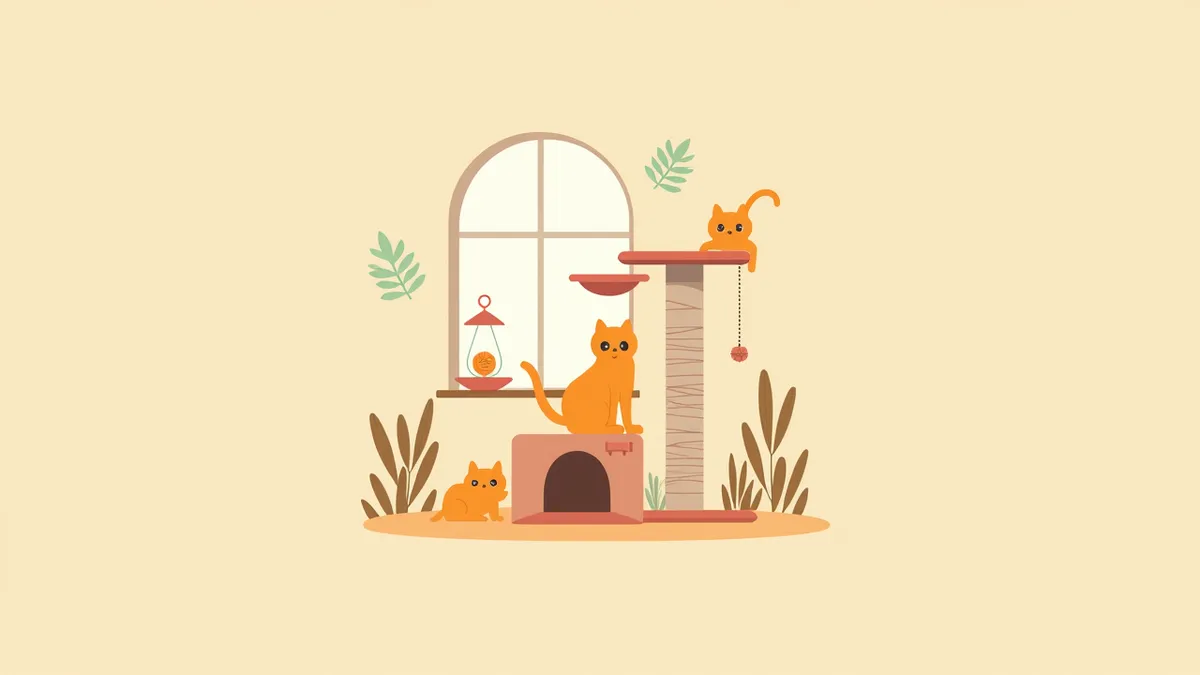
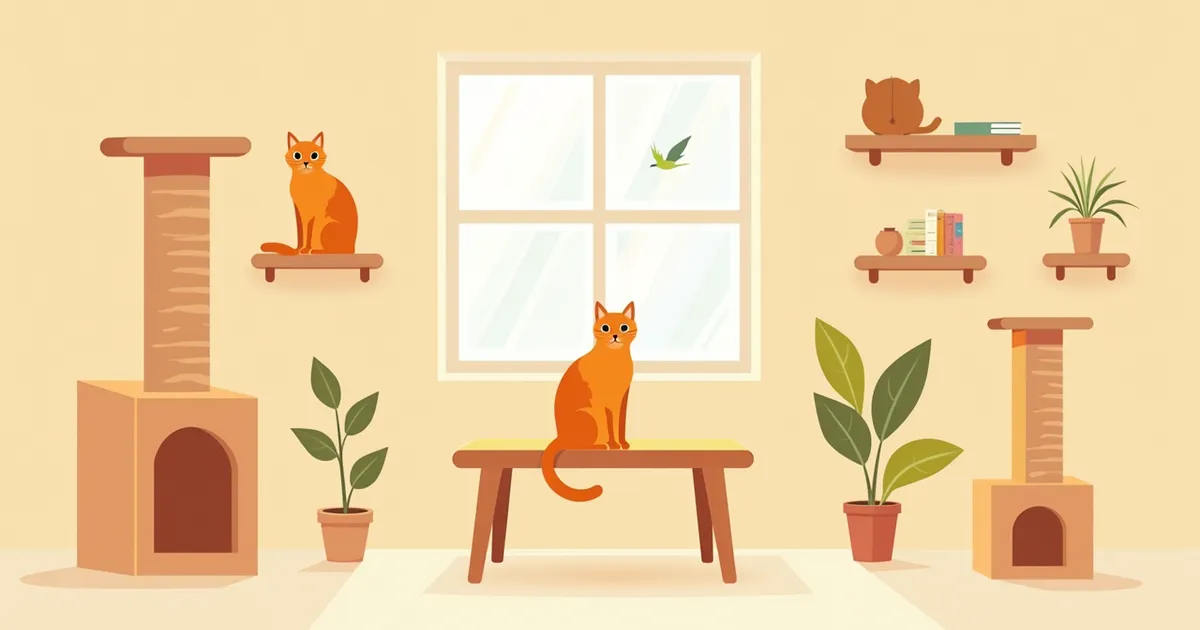
A multi-level cat tree installed near a sunny window, featuring play toys and hiding spots.
Enriching your cat’s indoor environment means thoughtfully arranging the space to encourage natural behaviors. A monotonous setting can suppress a cat’s instinctual needs and lead to stress. - Provide multi-level spaces: Set up platforms at varying heights to satisfy your cat’s instinct to observe and enhance their sense of security. - Introduce stimulating elements: Increase opportunities for exploration and play by incorporating toys, scent stimuli (such as catnip), and access to sunny windowsills. - Ensure hiding spots: Provide multiple safe retreats, such as boxes, canopies, or cabinets. When these elements work together, your cat will feel emotionally secure and thrive in a healthy, balanced life.

Why is enriching the indoor environment important?
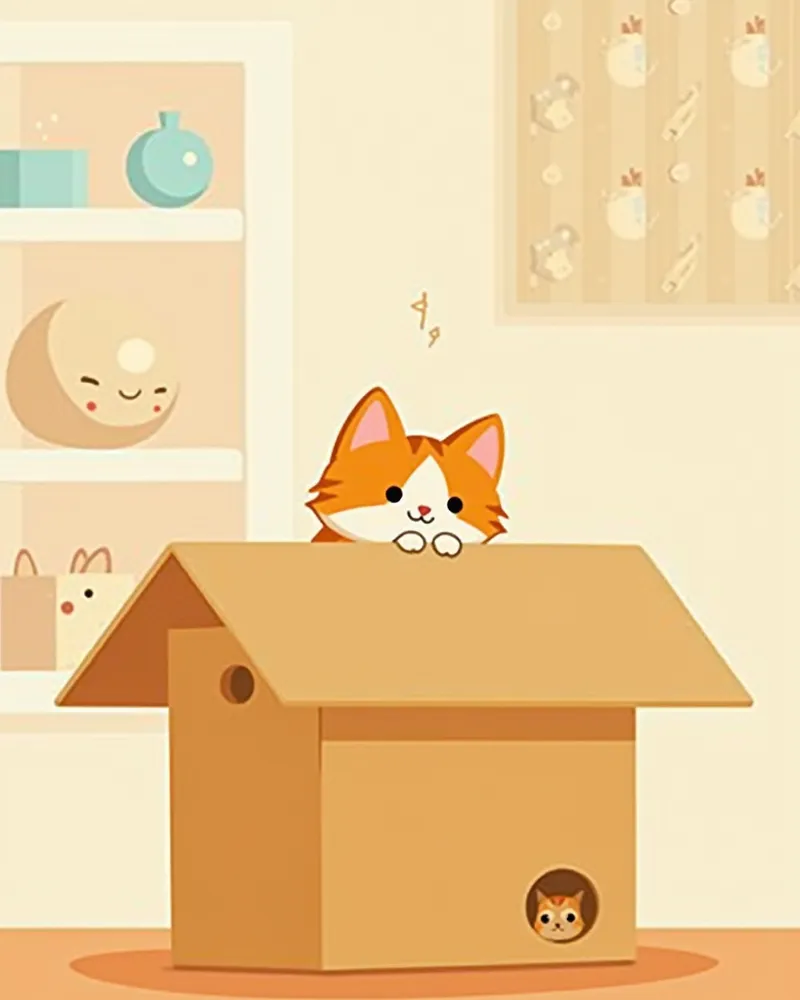
Cats have an innate drive to explore, hunt, scratch, and hide. When indoor environments are too simple or lack stimulation, these natural instincts are suppressed, leading to accumulated stress. This can result in behavioral issues such as inappropriate elimination (including urine marking), excessive grooming, and aggression. - Emotional Stability: An enriched environment reduces anxiety and provides a sense of security. - Physical Health: Increased activity helps prevent obesity, supports weight management, and promotes muscle development. - Prevention of Behavioral Issues: An environment that satisfies their instincts reduces the root causes of problematic behaviors. Therefore, environmental enrichment is a key factor in improving the overall quality of life for indoor cats.
A cat peeking out of a box from inside, with a well-organized indoor play area around it.

What are the key elements of enriching the indoor environment?
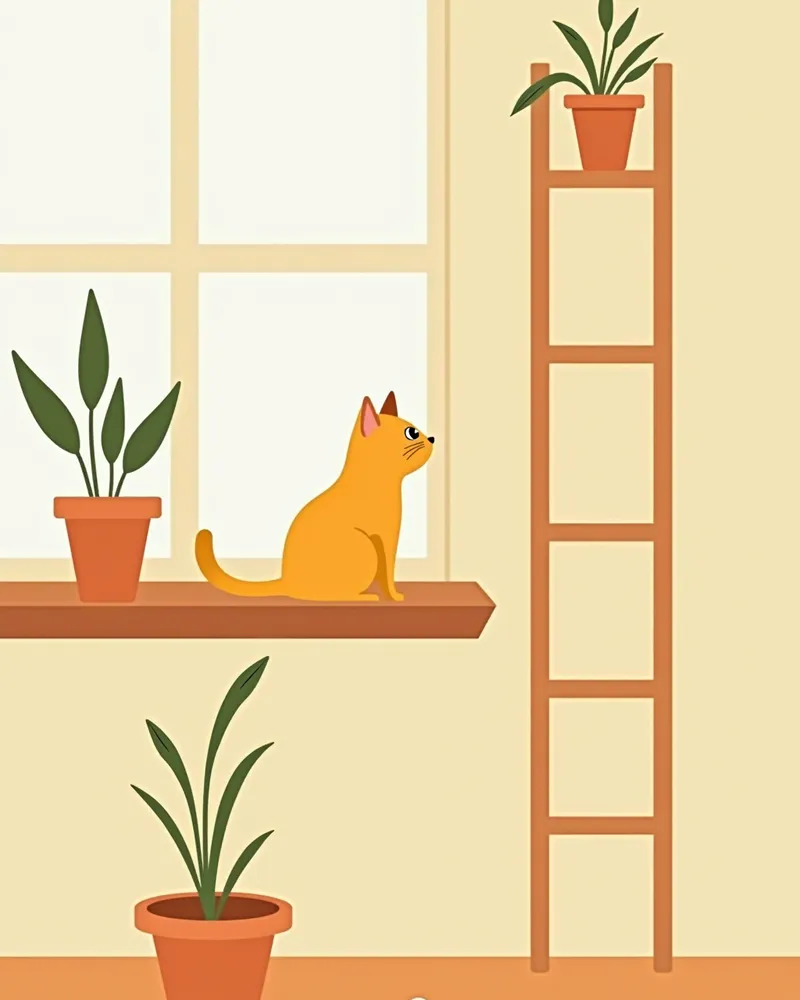
The key to enriching your indoor environment is to harmoniously combine elements that support your cat’s natural behaviors. - Create multi-level spaces: Provide platforms at varying heights. This satisfies your cat’s instinct to observe from above and enhances their sense of security. - Offer stimulating elements: Increase opportunities for exploration and play by using toys, scent stimuli (such as catnip), and access to sunny windowsills. - Provide hiding spots: Set up several safe retreats, such as boxes, canopies, or cabinets, where your cat can feel secure. - Design activity routes: Create pathways that connect walls, ceilings, and floors to satisfy your cat’s desire to explore. When these elements work together, your cat will feel more secure and enjoy a healthier life.
A cat gazing at a toy on the floor from a high shelf, with a view of the scenery outside the window and a catnip plant in the background.

How to check the effectiveness of enriching the indoor environment?
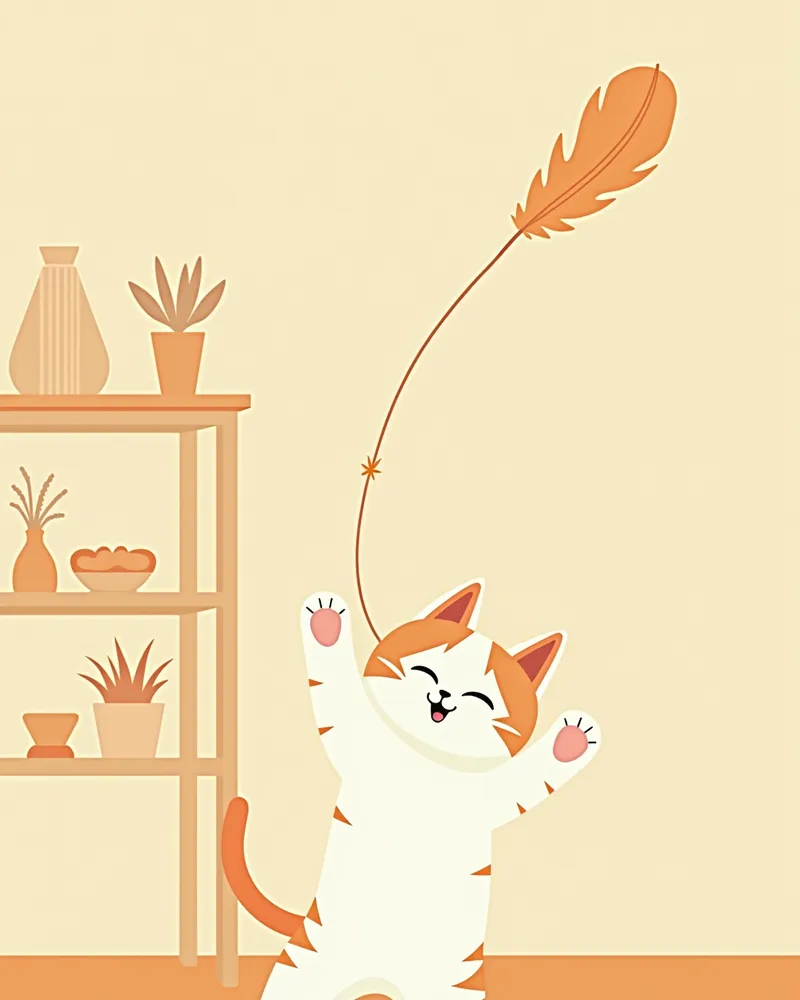
You can gauge the effectiveness of environmental enrichment by observing changes in your cat’s behavior. Positive signs include a reduction in excessive grooming, litter box issues, and aggression, alongside increased interest in play and more stable, relaxed rest periods. - Changes in activity patterns: If your cat freely explores various areas of the home and shows interest in new toys, it indicates the environment is well-suited to their needs. - Indicators of emotional stability: A cat that rests comfortably and exhibits fewer stress responses is a sign of successful environmental setup. - Need for ongoing observation: Since the environment should be adjusted based on your cat’s reactions, regular monitoring and fine-tuning are essential. Maintaining an appropriate observation period is key to confirming the effectiveness of these changes.
A cat energetically chasing and pouncing on a feather toy with a string, in an indoor setting decorated with plants and shelves.

Comparison of effects by environmental enrichment element

ItemEmotional EffectBehavioral EffectHealth Effect
Multi-level Play SpaceIncreased confidenceIncreased exploratory behaviorMuscle development
Providing Hiding SpotsReduced anxietyImproved self-regulationReduced stress
Scent Stimulation (Catnip)Provides sensory stimulationInduces exploratory behaviorPromotes natural behavior
Window PerchProvides natural stimulationIncreased observational behaviorEmotional stability

Each element may have different effects depending on the individual cat's temperament. Combining multiple elements is the most effective approach.

Caution: Mistakes to avoid when creating the environment

Simply decorating a space for aesthetic purposes while ignoring your cat's behavior is ineffective. Additionally, providing too many toys or equipment at once can overwhelm and confuse your cat. Instead, gradually introduce new elements into the environment and adjust based on your cat's reactions.

Practical tips for enriching the indoor environment
Enriching your indoor environment should be approached gradually. Start by providing basic vertical spaces and hiding spots, then gradually introduce toys, scent stimuli, and window perches. Rotating toys or changing their locations periodically helps maintain your cat’s interest over time. - Make use of natural light: Choose sunlit areas in spaces your cat frequents. This supports emotional stability and encourages activity. - Observe reactions closely: Pay close attention to changes in your cat’s behavior, and adjust any elements if they seem uncomfortable. - Regular updates: Periodically update the environment to match your cat’s growth and shifting interests. This keeps them engaged and promotes long-term well-being.
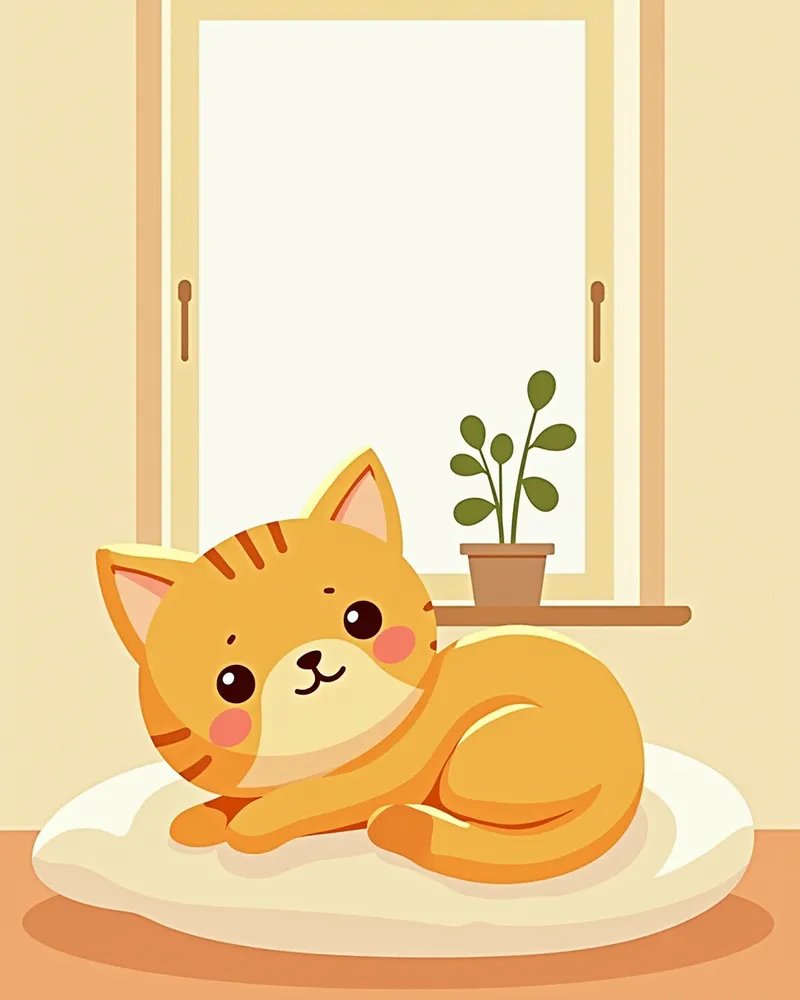
A cat sleeping peacefully by a sunny window, with a catnip plant nearby.

Key checkpoints for enriching the indoor environment
Here are key checkpoints to assess whether your indoor cat’s environment is sufficiently enriched. Regularly reviewing these items will help you maintain effective care.
Multi-level spaces: Provide platforms at varying heights.
Hiding spots: Include enclosed spaces or canopy-like coverings.
Diverse stimuli: Incorporate elements that engage scent, sound, and movement.
Natural light access: Ensure there is an area where the cat can receive natural sunlight daily.
Toy rotation schedule: Replace or reposition toys at appropriate intervals based on your cat’s level of interest and engagement.
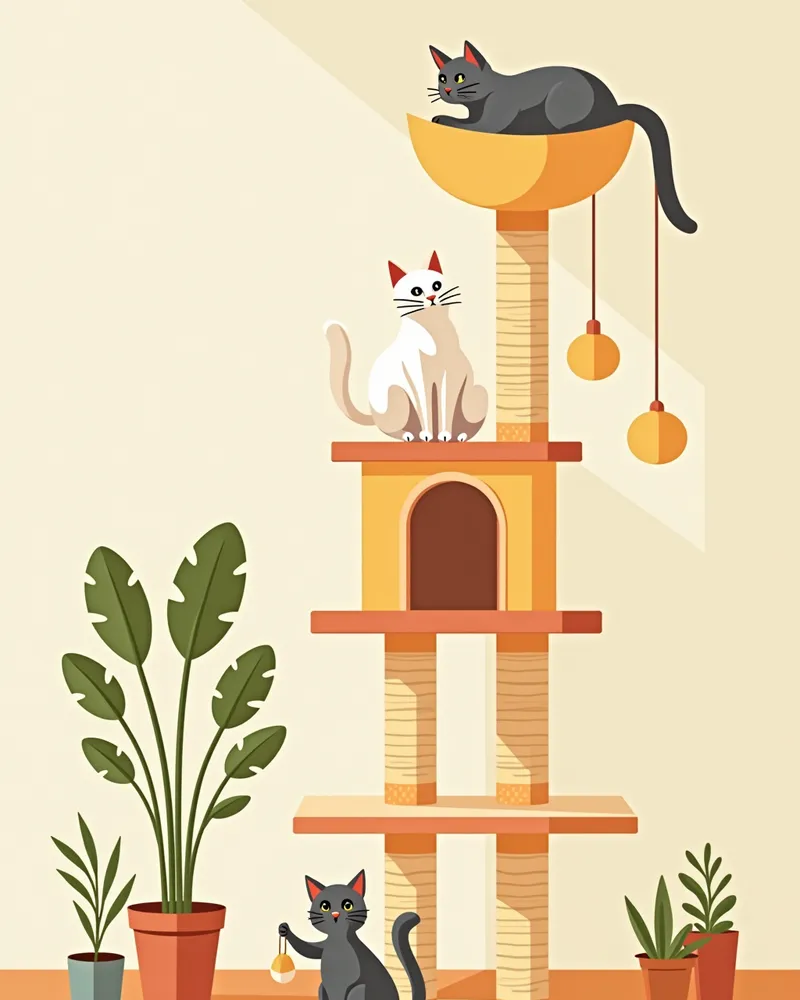
An indoor environment featuring a multi-level cat tree, a variety of toys, hiding spots, and scratching posts.

Reviewed by a veterinarian

Dr. Tony — Punnawat Phongkittirak

Dr. Tony — Punnawat Phongkittirak

Veterinarian

A veterinarian who majored in veterinary medicine at Khon Kaen University, Thailand, and completed the IVSA program at North Carolina State University in the United States. Drawing on clinical experience at animal hospitals, he works in the pet healthcare field and is dedicated to building a digital care environment that connects pet parents with veterinarians.

Frequently Asked Questions

Is enriching the indoor environment expensive?
The required budget depends on your cat’s size and environmental conditions. Basic vertical spaces and hiding spots can be created using inexpensive materials and expanded gradually over time. In the long run, this can also help reduce veterinary costs associated with behavior-related issues.
My cat isn’t making good use of its environment. What should I do?
Cats may respond differently depending on their individual personalities. Start by placing simple toys or catnip nearby, and praise your cat when it shows interest. Gradually introduce more complex environments. Avoid forcing interaction; respecting your cat’s pace is key.
Will enriching the indoor environment prevent cats from looking outside?
Not at all. In fact, providing opportunities to observe the outdoors helps reduce stress. Window perches or spots where cats can watch birds contribute to their emotional well-being and stimulate their natural hunting instincts.
What should I do if my cat is damaging the environment?
Understand your cat’s natural instincts and choose durable products. Also, strategically place toys and scratching posts to redirect their urge to chew or scratch toward appropriate outlets. Rather than forcefully stopping destructive behavior, it’s more effective to guide your cat toward suitable alternatives.
Should indoor environmental enrichment for cats vary depending on their age?
Yes, a cat’s environmental needs change with age. Kittens thrive on exploration and play, while senior cats benefit more from a calm, secure space and comfortable resting areas. It’s important to gradually adjust their environment to suit each stage of life.

Share

Related Guides

References

This information is based on veterinary literature and does not replace diagnosis or treatment. Please consult a veterinarian for specific health concerns.

Metapet Co., Ltd. | CEO: Park Sung-yong | Business Reg. No. 417-88-02562 | Seoul, South Korea | Customer Center

5 FAQs on Enriching Your Indoor Cat's Environment | Meongsiljang