Like
Share
멍실장
고양이 자가면역성 간염 자주 묻는 질문 Q&A — 보호자가 꼭 알아야 할 핵심

What Is Feline Autoimmune Hepatitis? — A Comprehensive Guide to Symptoms, Diagnosis, and Treatment

Liver HealthQ&AMeongsiljang Veterinary Advisory Board

Feline autoimmune hepatitis is a condition in which the immune system mistakenly attacks the liver, and early detection is key to successful treatment. Here’s a summary of the essential information every pet owner should know.

What Is Feline Autoimmune Hepatitis?
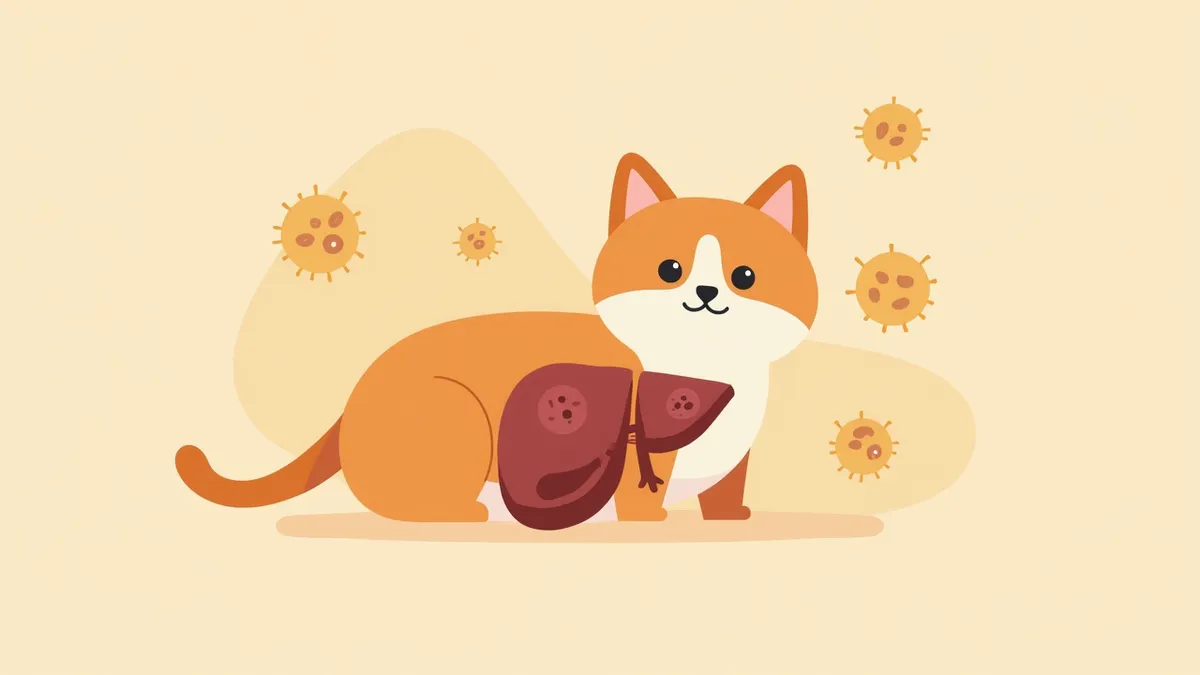
Inflammation and immune cell infiltration in the cat's liver
Feline immune-mediated (autoimmune) hepatitis is a condition believed to occur when the immune system mistakenly attacks liver tissue, causing chronic inflammation. Persistent inflammation can impair normal liver function and, in severe cases, progress to liver failure. Early symptoms are often subtle, making early detection difficult; however, cats are known to respond well to immunosuppressive therapy and generally have a better prognosis compared to dogs. - Immune system dysfunction: Immune cells appear to recognize liver tissue as foreign and attack it. - Liver damage: Repeated inflammation can damage liver cells and lead to fibrosis. - Importance of early diagnosis: Consulting with a veterinarian at the first sign of mild symptoms is crucial. - Treatability: With appropriate immunosuppressive management and monitoring, many cats can maintain a stable condition.

What Are the Main Causes of This Condition?

The exact cause remains unclear. Chronic liver inflammation is known to result from a complex interplay of various factors, including infectious, metabolic, toxic, and immune-mediated causes. - Immune system dysfunction: An immune response that fails to recognize the body’s own liver tissue as normal may be involved. - Infectious and toxic factors: Infections or exposure to toxic substances can trigger liver inflammation. - Metabolic factors: Metabolic abnormalities may also contribute to chronic liver inflammation. - Multiple contributing factors: It is often not a single cause, but rather a combination of several factors acting together. - Early management is essential: Even without a definitive cause, early detection and consistent management are key to effective treatment.
The mechanism by which the immune system attacks liver cells

What Symptoms Appear?

The symptoms of feline immune-mediated hepatitis can vary and are often vague in the early stages. Key signs include:
Jaundice: The whites of the eyes, gums, or skin may turn yellow.
Loss of appetite: Your cat may suddenly refuse food or eat significantly less than usual.
Vomiting and diarrhea: Gastrointestinal symptoms may occur alongside other signs.
Fatigue and weakness: Your cat may show reduced energy and reluctance to move.
Abdominal distension: The abdomen may swell due to an enlarged liver or the accumulation of fluid (ascites).
If these symptoms persist, immediate veterinary care is necessary.
A cat with jaundice and abdominal distension

Signs Requiring Immediate Veterinary Attention

If jaundice worsens, vomiting becomes recurrent, or consciousness becomes clouded or the animal collapses, it is an emergency. In such cases, a veterinarian must begin medication immediately. Delaying treatment can lead to severe liver damage.

How Is It Diagnosed?

Diagnosing feline immune-mediated hepatitis is challenging because no single test can confirm it on its own; instead, we rely on a comprehensive evaluation of multiple test results. - Blood tests: Liver enzyme levels (ALT, AST, ALP, GGT) may be elevated, and bilirubin levels can rise. - Comprehensive blood and urine tests: We assess your cat’s overall health and rule out other potential causes through a complete blood count (CBC), blood chemistry panel, and urinalysis. - Imaging studies: Ultrasound and other imaging techniques help identify abnormalities in the liver, bile ducts, and other organs. - Liver biopsy (histopathology): This is the most definitive way to directly confirm liver inflammation. However, due to the risks associated with the procedure, the decision to perform a biopsy is made with careful consideration. - Veterinary expertise is key: A definitive diagnosis depends on your veterinarian’s professional judgment, integrating clinical signs with laboratory and histopathological findings.
The process of a cat's blood test

What Are the Treatment Options?

Treatment focuses on modulating the immune system to reduce liver inflammation. - Use of immunosuppressants: Corticosteroids are primarily used, and when necessary, they may be combined with medications such as azathioprine, cyclosporine, or chlorambucil. - Avoid abrupt discontinuation: Suddenly reducing or stopping medication increases the risk of relapse and adverse effects, so the dosage is tapered gradually. - Long-term management: Continuous treatment may be required for several months to years. - Monitoring systemic function: Regular check-ups are essential to assess drug efficacy and monitor for side effects, such as gastrointestinal disturbances, bone marrow suppression, and hepatic impact. - Owner cooperation is crucial: Consistent owner involvement in medication administration and care is key to successful management.
Administering steroid medication to a cat

Key Home Care Points

During treatment, the following care measures are essential:
Consistent medication administration: Give medication at the same time each day to avoid missing doses or stopping treatment prematurely.
Proper dietary management: Follow the diet recommended by your veterinarian and avoid making any changes to the diet without professional guidance.
Minimizing stress: Maintain a calm environment and prevent conflicts with other animals.
Regular check-ups: Monitor liver function and response to medication through routine blood tests.
Infection prevention: Since immunosuppressive therapy can increase the risk of infection, pay close attention to hygiene and environmental cleanliness.
These care practices help enhance the effectiveness of treatment.
Creating a stable environment for managing feline autoimmune hepatitis

Comparison of Responses Based on Symptom Severity

ItemMain SymptomsResponse MeasuresNeed for Veterinary Visit
MildDecreased appetite, slight fatigueConsult veterinarian, reduce stress and monitorExamination recommended within a few days
ModerateJaundice, repeated vomiting, abdominal distensionBegin drug therapy such as immunosuppressants, regular check-upsVisit hospital within 2–3 days
SevereReduced consciousness, collapse, severe vomitingEmergency treatment, fluid and drug administrationVisit hospital immediately

If symptoms worsen or persist, consult your veterinarian immediately.

Precautions and Contraindications

Immunosuppressants can increase the risk of infection. Keep your cat indoors and away from other animals, and avoid vaccinations during treatment. Do not stop the medication abruptly while your cat is taking it.

Reviewed by a veterinarian

Dr. Tony — Punnawat Phongkittirak

Dr. Tony — Punnawat Phongkittirak

Veterinarian

A veterinarian who majored in veterinary medicine at Khon Kaen University, Thailand, and completed the IVSA program at North Carolina State University in the United States. Drawing on clinical experience at animal hospitals, he works in the pet healthcare field and is dedicated to building a digital care environment that connects pet parents with veterinarians.

Frequently Asked Questions

Is feline autoimmune hepatitis treatable?
Yes, with appropriate immunosuppressive therapy and management, many cats can maintain a stable condition. Cats generally have a better treatment response and prognosis than dogs, and treatment may continue for several months to several years.
Is this condition hereditary?
The exact cause and whether it’s hereditary remain unknown. Chronic liver inflammation can arise from various factors, including infection, toxicity, metabolic issues, and immune-mediated conditions. If you’re concerned, it’s best to consult your veterinarian.
Do I need to give the medication for a long time?
In most cases, medication may need to be continued for several months to years. The dosage should be gradually reduced, as abruptly stopping the medication can cause symptoms to worsen.
How should I feed my pet?
Dietary management is crucial for cats with liver disease, but the right diet depends on their specific condition. Rather than choosing a diet on your own, it’s safest to follow the one recommended by your veterinarian.
Can it recur?
Yes, the condition can recur due to treatment discontinuation or stress, and managing it may become more challenging upon recurrence. Regular check-ups and consistent care are essential.

Share

Related Guides

References

[1] Paltrinieri S, Crippa A, Comerio T, et al. Evaluation of inflammation and immunity in cats with spontaneous parvovirus infection: consequences of recombinant feline interferon–omega administration. Vet Immunol Immunopathol. 2007;118(1-2):68–74.

[2] Pesavento PA, MacLachlan NJ, Dillard-Telm L, et al. Pathologic, immunohistochemical, and electron microscopic findings in naturally occurring virulent systemic feline calicivirus infection in cats. Vet Pathol. 2004;41(3):257–263.

[3] Williams DA, Steiner JM. Feline pancreatic lipase immunoreactivity (fPLI): a diagnostic tool for pancreatitis in cats. J Vet Intern Med. 2005;19(5):659–664.

This information is based on veterinary literature and does not replace diagnosis or treatment. Please consult a veterinarian for specific health concerns.

Metapet Co., Ltd. | CEO: Park Sung-yong | Business Reg. No. 417-88-02562 | Seoul, South Korea | Customer Center

What Is Feline Autoimmune Hepatitis? Symptoms to Treatment | Meongsiljang