Like
Share
멍실장
강아지 양파 얼마나 먹어야 위험한가요? 체중별 위험량 가이드

How Much Onion Is Dangerous for Dogs? — Toxic Doses by Weight and Anemia Signs

Emergency/ToxicityQ&AMeongsiljang Veterinary Advisory Board

The dangerous amount of onion for dogs is 5 grams or more per kilogram of body weight. A 5kg dog can start to face the risk of anemia with just 25 grams of onion (about 1/4 of a slice). Here’s a summary of the exact dangerous amounts based on weight and the signs that indicate an immediate need to visit the vet.

How Much Onion Is Dangerous for Dogs?
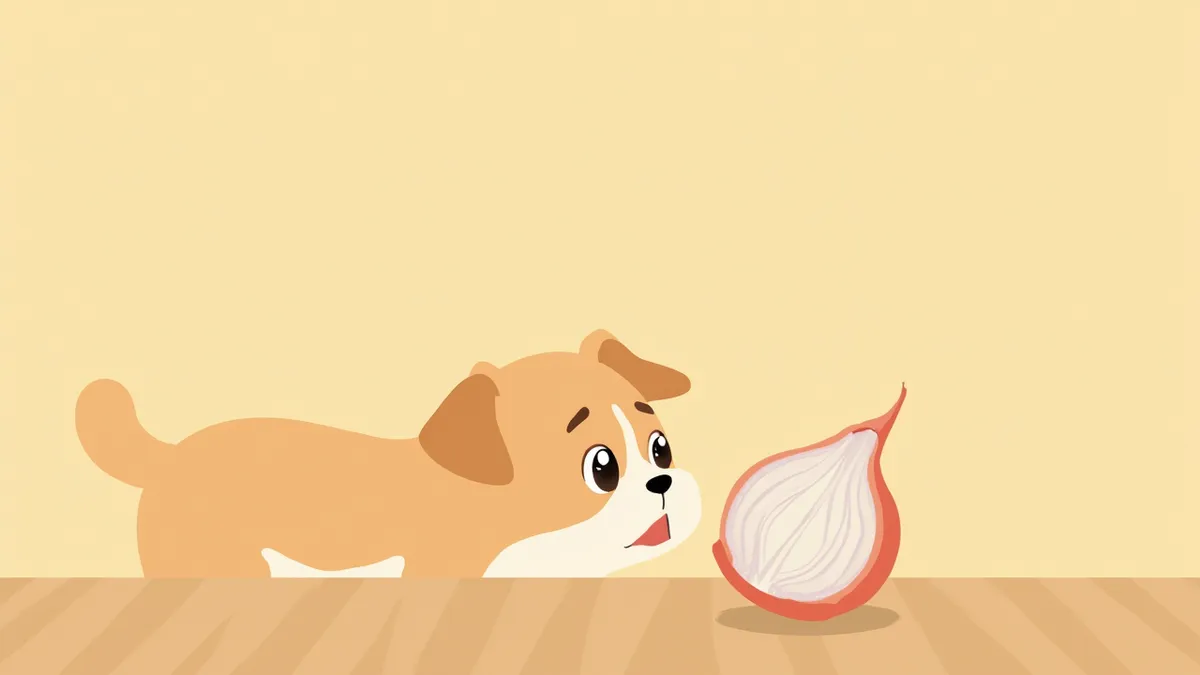
A dog gazing at the onions on the kitchen table
Onion poisoning in dogs is a dietary toxicity caused by sulfur compounds in onions (thiosulfate, n-propyl disulfide) that oxidatively damage red blood cells, leading to hemolytic anemia. Onions are toxic in any form—raw, cooked, dried, powdered, or juiced. According to veterinary textbooks, hematological changes such as anemia have been reported in dogs that consume 15–30 grams of onion per kilogram of body weight. Toxicity can occur when ingestion exceeds 0.5% of body weight (approximately 5 grams per kilogram), so caution is advised from this point onward. For example, a 5-kilogram dog should be monitored if it consumes around 25 grams of onion (0.5% of its body weight), and veterinary consultation is essential if it ingests more. However, because the exact lethal dose (LD50) for dogs and cats has not yet been established, it is difficult to definitively label a specific amount as "fatal." Cooked onions, onion powder, onion soup, jjamppong broth, and seasoned human foods are all equally dangerous and should be avoided.

Which Compounds in Onions Are Dangerous for Dogs?

Onions contain sulfur compounds called n-propyl disulfide and thiosulfate (alkenyl thiosulfate). As these compounds are metabolized in the body, they cause oxidative stress in red blood cells, damaging hemoglobin. This leads to the formation of denatured protein clumps known as Heinz bodies and eccentrocytes within the red blood cells. The damaged red blood cells become fragile and are destroyed in the spleen and other organs (hemolysis), resulting in hemolytic anemia and methemoglobinemia. In particular, n-propyl disulfide exacerbates oxidative damage by interfering with the activity of the G6PD enzyme and the regeneration of reduced glutathione in red blood cells. Therefore, even small amounts of onion can be dangerous for dogs.

Dangerous Onion Amounts by Weight at a Glance

ItemBody weight 3kgBody weight 5kgBody weight 10kgBody weight 20kgBody weight 30kg
Caution onset (0.5% of body weight·approx. 5g/kg)15g25g50g100g150g
Lower bound of reported hematologic changes in dogs (15g/kg)45g75g150g300g450g
Upper bound of reported hematologic changes in dogs (30g/kg)90g150g300g600g900g
Conversion to raw onions (~100g each)1/6 onion1/4 onion1/2 onion1 onion1.5 onions

According to textbooks, dogs have reported hematologic changes such as anemia at 15–30 g/kg, and toxicity can appear when exceeding 0.5% of body weight (about 5 g/kg). The exact lethal dose (LD50) for dogs and cats has not been published. Garlic is up to 5 times more toxic than onions, and onion powder is concentrated, making it more toxic per unit weight. Based on an average weight of 100g per onion.

Checklist of Symptoms After Ingesting Onions
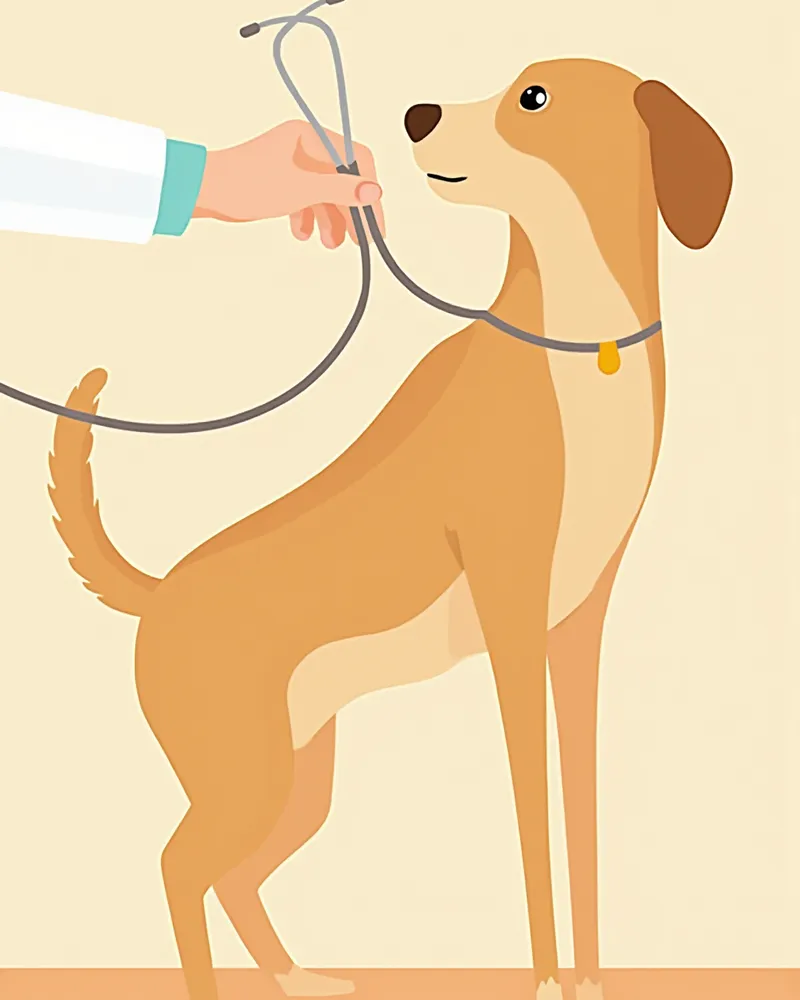
Symptoms of onion poisoning typically begin with gastrointestinal signs within a day of ingestion, followed by signs of anemia that develop gradually over the course of several days to about a week. Gastrointestinal symptoms appear first, with anemia-related signs following later. - Vomiting and diarrhea: These are usually the first signs to appear, occurring within a day (approximately 12–24 hours) after ingestion. - Pale or jaundiced gums: The normally pink gums may become pale or turn yellow (jaundice). - Lethargy and weakness: Due to impaired oxygen transport, your pet may sleep more than usual and show reduced energy. - Rapid breathing and heart rate: Breathing and heart rate may increase as the body attempts to compensate for low oxygen levels. - Changes in urine color: The breakdown of red blood cells can cause brown or red-tinged urine (hemoglobinuria).
A veterinarian checking the color of a puppy's gums.

Go to the Vet Immediately in These Situations

Seek immediate care at a 24-hour veterinary clinic if any of the following apply. Onion poisoning causes delayed toxicity, meaning anemia can worsen over time; therefore, do not be reassured even if your pet appears fine initially. - Suspected ingestion of 5 grams or more per kilogram of body weight - Pale or yellowish gums - Brown or red urine - Rapid breathing and lethargy - Breeds prone to onion toxicity, such as Japanese Akita and Shiba Inu (even small amounts are dangerous)

What to Do Immediately After Ingesting Onions?
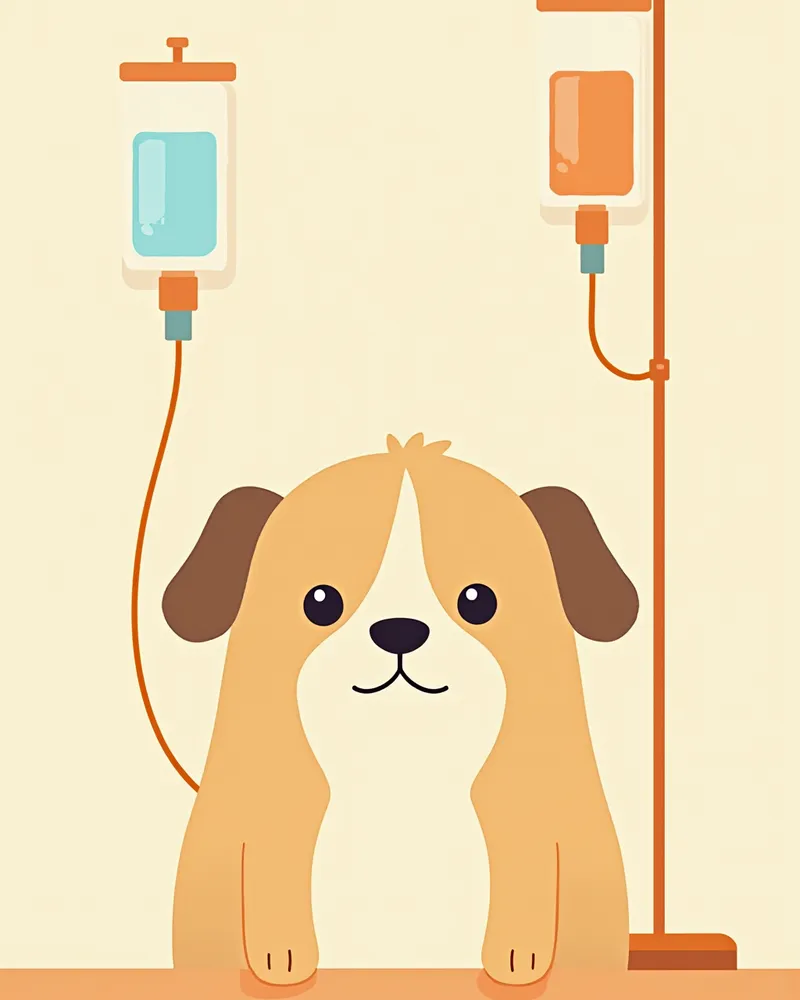
If you suspect your dog has ingested onions, call your veterinarian immediately and provide precise details about when and how much was consumed, as well as your dog’s weight. If the ingestion was recent, a vet can induce vomiting to remove the onions, followed by activated charcoal to absorb any remaining toxins. If more time has passed or anemia has developed, supportive care such as intravenous fluids will be provided, and severe cases may require a blood transfusion. The key to treatment is early decontamination and supportive care, with outcomes improving significantly the sooner treatment begins. Never attempt to induce vomiting at home using home remedies like salt water or hydrogen peroxide, as this can cause esophageal damage or aspiration pneumonia.
A puppy receiving intravenous fluid therapy at the veterinary clinic

How to Prevent Onion Poisoning

The most reliable prevention is to keep onions completely out of your dog’s reach. It’s not enough to just watch out for onions; you must avoid all plants in the Allium genus. - Raw, cooked, or dried onions: All forms are toxic, and cooking does not eliminate the toxins. - Onion powder: Because it is concentrated, it is even more dangerous per unit of weight. - Onion soup, Jjamppong, and Jajangmyeon broth: The toxic compound thiosulfate leaches into the broth. - Garlic, green onions, chives, scallions, and wild chives (dallae): All Allium plants are toxic, with garlic being up to five times more potent than onions. - Leftover human food: Seasoned dishes almost always contain onion powder. Always check the labels on pet food and treats for Allium ingredients like onions and garlic, and discontinue use if they are present.

Breeds at Higher Risk

Certain purebred dogs, such as the Japanese Akita, are known to be more susceptible to onion and garlic toxicity (caution is also advised for some Japanese and Korean native breeds, including the Shiba Inu). Even when consuming the same amount as other breeds, they may experience more severe anemia. While hematological changes are typically reported in dogs at doses of 15–30 grams per kilogram of body weight, toxicity risk exists at levels exceeding just 0.5% of body weight (approximately 5 grams per kilogram), making extra caution essential for predisposed breeds. For owners of these susceptible breeds, the safest approach is to completely eliminate any exposure to Allium plants (the onion family).

Reviewed by a veterinarian

Dr. Tony — Punnawat Phongkittirak

Dr. Tony — Punnawat Phongkittirak

Veterinarian

A veterinarian who majored in veterinary medicine at Khon Kaen University, Thailand, and completed the IVSA program at North Carolina State University in the United States. Drawing on clinical experience at animal hospitals, he works in the pet healthcare field and is dedicated to building a digital care environment that connects pet parents with veterinarians.

Frequently Asked Questions

My dog ate a slice of onion. Should I take him to the vet?
We assess the risk based on your dog’s weight and the amount of onion ingested. If the ingestion exceeds 0.5% of body weight (approximately 5 g/kg), it is considered a high-risk zone for toxicity; for example, if a 5 kg dog has eaten 25 g or more of onion (roughly one-quarter of a bulb), contact a veterinarian immediately. While hematological changes such as anemia are typically reported at doses of 15–30 g/kg, even small amounts can be dangerous for breeds prone to onion toxicity, such as Japanese Akitas, so consulting a vet is always the safest course of action. If you are unsure, call a 24-hour emergency animal hospital for advice.
Are cooked onions or onion powder also dangerous?
Yes, it’s just as dangerous. Onions are toxic in all forms—raw, cooked, dried, or powdered—and the toxicity remains even after heating. In fact, onion powder is more concentrated, making it more potent by weight, so extra caution is needed. Onion powder is also commonly found in ramen broth, jajangmyeon (black bean noodles) seasoning, and curry mixes.
How quickly do symptoms of onion poisoning appear?
Gastrointestinal symptoms such as vomiting and diarrhea typically appear within 12 to 24 hours after ingestion. However, the more dangerous signs of anemia—pale gums, lethargy, and brown urine—often manifest later, emerging over the course of several days up to one week. Even if your pet seems fine initially, do not let your guard down. If you confirm that your pet has ingested onion, it is safest to monitor them closely for at least a week and have a blood test performed around days 5 to 7.
Can I give my dog milk or salt water if it has eaten onions?
Absolutely not. Milk does not mitigate onion toxicity, and inducing vomiting with salt water or hydrogen peroxide can cause esophageal damage or aspiration pneumonia. Do not attempt any home remedies; take your pet to a veterinary clinic immediately so a veterinarian can safely administer an appropriate emetic.
Can onion poisoning be completely cured with treatment?
With early decontamination and supportive care, the prognosis is generally favorable, and most pets make a full recovery. If vomiting is induced and activated charcoal is administered promptly, the condition often does not progress to anemia. However, if the anemia is severe enough to require a blood transfusion, hospitalization for several days of monitoring may be necessary. Since the lowest point of anemia (nadir) can occur several days after ingestion, a follow-up blood test is recommended 5 to 7 days later.

Share

Related Guides

References

[1] Guitart R, Mateu C, Agullo AL, Alberola J. Heinz body anaemia in two dogs after Catalan spring onion ingestion: a case reports. Veterinarni Medicina, 2008;53(7):392-395.

[2] Lee K, Yamato O, Tajima M et al. Hematologic changes associated with the appearance of eccentrocytes after intragastric administration of garlic extract to dogs. American Journal of Veterinary Research, 2000;11:1446-1450.

[3] Blackwell's Five-Minute Veterinary Consult Clinical Companion: Small Animal Toxicology, 3rd Edition, Chapter on Allium spp.

This information is based on veterinary literature and does not replace diagnosis or treatment. Please consult a veterinarian for specific health concerns.

Metapet Co., Ltd. | CEO: Park Sung-yong | Business Reg. No. 417-88-02562 | Seoul, South Korea | Customer Center

How Much Onion Is Dangerous for Dogs? Toxic Doses by Weight | Meongsiljang