

Corrective Surgery for Brachycephalic Airway Syndrome (BOAS)
We’ve outlined the candidates for corrective surgery for Brachycephalic Obstructive Airway Syndrome (BOAS), the surgical procedure, the recovery process, and key care points that pet owners should know.
What Is Corrective Surgery for Brachycephalic Airway Syndrome?
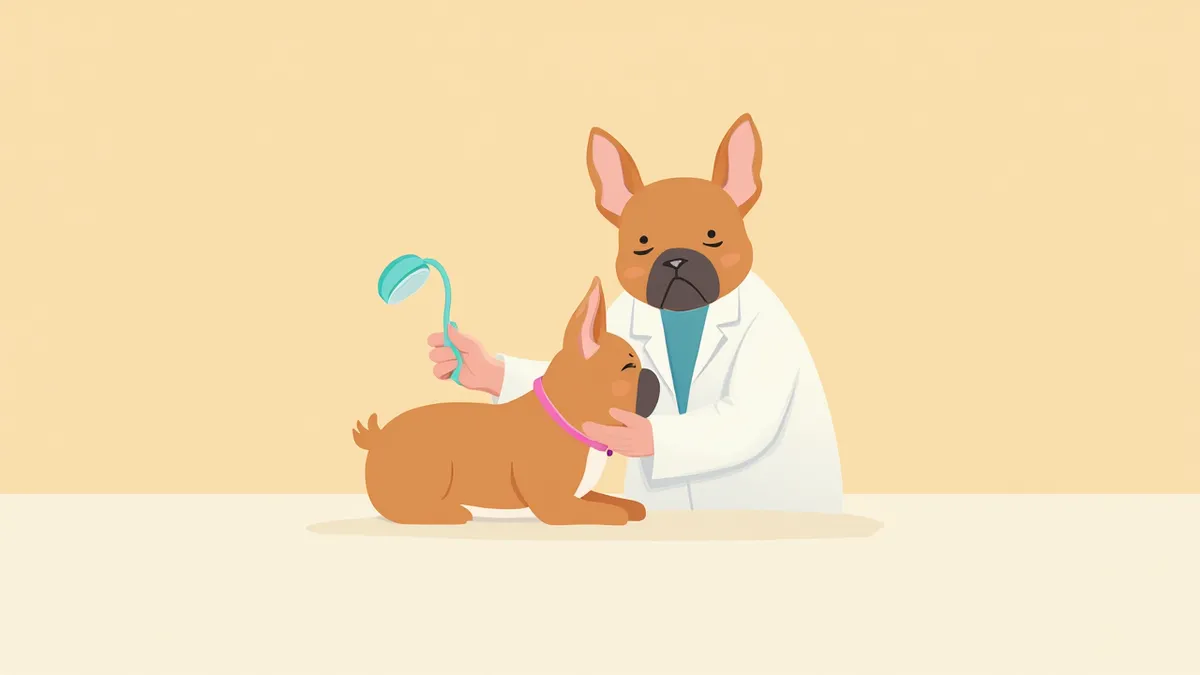
What Is Brachycephalic Obstructive Airway Syndrome?
When Should Surgery Be Considered Based on Symptoms?

Go to the Emergency Room Immediately in These Situations
If the gums turn blue (cyanosis), consciousness becomes clouded, or severe breathing difficulties persist without relief, the airway obstruction has acutely worsened. This often occurs in cars, during summer walks, or when excited. Cool the body with an ice pack and immediately transport to a 24-hour emergency animal hospital. Hold the upper body upright and do not force water.
What Tests Are Performed Before Surgery?

Comparison of Four Common Corrective Surgical Procedures
| Item | Nostril (Nares) Plasty | Soft Palate Resection | Laryngeal Saccule Removal | Laryngeal Fixation |
|---|---|---|---|---|
| Target Area | Narrow nostrils | Elongated soft palate | Everted laryngeal saccules | Collapsed larynx |
| Main Purpose | Secure the nasal airway | Secure the airway at the back of the throat | Secure the laryngeal opening | Maintain laryngeal shape |
| Difficulty | Moderate | Moderate | Moderate | High |
| Recovery Period | Relatively short | Moderate | Moderate | Relatively long |
| Typical Combination | Can be done alone | Simultaneously with nostrils | Simultaneously with soft palate | End-stage |
Most brachycephalic surgeries perform nostril plasty + soft palate resection + laryngeal saccule removal at once. Since the recovery period varies depending on the surgical extent and the patient's condition, it is best to follow the guidance of your attending hospital.
Anesthesia Is My Biggest Concern: Is It Safe?

How to Care for Your Pet at Home After Surgery
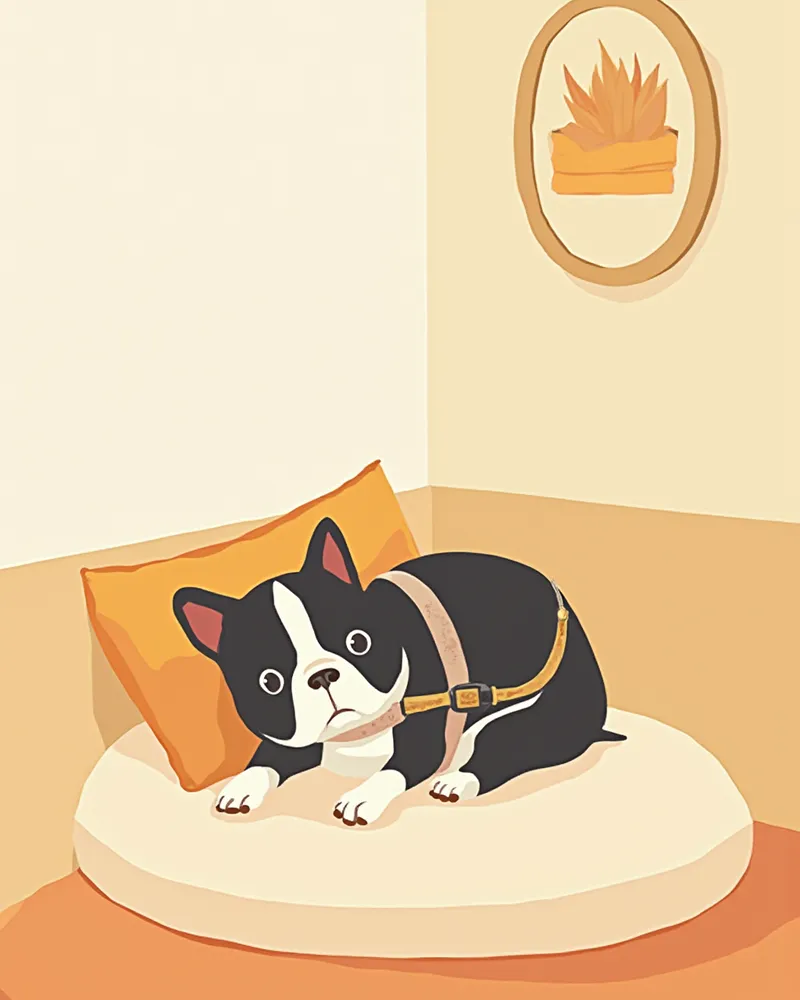
These Post-Surgical Signs Indicate a Need for a Recheck
During recovery, it’s normal to see a mild fever or occasional light cough. However, if you notice persistent bleeding from the surgical site, refusal to eat for more than 24 hours, or breathing that sounds rougher than before surgery, please bring your pet in for a recheck right away. In rare cases, swelling at the soft palate or reattachment may occur. When caught early, these issues can usually be resolved with medication or minor treatment.
Reviewed by a veterinarian

Dr. Tony — Punnawat Phongkittirak
VeterinarianA veterinarian who majored in veterinary medicine at Khon Kaen University, Thailand, and completed the IVSA program at North Carolina State University in the United States. Drawing on clinical experience at animal hospitals, he works in the pet healthcare field and is dedicated to building a digital care environment that connects pet parents with veterinarians.
Reviewed 2026-04-26
Frequently Asked Questions
At what age is it best to have the surgery performed?
How much does the surgery cost?
Does snoring alone mean surgery is absolutely necessary?
Will snoring completely disappear after surgery?
Can it recur?
Share
Related Guides

Top Recommended Feline Bronchodilators and Selection Criteria: A Complete Guide

Best Recommendations and Selection Criteria for Monitoring Your Cat’s Respiratory Rate (RR) During Sleep for Heart Care

Best Recommendations and Selection Criteria for Monitoring Your Dog’s Respiratory Rate (RR) During Sleep for Heart Care

Is Feline Anesthetic Dentistry Really Safe? — Key Safety Q&A Answered by a Veterinarian
Frequently Asked Questions About Canine Tumor Immunotherapy — Key Information for Pet Owners

What is canine tumor staging? — Do you need a CT or an MRI?

Did the Dog’s Tumor Get Completely Removed? — Why Surgical Margin Assessment Determines Recurrence

Does spaying your dog help prevent mammary tumors? — Breakdown of risk by timing

What is the grade of a dog's mast cell tumor? — How do treatment and prognosis differ?

How is lymph node metastasis in dogs evaluated? — A summary of tests and result interpretation
References
[1] Small Animal Anesthesia and Pain Management: A Color Handbook, 3rd Edition — Anesthetic considerations in brachycephalic patients
[2] Fossum TW, Small Animal Surgery, 3rd ed., Elsevier, 2007 — Preoperative and intraoperative care of the surgical patient
[3] Hosgood G, Scholl DT. Evaluation of age as a risk factor for perianesthetic morbidity and mortality in the dog. J Vet Emerg Crit Care. 1998;8(3):222-36.