Like
Share
멍실장
강아지 개 인플루엔자 자주 묻는 질문 Q&A — 보호자가 꼭 알아야 할 핵심

Canine Influenza FAQ — Key Information Every Pet Owner Must Know

RespiratoryQ&AMeongsiljang Veterinary Advisory Board

Canine influenza is a highly contagious respiratory disease, with coughing and fever being the primary symptoms. Here’s a summary of the key information every pet owner should know.

What Is Canine Influenza?

A dog coughing
Canine influenza is a contagious respiratory disease caused by the H3N8 and H3N2 viruses. It spreads rapidly between dogs, with higher incidence rates in environments where dogs are in close contact. Symptoms include coughing, fever, nasal discharge, and watery eyes, and in severe cases, it can lead to pneumonia. While early symptoms may resemble those of a common cold, prompt treatment is essential to prevent complications.

In What Situations Does Canine Influenza Spread Easily?

Canine influenza spreads rapidly in crowded environments. Places where dogs frequently gather, such as pet hotels, pet sitters' homes, veterinary clinics, dog cafes, and pet festivals, carry a high risk of outbreaks. The virus is transmitted through airborne droplets or contaminated objects like leashes, food bowls, and toys. When an infected dog coughs or sneezes, it can spread the virus to nearby dogs. Puppies and adolescent dogs, whose immune systems are weaker, are especially vulnerable, so extra caution is necessary.
A dog park where many dogs gather and play together

What Is the Difference Between Canine Influenza and a Common Cough?

Unlike common cold-related coughs, canine influenza often involves a more prolonged cough, sometimes accompanied by nasal discharge or eye discharge. The cough tends to worsen with excitement or physical activity, occurring in sudden, repetitive bursts that may end with dry heaving and the production of a small amount of frothy mucus. Systemic symptoms such as loss of appetite, lethargy, and exercise intolerance may also be present. While mild coughs typically resolve on their own, coughs associated with canine influenza can persist for several weeks, and in some cases, progress to pneumonia. If symptoms linger or worsen, it is essential to consult a veterinarian.
A lethargic dog lying on the bed.

Comparison of Canine Influenza Symptoms by Stage

ItemMildModerateSevere
Cough frequencyOccasionallyMore than 10 times dailyPersistent, recurring at night too
Fever level38.5℃ or below39℃ or above40℃ or above
Appetite statusNormalDecreasedNot eating at all
Breathing statusNormalShortness of breathDifficulty breathing, open-mouth breathing

The more severe the symptoms, the more urgently a hospital visit is needed.

What to Do First If You Suspect Canine Influenza?
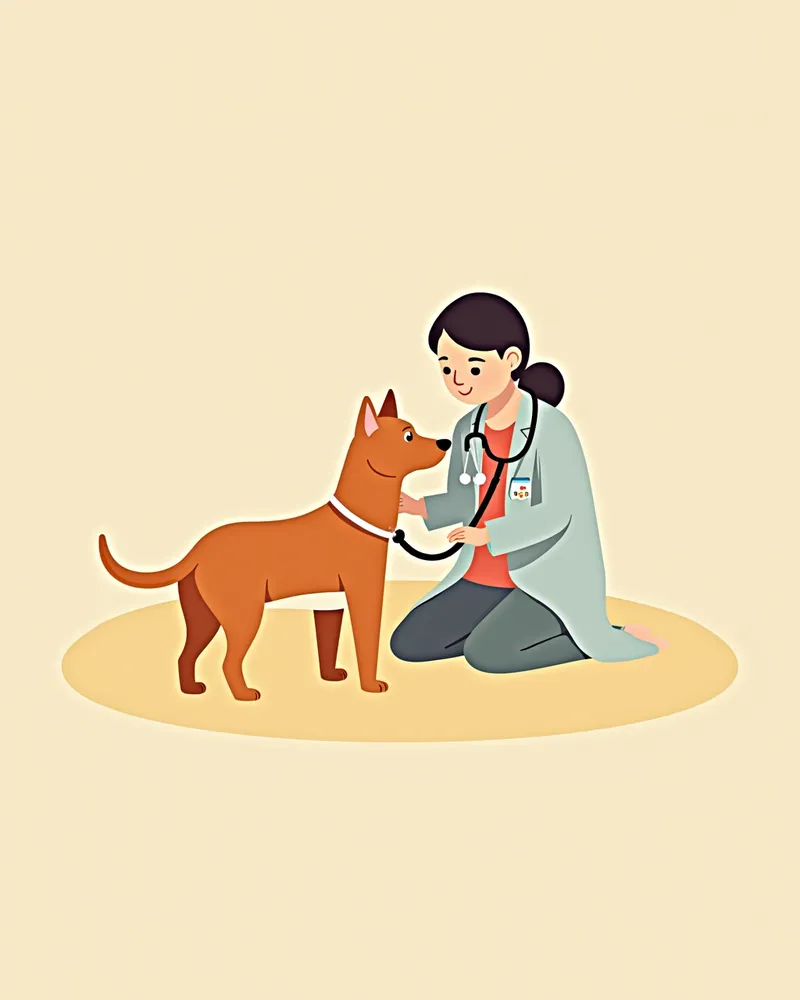
If your dog shows persistent coughing and fever, consult a veterinarian immediately. - Veterinary Visit: Early diagnosis is key to treatment. The vet will assess the type of cough, body temperature, and lung condition, and may perform a PCR test if needed to identify the exact cause. - Treatment Principles: Since there is no specific treatment for influenza itself, focus is placed on symptom relief. Antibiotics are used to prevent secondary bacterial infections. - Home Care: Maintaining a quiet environment, ensuring adequate hydration, and encouraging appetite are important. If your dog hasn't eaten for more than 24 hours or is having difficulty breathing, seek veterinary care right away.
A veterinarian examining a puppy.

Signs Requiring Immediate Veterinary Visit

If your dog shows signs of difficulty breathing, pants with its mouth open, or suddenly develops a severe cough producing frothy mucus or discharge, seek veterinary care immediately. Persistent high fever, loss of appetite for more than 24 hours, lethargy, or collapse are also dangerous warning signs. Because complications such as pneumonia can prolong treatment, early intervention by a veterinarian is crucial when these symptoms appear.

Key Methods for Preventing Canine Influenza
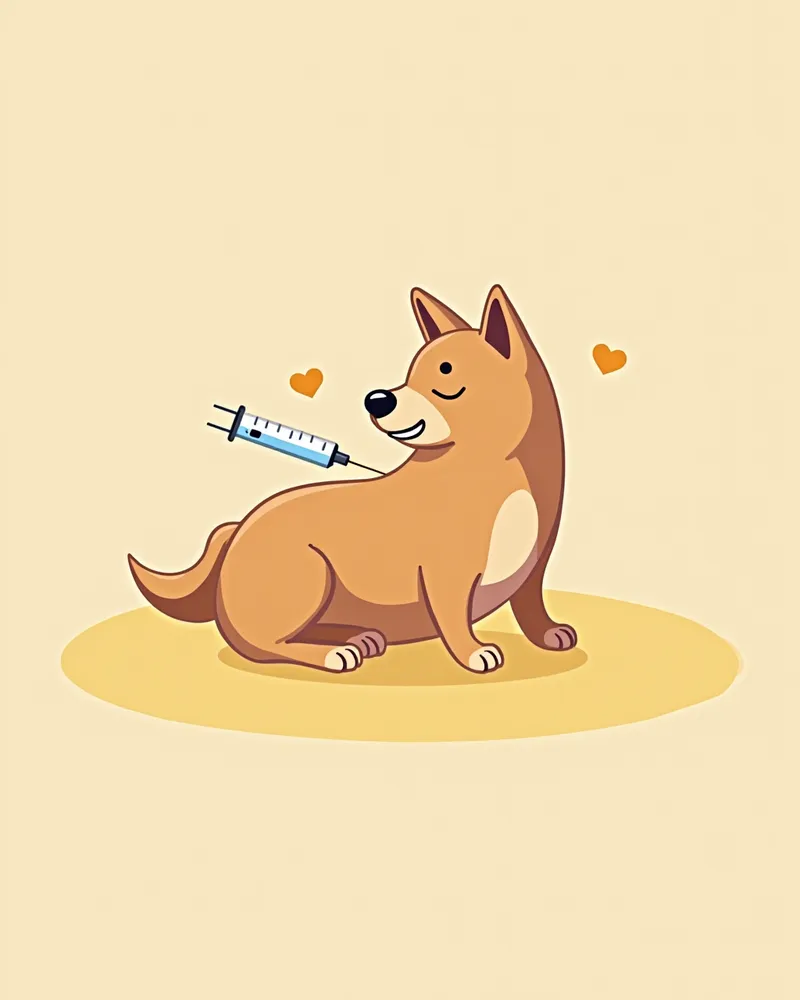
The cornerstone of preventing canine influenza is vaccination. Vaccines for the H3N8 and H3N2 strains boost your dog’s immunity, reducing the risk of infection. Annual vaccination is especially recommended for dogs that frequently visit crowded environments. It is also important to avoid contact with infected dogs and to disinfect leashes, bedding, and toys after outings. A balanced diet and regular exercise further support immune health.
A puppy receiving a vaccination

Practical Tips for Prevention

- Vaccination schedule: Begin vaccinations after 12 weeks of age, with annual booster shots required. - Isolation of infected dogs: Immediately separate any dog showing symptoms from other dogs. - Enhanced disinfection: Disinfect leashes, food bowls, and bedding using a 1:10 diluted chlorine-based disinfectant. - Air circulation: Ensure frequent indoor ventilation and maintain humidity levels between 50% and 60%. - Immune support: Boost immunity by feeding a high-protein, nutrient-rich diet.
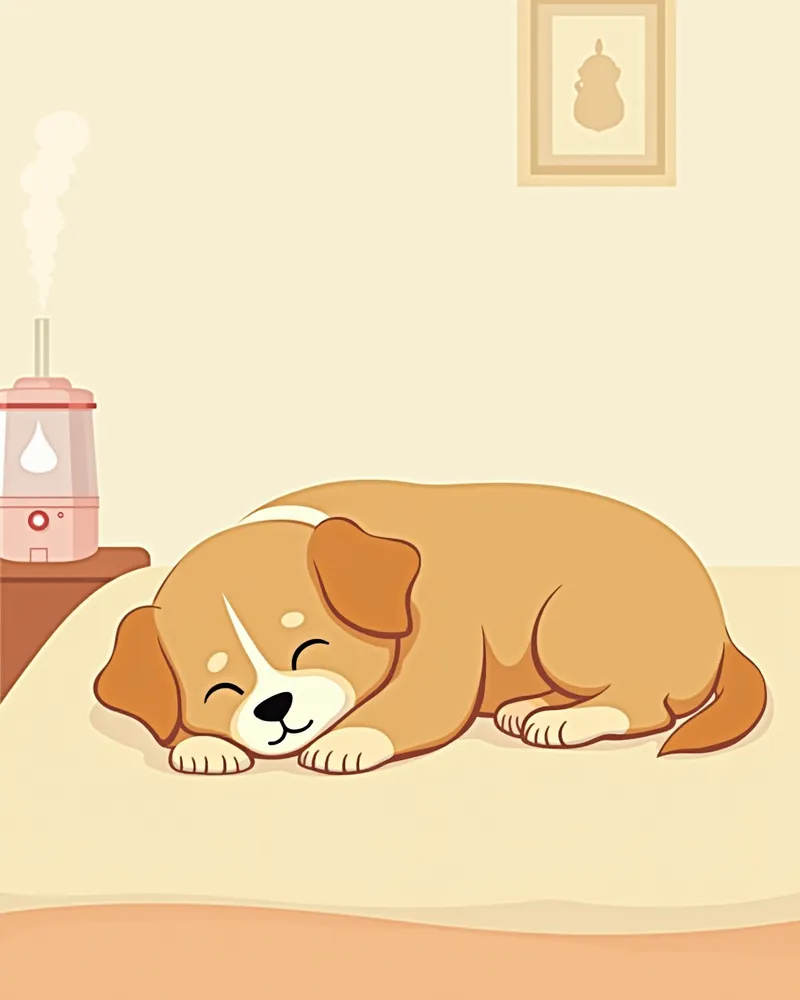
A puppy sleeping peacefully next to a humidifier.

Reviewed by a veterinarian

Dr. Tony — Punnawat Phongkittirak

Dr. Tony — Punnawat Phongkittirak

Veterinarian

A veterinarian who majored in veterinary medicine at Khon Kaen University, Thailand, and completed the IVSA program at North Carolina State University in the United States. Drawing on clinical experience at animal hospitals, he works in the pet healthcare field and is dedicated to building a digital care environment that connects pet parents with veterinarians.

Frequently Asked Questions

Can canine influenza be transmitted to humans?
No, canine influenza virus is not transmitted to humans. However, it spreads very rapidly among dogs.
Does getting vaccinated provide complete protection?
Vaccines significantly reduce the risk of infection, but they don’t provide 100% protection. However, if your pet does get sick, the symptoms are usually milder and recovery is faster.
Should I take my pet to the vet even if it’s only coughing?
If your pet’s cough persists for more than three days or is accompanied by a fever, it’s safest to have them examined by a veterinarian. Early treatment can help prevent complications.
How can I care for my pet at home?
Let your pet rest in a quiet environment, encourage frequent water intake, and if they have no appetite, offer liquid food or treats.
Is there a chance of it coming back?
Once infected, dogs develop immunity for a certain period, but because the virus can mutate, reinfection is possible. Vaccination is therefore important.

Share

Related Guides

References

[1] Nafe LA. Dogs infected with Bordetella bronchiseptica and Canine influenza virus (H3N8). Today’s Vet Pract 2014;30-36.

[2] Englar RE. Common clinical presentations in dogs and cats. Hoboken, NJ: Wiley/Blackwell; 2019.

[3] Erles K, Brownlie J. Canine respiratory coronavirus: An emerging pathogen in the canine infectious respiratory disease complex. Vet Clin North Am Small Anim Pract 2008;38(4):815-825.

This information is based on veterinary literature and does not replace diagnosis or treatment. Please consult a veterinarian for specific health concerns.

Metapet Co., Ltd. | CEO: Park Sung-yong | Business Reg. No. 417-88-02562 | Seoul, South Korea | Customer Center

Dog Influenza Q&A: Symptoms, Transmission, and Treatment | Meongsiljang