
Is Your Puppy’s Heart Murmur a Ventricular Septal Defect? — Symptoms, Diagnosis, and Management
Ventricular septal defect (VSD) in puppies is a congenital heart disease where blood flows abnormally due to a hole in the wall between the heart's ventricles. Here’s a summary of the key information every pet owner should know.
What Is Ventricular Septal Defect in Puppies?
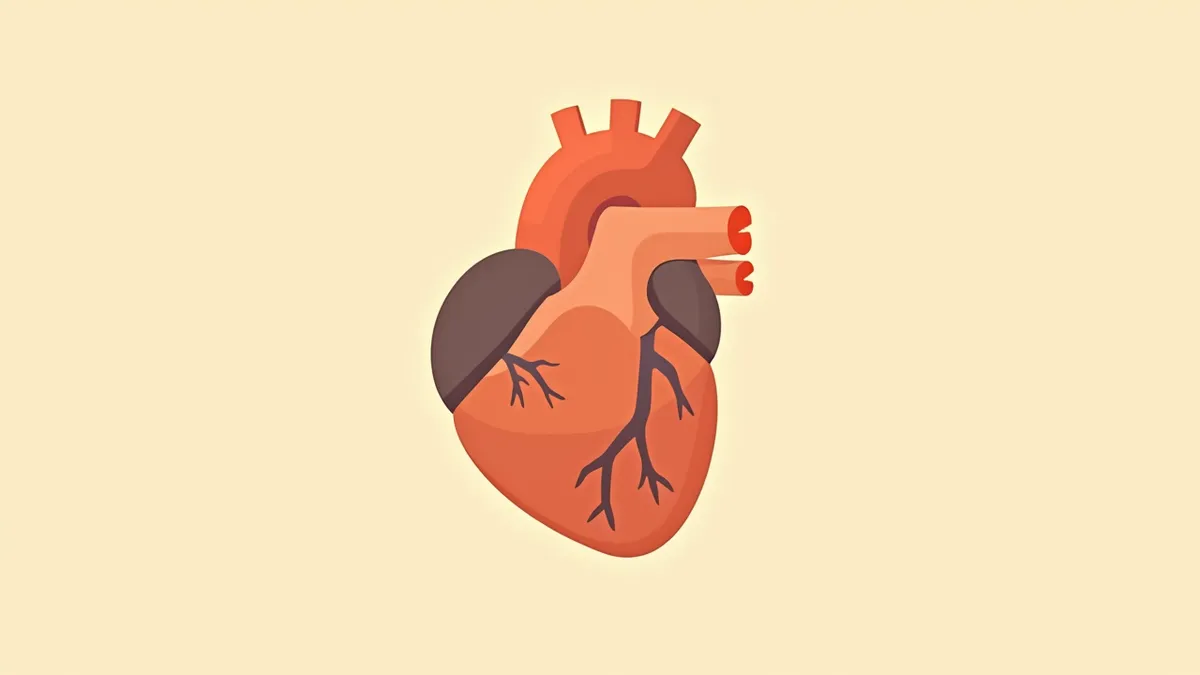
Why Does Ventricular Septal Defect Occur?

What Are the Main Symptoms of Ventricular Septal Defect?
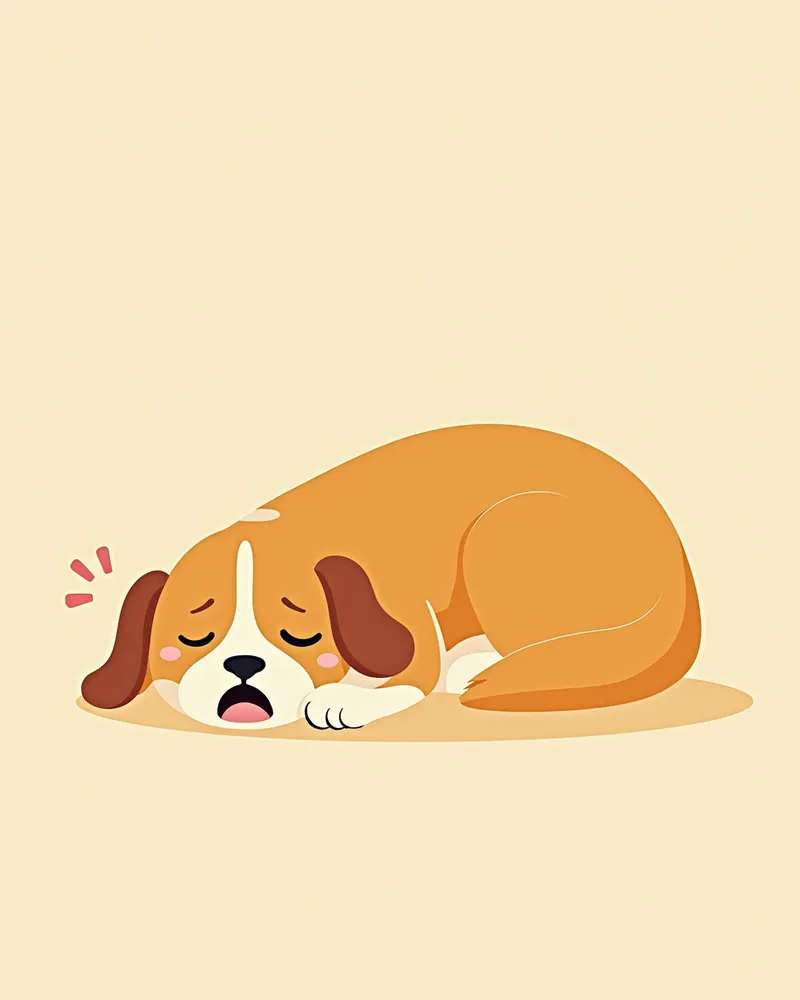
Signs Requiring Immediate Veterinary Attention
If your dog suddenly starts breathing rapidly, develops a bluish tint to its mouth, or collapses, these are signs that heart failure has progressed. This is a life-threatening emergency, so you should seek immediate care at an emergency veterinary hospital.
Symptoms and Management by Severity of Ventricular Septal Defect
| Item | Mild | Moderate | Severe |
|---|---|---|---|
| Defect size | Small, restrictive defect (much smaller than the aortic annulus) | Medium-sized defect | Large defect comparable to the aortic annulus |
| Main symptoms | Only a heart murmur is heard, no symptoms | Shortness of breath after walks, fatigue | Shortness of breath even at rest, coughing, cyanosis/syncope |
| Treatment necessity | Manageable with regular observation alone | Consider medication if signs of left heart failure appear | Consider medication and surgical correction |
Defect size is usually assessed by comparison with the aortic annulus diameter, and since there are individual differences, accurate assessment relies on the veterinarian's cardiac ultrasound diagnosis.
How Is an Accurate Diagnosis Made?
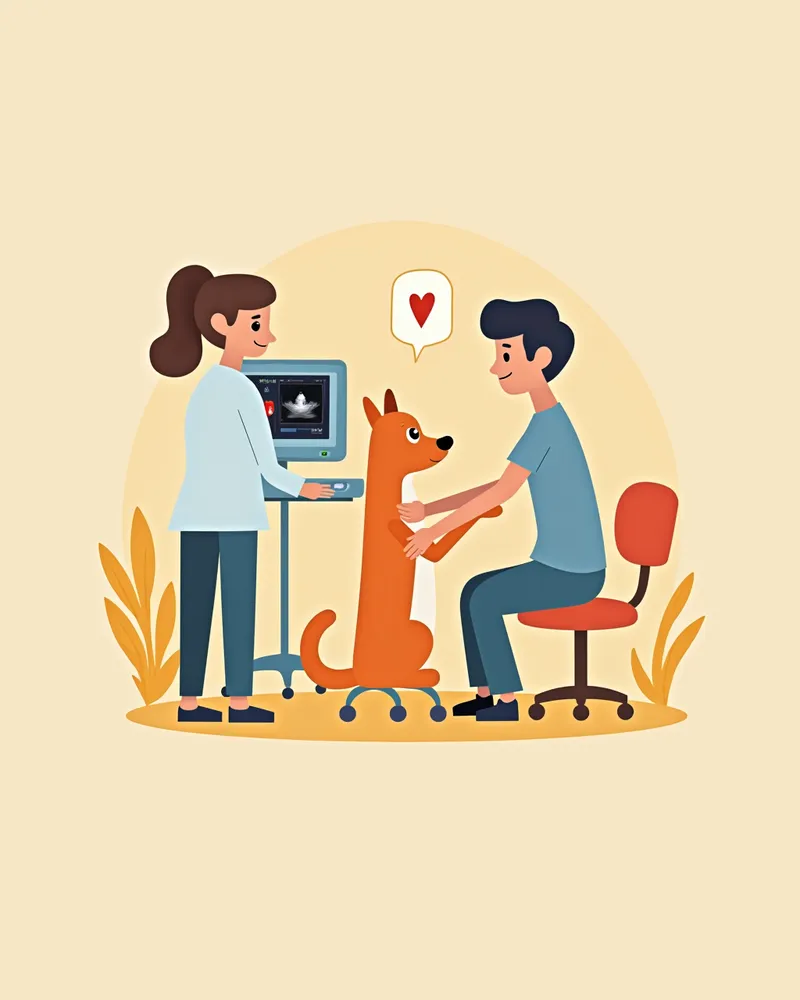
What Are the Treatment Options?

Daily Care Tips

Breeds and Situations to Watch For
Certain breeds, such as the Keeshond, have a reported genetic predisposition, and large-breed dogs are also known to be predisposed. While breed-specific incidence trends have not yet been firmly established, if a genetic predisposition is suspected, breeding decisions should be made cautiously to avoid passing the condition to offspring. Additionally, in cases of significant septal defects, the risk of cardiac strain and complications is high; therefore, consult your veterinarian in advance before administering vaccinations or performing procedures requiring anesthesia, and regularly monitor heart health.
Reviewed by a veterinarian

Dr. Tony — Punnawat Phongkittirak
VeterinarianA veterinarian who majored in veterinary medicine at Khon Kaen University, Thailand, and completed the IVSA program at North Carolina State University in the United States. Drawing on clinical experience at animal hospitals, he works in the pet healthcare field and is dedicated to building a digital care environment that connects pet parents with veterinarians.
Reviewed 2026-06-05
Frequently Asked Questions
Is ventricular septal defect hereditary?
Can small defects heal on their own?
How long does recovery take after surgery?
What are the available medication treatments?
Can dogs with a ventricular septal defect go for walks throughout their lives?
Share
Related Guides
Coenzyme Q10 Benefits and Administration Guide
7 Best Prescription Diets for Feline Heart Disease Recommended by Veterinarians — Criteria for Choosing Low-Sodium Food
Top Prescription Heart Disease Diets for Dogs: Best Picks and Selection Criteria

The Ultimate Guide to Health Care for Early Senior Cats (Ages 7–10)

Do 6-Month-Old Cats Go Through Puberty? — How to Manage Adolescent Behavioral Changes

When is the kitten socialization period? — Key points to cover between 2 and 7 weeks

The Ultimate Guide to Caring for Neonatal Kittens (0–2 Weeks)

Cat Activity Periods (Crepuscular)

How Many Hours a Day Do Cats Sleep? — A Guide to Normal Sleep Times and Patterns

A Complete Guide to a Cat’s Daily Routine and Activity Patterns
References
[1] Textbook of Cardiovascular Medicine in Dogs and Cats, 2020, Chapter 7: Congenital Heart Diseases
[2] Small Animal Critical Care Medicine, 3rd Ed, 2021, Section on Congenital Cardiac Defects
[3] American College of Veterinary Internal Medicine (ACVIM) Consensus Statement on Congenital Heart Disease in Dogs, 2019