Like
Share
멍실장
강아지 삼첨판 이형성증 자주 묻는 질문 Q&A — 보호자가 꼭 알아야 할 핵심

What is Canine Tricuspid Valve Dysplasia? — Congenital Heart Malformation, Symptoms, and When to Seek Veterinary Care

HeartQ&AMeongsiljang Veterinary Advisory Board

Canine tricuspid valve dysplasia is a congenital heart condition caused by abnormal development of the heart valve, making early detection and management crucial. Here’s a summary of key information every pet owner should know.

What is Canine Tricuspid Valve Dysplasia?
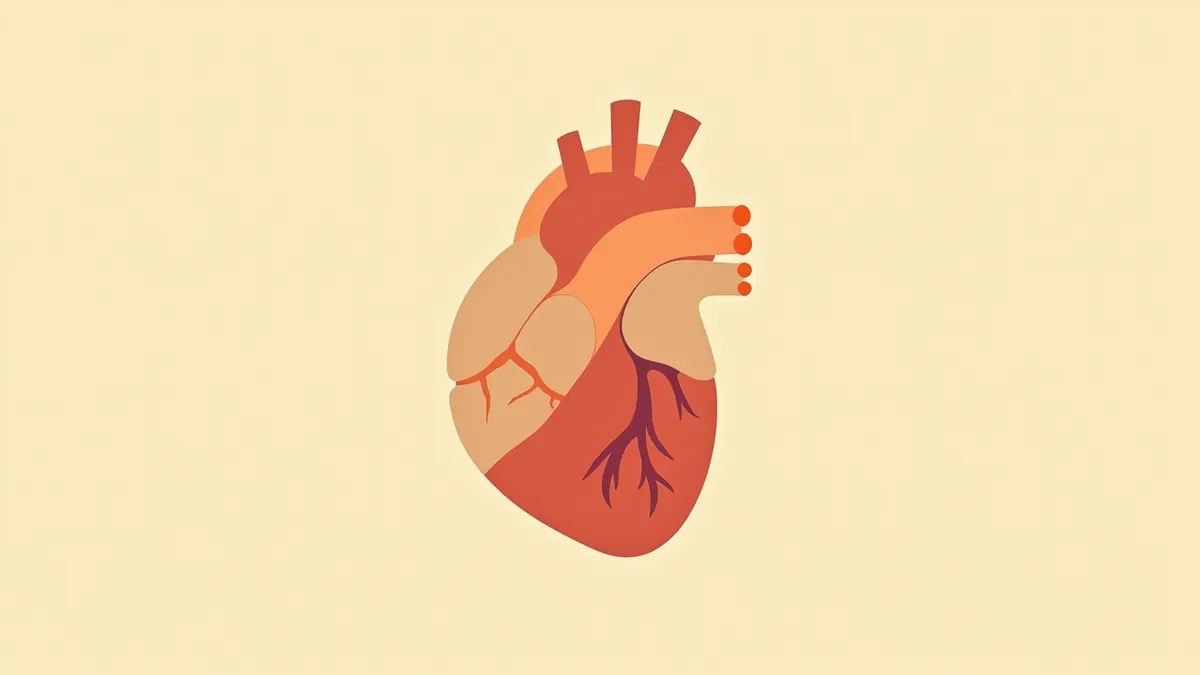
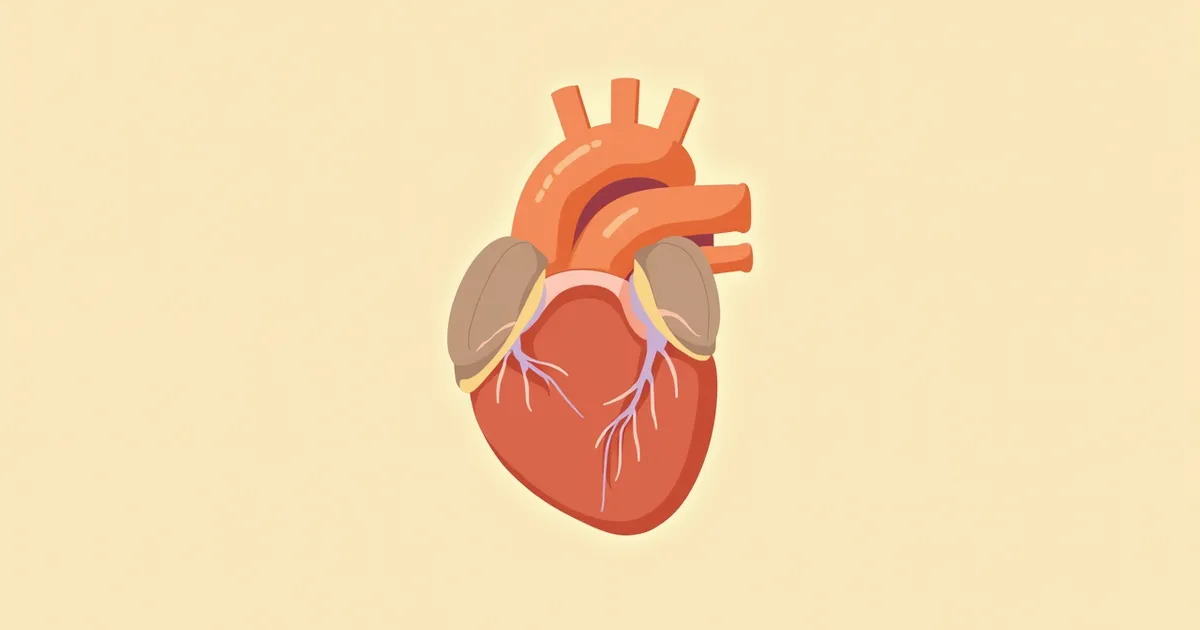
An image showing the structural abnormalities of a puppy's heart with tricuspid valve dysplasia
Tricuspid valve dysplasia in dogs is a congenital heart condition in which the tricuspid valve fails to close properly, allowing blood to leak backward into the right atrium. This causes elevated pressure in the right atrium and places a continuous strain on the heart, which can eventually lead to right-sided heart failure. The condition is more common in medium- to large-breed dogs, such as Labrador Retrievers, and is heavily influenced by genetic factors. Although early symptoms are often subtle, early detection is key to effective management. Regular health check-ups are essential for catching the condition early. While there is no cure for this disease, appropriate management can help maintain your dog’s quality of life for a long time.

What are the Main Causes of This Condition?
The primary cause of tricuspid valve dysplasia is genetic predisposition. This hereditary tendency is particularly evident in medium- and large-breed dogs such as Labrador Retrievers, Border Collies, and Dogues de Bordeaux. In Labrador Retrievers, cases have been reported to be associated with chromosome 9. While environmental factors may play a secondary role, the main cause remains congenital and genetic abnormalities. Therefore, early screening is crucial for puppies of predisposed breeds or those with a family history of the condition. Even in the absence of symptoms, regular cardiac examinations are recommended to monitor disease progression. Since early detection marks the beginning of effective treatment and management, attentive care from pet owners is essential.
A diagram explaining the genetic predisposition to tricuspid valve dysplasia

What are the Main Symptoms?

The main symptoms of tricuspid valve dysplasia in dogs are as follows:
Coughing: An enlarged heart may compress the airway, or fluid accumulation in the chest cavity (pleural effusion) can trigger coughing.
Fatigue: Your dog may tire easily after exercise or show a sudden decrease in activity levels.
Abdominal distension: Right-sided heart failure can cause the liver to enlarge and fluid to accumulate in the abdomen (ascites), leading to a swollen belly.
Difficulty breathing: Your dog may appear short of breath or breathe rapidly.
Abnormal heart rhythm: The heartbeat may become irregular or rapid, such as in atrial fibrillation.
If you notice any of these symptoms, please consult your veterinarian immediately.
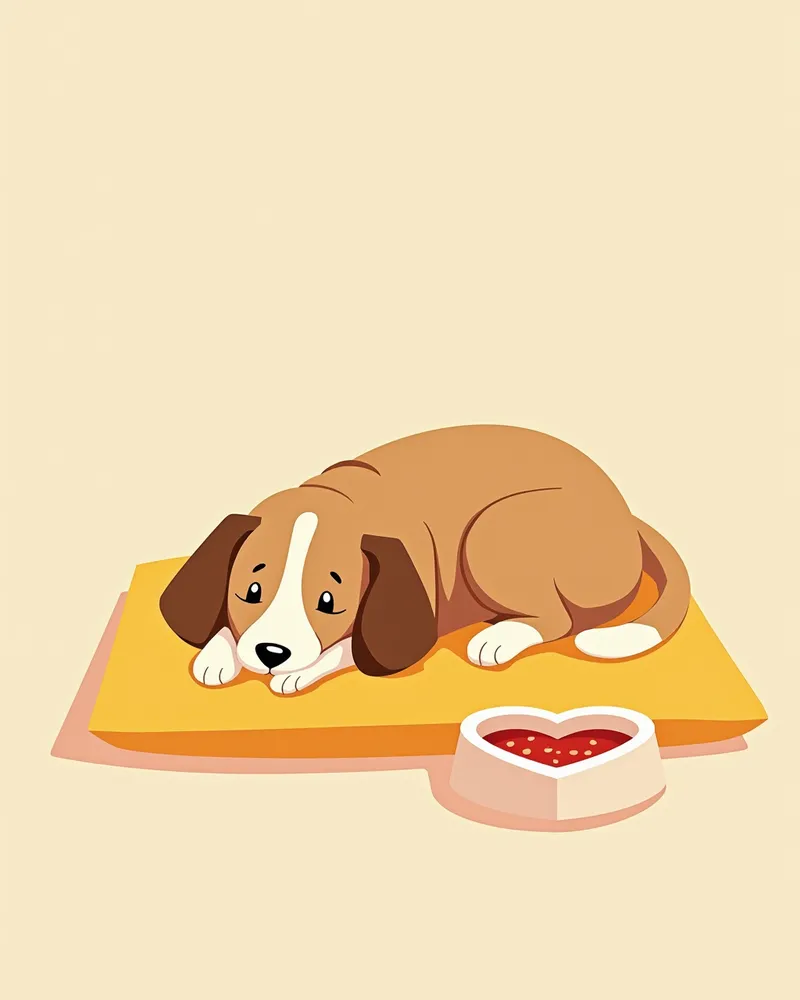
Image of a puppy showing abdominal distension and difficulty breathing due to tricuspid valve dysplasia

Signs Requiring Immediate Veterinary Visit

If your dog suddenly starts coughing or having trouble breathing, take them to the vet immediately. This could be a sign of a rapid decline in heart function. Additionally, if your dog suddenly collapses or becomes disoriented, it’s an emergency—contact your veterinarian right away.

How is it Diagnosed?
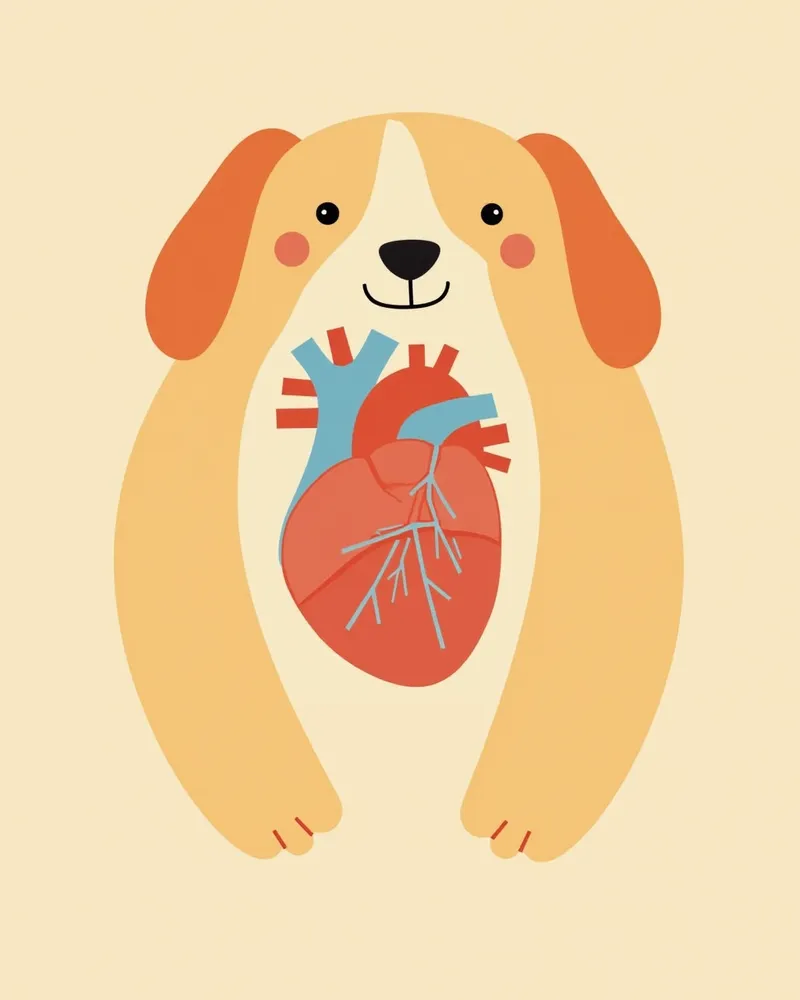
Tricuspid valve dysplasia is accurately diagnosed through an echocardiogram (heart ultrasound), which allows real-time observation of the heart's structure and function. Electrocardiograms and chest X-rays are also performed to assess heart size and electrical activity. Regular health check-ups enable early detection. Since early-stage cases may be asymptomatic, it is essential to seek a professional veterinary examination if you suspect the condition. Once diagnosed, the severity of the disease can be evaluated, and an appropriate treatment plan can be established. Early diagnosis plays a critical role in maintaining your pet’s quality of life.
Echocardiogram images for diagnosing tricuspid valve dysplasia

What are the Treatment Options?

Treatment for tricuspid valve dysplasia varies depending on the severity of symptoms. Medications are used to reduce the heart's workload and improve blood circulation, primarily involving diuretics, cardiac stimulants, and vasodilators. These drugs are effective in alleviating symptoms and slowing disease progression. While surgical intervention may be considered in severe cases, most dogs can maintain a good quality of life with medical management. This condition requires lifelong, continuous care and regular veterinary check-ups. The key to successful treatment lies in the owner's consistent care and close collaboration with the veterinarian.
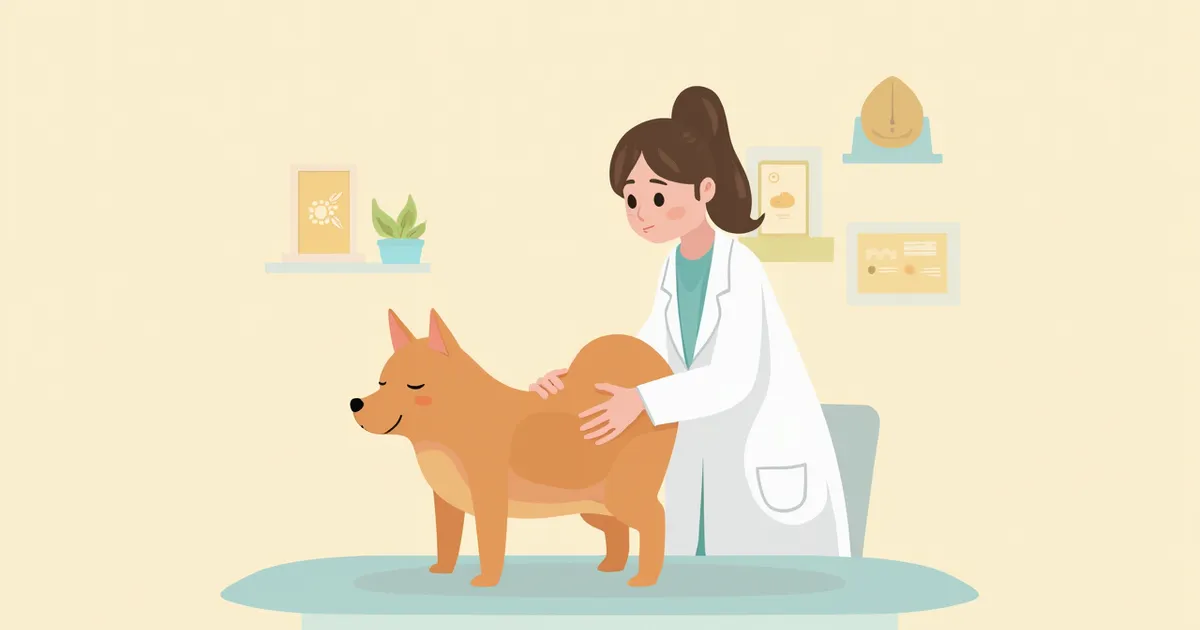
An image of a veterinarian administering heart disease medication to a puppy.

Home Care Points

Puppies with tricuspid valve dysplasia need a low-stress environment and a consistent daily routine.
Exercise management: Avoid strenuous activity; instead, opt for short, frequent walks.
Dietary management: Limit salt intake and choose food formulated to support heart health.
Weight management: Maintain a healthy weight, as obesity places additional strain on the heart.
Medication: Administer prescribed medications consistently, adhering strictly to the correct dosage and timing.
Regular check-ups: Schedule cardiac examinations every three to six months.
Home environment image for managing tricuspid valve dysplasia

Comparison of Management Strategies by Severity of Symptoms

ItemMildModerateSeverity
Main SymptomsSlight fatigue after a walkCoughing, respiratory distress, abdominal distensionReduced consciousness, sudden collapse
Treatment MethodRegular checkups, lifestyle managementBegin medication treatmentEmergency treatment and hospitalization
Management PointsAdjust walks, dietary managementMedication, weight managementHospitalization, cardiac monitoring

If symptoms worsen, an immediate hospital visit is required.

Reviewed by a veterinarian

Dr. Tony — Punnawat Phongkittirak

Dr. Tony — Punnawat Phongkittirak

Veterinarian

A veterinarian who majored in veterinary medicine at Khon Kaen University, Thailand, and completed the IVSA program at North Carolina State University in the United States. Drawing on clinical experience at animal hospitals, he works in the pet healthcare field and is dedicated to building a digital care environment that connects pet parents with veterinarians.

Frequently Asked Questions

Is tricuspid valve dysplasia treatable?
Medications focused on maintaining heart function can significantly improve your pet's quality of life. While a complete cure is difficult, early management can enable long-term survival, and in mild cases, a lifespan close to normal can be expected.
Which breeds are at higher risk?
This condition is more commonly seen in medium- to large-breed dogs such as Labrador Retrievers, Border Collies, and Dogues de Bordeaux. Labrador Retrievers, in particular, show a strong genetic predisposition and have the highest incidence rate worldwide.
Is prevention possible?
While prevention is challenging due to the strong genetic component, early detection is possible through regular check-ups and health care tailored to your dog's breed.
Can I stop giving my pet the medication?
Stopping this medication abruptly can cause a rapid decline in heart function. It’s important to continue giving it consistently as directed by your veterinarian.
What should I do if my dog dislikes going for walks?
Walks should be carefully managed. Keep them short and frequent, in a low-stress environment, and work with your veterinarian to adjust the amount of exercise.

Share

Related Guides

References

[1] Meurs KM, et al. Genetics of Cardiac Disease in the Small Animal Patient. Vet Clin Small Anim Pract, 2010, 40:701–715.

[2] Smith CE, et al. Omega-3 fatty acids in Boxer dogs with arrhythmogenic right ventricular cardiomyopathy. J Vet Intern Med, 2007, 21:265.

[3] Textbook of Cardiovascular Medicine in Dogs and Cats. 2018, Elsevier.

This information is based on veterinary literature and does not replace diagnosis or treatment. Please consult a veterinarian for specific health concerns.

Metapet Co., Ltd. | CEO: Park Sung-yong | Business Reg. No. 417-88-02562 | Seoul, South Korea | Customer Center

Canine Tricuspid Valve Dysplasia: Symptoms & When to See a Vet | Meongsiljang