

Do Puppies Need Orthodontic Treatment? — Signs of Malocclusion and Criteria for Assessment
We’ve put together a clear, easy-to-understand guide for pet parents on when orthodontic treatment is needed for dogs, including the ideal timing, costs, and important precautions. We’ll also walk you through key cases such as malocclusion and retained deciduous teeth.
What Is Puppy Orthodontic Treatment?
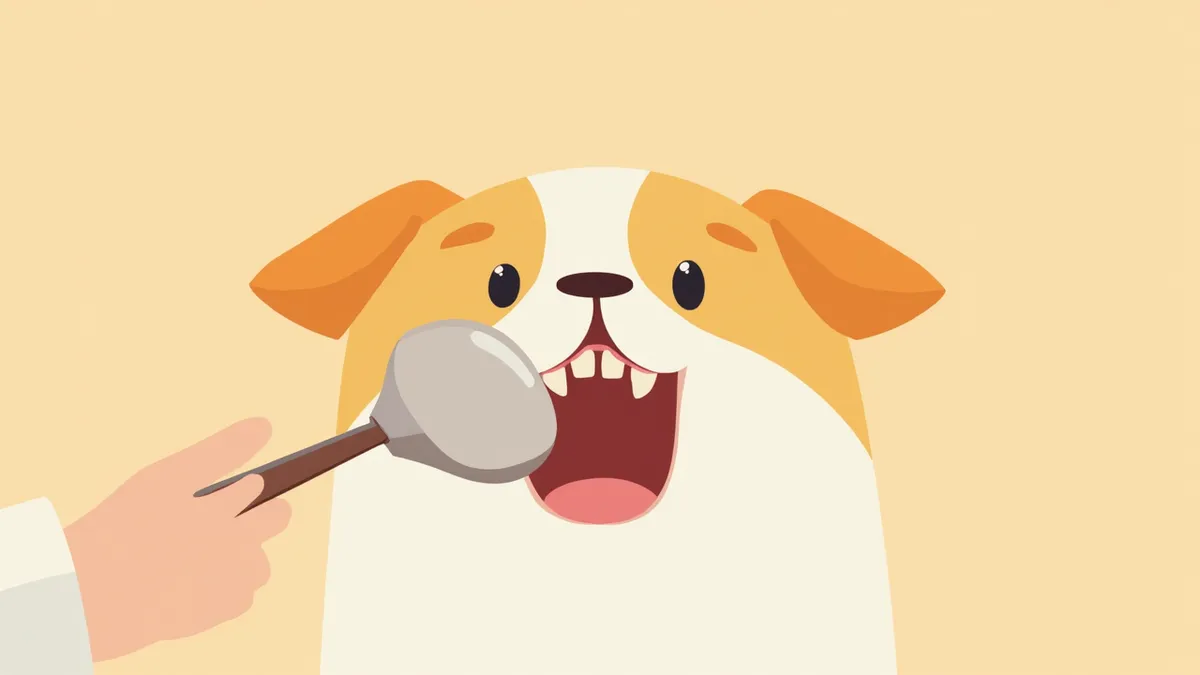
Common Cases Requiring Orthodontic Treatment
Comparison of Malocclusion Types
| Item | Type 1 (linguoversion) | Type 2 (overbite) | Type 3 (underbite) | Type 4 (unilateral difference) |
|---|---|---|---|---|
| Characteristics | Lower canine teeth point inward | Upper jaw long and lower jaw short | Lower jaw longer than upper jaw | Left-right asymmetry |
| Common breeds | All breeds | Some breeds with a genetic predisposition | Bulldog, Shih Tzu, Pekingese | All breeds |
| Correction recommendation | High (pain) | Medium | Low (breed standard) | Case-by-case judgment |
| Recommended timing | Early, around the start of permanent tooth eruption | Early intervention recommended | When a functional problem occurs | Early examination |
In breeds such as Bulldogs and Shih Tzus, underbite is the breed standard, so it is often not a candidate for correction
Retained Deciduous Teeth: The Most Common Reason for Orthodontic Treatment
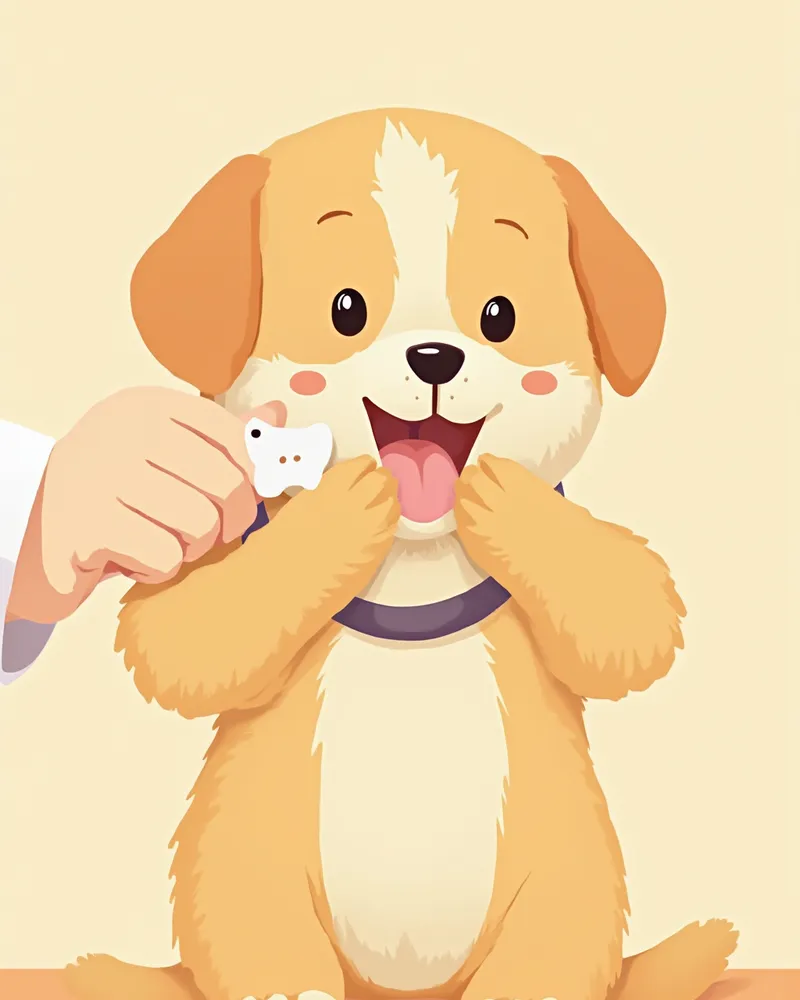
See a Vet Immediately If You Notice These Signs
If you notice any of the following signs, your dog may have a malocclusion or dental issue: ① Frequently opening the mouth or chewing on only one side; ② Dropping food or refusing to eat; ③ Bleeding, pus, or a foul odor coming from the mouth; ④ Canine teeth piercing the upper gum or palate; ⑤ Retained baby teeth in the same position even after adult teeth have erupted. Many dogs endure dental pain silently, so it’s important for owners to regularly check their mouths.
Orthodontic Methods and Treatment Process
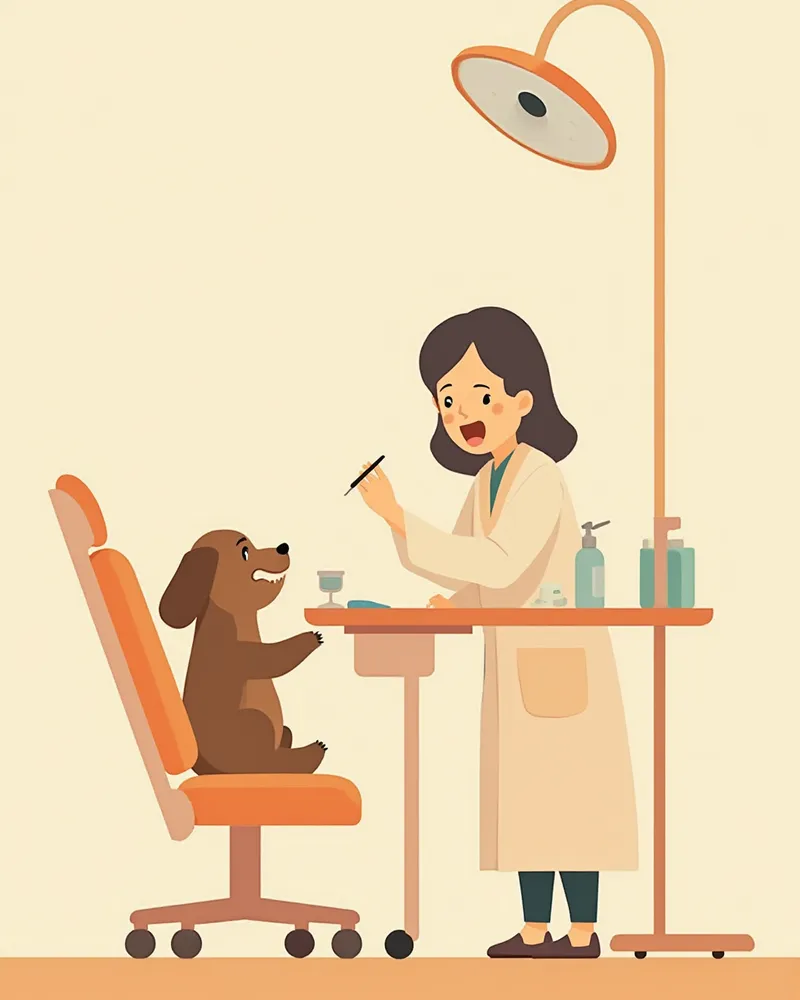
Costs and Recovery Period
General Anesthesia Risks and Pre-Anesthetic Examinations
Dental correction for dogs is performed under general anesthesia. Since young puppies, senior dogs, and small-breed dogs may face higher anesthesia risks, pre-anesthetic physical examinations and blood tests (including complete blood count, total protein, BUN, etc.) are essential. Additionally, if regular oral care (such as brushing and professional cleanings) is not maintained after the procedure, periodontal disease can recur. Establishing a daily tooth-brushing routine is the best preventive measure.
Reviewed by a veterinarian

Dr. Tony — Punnawat Phongkittirak
VeterinarianA veterinarian who majored in veterinary medicine at Khon Kaen University, Thailand, and completed the IVSA program at North Carolina State University in the United States. Drawing on clinical experience at animal hospitals, he works in the pet healthcare field and is dedicated to building a digital care environment that connects pet parents with veterinarians.
Reviewed 2026-04-19
Frequently Asked Questions
At what age should a puppy receive orthodontic treatment?
How long does my pet need to wear the orthodontic appliance?
Should underbites in Bulldogs and Shih Tzus also be corrected?
What happens if it’s not corrected?
Can pets wear orthodontic appliances for a long time, just like people?
Share
Related Guides

7 Best Cat Dental Chews for Tartar Prevention Recommended by Veterinarians and Selection Criteria

Top 5 Recommended Dental Treats for Dogs in 2026 — VOHC Certification Criteria

7 Criteria for Choosing Dog Tartar Prevention Dental Chews Recommended by Veterinarians
Early Signs of Congestive Heart Failure in Dogs and Management

Doggy Skin Itch and Red Ears — A Complete Guide to Choosing Food for Food Allergies

Can Cats Get Heartworm Disease? — Why It’s More Dangerous Than in Dogs and How to Prevent It

Guide to Traveling with Pets on KTX and Trains

How to Check Lymph Nodes at Home

Recognizing End-of-Life Signs in Cats

Cat Litter Box Frequency and Normal Patterns: How Many Times a Day Is Normal?
References
[1] Clinical Medicine of the Dog and Cat, 4th Ed - Chapter 5: Oral Cavity and Dentition
[2] Wiggs's Veterinary Dentistry: Principles and Practice, 2nd Ed - Orthodontics Chapter
[3] The Dog Care Handbook, Things I Wish My Vet Had Told Me - Dental Care Section