Like
Share
멍실장
강아지 보디핸들링 훈련, 왜 어릴 때부터 해야 할까요?

Why Start Body Handling Training for Puppies at an Early Age?

Brain & CognitionQ&AMeongsiljang Veterinary Advisory Board

Body handling is a foundational training technique that helps your dog become comfortable with being touched all over, including their paws, ears, and mouth. It significantly improves your dog's ability to cope with veterinary exams, grooming, and emergency situations.

Body Handling Training in a Nutshell
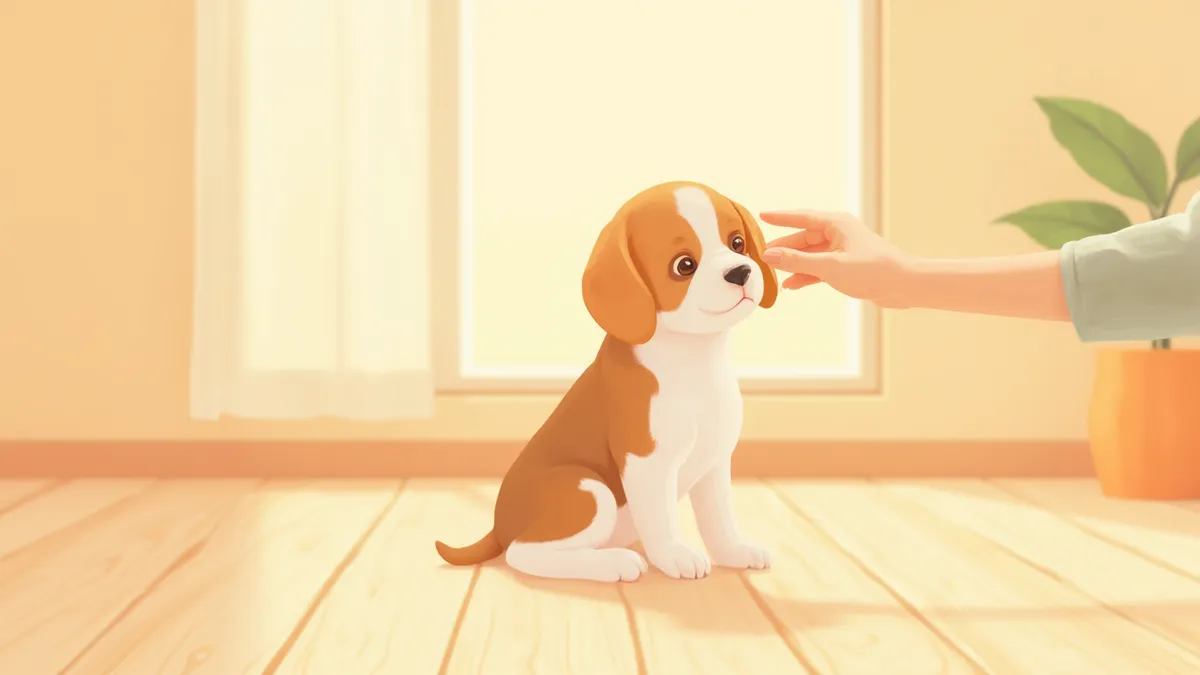
A scene showing a handler gently massaging a puppy's ears as part of body-handling training.
Body handling is a fundamental training exercise for pet owners that helps dogs become comfortable with having their entire body—including paws, ears, mouth, and tail—touched. The key is to keep sessions short and frequent, starting from an early age. This practice significantly reduces stress during veterinary exams, nail trims, tooth brushing, and emergencies, while also greatly decreasing the risk of bite incidents. While initiating training during the early socialization period yields the best results, adult dogs can also benefit through gradual desensitization and counterconditioning, provided the steps are followed carefully.

Why Is It Essential?

Veterinary behavior textbooks highlight body-handling training as a cornerstone of low-stress handling. Dogs who dislike being touched may growl or snap at even minor stimuli, often requiring more sedation or correction during exams. In contrast, well-trained dogs can undergo procedures like blood draws, auscultation, and temperature checks much more easily, while also building stronger trust with their owners.

Checklist of Areas That Must Be Trained
Paws and toes: Essential for nail trimming and cleaning paws after walks.
Ears: Necessary for managing otitis externa, ear cleaning, and administering medication.
Mouth and gums: Used for brushing teeth, oral exams, and giving medicine.
Neck, back, and lower back: Needed for auscultation, palpation, and fitting a harness.
Tail and hindquarters: Used for anal gland care and taking temperature.
Belly: Necessary for abdominal palpation and checking skin condition.
It’s important to handle all areas evenly and consistently.
Body handling training to gently examine your puppy’s paw pads

Check This Before Training

If your pet flinches, pulls away, or shows signs of discomfort when you touch a specific area, it may already be experiencing pain or discomfort. Conditions such as arthritis, otitis externa, dermatitis, or periodontal disease could be present, so we recommend having a health check-up before starting any training. Forcing contact while your pet is in pain can lead to learned fear responses.

Step-by-Step Training Method (4 Steps)

The key to body handling is gradual progress paired with positive reinforcement. Veterinary behavior textbooks explain that desensitization and counterconditioning using positive reinforcers, such as treats, are effective in shifting negative emotional responses to handling into positive ones. Step 1: Gently touch your pet for a few seconds while they are in a relaxed position, then give a treat. Step 2: Gradually increase the duration of the touch, then give a treat. Step 3: Gently lift a paw or flip an ear slightly, then give a treat. Step 4: Introduce tools (such as a brush, toothbrush, or towel) by showing them and then touching your pet, followed by a treat. Keep each session short, ending before your pet loses focus or shows signs of anxiety. The core principle is to repeat these short sessions frequently rather than conducting one long session.

Difficulty Level by Body Part and Recommended Approach

ItemEasyMediumHard
Body AreaNeck, back, shouldersEars, belly, tailPaws, mouth, nails
Recommended Start TimeFrom day oneDays 3–5Weeks 1–2
Target Time per Session10–15 seconds5–10 seconds2–5 seconds
Essential ToolsTreatsTreats + soft towelTreats + lick mat

This table is based on healthy adult and puppy dogs; dogs with fear or aggression should proceed only after consulting a professional.

Tips for Approaching Dogs Who Dislike Being Touched
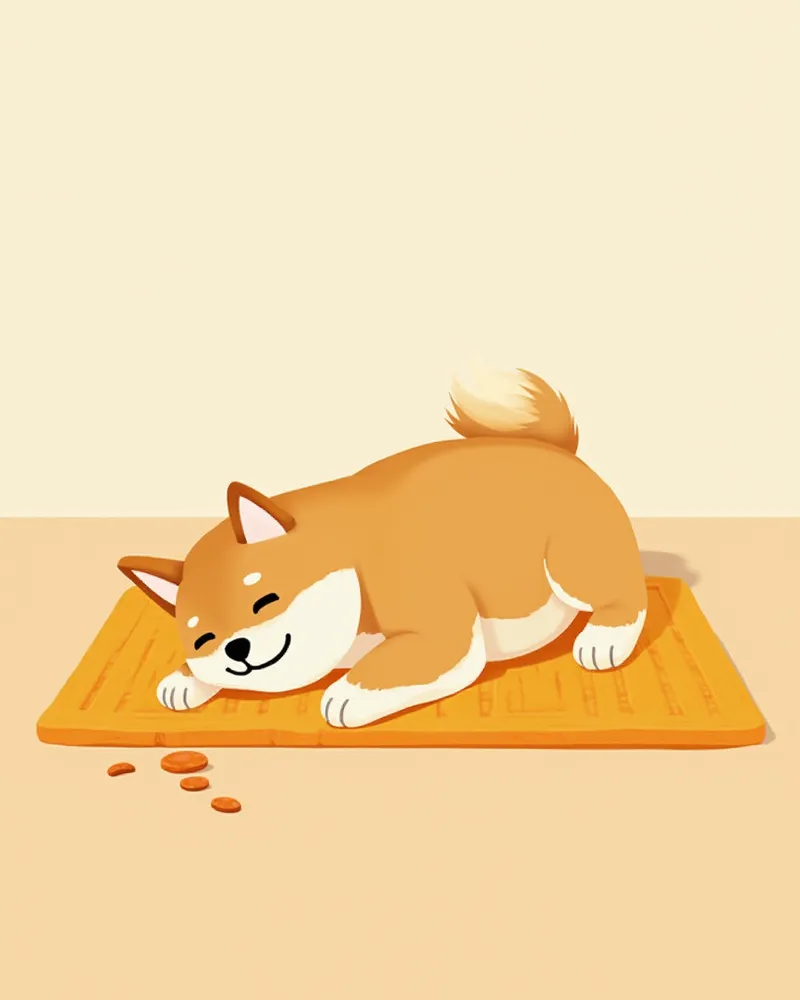
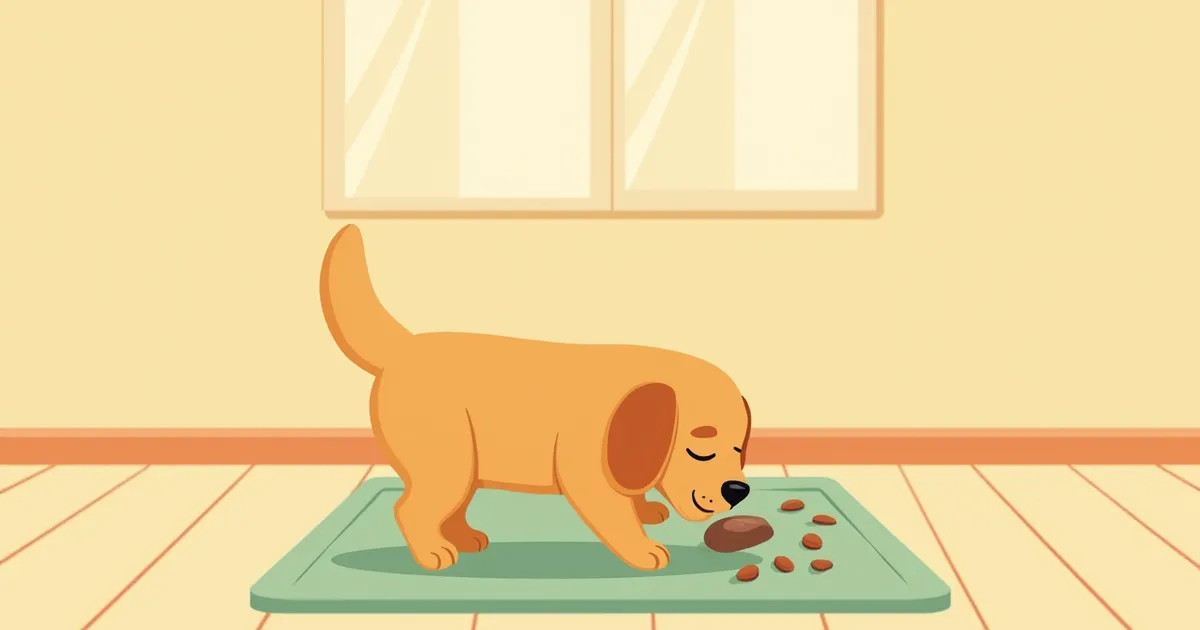
If your dog already dislikes being touched, desensitization is the way to go. According to veterinary behavior textbooks, the first step is to keep the intensity of the stimulus very low—low enough that it doesn’t trigger a fear response. By repeatedly pairing this low-intensity exposure with high-value rewards, such as favorite treats, through counterconditioning, your dog’s negative associations with being touched gradually shift to positive ones. For example, if your dog growls when you touch its paws, start by gently touching the floor near the paw and slowly decrease the distance over time. The key principle is to never force or restrain your dog. Coercive corrections only teach fear, making training more difficult.
Using a licking mat to help your dog undergo desensitization training

Stop Training If You See These Signals

If your dog shows signs such as growling, lip-licking or pulling back the lips, baring teeth, stiffening the body, tucking the tail, or repeated yawning during training, stop immediately. These are warning signals that your dog is feeling discomfort or fear. Ignoring these cues and continuing can lead to bites and cause training itself to become a traumatic experience. If aggressive behavior appears repeatedly, we recommend consulting a veterinary behavior specialist.

Reviewed by a veterinarian

Dr. Tony — Punnawat Phongkittirak

Dr. Tony — Punnawat Phongkittirak

Veterinarian

A veterinarian who majored in veterinary medicine at Khon Kaen University, Thailand, and completed the IVSA program at North Carolina State University in the United States. Drawing on clinical experience at animal hospitals, he works in the pet healthcare field and is dedicated to building a digital care environment that connects pet parents with veterinarians.

Frequently Asked Questions

At what age should we start?
The early socialization period is the most effective starting point. However, even for adult dogs, it is entirely possible as long as you follow the steps based on the principles of desensitization and counterconditioning, so "now" is the best time to start.
How long should each session be?
It’s important to end each session briefly, before your child loses focus or shows signs of anxiety. Short, frequent sessions are far more effective than one long session. The key is to finish before your child’s attention wanes.
Can I train my pet without using treats?
It’s possible, but not recommended. Treats help create a quick association between “being touched” and “something good.” Once your pet becomes more comfortable, you can replace treats with praise and gentle petting.
My dog always growls when I touch its paws. What should I do?
First, have your vet check for paw pain, overgrown nails, or pad injuries. If everything looks fine, start desensitization gradually, beginning with areas farther from the paws. If there’s no improvement, we recommend consulting a veterinary behavior specialist.
Is it okay to wait until before going to the hospital?
No, that’s not the right approach. Body handling is a habit that needs to be built up during everyday life. If you only handle your pet right before a vet visit, they may develop a negative association, thinking, “If I’m being handled, it means we’re going to the vet.” Make it part of your daily routine.

Share

Related Guides

References

[1] Shaw, J. & Martin, D., Canine and Feline Behavior for Veterinary Technicians and Nurses, 2nd ed. (Wiley Blackwell, 2023)

[2] Yin, S., Low Stress Handling, Restraint and Behavior Modification of Dogs and Cats (CattleDog Publishing, 2009)

[3] Lomb, J., Mauger, A., von Keyserlingk, M.A.G., & Weary, D.M. (2021). Effects of positive reinforcement training on handling responses. Applied Animal Behaviour Science

This information is based on veterinary literature and does not replace diagnosis or treatment. Please consult a veterinarian for specific health concerns.

Metapet Co., Ltd. | CEO: Park Sung-yong | Business Reg. No. 417-88-02562 | Seoul, South Korea | Customer Center

Why Start Body Handling Training for Puppies Early? | Meongsiljang