Like
Share
멍실장
강아지 결막염 자주 묻는 질문 Q&A — 보호자가 꼭 알아야 할 핵심

Frequently Asked Questions About Canine Conjunctivitis — Key Information for Pet Owners

Eye HealthQ&AMeongsiljang Veterinary Advisory Board

Canine conjunctivitis typically presents with excessive tearing and redness of the eyes, and can be caused by a variety of factors including viruses, bacteria, and parasites. Early diagnosis and appropriate treatment are essential.

What Is Canine Conjunctivitis?
A photo of a dog's eye area with inflammation
Canine conjunctivitis is a condition in which the conjunctiva—the thin membrane lining the eyelids and covering the white of the eye—becomes inflamed, leading to redness, excessive tearing, or discharge. This is not merely a response to simple irritation; it can stem from various causes, including viral, bacterial, or parasitic infections, as well as allergies. If your dog frequently rubs its eyes or keeps them closed, these may be early signs of conjunctivitis. Puppies and dogs with weakened immune systems are at higher risk. Early detection and consultation with a veterinarian are crucial, as starting appropriate treatment before symptoms worsen helps protect your dog’s vision.

What Are the Main Causes of Conjunctivitis?

The causes of conjunctivitis in dogs are quite varied. Viral infections such as canine distemper (canine measles) virus and canine herpesvirus can be associated with conjunctivitis, while Chlamydia (Chlamydophila) infection is a representative bacterial cause. Allergic (atopic) reactions, foreign bodies in the eye, trauma, and eyelid structural abnormalities such as entropion are also common causes. Rarely, parasitic larval migration (e.g., Angiostrongylus) may be involved. Chemical irritants (such as disinfectants and shampoos) and dry environments can also irritate the conjunctiva. Without an accurate diagnosis, treatment may be delayed or inappropriate medications may be used; therefore, it is essential to confirm the underlying cause through a veterinarian’s diagnosis.
A microscopic image of bacteria and viruses

What Are the Main Symptoms of Conjunctivitis?

The most common signs of conjunctivitis in dogs are redness of the eyes and persistent tearing. You may also notice white, yellow, or green discharge around the eyes. Frequent blinking, prolonged eye closure, or repeated rubbing of the eyes due to itching should raise concern. In severe cases, if pain prevents your dog from opening its eyes properly or causes them to remain closed, immediate veterinary attention is necessary. If a respiratory infection is present, systemic symptoms such as nasal discharge and sneezing may also occur. These signs may indicate an infection or underlying disease rather than simple irritation. Early diagnosis improves treatment success rates.
A puppy rubbing its eyes

When to Seek Immediate Veterinary Care

If your pet’s eyes become severely red, discharge turns yellow or green, or they struggle to open their eyes due to pain, seek veterinary care immediately. Conjunctivitis can worsen into corneal ulcers or keratitis, and delayed treatment may lead to vision loss.

Comparison of Symptoms and Treatments by Conjunctivitis Type

ItemMain SymptomsMain CausesTreatment Method
Viral conjunctivitisExcessive tearing, eye redness, eye closingCanine distemper virus, canine herpesvirusTopical antivirals, supportive care
Bacterial conjunctivitisYellow discharge, eye congestionBacteria such as Chlamydia (Chlamydophila)Antibiotics such as doxycycline, administered topically/orally
Allergic conjunctivitisSymptoms in both eyes simultaneously, itchingAllergens such as atopy, dust, pollenTopical anti-inflammatories/antihistamines, removal of the allergic cause

The treatment method varies depending on the cause, so an accurate diagnosis is essential.

Tests Required for Accurate Diagnosis
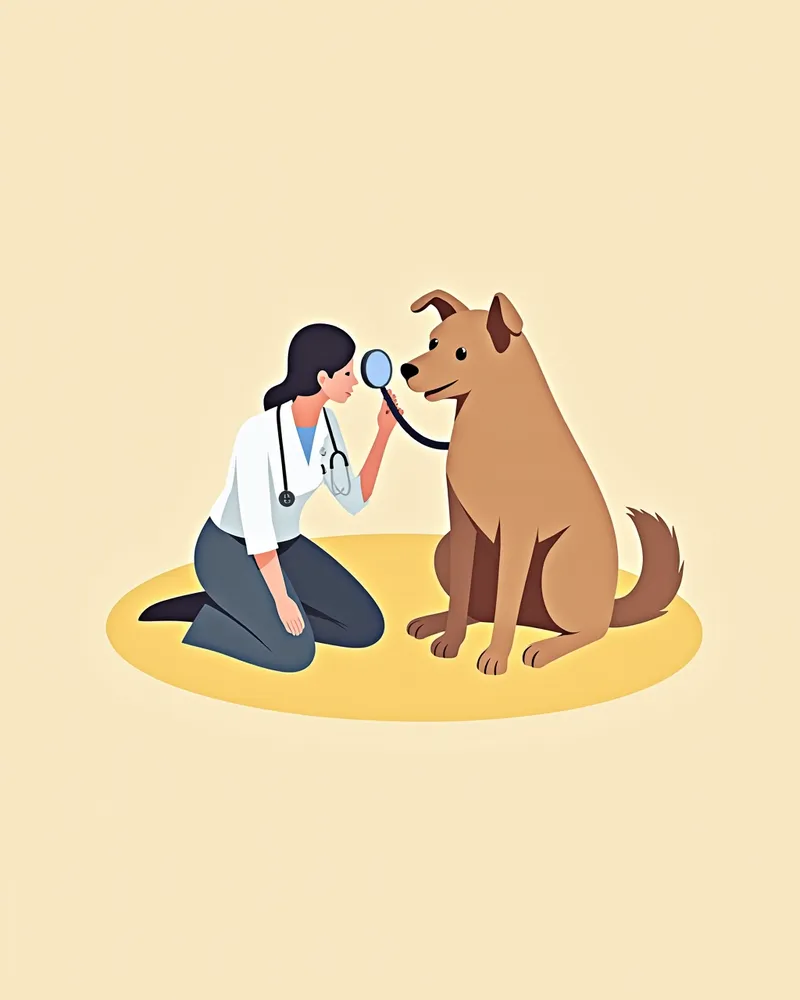
To accurately diagnose conjunctivitis in dogs, a veterinarian needs to perform a direct eye examination. Samples for cytological analysis can be obtained from the conjunctiva using methods such as swabbing, scraping, or imprint smears, allowing the vet to identify the types of inflammatory cells and the nature of the infection. For instance, Chlamydia or distemper virus may be identified by inclusion bodies within infected conjunctival epithelial cells, while bacteria like Mycoplasma can be definitively diagnosed through culture on special media. If necessary, the veterinarian will collect samples for analysis at the clinic. Without an accurate diagnosis, treatment may be ineffective or symptoms could worsen. Accurate diagnosis is the first step toward effective treatment.
A veterinarian examining a puppy's eyes

Treatment Methods and Care Tips

Treatment for conjunctivitis varies depending on the underlying cause. Viral conjunctivitis is managed primarily with antiviral medications and supportive care, while bacterial conjunctivitis is typically treated with antibiotic eye drops. During treatment, gently clean the area around the eyes with a soft cloth and prevent your pet from rubbing them. Eye drops must be administered at the precise times prescribed by your veterinarian to be effective. Discontinuing treatment prematurely can lead to recurrence or chronic conditions, so it is essential to complete the full course of therapy. Regular follow-up visits are also important.
A veterinarian administering eye drops to a puppy.

Prevention and Daily Care Points

To prevent conjunctivitis in dogs, regular eye examinations and core infectious disease vaccinations are essential. Vaccines can help prevent infections like canine distemper, which can cause conjunctivitis. Keep the area around your dog’s eyes clean and take care to prevent dust or foreign objects from getting into their eyes. After going outside, gently wipe their eyes with a soft cloth. Additionally, maintain an environment that prevents dry eyes, and always wash your hands before touching your dog’s eyes. Early detection and consistent care are the most effective ways to prevent conjunctivitis.
A photo of a puppy with clean, bright eyes

Caution: Improper Treatment Can Cause Greater Problems

Using your own medications or homemade liquids to treat your pet’s eyes can worsen inflammation or cause corneal damage. Never self-medicate. Using eye drops without a veterinarian’s prescription can impair vision.

Reviewed by a veterinarian

Dr. Tony — Punnawat Phongkittirak

Dr. Tony — Punnawat Phongkittirak

Veterinarian

A veterinarian who majored in veterinary medicine at Khon Kaen University, Thailand, and completed the IVSA program at North Carolina State University in the United States. Drawing on clinical experience at animal hospitals, he works in the pet healthcare field and is dedicated to building a digital care environment that connects pet parents with veterinarians.

Frequently Asked Questions

Can conjunctivitis in dogs be transmitted to humans?
While transmission to humans is rare in most cases, some infectious causes can spread to other dogs. Therefore, it’s best to maintain good hygiene and keep your dog isolated until a diagnosis is confirmed.
How long does it take to treat conjunctivitis?
The treatment duration depends on the underlying cause. For example, bacterial infections like chlamydia may require continuing medication for a total of 3 to 4 weeks, even after symptoms have resolved. In cases of viral infections, the management period varies depending on the underlying cause. Even if your pet’s symptoms improve, it’s important to follow your veterinarian’s instructions and continue treatment until full recovery is achieved.
What should I do if conjunctivitis keeps coming back?
If your pet has an underlying condition (such as immune dysfunction or allergies), the issue may recur. Work with your veterinarian to identify the root cause and develop a long-term management plan.
My pet’s eye got redder after applying the eye drops. Is that normal?
Some eye drops may cause temporary redness or itching due to allergic reactions. However, if these symptoms persist or worsen, please contact your veterinarian immediately.
Is it normal for my pet to still tear up a little after conjunctivitis has fully healed?
Occasional tearing can be normal, but if it persists, it’s important to check for potential recurrence or underlying conditions. Please consult your veterinarian.

Share

Related Guides

References

[1] Clinical Medicine of the Dog and Cat, 4th Ed

[2] Clinical Atlas of Canine and Feline Ophthalmic Disease, 2nd Ed

[3] The Veterinary Workbook of Small Animal Clinical Cases

This information is based on veterinary literature and does not replace diagnosis or treatment. Please consult a veterinarian for specific health concerns.

Metapet Co., Ltd. | CEO: Park Sung-yong | Business Reg. No. 417-88-02562 | Seoul, South Korea | Customer Center

Canine Conjunctivitis FAQ: Key Facts for Pet Owners | Meongsiljang