Like
Share
멍실장
먼치킨 고양이 건강 관리 (관절·척추)

Munchkin Cat Health Care (Joints and Spine)

JointBreed HealthMeongsiljang Veterinary Advisory Board

Due to their short legs, Munchkin cats require extra attention to joint and spinal health. We’ve compiled evidence-based information from veterinary textbooks on key conditions to watch for—such as degenerative joint disease and lordosis—along with practical tips for weight management and improving their living environment.

Munchkin Cats: Joint and Spinal Care Is as Important as Their Short Legs
A Munchkin cat sitting on a cushion
Munchkin cats are charming with their short legs, but they require consistent attention to joint and spinal health. According to veterinary textbooks, degenerative joint disease (osteoarthritis) in cats is primarily a condition that naturally develops with age, and factors such as body weight and conformation also influence joint health. While there is currently insufficient evidence to definitively conclude that short-legged breeds are more prone to joint and spinal issues, maintaining a healthy weight and improving their living environment can help preserve joint health, allowing you to enjoy a long, healthy life together.

Four Conditions Munchkins Should Especially Watch Out For

To help protect your Munchkin cat’s joint and spinal health, it’s useful to familiarize yourself with the following conditions.
Degenerative joint disease: This condition occurs when joint cartilage becomes rough and wears down, causing bones to rub against each other and leading to inflammation and pain. The likelihood of developing this condition increases with age.
Lordosis: This is a structural abnormality where the spine curves excessively toward the abdomen. According to veterinary textbooks, congenital and developmental spinal deformities are rarely reported in cats, and such abnormalities are often discovered incidentally without any symptoms. However, if the deformity is severe, it may cause discomfort, so careful monitoring is necessary.
Intervertebral disc disease: This condition involves the degeneration or herniation of the discs between the vertebrae. Although it is less common in cats than in dogs, it is reported more frequently in certain purebred cats, such as British Shorthairs and Persians. When it occurs, it can lead to weakness in the hind legs.
Osteoarthritis: This condition causes pain and reduced range of motion as cartilage wears away and bone spurs (osteophytes) grow around the joints. According to veterinary textbooks, osteoarthritis is so common in cats that it is considered one of the most frequent causes of chronic pain in companion animals.

Joint Disease: Cats Are Good at Hiding Pain
Cats are skilled at hiding pain, making it difficult to detect joint disease in its early stages. They often do not show obvious signs of discomfort, especially around people, so it is crucial for owners to carefully monitor any changes in their pet’s behavior. According to veterinary textbooks, degenerative joint disease in cats typically develops naturally with age. While there is not yet sufficient evidence to definitively state that short-legged breeds develop the condition at a younger age, careful observation is necessary for all breeds as they enter their senior years. Research by Lascelles et al. (2007) indicates that behavioral changes observed by owners are key indicators for assessing joint pain in cats. Early warning signs include difficulty jumping to high places (such as climbing up step-by-step instead of leaping in one motion), reduced grooming, and decreased activity levels.
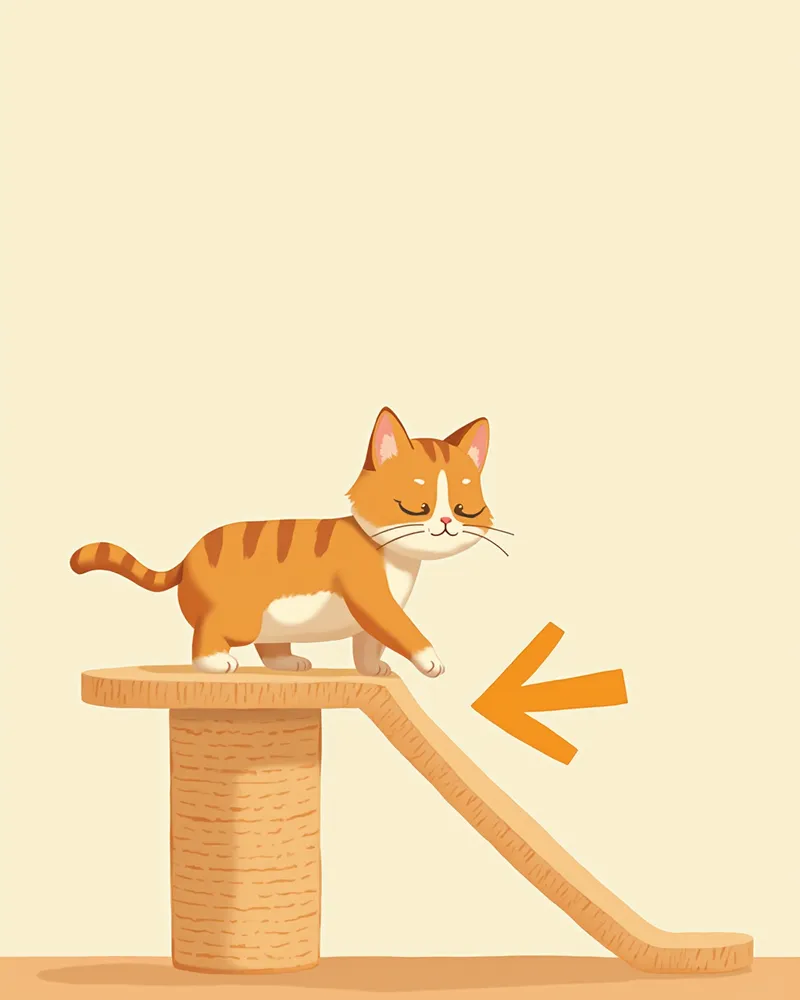
A Munchkin cat coming down from a low cat tower

Lordosis and Spinal Conditions: Munchkins Need Extra Caution
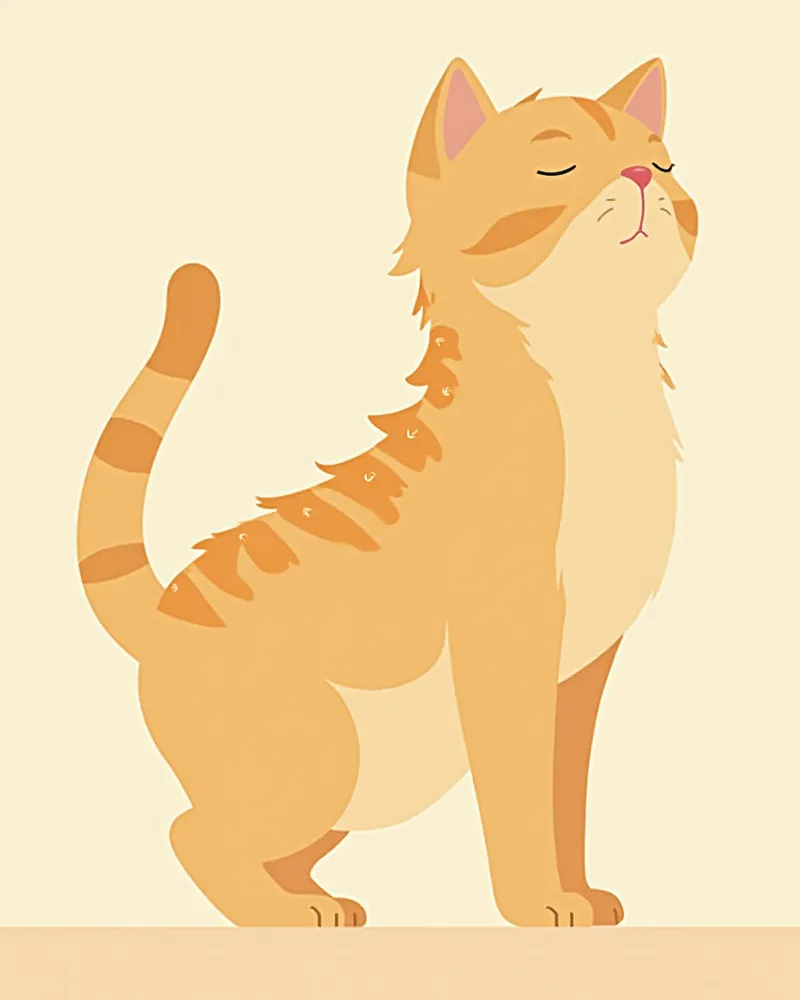
Lordosis is a spinal deformity in which the spine curves toward the abdomen. According to veterinary textbooks, congenital and developmental spinal abnormalities are rare in cats and are often discovered incidentally without any clinical signs. However, if the deformity is severe, it can lead to discomfort or reduced mobility, so please monitor your cat for any changes in condition. Intervertebral disc disease is another spinal condition to watch for in cats. According to the veterinary textbook *The Cat: Clinical Medicine and Management*, intervertebral disc disease is clinically less common in cats than in dogs, but it has been reported more frequently in certain purebred cats, particularly British Shorthairs and Persians. Disc degeneration or herniation can cause symptoms such as spinal pain, hindlimb paresis, and gait ataxia. Therefore, it is important to carefully observe all cats, including Munchkins, for these signs as they age. If your cat is dragging its hind legs or shows a noticeable change in gait, prompt veterinary evaluation is necessary.
Illustration of the concept of spinal health in Munchkin cats

Go to the Vet Immediately If You See These Symptoms

If your pet suddenly loses strength in its hind legs, shows a noticeable change in gait, exhibits severe pain when touched, or displays signs of labored breathing, seek veterinary care immediately. Prompt treatment of spinal compression or intervertebral disc disease significantly impacts recovery. Additionally, a sudden loss of appetite or refusal to use the litter box or go outside to eliminate may also be signs of pain.

Weight Management Is Key to Joint and Spinal Health

For Munchkin cats, weight management is the most important way to protect joint and spinal health. According to veterinary textbooks, obesity increases the risk of various orthopedic conditions, including osteoarthritis and intervertebral disc disease, and a cat’s body condition (body fat) directly affects joint health. Therefore, simply maintaining an ideal weight can help slow the progression of degenerative joint disease. How to check for ideal weight: You should be able to feel the ribs with a light touch. If the ribs are difficult to feel, your cat may be overweight. Controlling food intake: Strictly follow the daily feeding amount recommended by your veterinarian, and limit treats to no more than 10% of your cat’s daily caloric intake.

Creating a Living Environment That Protects Joint Health
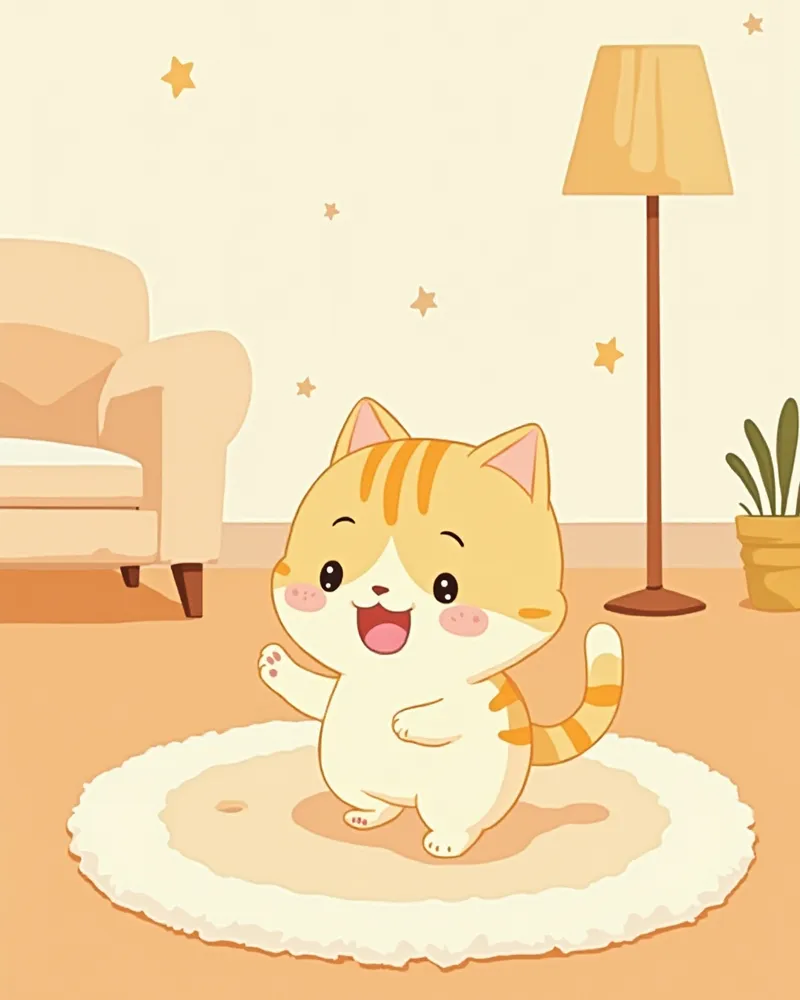
Protecting a Munchkin’s joints and spine is as simple as making a few small adjustments to their living environment.
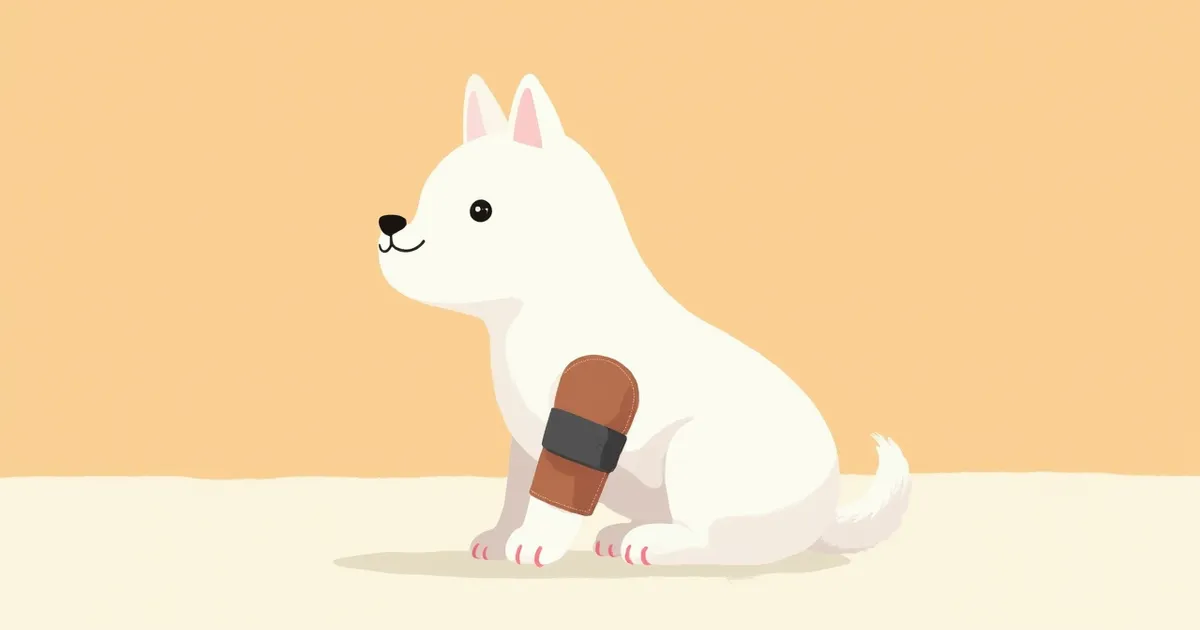
Low-entry litter boxes: According to veterinary internal medicine textbooks, it’s best to provide multiple litter boxes with low entry points for cats with weak joints.
Reduce height changes: Install ramps or stairs to help your cat get on and off cat trees or sofas. Jumping down from high places can put significant stress on their joints.
Soft flooring: Laying down rugs or mats instead of hard flooring can help reduce strain on your cat’s joints.
Regular check-ups: Schedule regular check-ups once or twice a year to monitor your cat’s joint and spinal health. Since cats tend to hide signs of pain, these check-ups are especially important.
Munchkin cats living in a joint-friendly environment

Breeding Two Munchkins Can Be Risky

The gene responsible for the Munchkin’s short legs is incompletely dominant. Breeding two short-legged Munchkins can result in a lethal gene combination, causing the fetuses to not survive. For healthy breeding, it is essential to consult with a professional veterinarian. When adopting, it is also important to choose a responsible breeder.

Reviewed by a veterinarian

Dr. Tony — Punnawat Phongkittirak

Dr. Tony — Punnawat Phongkittirak

Veterinarian

A veterinarian who majored in veterinary medicine at Khon Kaen University, Thailand, and completed the IVSA program at North Carolina State University in the United States. Drawing on clinical experience at animal hospitals, he works in the pet healthcare field and is dedicated to building a digital care environment that connects pet parents with veterinarians.

Frequently Asked Questions

Munchkin cats often struggle to climb to high places. Could this be a joint issue?
Munchkins naturally have lower jumping ability than other cats due to their short legs. However, if your cat suddenly avoids places it used to climb or repeatedly tries and gives up, it could be a sign of joint pain. In such cases, please consult a veterinarian.
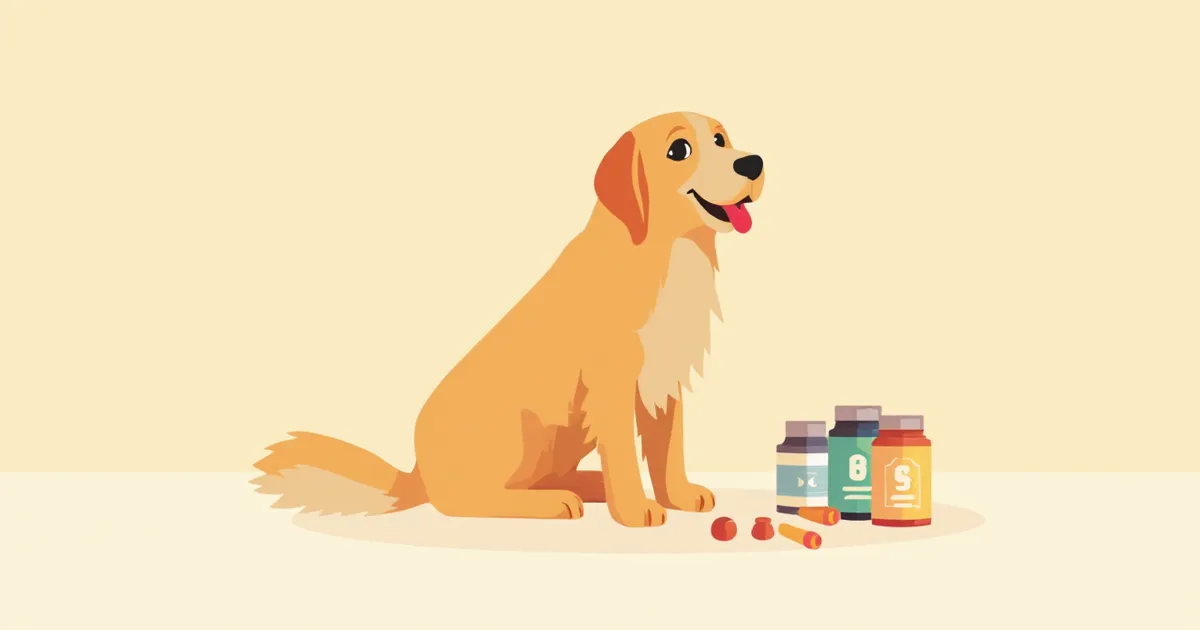
Can I give my cat a joint supplement?
You may consider giving your cat a nutritional supplement to support joint health. However, suitability can vary depending on the supplement’s ingredients and your cat’s individual needs, so be sure to consult your veterinarian before starting any supplement to confirm the right product and dosage. Human nutritional supplements may not be appropriate for cats.
What is the life expectancy of a Munchkin cat?
The lifespan of a Munchkin cat varies depending on its individual health and living environment. By maintaining a healthy weight, scheduling regular veterinary check-ups, and providing an environment that minimizes strain on the joints and spine, you can help your cat stay healthy and enjoy a long life together.

Share

Related Guides

References

[1] The Cat, Clinical Medicine and Management, 2nd Edition — Chapter 36: Chronic Kidney Disease and Degenerative Joint Disease (Caney S)

[2] The Cat, Clinical Medicine and Management, 2nd Edition — Musculoskeletal Disorders

[3] Lascelles BD, Hansen BD, Roe S, et al. Evaluation of client-specific outcome measures and activity monitoring to measure pain relief in cats with osteoarthritis. J Vet Intern Med. 2007;21(3):410-416.

This information is based on veterinary literature and does not replace diagnosis or treatment. Please consult a veterinarian for specific health concerns.

Metapet Co., Ltd. | CEO: Park Sung-yong | Business Reg. No. 417-88-02562 | Seoul, South Korea | Customer Center

Munchkin Cat Health: Joint & Spine Conditions to Watch | Meongsiljang