

The Ultimate Guide to Shih Tzu Long-Hair Grooming — From Brushing to Grooming Schedules
Shih Tzus are a quintessential long-haired breed that requires daily brushing. We’ve compiled the essential grooming tips every owner should know, including brushing, bathing, facial hygiene, and grooming schedules.
Why Is Shih Tzu Grooming So Tricky?

Shih Tzu Coat Characteristics — Why Do They Tangle So Easily?
Daily Brushing Routine — 5 Minutes Is Enough
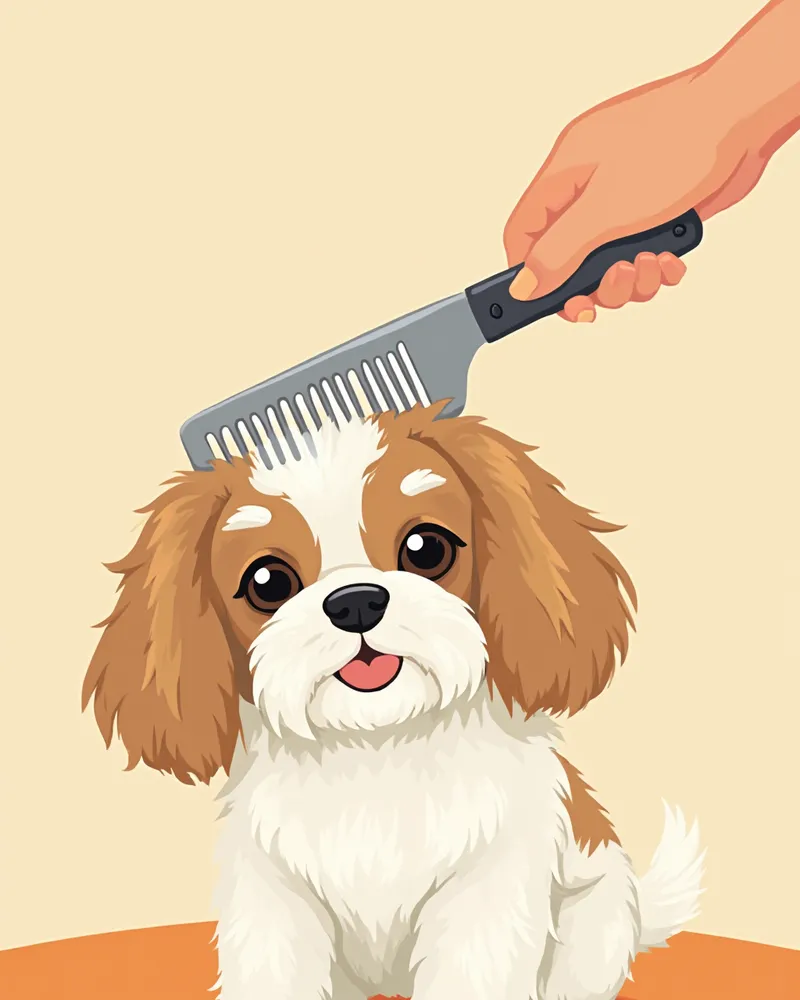
What You Must Never Do During Home Care
Cutting tangled fur directly with scissors is the most common cause of accidents. Shih Tzus have thin skin that can easily get caught in the tangles and pulled up, leading to frequent cuts from scissor blades. If the matting is severe, don’t force it—instead, ask a professional groomer to safely remove it using a mat splitter. Additionally, using human shampoo or high-heat settings on a dryer can also irritate your dog’s skin.
Facial Hygiene — Tear Stains, Bad Breath, and Gum Care
Comparing Maintenance Difficulty by Hair Style
| Item | Full Coat (long hair maintained) | Puppy Cut (medium length) | Summer Cut (short) |
|---|---|---|---|
| Daily Brushing Time | 10–15 minutes | 5 minutes | 2–3 minutes |
| Matting Risk | Very high | Moderate | Low |
| Grooming Salon Visit Interval | 3–4 weeks | 5–6 weeks | 6–8 weeks |
| Recommended Owner | Ample grooming time | Average household | Beginner/senior dog owners |
It's best to choose a style based on the owner's available grooming time and the Shih Tzu's activity level
Bathing and Drying — Once Every Four Weeks Is the Standard
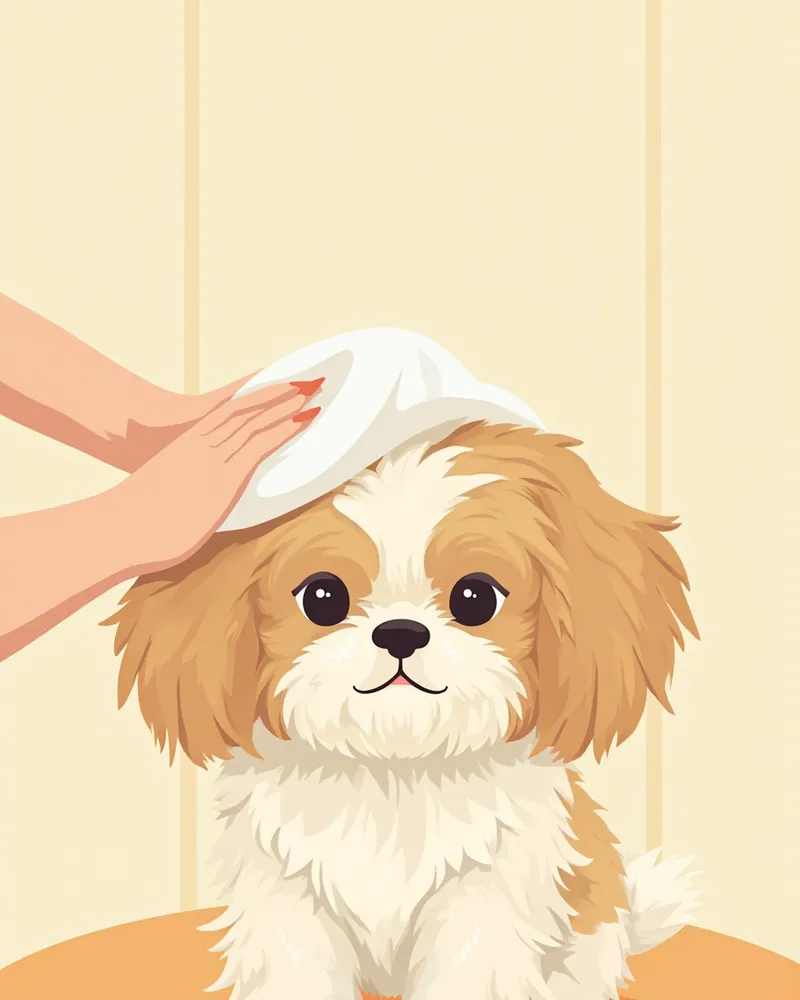
Visiting a Professional Groomer — When and What to Request
If You See These Signs, Stop Grooming and Go to the Vet
If you notice any of the following symptoms during grooming, it may indicate a condition requiring veterinary care rather than simple skin irritation. - Coin-shaped hair loss and dandruff on the skin → Suspected fungal dermatitis or similar conditions - Red rash and licking between the paw pads and toes → Possible allergy or Malassezia infection - Brown discharge and foul odor from the ears → Possible otitis externa - Black hyperpigmentation and thickened skin on the belly and groin → Signs of chronic skin issues In particular, pets with atopic dermatitis often develop secondary infections such as pyoderma (Staphylococcus) or Malassezia dermatitis. The earlier you detect changes like itching, hair loss, lichenification, or hyperpigmentation, the easier it will be to manage and recover. Therefore, if you suspect any of these symptoms, do not force the grooming session to continue; instead, have your pet examined by a veterinarian.
Reviewed by a veterinarian

Dr. Tony — Punnawat Phongkittirak
VeterinarianA veterinarian who majored in veterinary medicine at Khon Kaen University, Thailand, and completed the IVSA program at North Carolina State University in the United States. Drawing on clinical experience at animal hospitals, he works in the pet healthcare field and is dedicated to building a digital care environment that connects pet parents with veterinarians.
Reviewed 2026-04-30
Frequently Asked Questions
Is it okay to shave a Shih Tzu’s coat short?
My dog’s tear stains are really bad—can grooming alone fix them?
Do Shih Tzus shed?
The matting is so severe that I want to cut it with scissors. Is that okay?
Share
Related Guides

Top 5 Medicated Dog Shampoos — For Pyoderma and Bacterial Infections

Veterinarian-Recommended Top 5 Medicated Shampoos for Canine Yeast Dermatitis — Relieves Itching and Greasiness

Top 5 Medicated Cat Shampoos Recommended by Veterinarians — Fungal Dermatitis and Fungal Care
Cavalier Mitral Valve Disease (MVD) — Complete Guide to Symptoms, Stage-by-Stage Progression, and Heart Care
German Shepherd Hip and Elbow Dysplasia — From Screening Timing to Lifelong Management

Shiba Inu Hip and Elbow Dysplasia — Complete Guide to Screening Timelines and Common Conditions

The Ultimate Guide to Norwegian Forest Cat Checkup Schedules

Norwegian Forest Cat Genetic Conditions — 7-Point Checklist for HCM and Kidney Disease

Norwegian Forest Cat Hip Dysplasia Complete Guide — Symptoms, Diagnostics, and Management Timing

Norwegian Forest Cat HCM Screening — When and How to Get It
References
[1] BSAVA Manual of Canine and Feline Dermatology, 4th Ed — Chapter on Breed-Predisposed Skin Conditions
[2] Clinical Atlas of Canine and Feline Ophthalmic Disease, 2nd Ed — Brachycephalic Ocular Syndrome
[3] Hall-Fonte DL et al., Hepatocutaneous syndrome in Shih Tzus: 31 cases (1996-2014), JAVMA 248, 802-813, 2016