
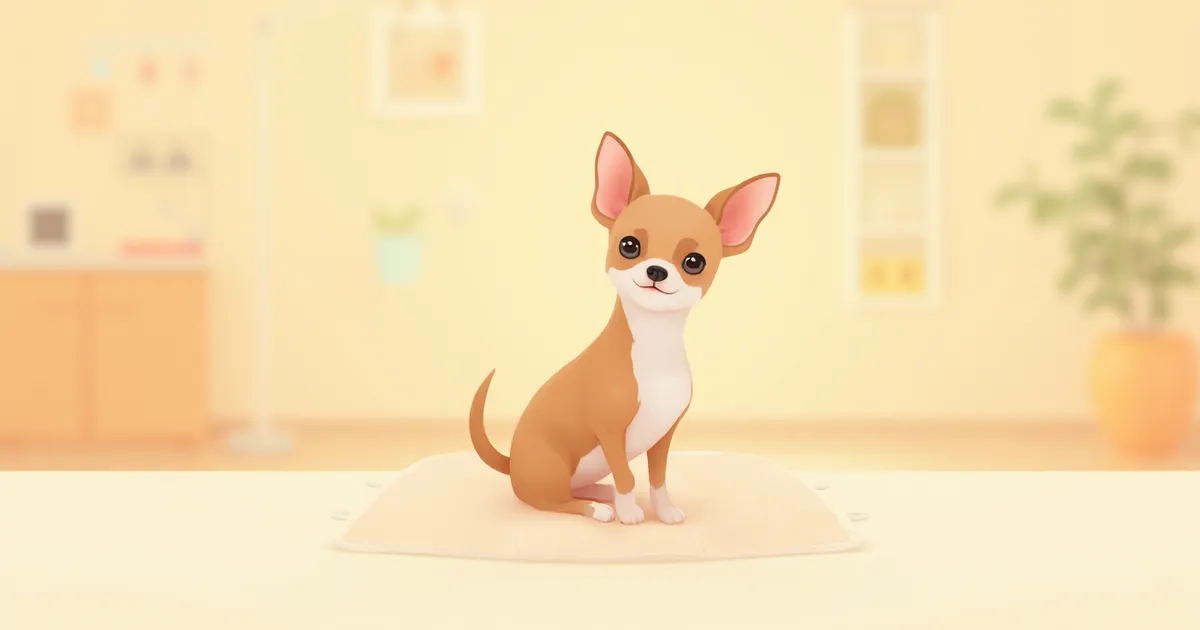
Complete Guide to Chihuahua Genetic Disorders — 7 Conditions from Patellar Luxation to Heart Disease
Chihuahuas are prone to hereditary conditions such as patellar luxation, hydrocephalus, and dental issues, which are common in their small frames. Here’s a comprehensive overview of the key points for lifelong care.
What Are Chihuahua Genetic Disorders?

Top 5 Genetic Conditions Common in Chihuahuas
Quick Comparison of Major Chihuahua Genetic Disorders
| Item | Patellar luxation | Hydrocephalus | Dental problems |
|---|---|---|---|
| Time of onset | 6 months of age to adulthood | 2–6 months of age | After deciduous teeth replacement |
| Main signs | Skipping gait / lifting hind leg | Large head / seizures / sudden behavior | Bad breath / tartar / retained deciduous teeth |
| Diagnostic method | Palpation / X-ray | Ultrasound / MRI / CT | Oral exam / dental X-ray |
| Management points | Weight management / slip prevention | Impact protection / drug treatment | Regular scaling / extraction |
Because symptoms vary greatly between individuals, early detection through regular checkups is important
Signs Owners Must Check For

Symptoms Requiring Immediate Veterinary Care
If your Chihuahua shows any of the following symptoms, don’t wait 24 hours—seek veterinary care immediately. These are emergencies: seizures lasting more than 1–2 minutes or occurring in rapid succession; a puppy suddenly becoming lethargic with pale gums (suggesting hypoglycemia); head tilting to one side and stumbling; or labored breathing with a bluish tongue. In particular, hypoglycemia in young Chihuahuas can lead to decreased consciousness within just a few hours.
Hydrocephalus and Molera — Head Structure-Related Conditions
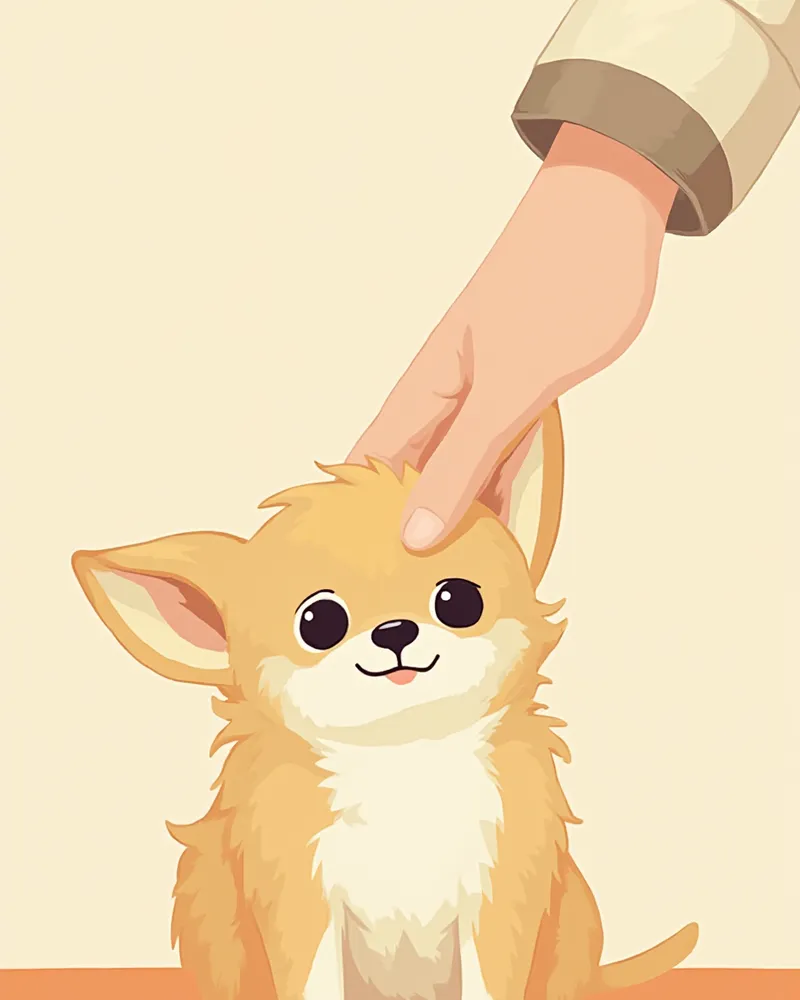
Patellar Luxation — The Most Common Orthopedic Condition
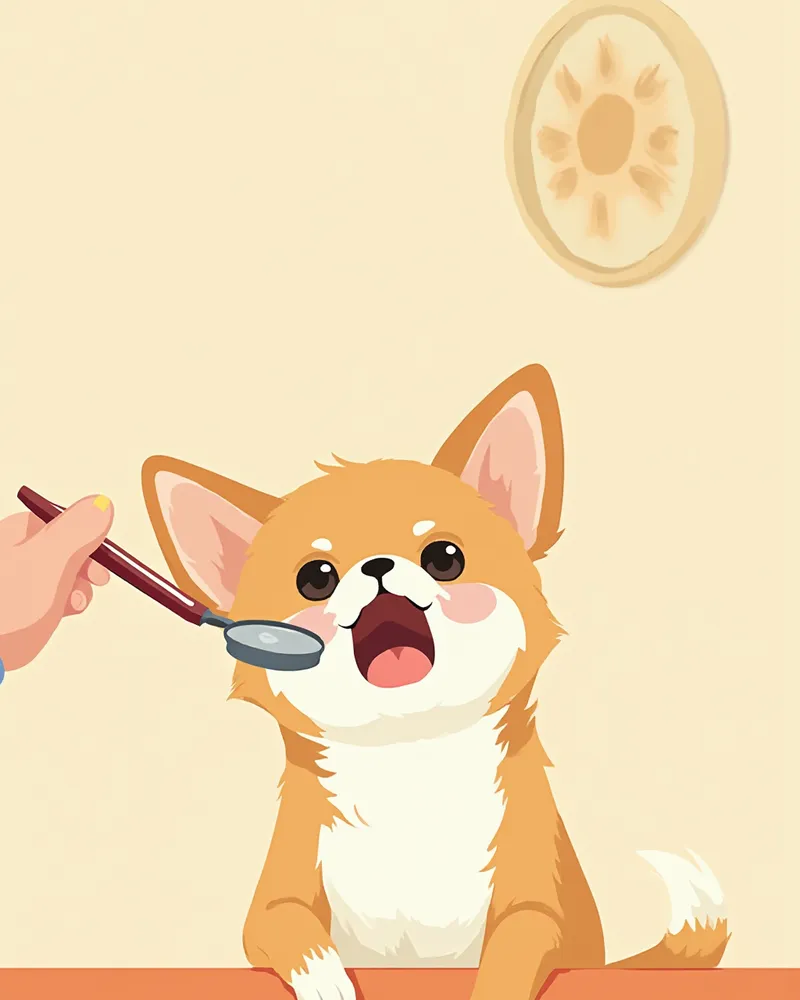
Dental Issues, Hypoglycemia, and Other Key Considerations
Lifelong Care Points for Chihuahuas
Chihuahuas should maintain a healthy weight throughout their lives, and owners should minimize jumping and stair use to reduce stress on their knees. Use a harness instead of a collar to avoid head impact, and during puppyhood, offer frequent, small meals to ensure they don’t skip any. Regular check-ups at least once a year, including dental exams and, if necessary, patellar and heart auscultations, are recommended. By consistently following these care routines, owners can significantly slow the progression of genetically predisposed conditions.
Reviewed by a veterinarian

Dr. Tony — Punnawat Phongkittirak
VeterinarianA veterinarian who majored in veterinary medicine at Khon Kaen University, Thailand, and completed the IVSA program at North Carolina State University in the United States. Drawing on clinical experience at animal hospitals, he works in the pet healthcare field and is dedicated to building a digital care environment that connects pet parents with veterinarians.
Reviewed 2026-04-30
Frequently Asked Questions
Do all Chihuahuas develop patellar luxation?
Is it normal for there to be a soft spot on the top of my pet's head?
My young Chihuahua suddenly collapsed. What should I do?
When do Chihuahuas start needing dental scaling?
Do Chihuahuas with genetic conditions need to take medication for their entire lives?
Share
Related Guides

Top 7 Short-Legged Dog Breeds

Primary vs. Secondary Veterinary Hospitals: A Comparison

5 Easy-to-Raise Cat Breeds for First-Time Owners — Grooming Difficulty Comparison

7 Genetic Conditions in Siberian Cats — From Symptoms to Lifelong Care

Siberian Husky Triple-Coat Grooming — Brushing, Blow-Drying, and Skin Care for Shedding Season

The Ultimate Guide to PK Deficiency Screening in Siberian Cats

Siberian HCM Screening: Complete Guide to Age-Specific Schedules, Intervals, and Result Interpretation

Complete Guide to Himalayan Genetic Conditions — 7 Key Issues from Kidney Disease to Eye Disorders
Bengal Cat HCM Screening — Complete Guide to Timing, Frequency, and Costs

Bengal PK Deficiency (Anemia) — A Complete Guide from Symptoms to Genetic Testing and Management
References
[1] Schaer M, Gaschen F. Clinical Medicine of the Dog and Cat, 4th Ed, Chapter 14 Disorders of the Nervous System and Muscle
[2] Schaer M, Gaschen F. Clinical Medicine of the Dog and Cat, 4th Ed, Patellar Luxation 관련 챕터
[3] Lindsay R. Notes on Canine Internal Medicine, 4th Ed, Breed Predisposition
[4] American College of Veterinary Surgeons (ACVS), Patellar Luxation Owner Guide