
Scottish Fold Osteochondrodysplasia: A Complete Guide to Symptoms and Age-Appropriate Lifelong Management
Scottish Fold osteochondrodysplasia is a congenital skeletal disorder in which the Fd gene responsible for folded ears causes abnormal cartilage development throughout the body. Early detection and age-appropriate management can help preserve your pet’s quality of life.
What is Scottish Fold Osteochondrodysplasia?
Why Only Scottish Folds Get This Condition
Age-Specific Symptoms: How Does It Progress?
See These Signs? Go to the Vet Immediately
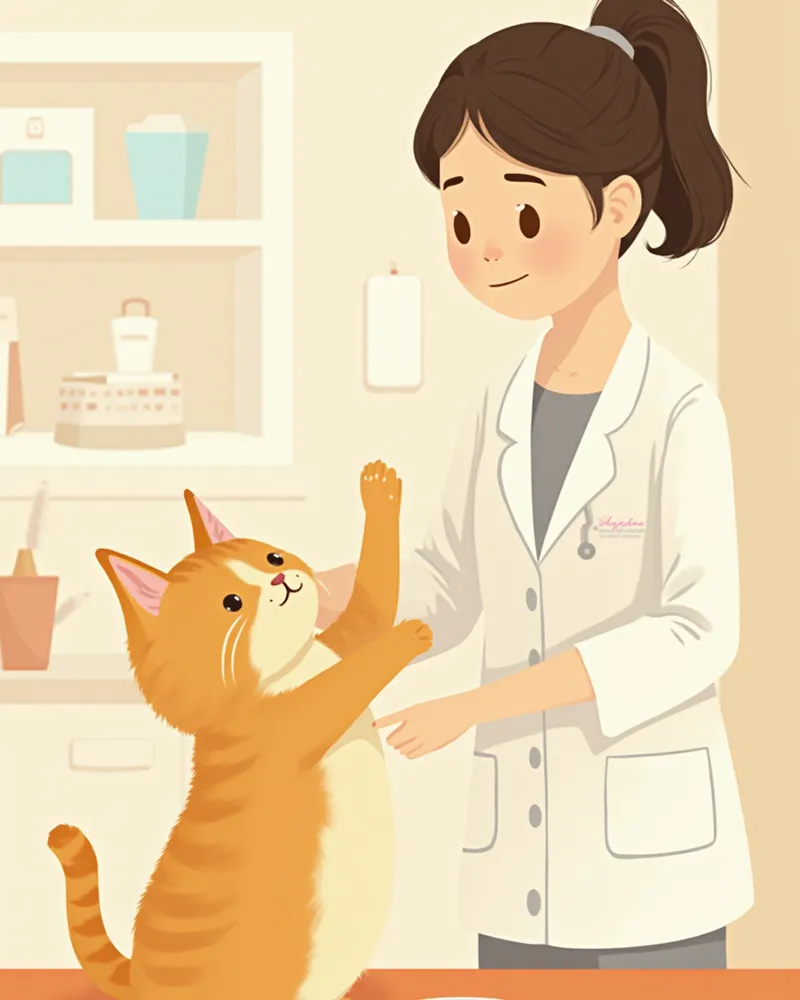
If your cat reacts aggressively when you touch its tail, stops jumping altogether, or walks with a limp, it is likely experiencing significant pain. Immediate veterinary examination is also necessary if the ankle appears noticeably swollen or deformed. Since cats have a strong tendency to hide their pain, it is crucial to closely monitor any changes in their behavior.
How Is Diagnosis Made?
Age-Specific Lifelong Health Management Points
Treatment and Pain Management Methods
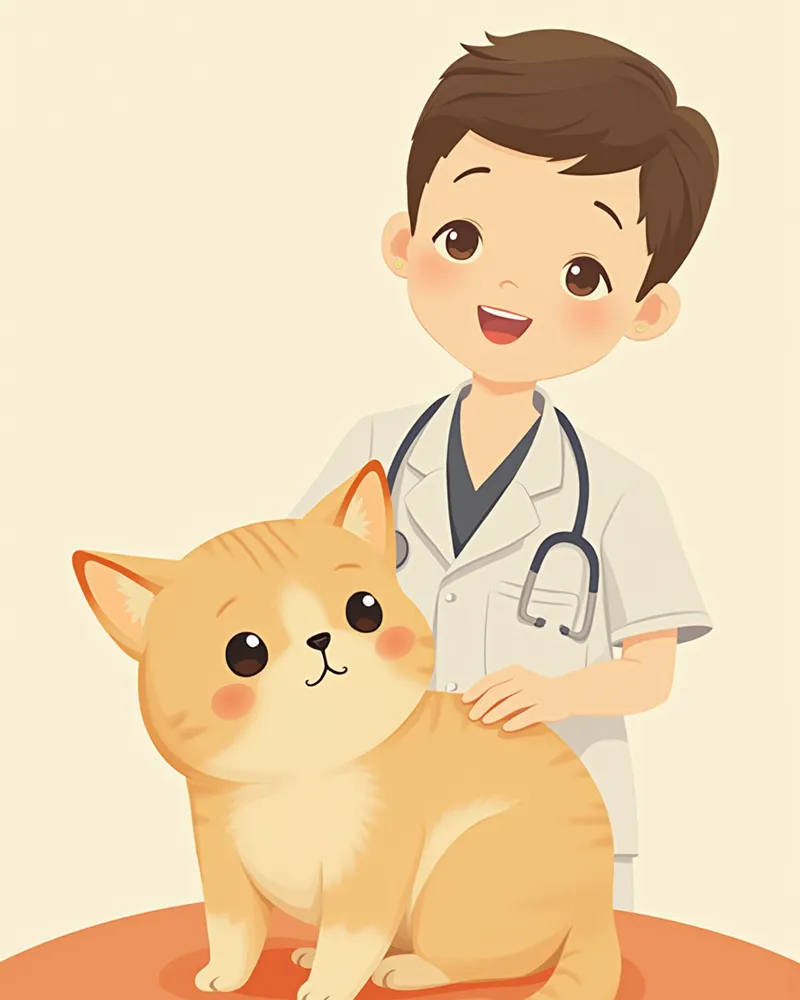
Be Sure to Check Before Adopting
Before adopting a Scottish Fold, always request the X-ray screening results of the kitten’s parents. Reputable breeders will openly share the results of their osteochondrodysplasia screenings. If you’ve already adopted a Scottish Fold, the best course of action is to begin baseline health screenings at a specialized feline clinic immediately. We also recommend screening for Scottish Straights (cats with upright ears) if either parent is a Scottish Fold.
Home Environment Improvements You Can Do
Reviewed by a veterinarian

Dr. Tony — Punnawat Phongkittirak
VeterinarianA veterinarian who majored in veterinary medicine at Khon Kaen University, Thailand, and completed the IVSA program at North Carolina State University in the United States. Drawing on clinical experience at animal hospitals, he works in the pet healthcare field and is dedicated to building a digital care environment that connects pet parents with veterinarians.
Reviewed 2026-05-28
Frequently Asked Questions
Do all Scottish Folds have osteochondrodysplasia?
If the ear is only slightly folded, are the symptoms mild?
Is a complete cure possible?
Are Scottish Straights (those with erect ears) safe?
How often should my pet have a checkup?
Share
Related Guides
Top 5 Patellar Support Braces for Dogs — Stage-by-Stage Size Guide
Curcumin Efficacy and Anti-inflammatory/Joint Support
Top 5 Recommended Joint Supplements for Dogs in 2026

MYBPC3 Genetic Testing for Ragdoll HCM — Lifelong Management for a Predisposed Breed

Doberman DCM — Regular Screening Guide for High-Risk Breeds

Brachycephalic Globe Proptosis: A Complete Guide from Emergency Response to Lifelong Eye Care

Bedlington Terrier Copper Accumulation: A Complete Guide to Symptoms, Screening, and Treatment for This Hereditary Liver Disease
Jindo Hip Dysplasia — Complete Guide to Symptoms, Screening Timing, and Lifelong Management
High Incidence of Cushing’s Disease in Poodles — Symptoms in Senior Dogs and Timing for Regular Check-ups
High Incidence of Mediastinal Lymphoma in Siamese Cats — Early Signs of Respiratory Distress
References
[1] Little SE (Ed.). The Cat: Clinical Medicine and Management, 2nd Ed. Elsevier; 2012.
[2] Schaer M (Ed.). Clinical Medicine of the Dog and Cat, 4th Ed. CRC Press; 2022. Chapter 15: Osteochondrodysplasia.
[3] Sparkes AH, Bessant C. 100 Top Consultations in Small Animal General Practice. Wiley-Blackwell; 2010. Section 5: Osteochondrosis.
[4] Lyons LA. Genetic testing in domestic cats. Molecular and Cellular Probes. 2012;26(6):224-230.