Like
Share
멍실장
코카스파니엘 건강 관리 — 귀·눈·관절 질환 예방과 관리법

Cocker Spaniel Health Care — Prevention and Management of Ear, Eye, and Joint Diseases

Eye HealthBreed HealthMeongsiljang Veterinary Advisory Board

We’ve compiled the causes and symptoms of otitis externa, glaucoma, and patellar luxation—conditions to which Cocker Spaniels are particularly susceptible—along with preventive care measures you can do at home.

What Are Cocker Spaniels Prone To?
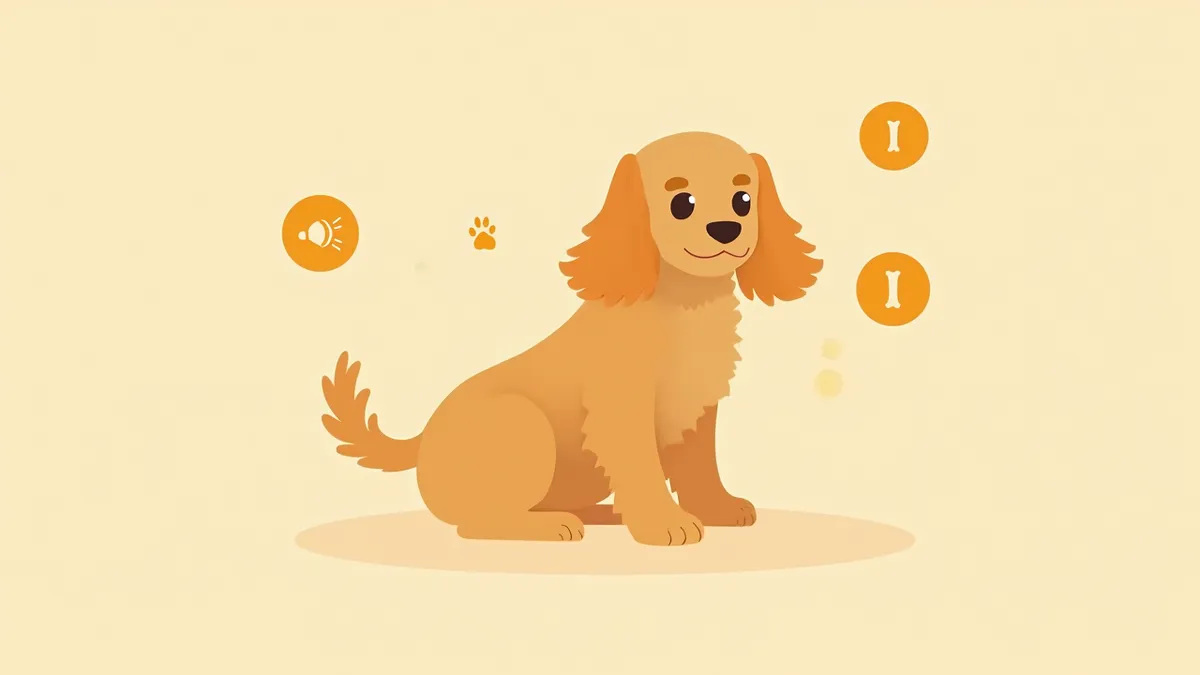
Illustration: Overview of ear, eye, and joint health in Cocker Spaniels
Cocker Spaniels are a beloved breed thanks to their cheerful and affectionate nature. However, there are specific health aspects that require careful attention. The key areas to focus on are the ears, eyes, and joints. Their long, floppy ears make them prone to otitis externa, their eyes carry a higher risk of glaucoma, and they are susceptible to patellar luxation. With proper knowledge and care, most of these issues can be prevented or detected early, so let’s go through each one.

Three Conditions Cocker Spaniels Should Be Especially Watchful For

Otitis externa: This is an ear condition in which a warm, moist environment inside the ear canal allows bacteria and yeast to proliferate. Cocker Spaniels are especially prone to this condition due to their long, heavy ears.
Glaucoma: This eye disease occurs when abnormally high intraocular pressure damages the optic nerve. The American Cocker Spaniel is known to have a genetic predisposition to primary glaucoma. The underlying tissue changes progress gradually over a long period, but the condition often manifests acutely over a short timeframe.
Patellar luxation: This joint disorder involves the kneecap slipping out of its normal position, either medially or laterally. It can occur in Cocker Spaniels and often begins subtly, with the dog intermittently lifting a leg while walking.

The Problem Caused by Floppy Ears: Otitis Externa
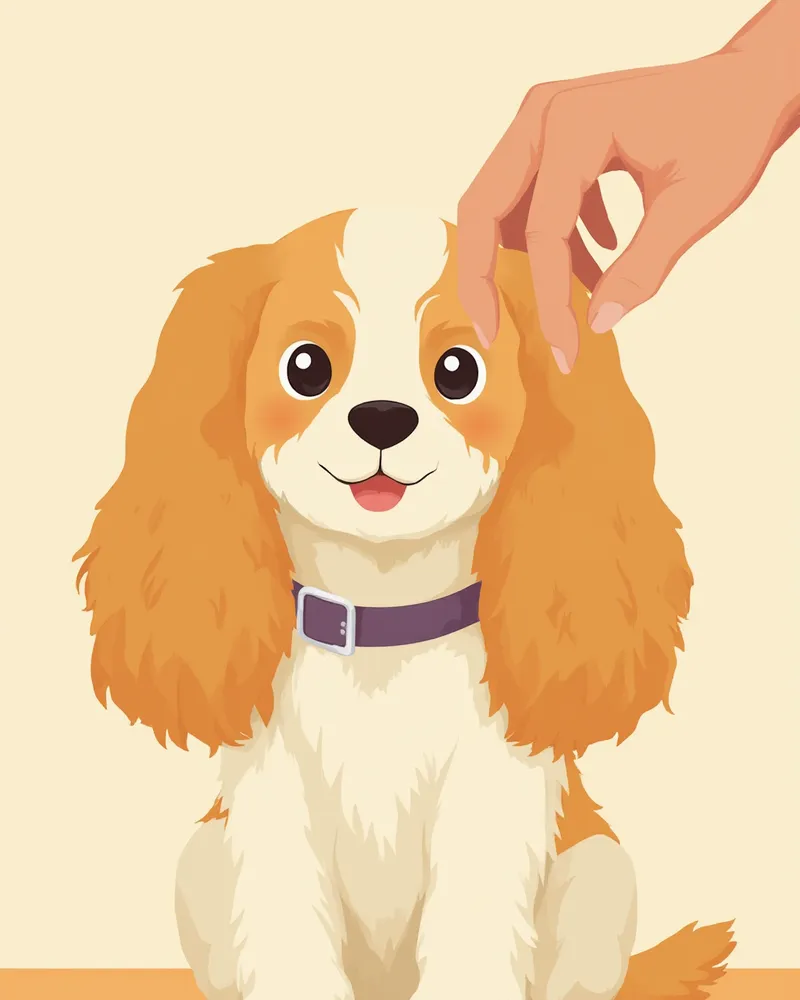
Cocker Spaniels’ long, heavy ears restrict airflow inside the ear canal. According to veterinary dermatology textbooks, this breed is particularly prone to prominent proliferation of the ear’s ceruminous glands (ceruminous glands) and narrowing of the ear canal when chronic otitis externa develops. When these glands enlarge excessively, excess earwax accumulates and the ear canal narrows, creating a vicious cycle that worsens inflammation. Infections with bacteria such as Pseudomonas aeruginosa can lead to pus discharge and even cause the skin around the ear to become macerated. If detected early, the condition can be managed with ear cleaning and medication; however, if left untreated, it may progress to otitis media.
Illustration of an ear examination for a Cocker Spaniel

Don't Ignore Ear Odor and Discharge

If your pet frequently scratches its ears, shakes its head, or has an odor coming from the ears, it is highly likely that otitis externa is already present. If you notice these symptoms, avoid cleaning the ears at home with cotton swabs, as this can worsen the condition. Instead, be sure to have an otoscopic examination performed at a veterinary clinic.

Suspect Glaucoma If the Eyes Look Red or Enlarged

According to veterinary ophthalmology textbooks, Cocker Spaniels—particularly the American type—have a genetic predisposition to primary glaucoma. Underlying changes, such as trabecular meshwork atrophy, accumulate gradually over several years and often manifest as an acute form in which intraocular pressure rises sharply within hours due to collapse of the ciliary cleft (trabecular angle). If you notice redness in the eye, a change in pupil size (dilation or constriction), or difficulty opening the eye, suspect elevated intraocular pressure. Because damage to the optic nerve from glaucoma is irreversible, early detection is crucial.
Illustration of a Cocker Spaniel undergoing an eye health examination

Limping Hind Legs May Indicate Patellar Luxation

Patellar luxation is a condition in which the kneecap slips out of its normal position, either inward or outward. It can occur in Cocker Spaniels as well, and pain is often not prominent during physical examination. Initially, the signs may be mild, such as the dog intermittently lifting a leg or limping while walking, only to return to normal shortly afterward. However, as the frequency and severity of symptoms increase, everyday walking can become difficult, and surgical treatment may be necessary. It is important to consult with your veterinarian about the treatment plan based on the severity of the symptoms. If your dog suddenly lifts its hind leg while walking or appears stiff when sitting down and standing up, please have it evaluated by a veterinary orthopedic specialist. For more information on the symptoms of patellar luxation, please refer to our Patellar Luxation Symptoms Guide.
An illustration of a Cocker Spaniel lifting its hind leg while on a walk

Health Care Points You Can Do at Home

Ear care: Clean the ears once or twice a week with a dedicated ear cleaner. It is important to thoroughly remove any moisture from inside the ears after bathing or swimming.
Eye care: Regularly monitor your pet’s eye color, size, and pupil changes. If you notice any abnormalities such as redness, changes in pupil size, or difficulty opening the eyes, visit a veterinary clinic immediately. Regular eye pressure checks can help detect glaucoma early.
Joint care: Maintaining a healthy weight is the foundation of joint health. Please discourage your pet from jumping down from high places.
Diet management: A balanced, species-appropriate pet diet is essential for overall health. If you are considering adding supplements, always consult with your veterinarian before administering them.

Regular Check-ups Are the Most Reliable Prevention

Cocker Spaniels are predisposed to ear and eye conditions, making regular veterinary check-ups especially important for this breed. Schedule a comprehensive health exam at least once a year, and specifically request that it includes intraocular pressure testing and otoscopic examination of the ears. Primary glaucoma is a progressive disease with a genetic predisposition, so it is crucial to monitor both eyes regularly. If an issue is detected in one eye, we strongly recommend having the other eye thoroughly examined as well.

Reviewed by a veterinarian

Dr. Tony — Punnawat Phongkittirak

Dr. Tony — Punnawat Phongkittirak

Veterinarian

A veterinarian who majored in veterinary medicine at Khon Kaen University, Thailand, and completed the IVSA program at North Carolina State University in the United States. Drawing on clinical experience at animal hospitals, he works in the pet healthcare field and is dedicated to building a digital care environment that connects pet parents with veterinarians.

Frequently Asked Questions

How often should I clean my Cocker Spaniel’s ears?
Clean your pet’s ears with a dedicated ear-cleaning solution once or twice a week. Be sure to dry the ears immediately after bathing or swimming. Avoid inserting cotton swabs deep into the ear canal, as this can cause injury.
Can glaucoma be prevented in advance?
While complete prevention is difficult in breeds with a genetic predisposition, early detection is possible through regular intraocular pressure checks. Since primary glaucoma progresses due to this genetic predisposition, it is important to closely monitor the unaffected eye if an issue is detected in one eye.
Are there any health differences between the American Cocker Spaniel and the English Cocker Spaniel?
Both breeds are prone to ear problems, and they share a breed-specific tendency for ceruminous gland hyperplasia and ear canal stenosis when chronic otitis externa persists. While primary glaucoma predisposition is most commonly reported in American Cocker Spaniels, both breeds require careful attention to eye health. The most accurate approach is to consult with your veterinarian to determine the appropriate breed-specific screening tests.
My Cocker Spaniel keeps getting recurrent otitis externa. What should I do?
Cocker Spaniels are prone to recurrent chronic otitis externa, often accompanied by proliferation of the ear glands (ceruminous glands) and narrowing of the ear canal. Regular ear cleaning is essential, along with veterinary evaluation to identify underlying causes such as allergies or glandular hyperplasia. Once the condition becomes chronic, treatment becomes significantly more challenging, so consistent early management is key.

Share

Related Guides

References

[1] BSAVA Manual of Canine and Feline Dermatology, 4th Ed — Chapter 20: Otitis Externa

[2] Clinical Atlas of Canine and Feline Ophthalmic Disease, 2nd Ed — Chapter 163: Primary Glaucoma

[3] The Veterinary Workbook of Small Animal Clinical Cases — Case 30: Glaucoma and Breed Predisposition

This information is based on veterinary literature and does not replace diagnosis or treatment. Please consult a veterinarian for specific health concerns.

Metapet Co., Ltd. | CEO: Park Sung-yong | Business Reg. No. 417-88-02562 | Seoul, South Korea | Customer Center

Cocker Spaniel Health: Ear, Eye & Joint Disease Care | Meongsiljang