Like
Share
멍실장
사모예드 고관절이형성 주의점과 연령별 평생 건강관리 가이드

Key Points on Hip Dysplasia in Samoyeds and a Lifelong Age-Specific Health Management Guide

JointBreed HealthMeongsiljang Veterinary Advisory Board

We’ve compiled the essential information every Samoyed owner should know, covering the causes and symptoms of hip dysplasia, age-specific prevention and management strategies, and treatment options.

Samoyeds and Hip Dysplasia — Why You Must Know
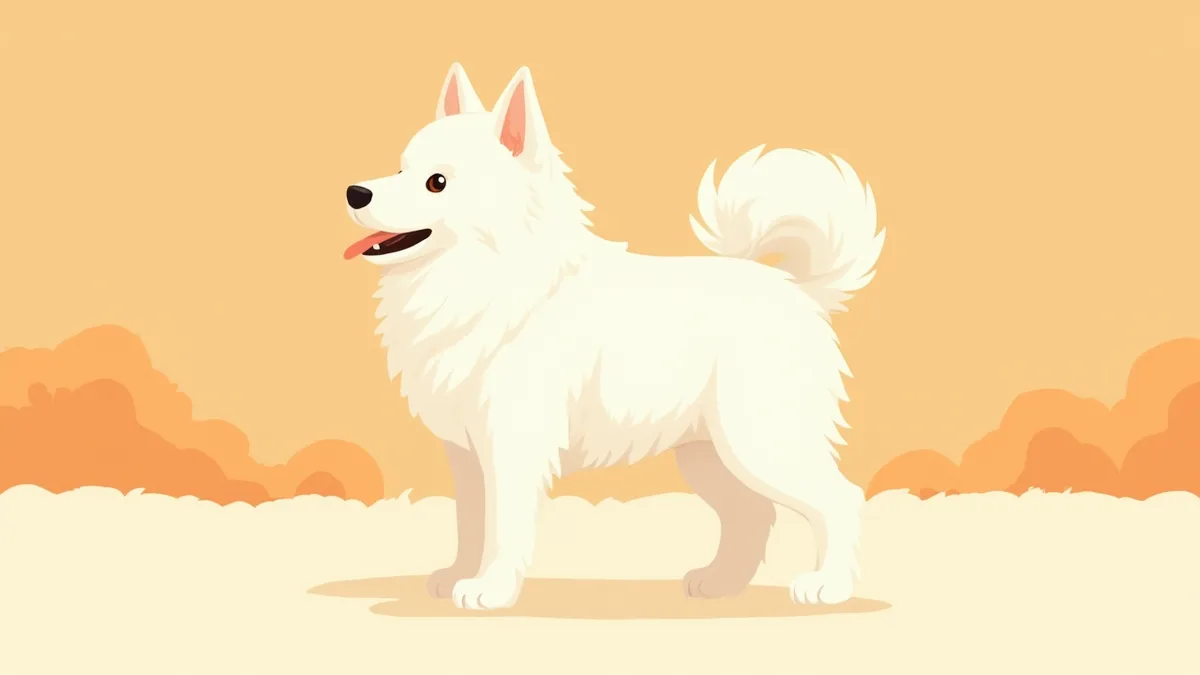
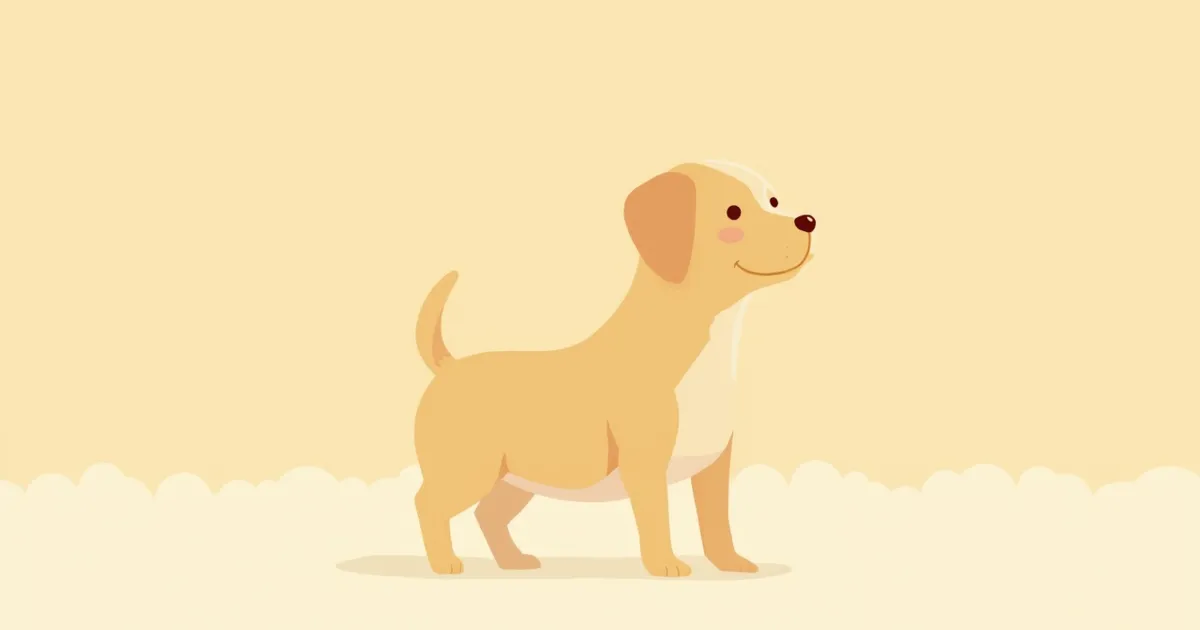
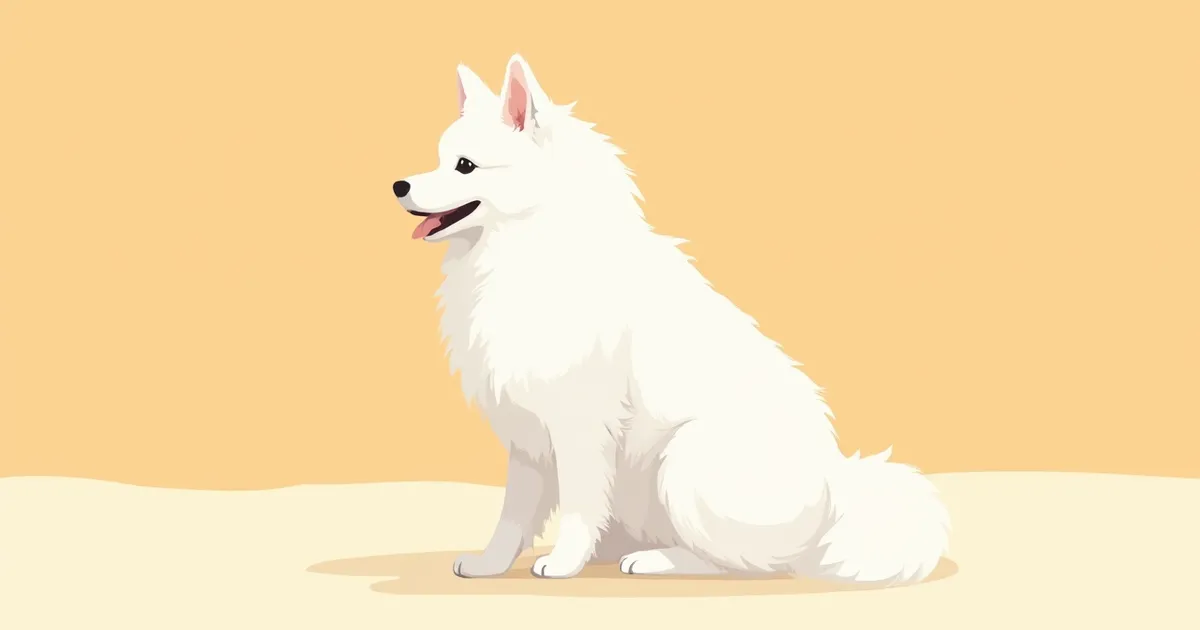
A Samoyed standing healthily
Hip dysplasia in Samoyeds is a developmental and progressive joint disease in which the head of the femur does not fit properly into the acetabulum, leading to joint instability, chronic inflammation, pain, and eventually osteoarthritis. It is crucial to note that large breeds like the Samoyed are at higher risk for hip dysplasia. Puppies are born with normal hip joints, but laxity and malalignment develop during growth, causing the condition to progress gradually. Consequently, clinical signs often become apparent only in middle age, when osteoarthritis and pain set in. For at-risk breeds, the key is to manage weight and exercise during the growth period, monitor changes in gait and activity levels, and have regular check-ups with a veterinarian.

Why Are Samoyeds Prone to Hip Dysplasia?

While genetics play the biggest role in hip dysplasia, growth rate, weight, nutritional status, and exercise levels also influence its development. Samoyeds are a large breed that tends to gain weight rapidly during their fast-growth phase, which can easily increase the burden on their joints. Excessive running or jumping in puppyhood, or living on slippery floors, can negatively affect joint development. It’s also important to check the hip screening history of the parent dogs before getting a puppy.

Check Immediately If You Notice These Symptoms
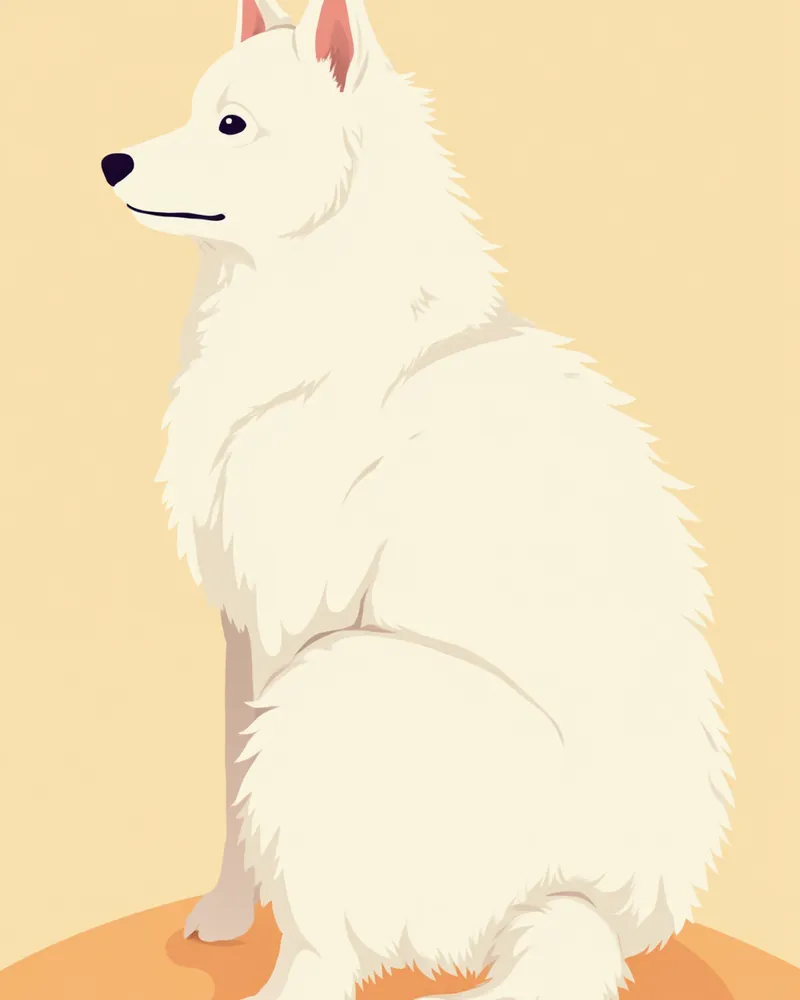
Limping in the hind legs: This is especially noticeable after exercise or when getting up in the morning.
Abnormal sitting posture: Your pet may sit with their hind legs twisted to one side or lie down more frequently.
Reluctance to climb: They may suddenly hesitate or refuse to climb stairs or get onto the sofa.
Muscle atrophy: The muscles around the hips may appear noticeably thinner or show asymmetry between the left and right sides.
Bunny-hopping gait: A distinctive gait emerges where both hind legs are thrust forward simultaneously.
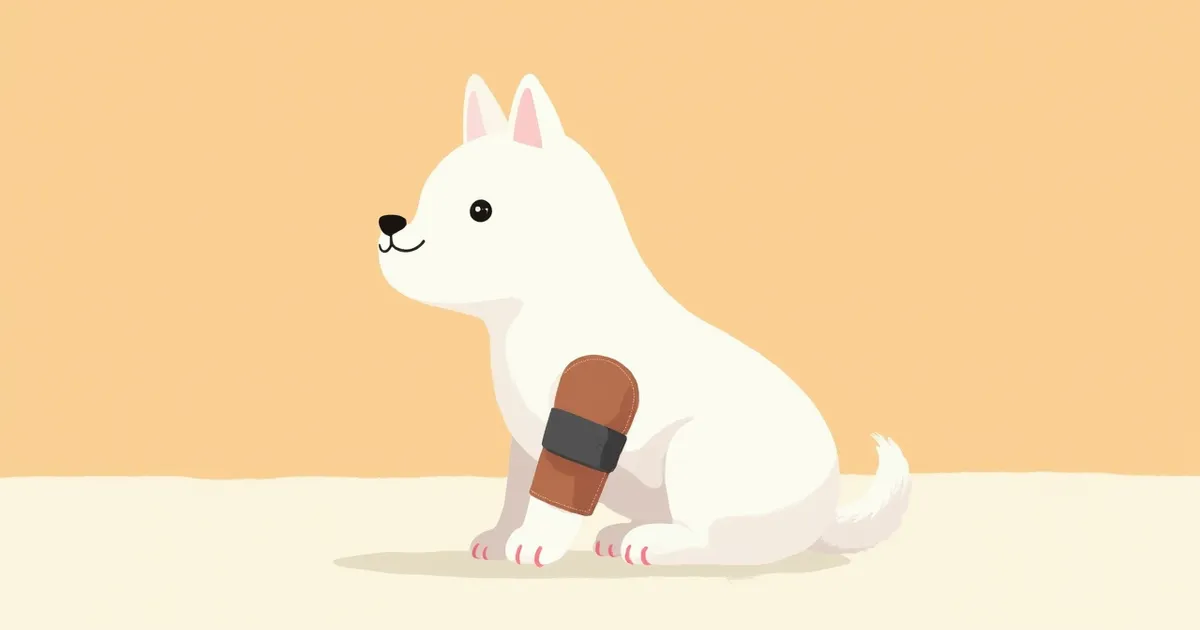
The hind legs and hip area of a Samoyed

Visit the Vet Immediately If You See These Symptoms

If your dog suddenly starts walking with a raised hind leg, struggles to get up from the floor on its own in the morning, refuses to let you touch its hip area due to pain, or continues limping for several days without improvement, you should visit a veterinary clinic without delay. Even if conservative management has been initiated, noticeable improvement is typically seen within two weeks. If no such improvement occurs, it is advisable to return for a follow-up visit within two to four weeks to reassess the diagnosis and treatment plan. The sooner the condition is detected and addressed, the more effectively pain and joint damage can be minimized.

Age-Specific Hip Health Management Points

0–12 months: Free-feeding and rapid growth increase the risk of hip dysplasia, so it’s important to avoid overfeeding and maintain a lean body condition throughout the growth period. Keep calorie intake moderate, but choose a puppy food with adequate protein to support healthy development. Avoid excessive jumping and slippery floors, and use controlled leash walks to strengthen the muscles and supportive structures around the joints. Around 12 months of age, consult your veterinarian about an initial hip radiograph.
1–6 years: The key is maintaining an ideal body weight and engaging consistently in low-impact exercises such as walking on flat surfaces or swimming. Shorter, more frequent leash walks are better than long, infrequent ones, as they help reduce stress on the joints.
7 years and older: If your dog shows signs of pain, work with your veterinarian to develop a pain management plan (including NSAIDs, if appropriate) along with an exercise and weight management strategy, and have regular check-ups to monitor any changes in condition.

How Is Hip Dysplasia Diagnosed?

The cornerstone of diagnosis is radiography (X-rays). Images are taken with the dog in dorsal recumbency, positioned ventrodorsally with both femurs fully extended and parallel, and the knees (stifle joints) rotated inward. This allows evaluation of acetabular depth, femoral head congruency, and the extent of subluxation and arthritic changes. Physical examinations, such as the Ortolani test, complement the diagnosis, and sedation may be used to achieve precise positioning when necessary. For severe cases or when further assessment is needed, more detailed imaging via CT, MRI, nuclear scintigraphy, or arthroscopy can be performed.
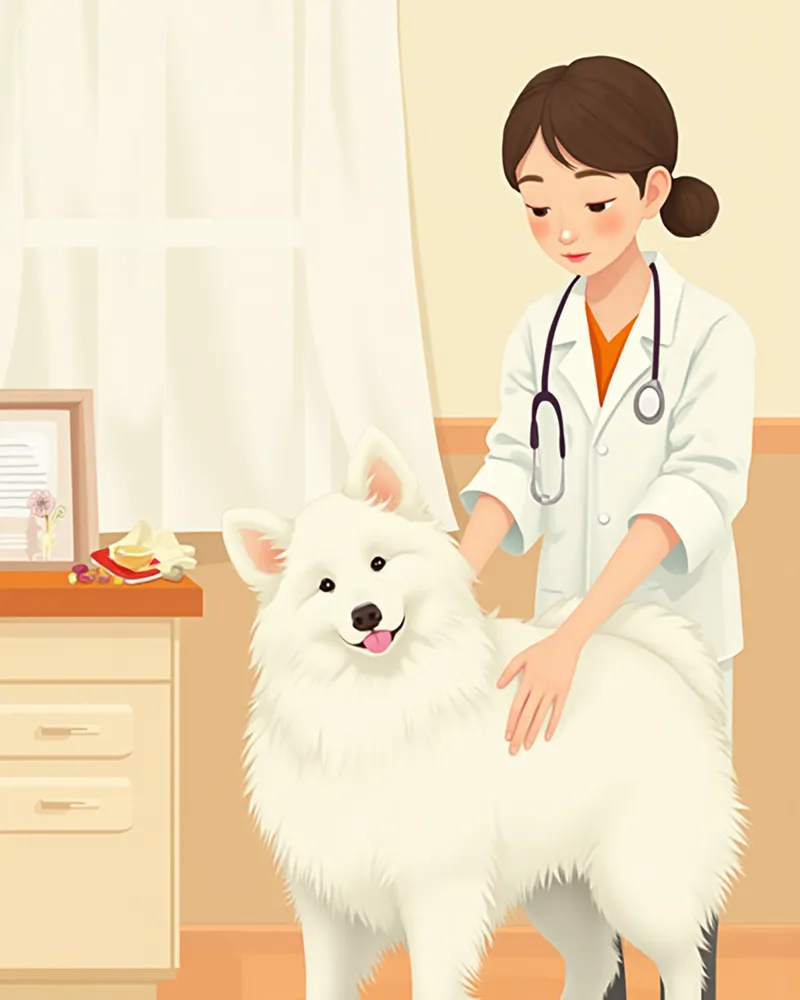
A Samoyed undergoing a hip examination at a veterinary clinic

Treatment Options — Manageable Without Surgery

Treatment is divided into conservative management and surgery, depending on the severity of symptoms. Conservative management consists of weight control, controlled exercise (such as short, frequent leashed walks and other low-impact activities like swimming), and pain management. To alleviate pain, veterinarians typically prescribe nonsteroidal anti-inflammatory drugs (NSAIDs) for about four weeks, alongside an exercise program that restricts activity. Many dogs with mild symptoms experience reduced discomfort and significantly improved quality of life through conservative management alone, especially as their skeletons mature. If pain is poorly controlled or joint damage is severe, the veterinarian will determine whether surgery (such as pelvic osteotomy, femoral head ostectomy, or total hip replacement) is necessary.
A Samoyed undergoing aquatic rehabilitation

What Samoyed Owners Should Pay Special Attention To

Samoyeds’ thick double coat can easily mask signs of pain. Even if they appear fine on the surface, any changes in how they bear weight or sit should raise suspicion of joint issues. Additionally, cold environments can worsen joint stiffness, so pay attention to the temperature and cushioning of their sleeping area during winter.

Reviewed by a veterinarian

Dr. Tony — Punnawat Phongkittirak

Dr. Tony — Punnawat Phongkittirak

Veterinarian

A veterinarian who majored in veterinary medicine at Khon Kaen University, Thailand, and completed the IVSA program at North Carolina State University in the United States. Drawing on clinical experience at animal hospitals, he works in the pet healthcare field and is dedicated to building a digital care environment that connects pet parents with veterinarians.

Frequently Asked Questions

How common is hip dysplasia in Samoyeds?
Large breeds with a big build, like Samoyeds, are at higher risk for hip dysplasia. More important than the exact incidence rate is preventive care. Check your puppy’s parents’ hip screening history, avoid overfeeding during growth to maintain a lean body condition, and provide consistent, controlled exercise.
If it’s found in puppyhood, is surgery always necessary?
Not necessarily. In many cases, conservative treatment alone is sufficient depending on the severity of symptoms and the dog's age, and symptoms may also decrease as the skeletal structure matures. It's best to decide whether surgery is needed after reviewing the X-ray results with your veterinarian.
When is the best time to start giving joint supplements?
Before considering supplements, the most important steps are evidence-based weight management, controlled exercise, and pain relief when needed. It’s best to discuss with your veterinarian whether and when to use joint supplements.
Should I completely stop exercising?
The key is not to reduce exercise, but to change the type. Instead of high-impact activities like jumping or running, opt for low-impact exercises such as walking on flat ground or swimming. Consistent, short, and frequent leashed walks are beneficial for maintaining muscle and joint stability.
Can hip dysplasia be completely cured?
While it’s difficult to completely reverse the bony changes or laxity in the joints, making a full cure challenging, early detection and appropriate treatment and management can certainly help reduce pain and improve your pet’s quality of life. The most important thing is to stay committed and consistently manage their condition.

Share

Related Guides

References

[1] Textbook of Veterinary Orthopaedic Surgery. Hip Dysplasia: Diagnosis, Surgical Approach to Femoral Head and Neck Ostectomy, and Coxofemoral Joint Evaluation.

[2] Schaer M (Ed.). Clinical Medicine of the Dog and Cat, 4th Ed. CRC Press. Chapter: Hip Dysplasia — Definition, Overview, and Risk Factors.

[3] The Dog Care Handbook, Things I Wish My Vet Had Told Me. Hip Dysplasia: Anatomical and Conformational Problem in the Coxofemoral Joint.

This information is based on veterinary literature and does not replace diagnosis or treatment. Please consult a veterinarian for specific health concerns.

Metapet Co., Ltd. | CEO: Park Sung-yong | Business Reg. No. 417-88-02562 | Seoul, South Korea | Customer Center

Samoyed Hip Dysplasia: Key Points & Age-Specific Lifelong Care | Meongsiljang