
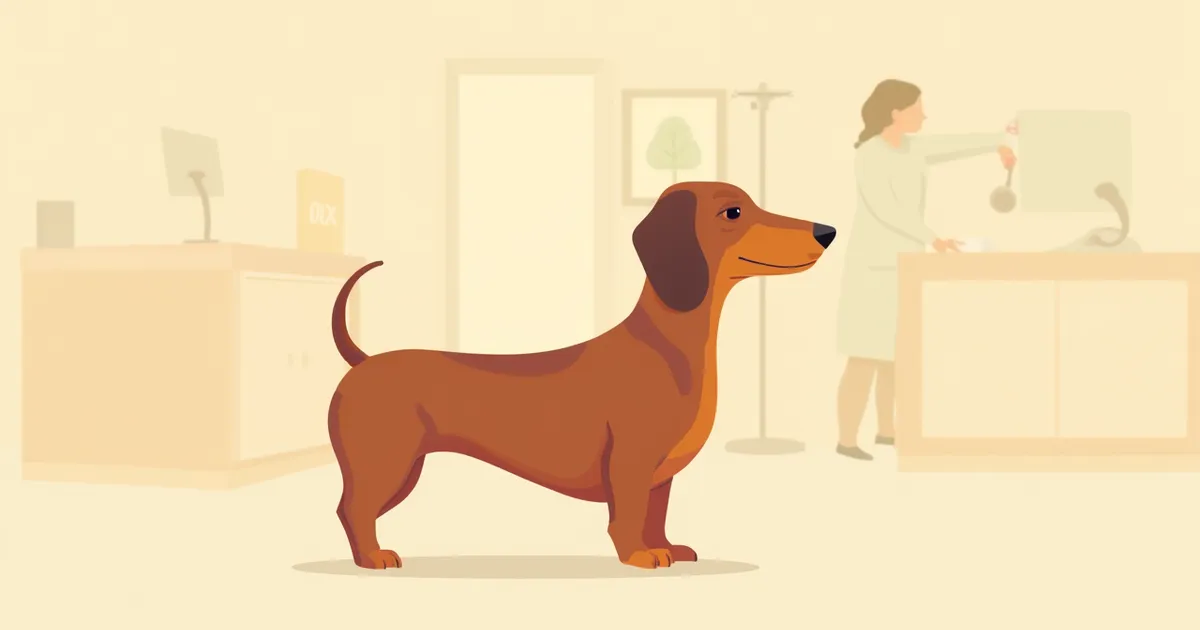
Dachshund Intervertebral Disc Disease (IVDD) Complete Guide — From Symptoms to Lifelong Age-Specific Management
Dachshunds are a chondrodystrophic breed, which puts them at a very high risk for intervertebral disc disease (IVDD). The peak age of onset is between 3 and 6 years, so maintaining a proper living environment and scheduling regular check-ups are key to protecting their spinal health.
Dachshunds and Intervertebral Disc Disease: Why Is This Breed Particularly at Risk?
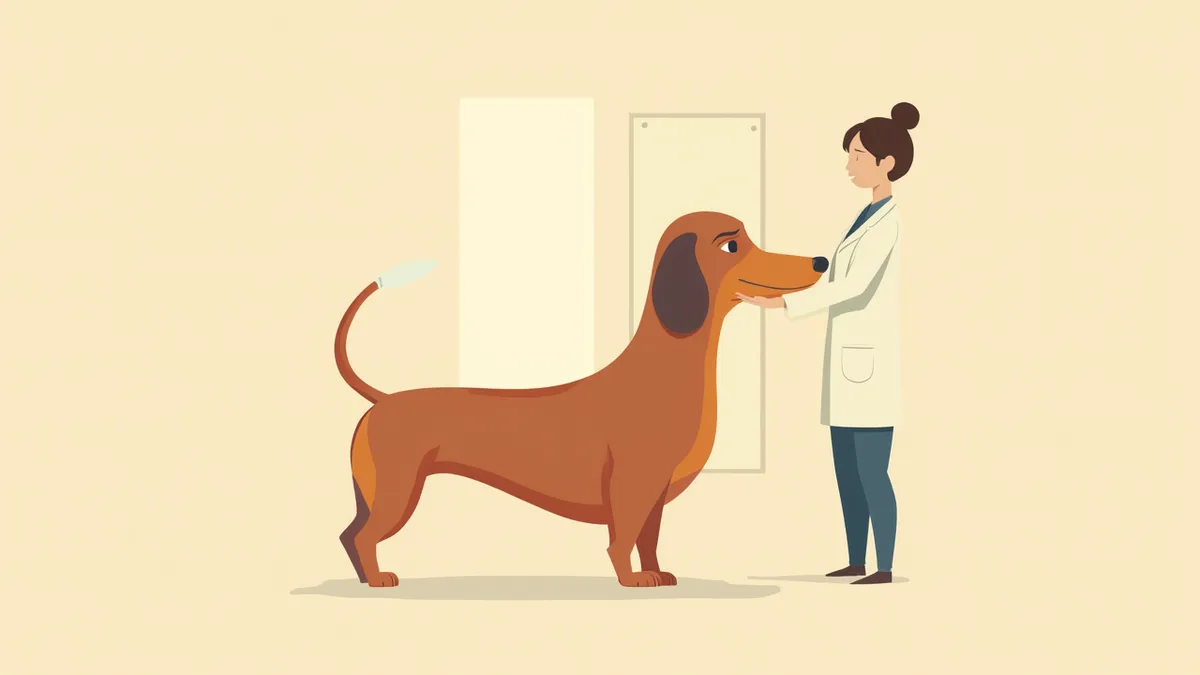
Top 4 Conditions Dachshunds Must Watch for Throughout Their Lives
Why Intervertebral Disc Disease Is Dangerous for Dachshunds — Pathogenesis
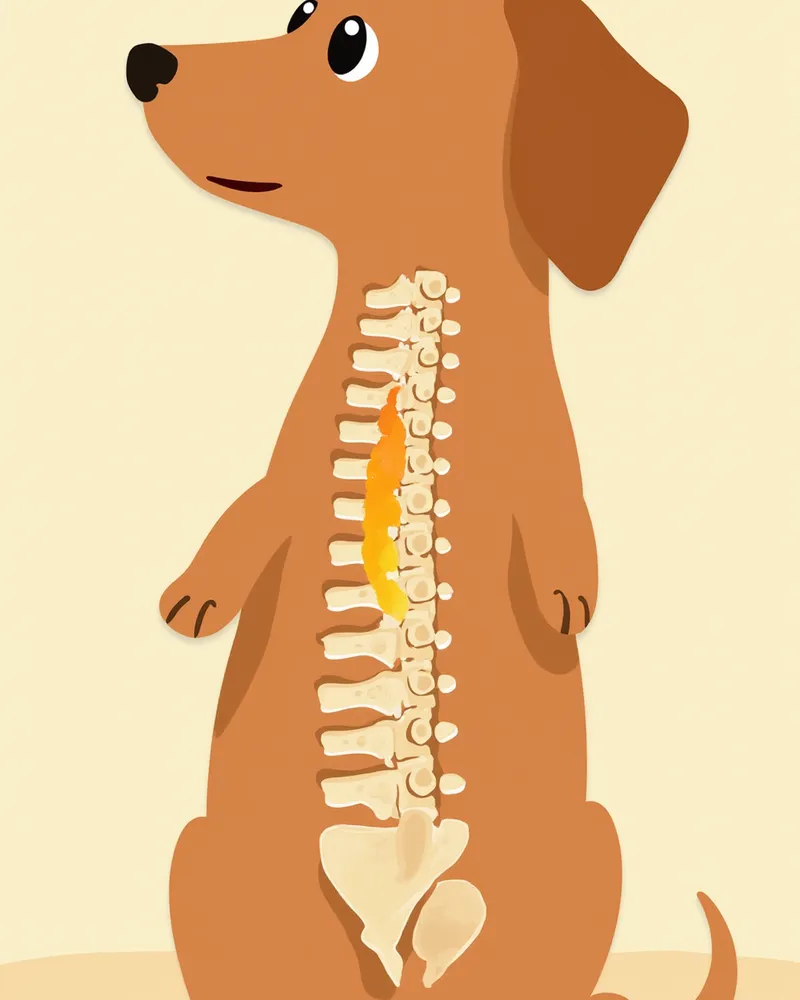
If You See These Symptoms, Go to the Vet Within 12 Hours
If your pet shows any of the following symptoms, seek veterinary care immediately: • Sudden paralysis or dragging of the hind legs • Inability to stand or a staggering gait • Sudden loss of bladder or bowel control • Crying out when the back or lower spine is touched • No response to pain when the toes are firmly pressed (loss of deep pain sensation)
Age-Specific Dachshund Spinal Health Management Guide
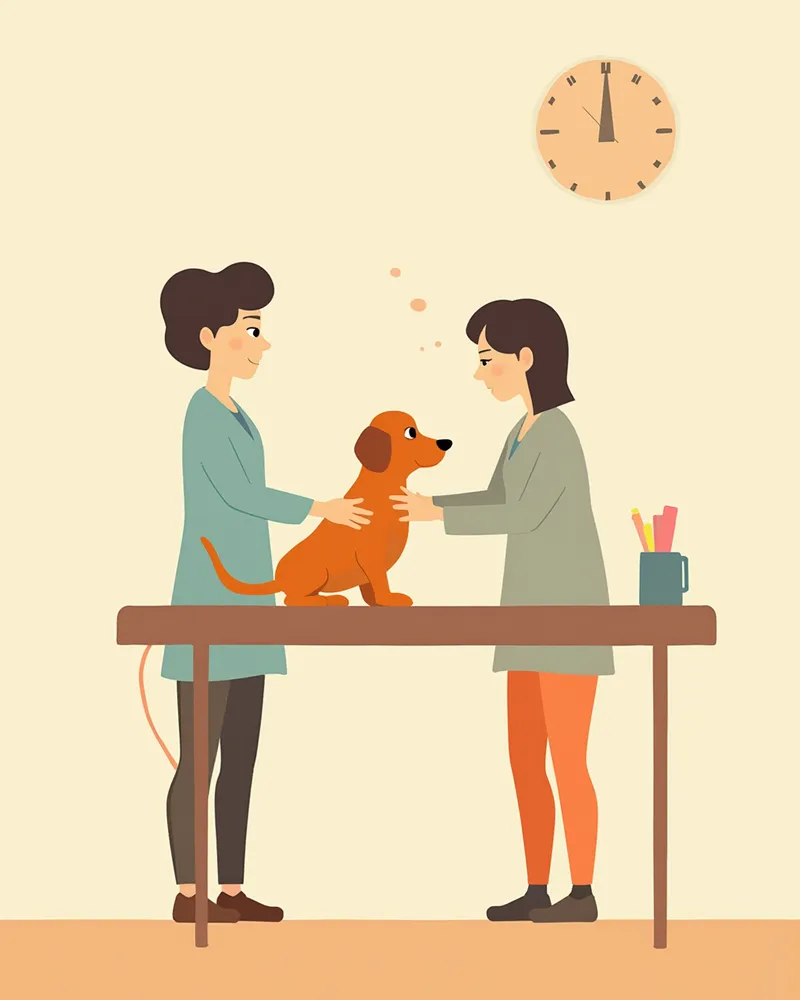
How Is Intervertebral Disc Disease Diagnosed?
Treatment Options — Varies by Stage of Symptoms
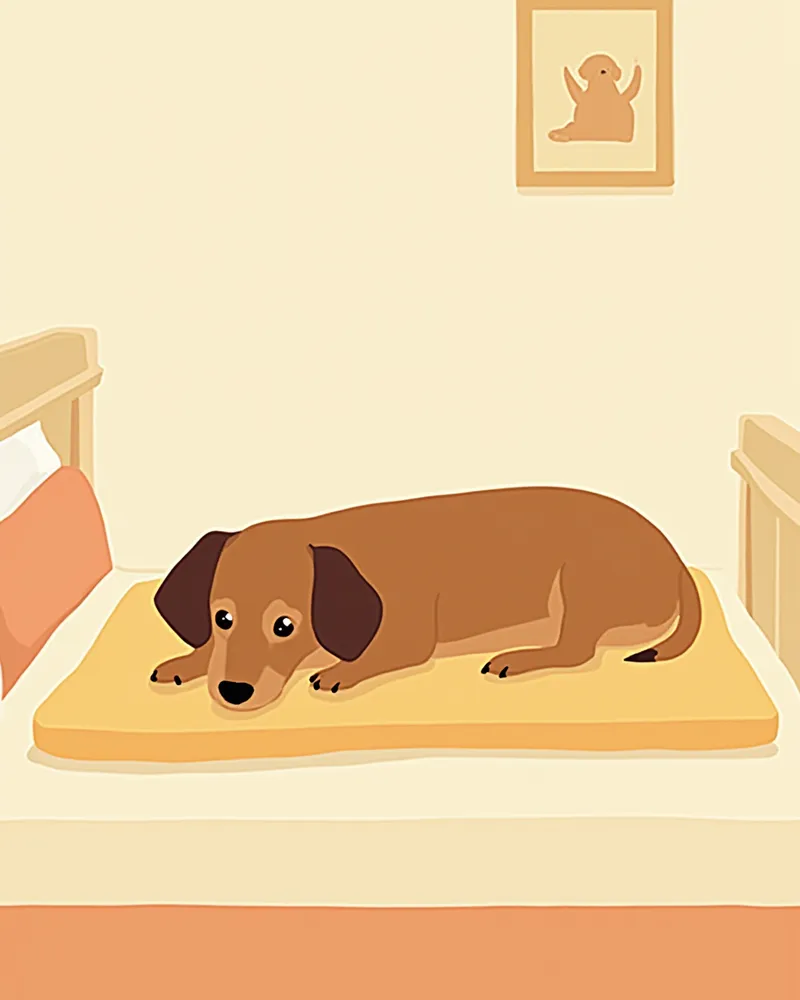
Spinal Protection Management You Can Do at Home
Important Precautions Dachshund Owners Must Know
When holding a Dachshund, always support its entire body with both hands. Lifting by the belly or lower back alone can place sudden pressure on the spine. Once a dog has experienced intervertebral disc disease (IVDD), there is a risk of recurrence. Even after full recovery, it’s important to maintain lifestyle adjustments such as installing ramps, managing weight, and preventing jumping.
Reviewed by a veterinarian

Dr. Tony — Punnawat Phongkittirak
VeterinarianA veterinarian who majored in veterinary medicine at Khon Kaen University, Thailand, and completed the IVSA program at North Carolina State University in the United States. Drawing on clinical experience at animal hospitals, he works in the pet healthcare field and is dedicated to building a digital care environment that connects pet parents with veterinarians.
Reviewed 2026-05-28
Frequently Asked Questions
How high is the risk of dachshunds developing intervertebral disc disease?
Can it be managed medically without surgery?
How long does the recovery period last after surgery for intervertebral disc disease?
Can joint supplements help prevent joint problems?
How can you tell the difference between simple muscle soreness and a herniated disc?
Share
Related Guides
Top 5 Patellar Support Braces for Dogs — Stage-by-Stage Size Guide
Curcumin Efficacy and Anti-inflammatory/Joint Support
Top 5 Recommended Joint Supplements for Dogs in 2026
Bengal PK Deficiency (Anemia) — A Complete Guide from Symptoms to Genetic Testing and Management
Munchkin Hereditary Disease Checklist
Munchkin Grooming by Coat Type — A Complete Guide from Brushing Shorthair and Longhair to Fur Care
Munchkin Spine and Joint Care Guide
Complete Guide to Sphynx HCM Screening Schedule
The Ultimate Guide to Sphynx Hairless Cat Skin and Bathing Care
Abyssinian Genetic Disease Checklist
References
[1] The Veterinary Workbook of Small Animal Clinical Cases, Case 46: Intervertebral Disc Disease in the Dachshund
[2] Ettinger SJ et al., Clinical Medicine of the Dog and Cat, 4th Ed, Chapter 14 (Neurology), 2023
[3] Raskin RE, Meyer DJ (eds.), Small Animal Cytologic Diagnosis: Canine and Feline Disease, 2nd Edition, Chapter 14
[4] Marioni-Henry K. Feline spinal cord diseases. Vet Clin North Am Small Anim Pract. 2010;40(5):1011-1028.