
Chihuahua Routine Check-ups and Lifelong Care Schedule
Chihuahuas require age-specific health screenings due to their small size and genetic predispositions. We’ve outlined the recommended check-up items and care schedules for each life stage: puppy, adult, and senior.
Why Chihuahuas Need a Specific Check-up Schedule for Lifelong Care

Four Key Health Points to Monitor in Chihuahuas
Essential Check-up Schedule by Life Stage for Chihuahuas
| Item | Puppy stage (~1 yr) | Adult stage (1–7 yrs) | Senior stage (7+ yrs) |
|---|---|---|---|
| Basic physical exam | Once a month | Once a year | Twice a year |
| Vaccination | At 6, 8, 12, 16 weeks | Annual booster once a year | Vaccinate after checking health status |
| Cardiac auscultation / echocardiography | Basic auscultation | Auscultation once a year | Echocardiography 1–2 times a year |
| Patella exam | Required at 3, 6, 12 months | Once a year | 1–2 times a year |
| Dental exam / scaling | Check tooth development | Scaling once every 1–2 years | Oral exam once a year |
| Blood / urine test | Once before neutering | Basic test once a year | Senior panel twice a year |
Based on the veterinarian-recommended schedule; may be adjusted according to the individual's condition
Puppy Stage (Up to 1 Year): The First Year Determines Lifelong Health
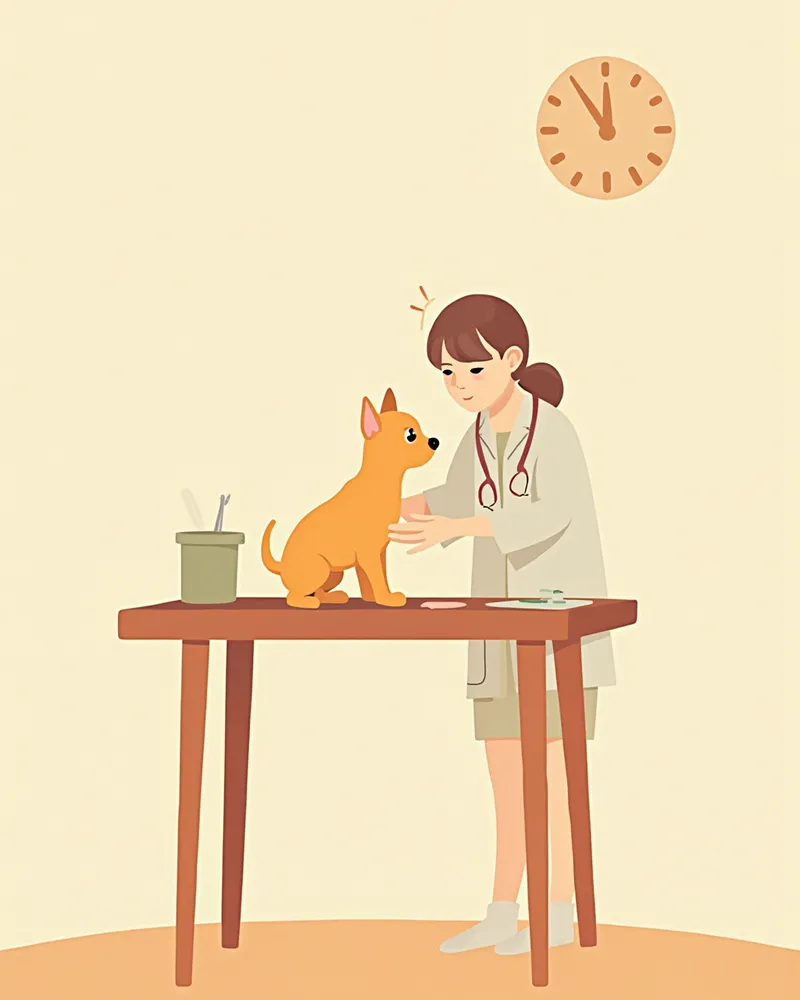
Chihuahua Puppies — Signs Requiring Immediate Veterinary Care
Young Chihuahuas are especially vulnerable to hypoglycemia and hydrocephalus. If you notice any of the following signs, seek veterinary care within 24 hours. - Sudden lethargy, limb tremors, and drooling (possible hypoglycemia) - Head tilting to one side or circling behavior (possible hydrocephalus or neurological abnormality) - Swelling at the top of the skull (fontanelle area) or pain response when touched - Sudden lifting of the hind legs and a hopping gait (possible patellar luxation)
Adult Stage (1–7 Years): Annual Comprehensive Health Check-ups Are Essential
Senior Stage (7 Years+): When to Double the Frequency of Check-ups
Daily and Weekly Home Care Routines
Additional Precautions Chihuahua Owners Must Know
Chihuahuas’ small size requires special considerations beyond routine care. - They are at high risk for hypothermia and hypoglycemia during anesthesia, so choose a clinic with extensive anesthesia experience. - Medication dosages must be precisely calculated based on body weight. Never split doses arbitrarily. - Jumping and climbing stairs place significant stress on the patella and spine. - They are sensitive to seasonal changes: keep them warm in winter and limit walks to short durations in summer.
Reviewed by a veterinarian

Dr. Tony — Punnawat Phongkittirak
VeterinarianA veterinarian who majored in veterinary medicine at Khon Kaen University, Thailand, and completed the IVSA program at North Carolina State University in the United States. Drawing on clinical experience at animal hospitals, he works in the pet healthcare field and is dedicated to building a digital care environment that connects pet parents with veterinarians.
Reviewed 2026-04-30
Frequently Asked Questions
At what age should Chihuahuas begin senior health screenings?
If my pet looks healthy, is an annual check-up really necessary?
How often should dental scaling be performed?
Is it normal for the top of my pet's head to feel soft?
How can you tell if there's a heart murmur?
Share
Related Guides

Top 7 Short-Legged Dog Breeds

Primary vs. Secondary Veterinary Hospitals: A Comparison

5 Easy-to-Raise Cat Breeds for First-Time Owners — Grooming Difficulty Comparison

Exotic Shorthair Polycystic Kidney Disease — Persian Lineage Screening Guide

MYBPC3 Genetic Testing for Ragdoll HCM — Lifelong Management for a Predisposed Breed

Doberman DCM — Regular Screening Guide for High-Risk Breeds

Brachycephalic Globe Proptosis: A Complete Guide from Emergency Response to Lifelong Eye Care

Dalmatian Uric Acid Stones: From Hereditary Diet to Lifelong Management – A Complete Guide

Bedlington Terrier Copper Accumulation: A Complete Guide to Symptoms, Screening, and Treatment for This Hereditary Liver Disease

Jindo Hip Dysplasia — Complete Guide to Symptoms, Screening Timing, and Lifelong Management
References
[1] Clinical Medicine of the Dog and Cat, 4th Ed — Chapter 14: Disorders of the Nervous System and Muscle
[2] Notes on Canine Internal Medicine, 4th Ed — Diagnostic Approach
[3] AAHA Canine Life Stage Guidelines, 2019
[4] WSAVA Vaccination Guidelines for the Owners and Breeders of Dogs and Cats, 2024