Like
Share
멍실장
푸들 건강 관리 가이드 (슬개골·피부·눈)

Poodle Health Care Guide (Patellar, Skin, and Eye)

JointBreed HealthMeongsiljang Veterinary Advisory Board

We’ve compiled a vet-backed guide to the causes, symptoms, and care tips for patellar luxation, skin conditions, and eye diseases—common health concerns in Poodles.

Three Conditions Poodle Owners Must Know

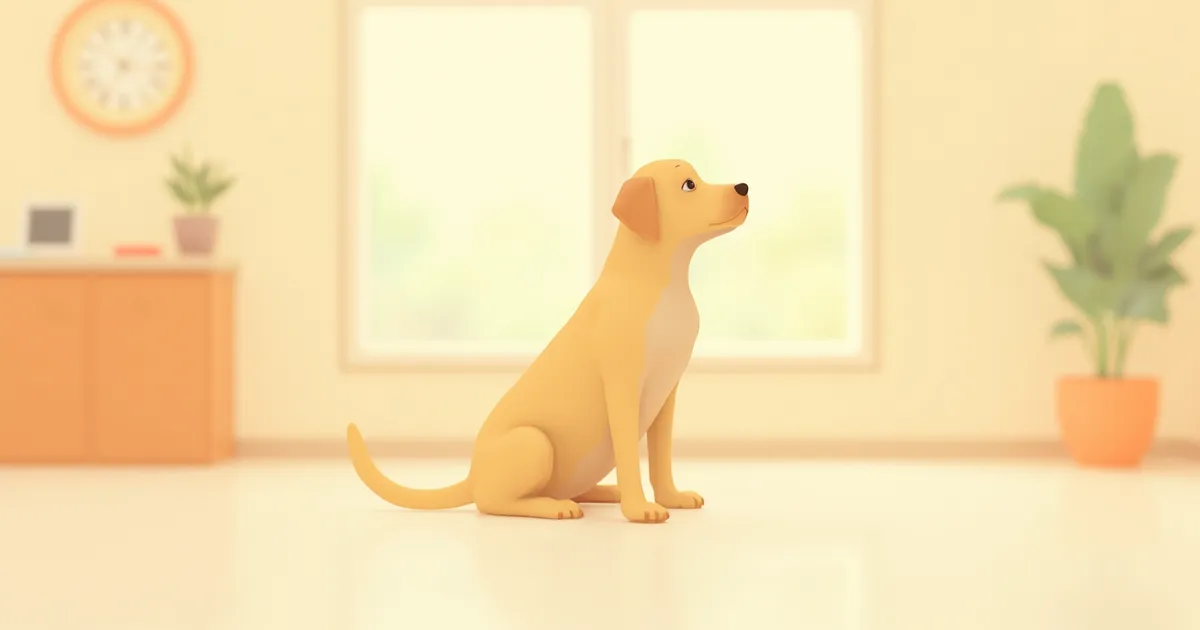
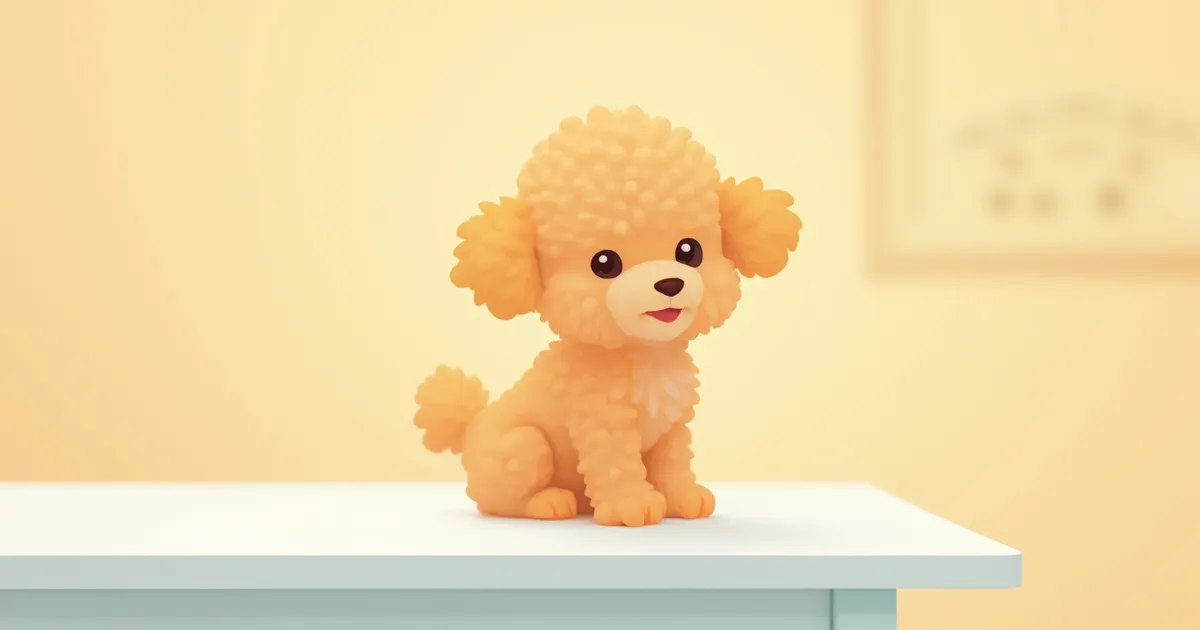
A healthy Toy Poodle looking at the camera
Poodles are a small-to-medium breed that is particularly susceptible to patellar luxation, skin conditions, and progressive retinal atrophy (PRA). This vulnerability is due to their genetic predisposition to these conditions. Among small breeds, Poodles have a relatively high incidence of patellar luxation. Their characteristic curly coat can make it difficult to spot skin issues visually, and they are also known to have a genetic predisposition to various eye diseases. This guide outlines the key health concerns and care tips that Poodle owners should know.

Four Common Conditions to Watch for in Poodles

Patellar luxation: This condition occurs when the kneecap slips out of its normal position, and it is especially common in Toy and Miniature Poodles. Typical signs include limping on the hind legs or suddenly holding one up.
Atopic dermatitis: This is a skin condition with a strong genetic component. Symptoms include redness and itching of the skin beneath the curly coat.
Progressive retinal atrophy: This hereditary eye disease causes gradual vision loss as the retina slowly deteriorates. It often begins with difficulty seeing in the dark.
Cataracts: This eye condition causes vision loss as the lens becomes cloudy. It has been reported in many dog breeds.

Patellar Luxation — The Top Concern for Poodle Owners

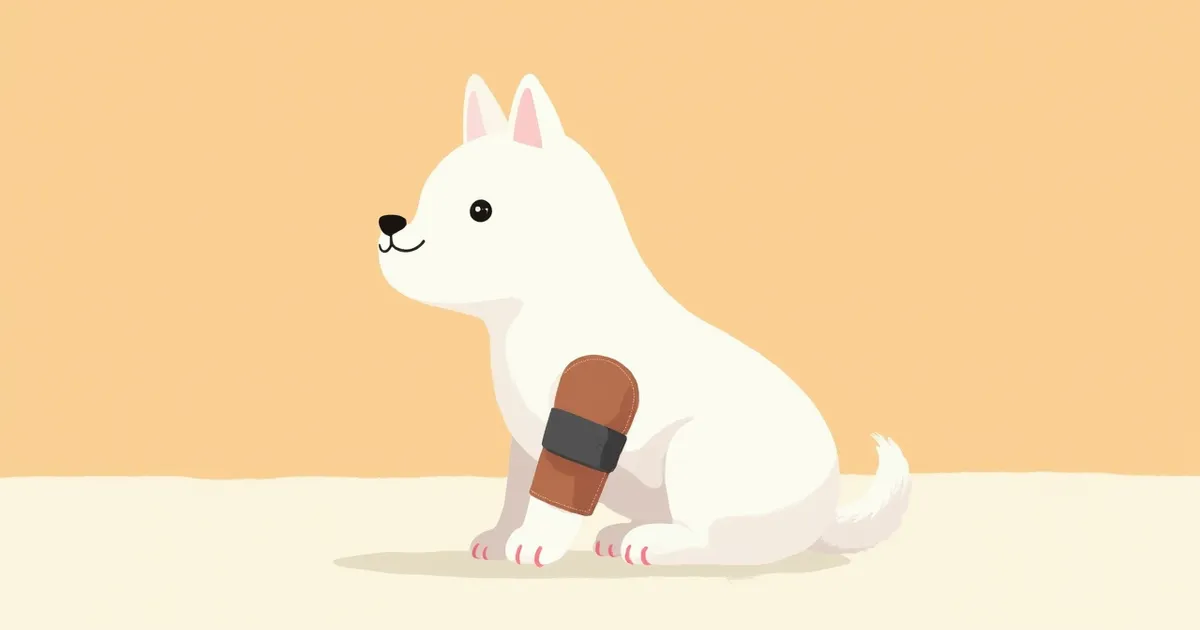
Patellar luxation is a condition in which the small bone at the front of the knee (the patella) slips out of place toward the inside or outside. According to veterinary orthopedic textbooks, it results from a combination of factors such as abnormal femoral shape, a shallow trochlear groove, and misalignment of the tibial attachment site. In grades 1 and 2, the dog may intermittently limp before the patella spontaneously returns to its normal position, whereas in grades 3 and 4, the patella remains permanently dislocated. Because the condition can progress to arthritis, early detection is crucial. For detailed information on symptoms by stage, please refer to our Patellar Luxation Grade Guide.
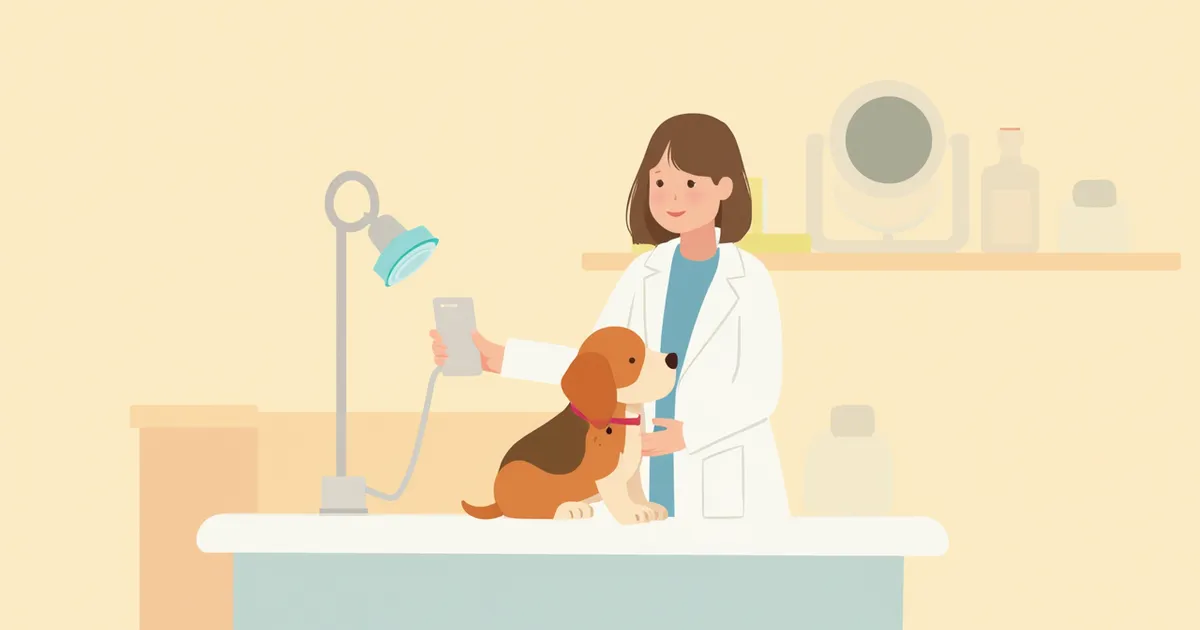
A veterinarian examining a Poodle's hind legs

Signs That May Indicate Patellar Luxation

Does your dog frequently lift a hind leg while walking or stretch it out straight? Repeatedly sitting down and getting up during walks, or reluctance to climb stairs, can also be signs of patellar luxation. If these symptoms persist, have your dog examined at a veterinary clinic equipped for orthopedic care. If surgery is necessary, refer to our Patellar Surgery Guide for helpful information.

Atopic Dermatitis — Skin Issues Hidden Beneath Curly Coats

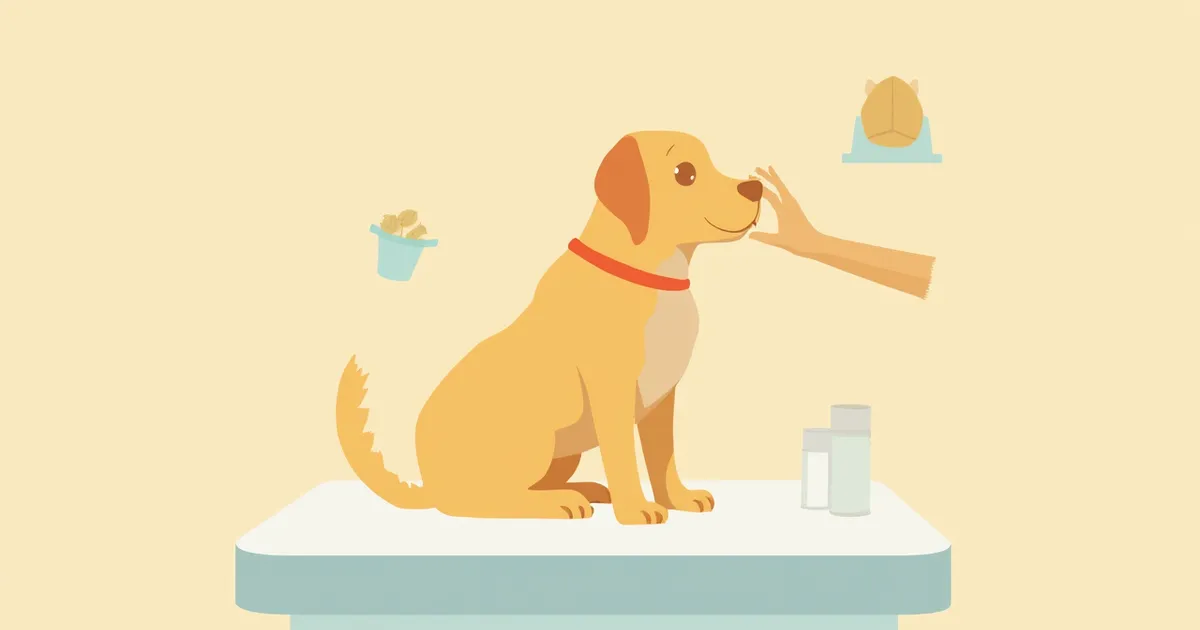
Poodles are one of the breeds known to be predisposed to atopic dermatitis. Their curly coat makes it difficult to visually inspect the skin underneath, which often leads to delayed detection of early symptoms. Symptoms typically appear on the inner ears, between the toes, and on the belly. If you notice redness and repeated scratching or licking, suspect a skin condition. Ear problems are also common in dogs with atopic dermatitis, so it’s important to check the ears as well. Regular grooming and baths are essential opportunities to carefully examine the skin. If skin symptoms persist for more than two weeks, please consult a veterinarian.
Checking the skin of a Poodle during grooming

Eye Conditions — Progressive Retinal Atrophy and Cataracts

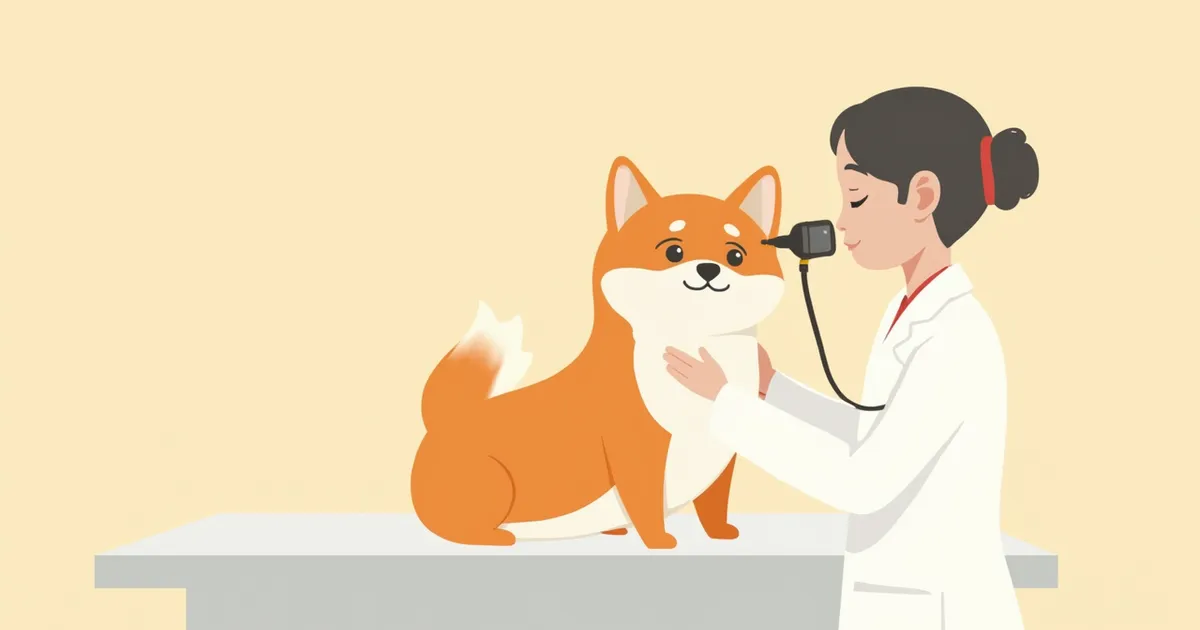
Poodles are particularly prone to two eye conditions: progressive retinal atrophy (PRA) and cataracts. PRA is a hereditary disease in which retinal cells gradually degenerate. Early signs often include bumping into objects in dim lighting or showing hesitation when navigating stairs. Since there is currently no cure, early detection through genetic testing is essential. Cataracts occur when the lens of the eye becomes cloudy and white, and they have been reported in many dog breeds. If you notice your dog’s eyes appearing hazy or if they frequently bump into objects, schedule an ophthalmic examination. It is recommended to seek a diagnosis from a veterinary ophthalmologist before the condition progresses.
A close-up view of a Poodle’s clear, bright eyes.

How to Care for Your Poodle’s Health

Regular Check-ups: Scheduling health exams once or twice a year allows for the early detection of patellar, skin, and eye conditions.
Weight Management: Maintaining an ideal body weight helps reduce stress on the patella. Consult with your veterinarian to determine the appropriate weight range for your pet.
Grooming Care: Schedule professional grooming every 4 to 6 weeks, and carefully check the skin and ears during baths.
Eye Care: If tear staining is severe, gently clean around the eyes one to two times daily. Seek veterinary care if you notice changes in the color or amount of eye discharge.
Genetic Testing: If you are considering breeding, we recommend genetic testing for conditions such as progressive retinal atrophy and drug sensitivity genes.

Senior Poodles Aged 7 and Older Should Have More Frequent Check-ups

Poodles are a breed prone to a variety of genetic conditions. Even if no symptoms are visible, regular health check-ups that include assessments of the patellar condition, skin health, and eye examinations can help detect diseases in their early stages. In particular, senior Poodles aged seven years and older are recommended to undergo check-ups every six months.

Reviewed by a veterinarian

Dr. Tony — Punnawat Phongkittirak

Dr. Tony — Punnawat Phongkittirak

Veterinarian

A veterinarian who majored in veterinary medicine at Khon Kaen University, Thailand, and completed the IVSA program at North Carolina State University in the United States. Drawing on clinical experience at animal hospitals, he works in the pet healthcare field and is dedicated to building a digital care environment that connects pet parents with veterinarians.

Frequently Asked Questions

Does a poodle with patellar luxation always need surgery?
Stages 1 and 2 can often be managed conservatively with weight control and exercise modification, while stages 3 and 4 frequently require surgery. Your veterinarian will determine the most appropriate treatment plan based on a comprehensive assessment of the stage and clinical signs.
My Poodle’s skin keeps getting red. What should I do?
If your pet’s skin becomes red and they keep scratching, it could be atopic dermatitis or contact dermatitis. If these symptoms persist for more than two weeks, please consult a veterinarian. Do not apply human topical creams on your own without professional advice.
My poodle’s eyes look cloudy. Could it be cataracts?
If your pet’s eyes appear cloudy or milky, it could be cataracts, but it might also be lenticular sclerosis caused by aging. Since the treatment approaches for these two conditions differ, an accurate diagnosis by a veterinary ophthalmologist is essential.

Share

Related Guides

References

[ref-1] Textbook of Veterinary Orthopaedic Surgery – Patellar luxation and trochlear groove correction

[ref-2] Clinical Medicine of the Dog and Cat, 4th Ed – Pathophysiology of patellar luxation

[ref-3] Muller & Kirk's Small Animal Dermatology, 7th Ed – Canine atopic dermatitis

[ref-4] Gelatt's Veterinary Ophthalmology, 6th Ed – Progressive retinal atrophy and hereditary cataracts

[ref-5] 100 Top Consultations in Small Animal General Practice – Patellar luxation clinical presentation

This information is based on veterinary literature and does not replace diagnosis or treatment. Please consult a veterinarian for specific health concerns.

Metapet Co., Ltd. | CEO: Park Sung-yong | Business Reg. No. 417-88-02562 | Seoul, South Korea | Customer Center

Poodle Health Care Guide: Patella, Skin & Eye Disease | Meongsiljang