
Yorkshire Terrier Silky Coat Grooming Guide
We’ve put together the essential grooming tips every Yorkie owner should know, covering the unique traits of their silky coat, daily brushing routines, bathing and grooming schedules, and how to prevent skin issues.
Why Daily Care is Essential for Yorkshire Terrier Silky Coats
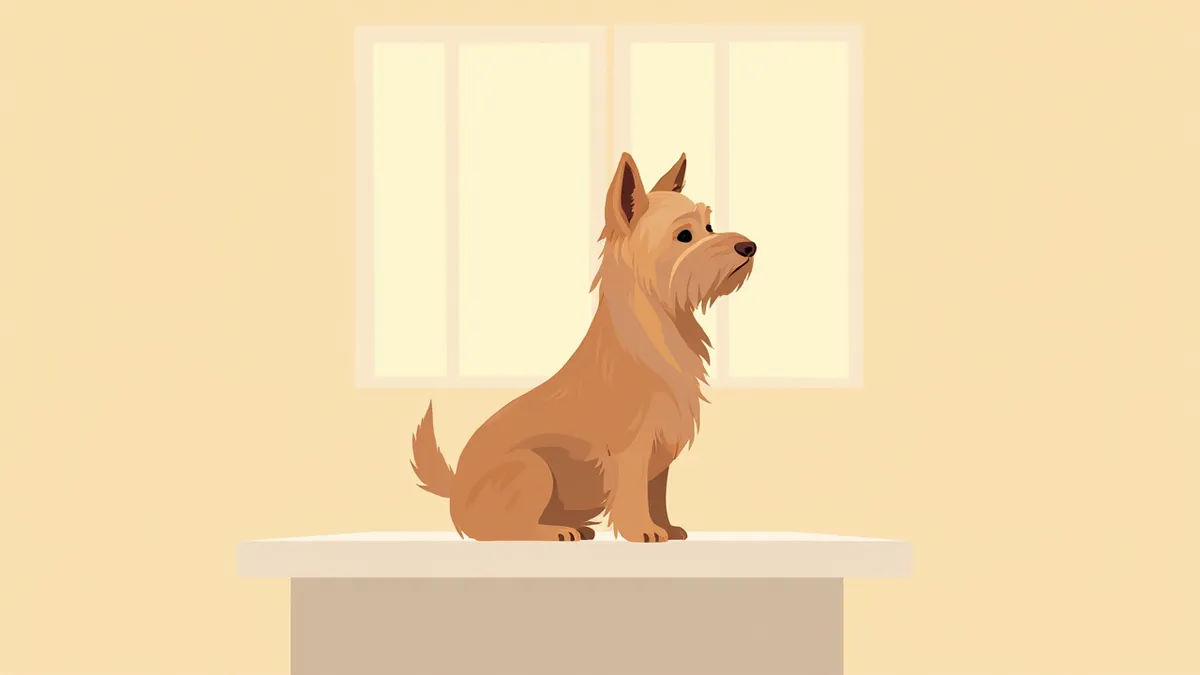
Four Characteristics of Yorkshire Silky Coats
Daily Brushing Routine — Tools and Order
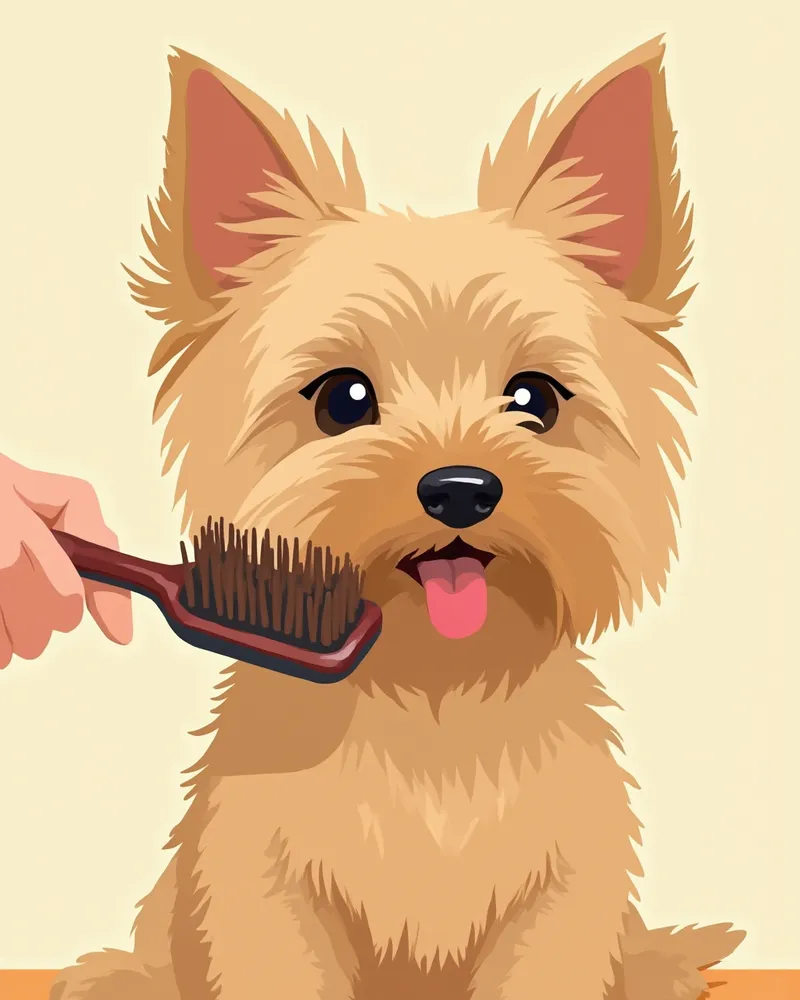
Comparison of Maintenance Difficulty by Haircut Style
| Item | Full coat | Puppy cut | Summer cut |
|---|---|---|---|
| Coat length | To the floor | 2–4 cm | 0.5–1 cm |
| Daily brushing time | 15–20 minutes | 5–10 minutes | 3–5 minutes |
| Grooming interval | 4 weeks | 5–6 weeks | 6–8 weeks |
| Matting risk | Very high | Moderate | Low |
| Recommended owner | Show / enthusiast | General owner | Active household |
A summer cut is also a good choice for dogs prone to summer skin trouble
Bathing Schedule and How to Choose Shampoo
Grooming Practices to Absolutely Avoid
Improper grooming habits can lead to dermatitis, otitis externa, and eye irritation. Please avoid the following: - Using human shampoo or conditioner (pH differences can damage the skin barrier) - Leaving fur wet for extended periods (increases the risk of Malassezia yeast dermatitis) - Forcefully plucking hair from inside the ears (can cause inflammation and pain) - Trimming hair around the eyes with the tips of scissors (risk of corneal injury) - Bathing without first detangling mats (wet knots become tighter and harder to remove)
Care for the Four Areas Prone to Frequent Issues
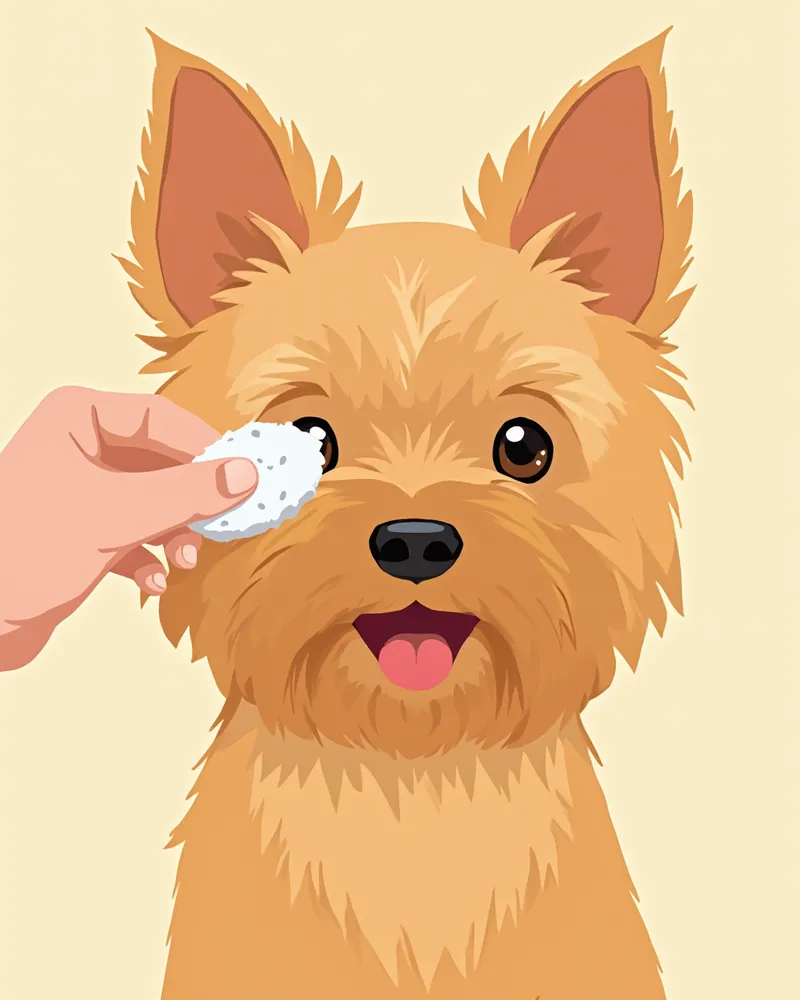
Groomer Visit Schedule and Checkpoints
Yorkshire Breed-Specific Precautions
It’s helpful to be aware of breed-specific risks alongside the grooming process itself. - Tracheal collapse (tracheal stenosis): Use a harness instead of a collar, and avoid applying strong pressure to the neck area during grooming. - Patellar luxation: Prevent slipping by avoiding smooth surfaces during bathing and drying, and use a non-slip mat. - Hypoglycemia: For young Yorkies, prevent exhaustion from prolonged grooming by providing regular breaks and snacks. - Susceptibility to secondary skin infections: Yorkies are prone to secondary infections such as bacterial pyoderma or Malassezia if they have follicular or skin issues. Handle them gently during grooming, and check the ingredients when using medicated shampoos. If you notice any abnormal signs, stop grooming immediately and consult your veterinarian.
Reviewed by a veterinarian

Dr. Tony — Punnawat Phongkittirak
VeterinarianA veterinarian who majored in veterinary medicine at Khon Kaen University, Thailand, and completed the IVSA program at North Carolina State University in the United States. Drawing on clinical experience at animal hospitals, he works in the pet healthcare field and is dedicated to building a digital care environment that connects pet parents with veterinarians.
Reviewed 2026-04-30
Frequently Asked Questions
I’ve heard Yorkshire Terriers don’t shed—Is that really true?
Is it normal for a puppy’s coat color to change?
Is it really cooler to shave your pet’s coat short in the summer?
Is it okay to tie a ribbon style every day?
Is there a way to help my pet get used to the grooming salon from a young age?
Share
Related Guides
Top 5 Medicated Dog Shampoos — For Pyoderma and Bacterial Infections

Veterinarian-Recommended Top 5 Medicated Shampoos for Canine Yeast Dermatitis — Relieves Itching and Greasiness
Top 5 Medicated Cat Shampoos Recommended by Veterinarians — Fungal Dermatitis and Fungal Care
Jack Russell Terrier Health Management — Complete Guide to Lens Luxation and Joint Disorders
Siberian Husky Health Guide (Skin, Eyes, Thyroid)
Papillon Health Management: A Complete Guide to the Top 3 Concerns — Patellar Luxation, Heart Disease, and Dental Tartar
Miniature Pinscher Health Care: From Symptoms of Patellar Luxation and Heart Disease to Prevention
Complete Guide to Beagle Health — From Ear Infection, Obesity, and Epilepsy Symptoms to Owner Care Points
Pug Health Care Guide: Key Points on Brachycephalic Respiratory Issues and Obesity
Chihuahua Health Management – Precautions and Prevention for Hydrocephalus and Patellar Luxation
References
[1] Miller, Griffin, Campbell, Muller and Kirk's Small Animal Dermatology, 7th Edition, Chapter on Breed-Specific Dermatoses
[2] Hnilica & Patterson, Small Animal Dermatology: A Color Atlas and Therapeutic Guide, 4th Edition
[3] Ettinger, Feldman, Cote, Textbook of Veterinary Internal Medicine, 8th Edition — Tracheal Collapse and Toy Breed Considerations