
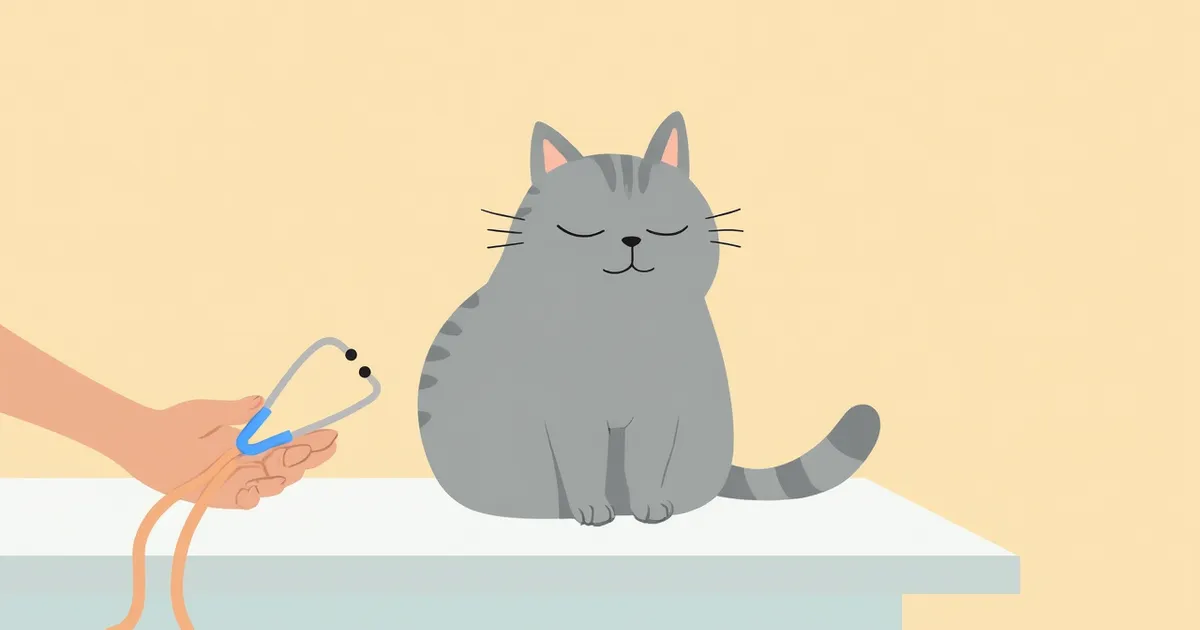
British Shorthair Regular Check-ups: Age-Specific Checklist and Management of Common Diseases
British Shorthairs are prone to hypertrophic cardiomyopathy and polycystic kidney disease. We’ve put together a schedule for age-specific regular check-ups and the essential tests to include.
Why Are Regular Check-ups Important for British Shorthairs?
Top 3 Major Diseases to Watch for in British Shorthairs
Age-Specific Regular Check-up Schedule
| Item | Young cat (~1 year) | Adult cat (1–7 years) | Senior cat (7+ years) |
|---|---|---|---|
| Basic physical exam | Twice a year | Once a year | Twice a year |
| Blood test (CBC/biochemistry) | Once at 1 year | Once a year | Twice a year |
| Echocardiography | Baseline test at 1 year | Once every 2–3 years | Once a year |
| Kidney ultrasound (PKD) | Once at 6 months–1 year | As needed | Once a year |
| Dental checkup | Once a year | Once a year | Twice a year |
| Vaccination | Complete core vaccinations | Once every 3 years (combination) | Consult a veterinarian |
These are general recommendations based on the AAFP/AAHA Feline Life Stage Guidelines. A checkup at least once a year is recommended, and a veterinarian may adjust it according to each individual cat's condition.
Check-up Points for Kittens Under 1 Year Old

Why Cardiac Ultrasound Is Essential at 1 Year of Age
According to veterinary internal medicine and cardiology textbooks, hypertrophic cardiomyopathy can persist for a long time in a latent (asymptomatic) stage with few symptoms, meaning it can be detected even in cats that appear healthy. Auscultation alone may miss abnormalities, but an echocardiogram is the most sensitive non-invasive test for diagnosing HCM and differentiating it from other heart diseases. Measuring the left ventricular wall thickness and atrial size via echocardiogram around the age of one provides a baseline for comparing changes in future check-ups. Even if it is a financial burden, please ensure your cat receives this test at least once in its lifetime.
Check-up Schedule for Adult Cats (1–7 Years)

Enhanced Check-up Points for Senior Cats (7 Years and Older)
Signs That Require an Immediate Vet Visit Between Check-ups
Regardless of your scheduled check-ups, please visit the clinic within 24 hours if you notice any of the following signs: - Rapid breathing or open-mouth breathing (more than 40 breaths per minute) - Sudden loss of appetite accompanied by weight loss - Polyuria and polydipsia (the water bowl empties frequently, and the litter box becomes soiled more often than usual) - Hind limb paralysis or vocalizing due to pain (possible aortic thromboembolism) - Pale or bluish gums and tongue
Reviewed by a veterinarian

Dr. Tony — Punnawat Phongkittirak
VeterinarianA veterinarian who majored in veterinary medicine at Khon Kaen University, Thailand, and completed the IVSA program at North Carolina State University in the United States. Drawing on clinical experience at animal hospitals, he works in the pet healthcare field and is dedicated to building a digital care environment that connects pet parents with veterinarians.
Reviewed 2026-04-30
Frequently Asked Questions
Is it absolutely necessary to have an echocardiogram for a British Shorthair at exactly one year of age?
If regular check-up costs are a concern, are there any priorities I should focus on?
Is genetic testing also necessary?
Is fasting required before the checkup?
Can I receive the health check-up package through an insurance plan?
Share
Related Guides

Primary vs. Secondary Veterinary Hospitals: A Comparison

5 Easy-to-Raise Cat Breeds for First-Time Owners — Grooming Difficulty Comparison

Top 7 Short-Legged Dog Breeds

Maltese Health Care Guide — Patellar, Tear Stain, and Tartar Management

7 Genetic Conditions in Bichon Frises: Symptoms, Causes, and Lifelong Care Guide

The Ultimate Guide to Maltipoo Grooming and Coat Care

Shar-Pei Renal Amyloidosis Complete Guide — From Symptoms to Lifelong Management

The Ultimate Guide to Pomeranian Double-Coat Grooming | Key Pomeranian Grooming Tips

Jindo Dog Allergy Skin Precautions and Lifelong Health Care Guide by Age

7 Genetic Diseases Common in British Shorthairs — Early Warning Signs of Heart Disease
References
[1] Textbook of Cardiovascular Medicine in Dogs and Cats - Hypertrophic Cardiomyopathy chapter
[2] Small Animal Critical Care Medicine, 3rd Ed - Feline Cardiomyopathy Classification
[3] American Animal Hospital Association (AAHA) Feline Life Stage Guidelines