

The Ultimate Guide to Maltipoo Grooming and Coat Care
Maltese-Poodle mixes have curly or wavy coats that tangle easily, so daily grooming is essential. Here’s everything you need to know about brushing, bathing, professional grooming schedules, and tear-stain care—all in one place.
Why Maltipoo Coats Require Daily Care
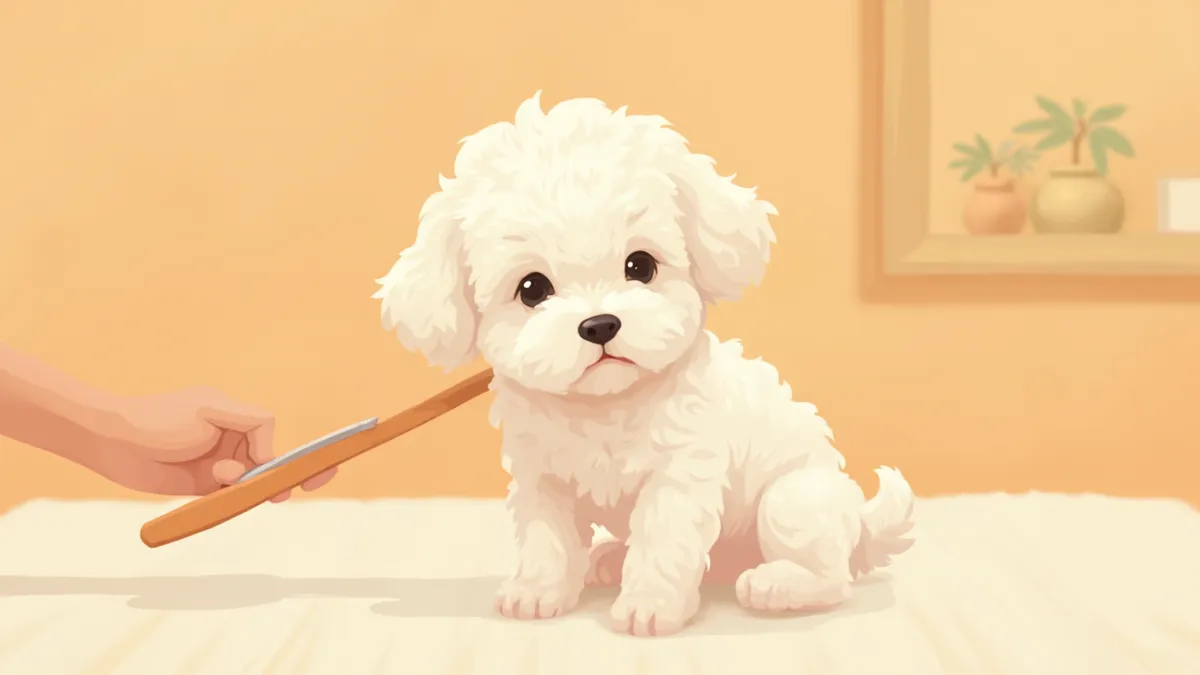
Maltipoo Coat Characteristics — Know Them for Easier Care
Care Comparison by Maltipoo Coat Type
| Item | Curly Coat | Semi-curly Coat | Straight Coat |
|---|---|---|---|
| Matting Frequency | Very high | High | Moderate |
| Recommended Brushing Frequency | Daily | Every other day | Every 2–3 days |
| Recommended Brush Type | Slicker + comb | Slicker + comb | Pin brush |
| Grooming Interval | 4 weeks | 5–6 weeks | 6–8 weeks |
| Tear Stain Frequency | Moderate | Moderate | High |
Individual differences are significant, so it's best to consult your groomer at the first grooming within 6 months
5 Minutes a Day: The Correct Brushing Order
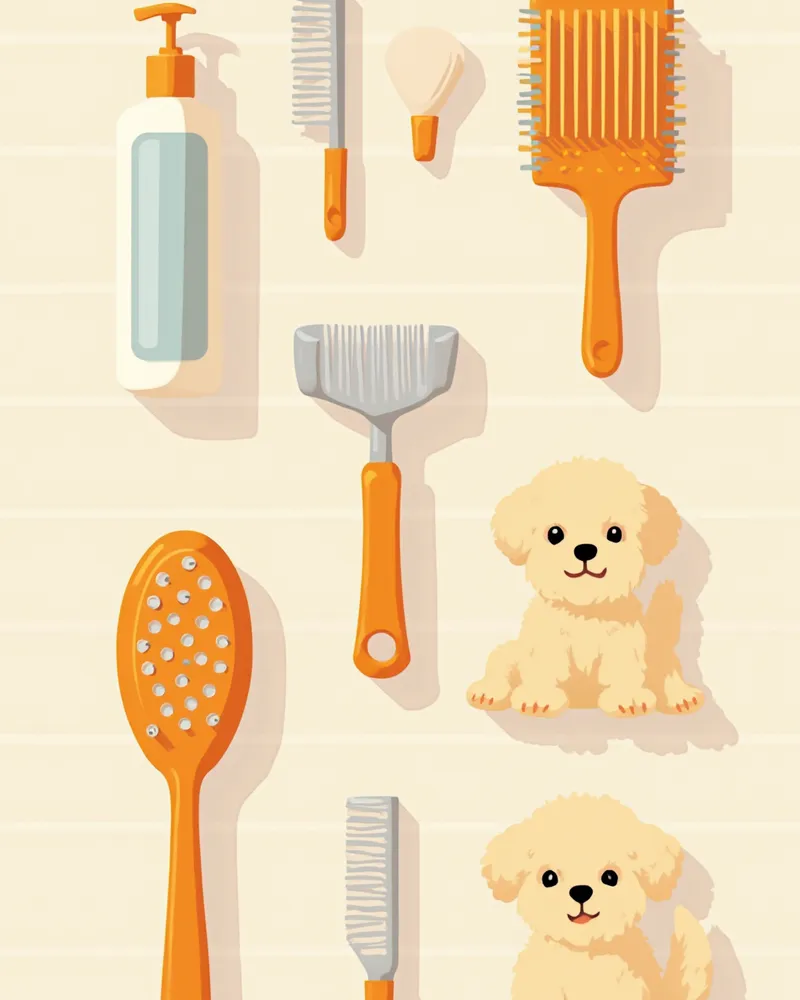
What Never to Do When Tangles Are Severe
It’s surprisingly common for pet owners to accidentally cut their pet’s skin while trying to snip out tangled fur with scissors. If you find a dense mat more than 1 cm thick at home, don’t try to cut it or force a comb through it yourself—take your pet to a groomer who can safely remove it with clippers. Also, never brush wet fur, as this only tightens the knots; always detangle when the coat is completely dry. If the skin beneath the mat is red, inflamed, or oozing, visit a veterinarian for an examination before any grooming.
Maltipoo Bathing — Once a Week Is the Golden Rule

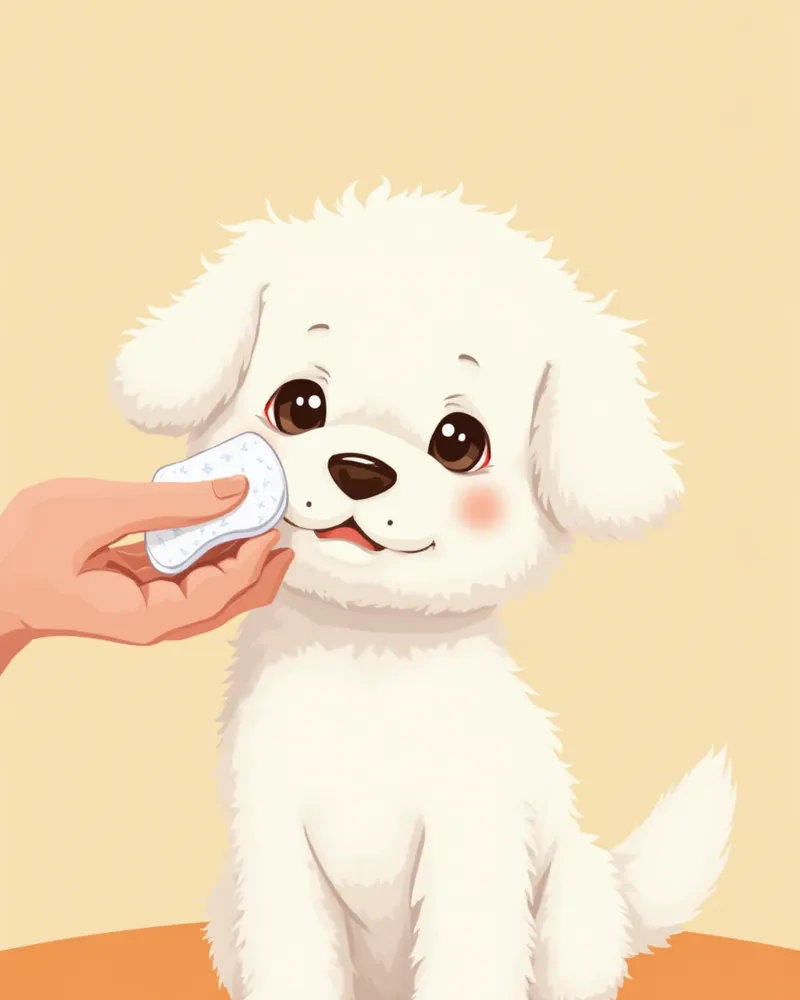
Tear Stains, Ears, and Paws — Key Area-Specific Care
Professional Grooming Schedule and Popular Cut Styles
When These Signs Appear, Veterinary Skin Care Is Needed
Maltipoos are prone to skin issues even among small breeds, so it’s important to regularly check their skin condition. If you notice any of the following signs, it may not just be a grooming issue but could require veterinary attention: - Licking or scratching the same area repeatedly for more than a day - New appearance of dandruff, scabs, discharge, or foul odor - Hair falling out in circular patches (possible fungal dermatitis) - Redness and warmth in the paw pads - Sudden yellowing of tear stains In particular, when dandruff or flaking is present, it's important to check for parasitic infections and secondary bacterial infections. Fungal dermatitis (dermatophytosis) can also spread to humans and other animals, making prompt diagnosis and environmental cleaning essential.
Reviewed by a veterinarian

Dr. Tony — Punnawat Phongkittirak
VeterinarianA veterinarian who majored in veterinary medicine at Khon Kaen University, Thailand, and completed the IVSA program at North Carolina State University in the United States. Drawing on clinical experience at animal hospitals, he works in the pet healthcare field and is dedicated to building a digital care environment that connects pet parents with veterinarians.
Reviewed 2026-04-30
Frequently Asked Questions
Do Maltipoos really not shed?
Can I trim my pet’s nails at home using a nail grinder?
Will tear stains disappear if I change my pet’s food?
How can I get my pet used to grooming from an early age?
Should I still groom my pet during winter?
Share
Related Guides
Top 5 Medicated Dog Shampoos — For Pyoderma and Bacterial Infections

Veterinarian-Recommended Top 5 Medicated Shampoos for Canine Yeast Dermatitis — Relieves Itching and Greasiness

Top 5 Supplements for Feline Atopic Dermatitis and Allergies — Immune Modulation

Maltese Patellar Luxation: A Guide to Symptoms by Stage (1–4) and Surgical Timing

Complete Guide to Shetland Sheepdog MDR1 Drug Sensitivity — From Prohibited Medications to Lifelong Health Care

A Complete Guide to Persian Genetic Conditions — From Polycystic Kidney Disease to Cardiomyopathy
Complete Guide to Border Collie Genetic Conditions — Critical Warning on MDR1 Drug Side Effects

Shiba Inu Genetic Disease Checklist

Worried About Your Floppy-Eared Beagle? Otitis Externa Warning Signs and Ear Care Timing
French Bulldog Genetic Disease Checklist
References
[1] Hnilica KA, Patterson AP, Small Animal Dermatology: A Color Atlas and Therapeutic Guide, 4th Ed, Elsevier, 2017
[2] Miller WH, Griffin CE, Campbell KL, Muller and Kirk's Small Animal Dermatology, 7th Ed, Elsevier, 2013
[3] American Kennel Club, Grooming Guide for Curly and Wavy Coat Breeds, 2022