

The Complete Guide to Pug BOAS Surgery and Recovery Care
We’ve outlined the types of surgery for Brachycephalic Obstructive Airway Syndrome (BOAS) in Pugs, the recovery process, and essential care tips every owner should know.
What Is BOAS Surgery in Pugs?

Why Do Pugs Need BOAS Surgery?
Checklist of Signs Indicating Surgery Is Needed
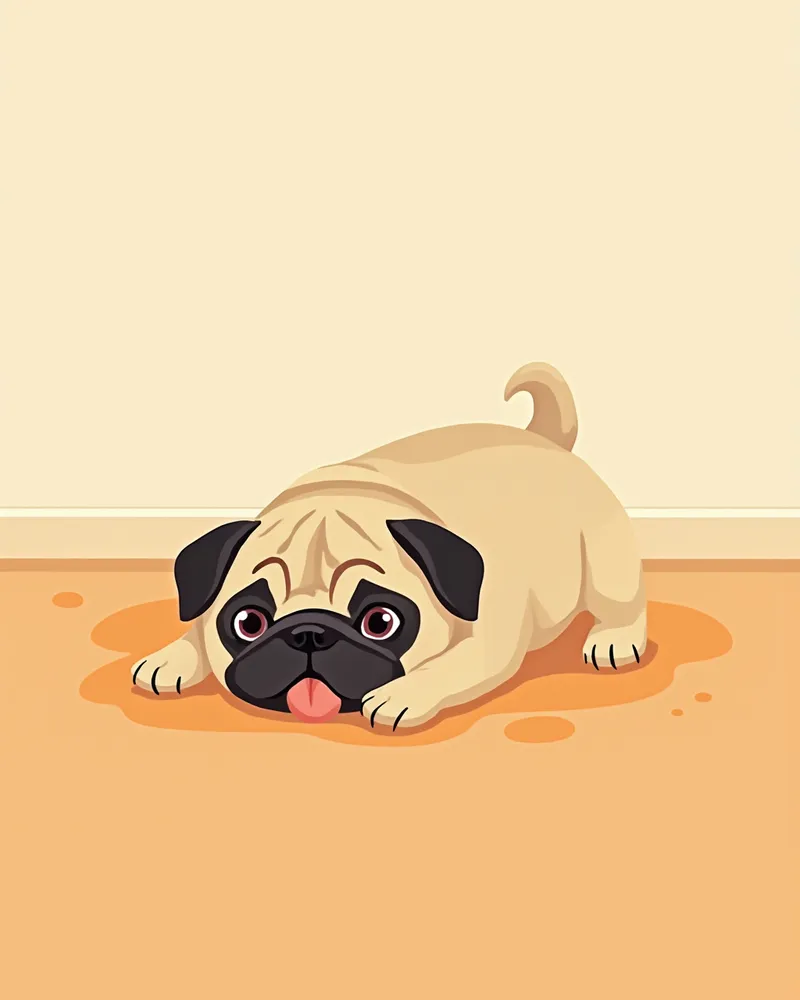
When Emergency Evaluation Is Required
Cyanosis, where the tongue and gums turn blue, respiratory distress causing the dog to lie on its side and pant heavily, and fainting after excitement or heat exposure are emergency signs of BOAS. In such cases, oxygen therapy, sedation, and temperature regulation must be prioritized, followed by scheduling surgery once the patient is stabilized. Never attempt to move or walk the dog based on your own judgment, as this could be dangerous.
Pre-Surgical Examinations — Key to Reducing Anesthesia Risks
Comparison of the Three Main BOAS Surgeries
| Item | Nostril reconstruction (rhinoplasty) | Soft palate resection | Laryngeal saccule removal |
|---|---|---|---|
| Area corrected | Narrow nostrils (stenotic nares) | Drooping back of the palate (soft palate) | Everted inner laryngeal pouch (laryngeal saccule) |
| Type of structural abnormality | Congenital primary structural abnormality | Congenital primary structural abnormality | Secondary change caused by respiratory resistance |
| Anesthesia requirement | General anesthesia required | General anesthesia required | General anesthesia required |
| Main effect | Reduced resistance of air entering through the nose | Relief of the obstruction covering the airway | Securing space around the larynx |
Stenotic nares, elongated soft palate, and everted laryngeal saccules often occur together, so they are usually corrected simultaneously under a single anesthesia. Recovery patterns vary depending on the individual and the degree of progression.
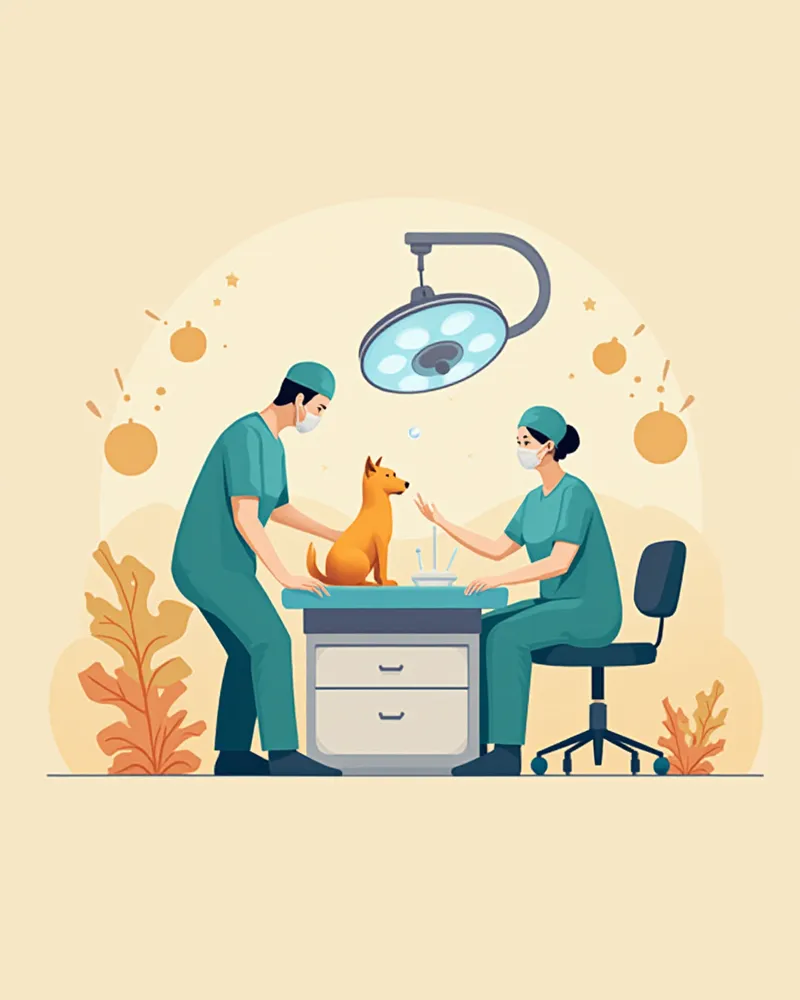
Surgery Day — What Happens and How
Home Care Points During Recovery
Signs Requiring Immediate Veterinary Attention During Recovery
If your pet develops severe breathing difficulties again within 24 hours after surgery, is unable to swallow and constantly drools, or produces blood-tinged foam from the mouth, there is a risk of aspiration pneumonia or laryngeal edema. Aspiration pneumonia may appear on a chest X-ray as alveolar opacities in the anterior and ventral regions of the lungs, particularly in the right middle lobe. Additionally, if your pet refuses multiple meals or continues to show signs of fever and lethargy, there may be an infection. Do not attempt to assess the situation on your own; contact the surgical clinic immediately.
Long-Term Post-Surgical Management — Lifelong Care Is Essential
Reviewed by a veterinarian

Dr. Tony — Punnawat Phongkittirak
VeterinarianA veterinarian who majored in veterinary medicine at Khon Kaen University, Thailand, and completed the IVSA program at North Carolina State University in the United States. Drawing on clinical experience at animal hospitals, he works in the pet healthcare field and is dedicated to building a digital care environment that connects pet parents with veterinarians.
Reviewed 2026-04-30
Frequently Asked Questions
How much does surgery usually cost?
Is it safe to have surgery at a young age?
Will snoring completely disappear after surgery?
Do I need to limit my pet’s walks for the rest of its life after surgery?
Is a second surgery sometimes necessary?
Share
Related Guides
Top Recommended Feline Bronchodilators and Selection Criteria: A Complete Guide

Best Recommendations and Selection Criteria for Monitoring Your Cat’s Respiratory Rate (RR) During Sleep for Heart Care

Best Recommendations and Selection Criteria for Monitoring Your Dog’s Respiratory Rate (RR) During Sleep for Heart Care
Jack Russell Terrier Grooming by Coat Type — Complete Guide to Smooth, Rough, and Broken Care

The Complete Guide to Border Collie Regular Check-up Schedules
Border Collie CEA (Collie Eye Anomaly) — A Complete Guide from Screening Timelines to Genetic Management

Shiba Inu Double Coat Grooming — Complete Guide to Blow Coat, Brushing, and Bathing
Labrador Double-Coat Grooming: Complete Guide to Shedding, Brushing, and Seasonal Care
Beagle Short-Hair Grooming Guide — Mastering Shedding and Ear Care

Pug Genetic Condition Checklist (PDE, Hemivertebrae)
References
[1] Fossum TW. Small Animal Surgery, 5th Edition — Chapter on Upper Respiratory Tract Surgery
[2] Small Animal Anesthesia and Pain Management: A Color Handbook, 3rd Edition — Anesthesia for Brachycephalic Patients
[3] Hosgood G, Scholl DT. Evaluation of age as a risk factor for perianesthetic morbidity and mortality in the dog. J Vet Emerg Crit Care. 1998;8(3):222-36.
[4] Riecks TW et al., Surgical correction of brachycephalic syndrome in dogs: 62 cases. J Am Vet Med Assoc. 2007;230(9):1324-1328.