

American Shorthair HCM: Symptoms, Early Detection, and Age-Specific Care Guide
American Shorthairs are a breed at high risk for hypertrophic cardiomyopathy (HCM). We’ve outlined age-specific screening schedules, signs to watch for at home, and everything from diagnosis to treatment.
American Shorthairs and Hypertrophic Cardiomyopathy
What Is Hypertrophic Cardiomyopathy (HCM)?
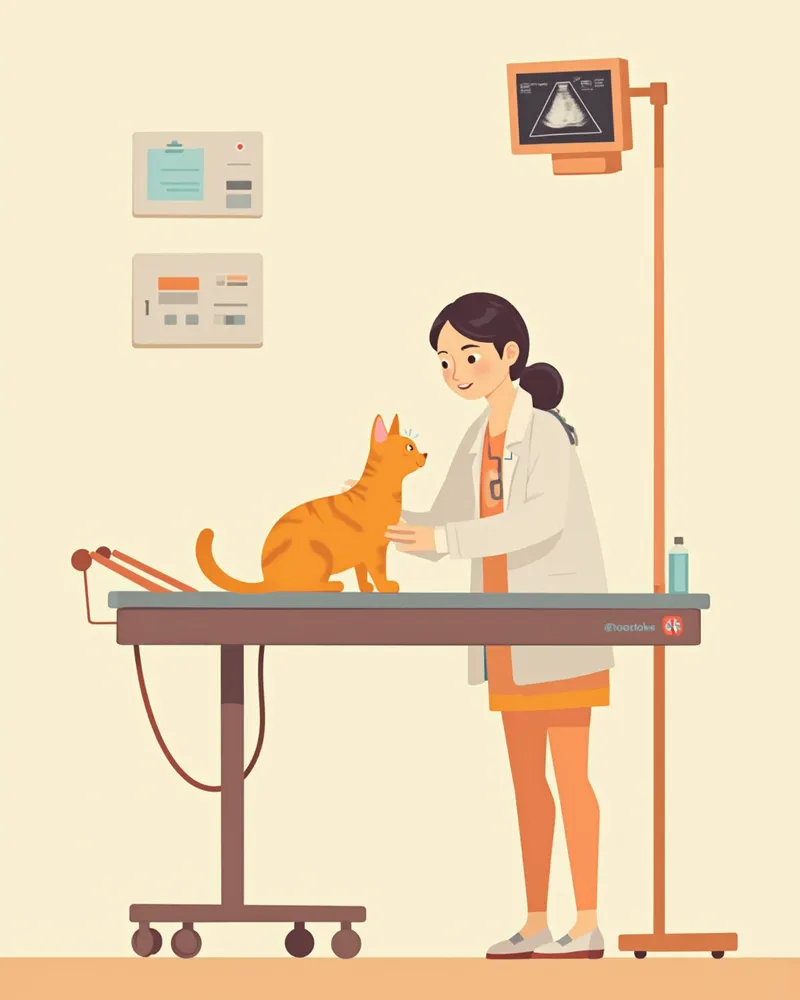
Heart Testing Is Needed If You Notice These Symptoms
Go to the 24-Hour Emergency Clinic Immediately
If your pet is breathing rapidly with its mouth open, or if its gums and tongue have turned blue, immediate emergency care is required. Sudden inability to use the hind legs, along with cold limbs and signs of pain, indicates a cardiac thrombus (arterial thromboembolism). Both conditions can be life-threatening within hours, so you must go to an emergency clinic immediately, regardless of whether it is night or early morning.
Age-Specific Lifelong Care Points
HCM Diagnostic Methods
HCM Treatment and Home Care

Regular Heart Ultrasounds: How to Plan
Even if your American Shorthair hasn’t been diagnosed with HCM, regular heart ultrasounds are recommended after they reach adulthood if there’s a family history or breed predisposition. If your cat has already been diagnosed with HCM, it’s important to follow up with regular check-ups as scheduled by your veterinarian. At home, it’s also helpful to monitor your cat’s resting breathing rate while they’re sleeping to ensure it hasn’t increased. If you notice repeated episodes of rapid breathing, contact your vet right away.
Reviewed by a veterinarian

Dr. Tony — Punnawat Phongkittirak
VeterinarianA veterinarian who majored in veterinary medicine at Khon Kaen University, Thailand, and completed the IVSA program at North Carolina State University in the United States. Drawing on clinical experience at animal hospitals, he works in the pet healthcare field and is dedicated to building a digital care environment that connects pet parents with veterinarians.
Reviewed 2026-05-28
Frequently Asked Questions
Do all American Shorthairs inevitably develop hypertrophic cardiomyopathy (HCM)?
What is the life expectancy after an HCM diagnosis?
Is there a way to check the respiratory rate at home?
Are there any foods or supplements that are good for HCM?
Share
Related Guides

Coenzyme Q10 Benefits and Administration Guide

Dog Pulmonary Edema Warning — 7 Best Diuretics (Furosemide) for Heart Management

7 Best Prescription Diets for Feline Heart Disease Recommended by Veterinarians — Criteria for Choosing Low-Sodium Food

Stage-Specific Management of Shiba Inu Allergies

The Ultimate Guide to Mental Stimulation Activities for Border Collies

Golden Retriever Hip Guide: From Hip Dysplasia Prevention to Management

The Complete Guide to Dachshund IVDD Prevention Exercises and Environmental Management

The Complete Guide to Respiratory Care for Brachycephalic Shih Tzus

Differences by Poodle Coat Color (Apricot, Black, Silver)

Poodle Patellar Luxation — A Complete Guide from Symptoms and Grading to Surgery and Rehabilitation
References
[1] Luis Fuentes V, Abbott J, Chetboul V et al., ACVIM Consensus Statement Guidelines for the Classification, Diagnosis, and Management of Cardiomyopathies in Cats, J Vet Intern Med, 2020
[2] Meurs KM, Sanchez X, David RM et al., A cardiac myosin binding protein C mutation in the Maine Coon cat with familial hypertrophic cardiomyopathy, Hum Mol Genet, 2005
[3] Fox PR, Oyama MA, Reynolds C et al., Utility of plasma N-terminal pro-brain natriuretic peptide (NT-proBNP) to distinguish between congestive heart failure and non-cardiac causes of acute dyspnea in cats, J Vet Cardiol, 2009
[4] Fox PR, Oyama MA, Textbook of Cardiovascular Medicine in Dogs and Cats, 2020