
Birman Semi-Long Coat Grooming — From Daily Brushing to Mat Prevention: A Complete Guide
We’ve put together a guide on the Birman cat’s semi-long coat, proper brushing and bathing schedules, and key tips for maintaining skin health.
What Breed Is the Birman?
Characteristics of Birman Fur — Why Is Care Different?
Key Points for Birman Grooming
When to Definitely Visit the Vet
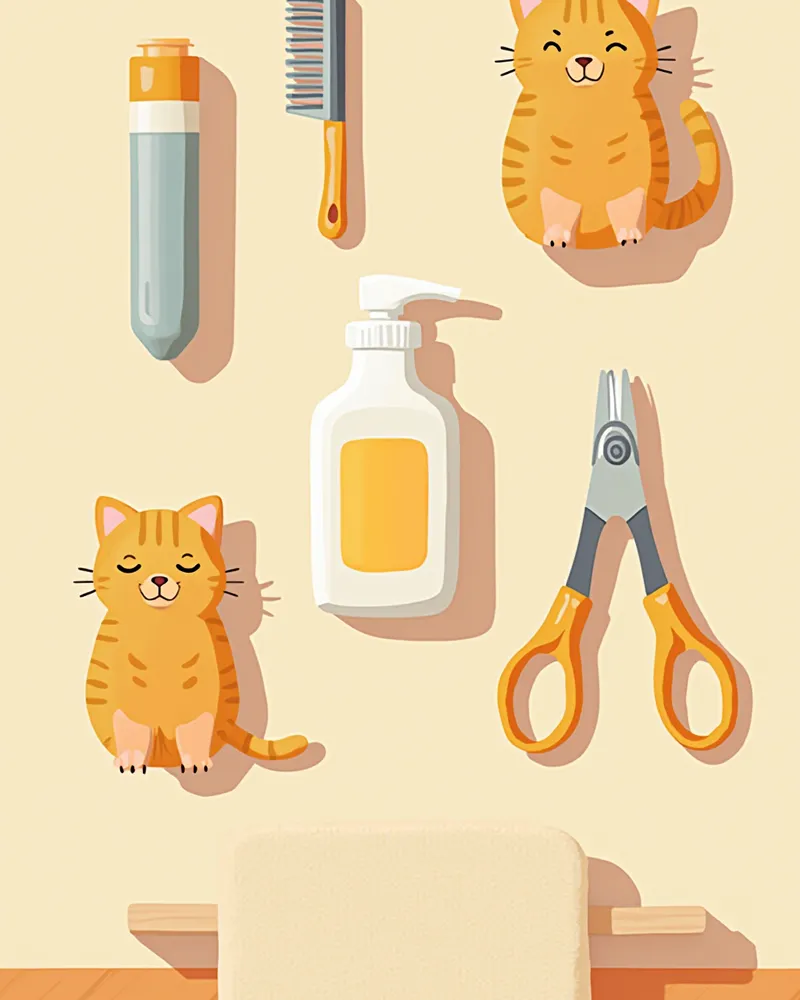
If you notice any of the following signs during grooming, the issue may extend beyond simple skin problems: ▲ hair loss patches larger than a coin, ▲ red rashes, oozing, or foul odor, ▲ severe dandruff or greasy scales, ▲ repetitive licking or scratching of specific areas, or ▲ a sudden cessation of self-grooming with matted fur. If any single symptom persists for more than a week, a dermatology consultation is necessary. In senior cats, a sudden stop in grooming may signal pain or systemic illness.
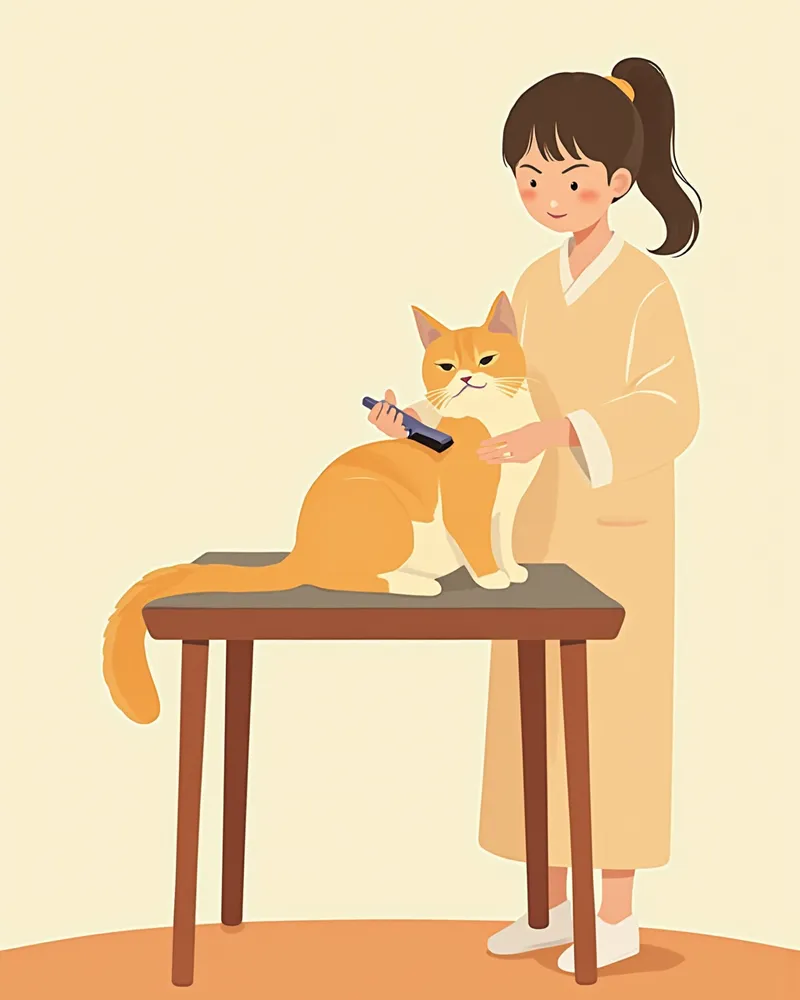
Proper Brushing Order and Method
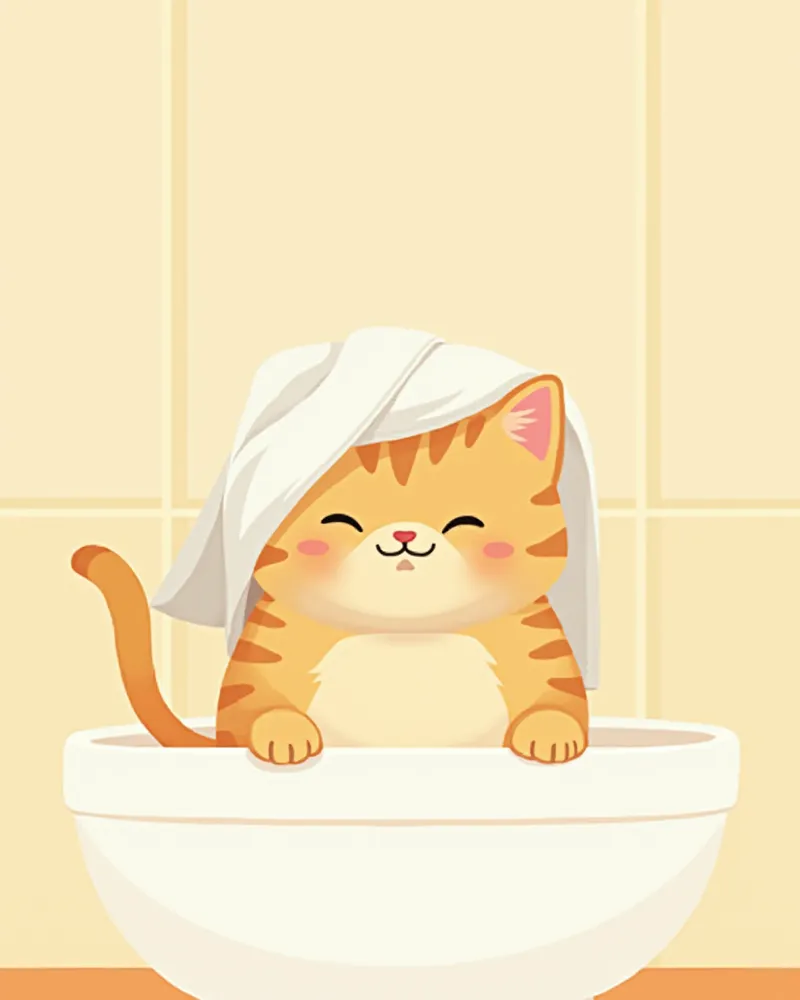
Bathing Frequency and Precautions
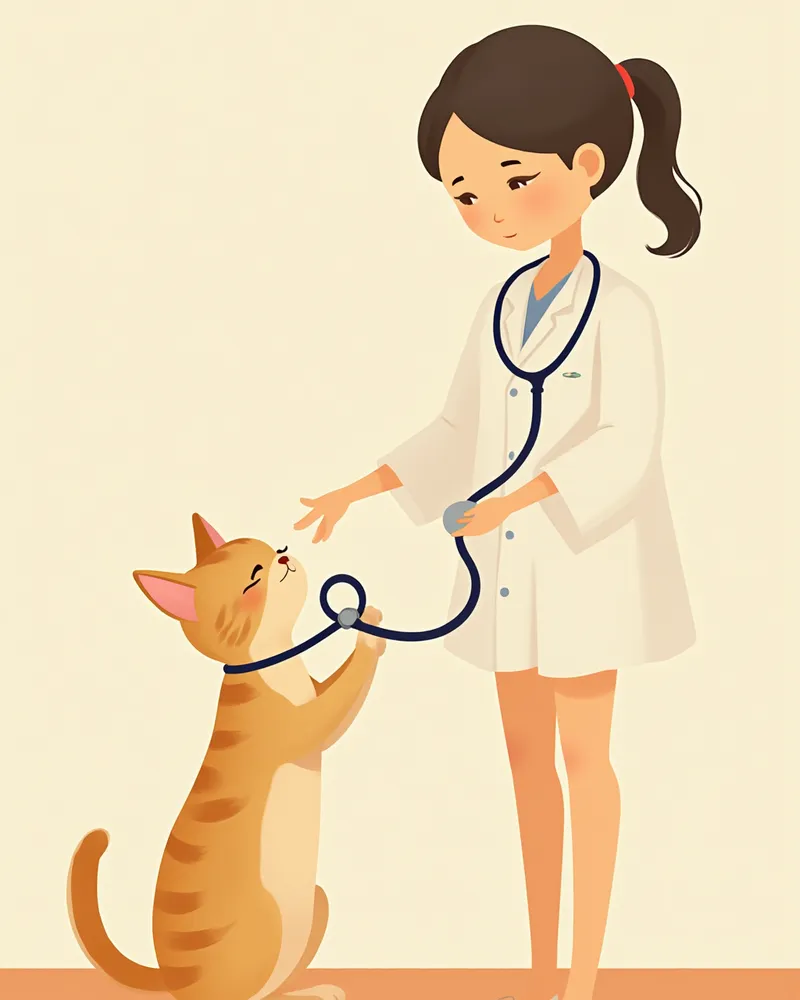
Health Points to Pay Special Attention to in Birman Cats
Nails, Ears, and Teeth — 3 Easy Things to Forget
What You Must Never Do When Grooming a Birman
Using human or dog-specific shampoos; forcefully cutting mats with scissors (which can accidentally cut the skin); using a hair dryer at close range with high heat and strong airflow; full-body clipping in winter (risk of impaired thermoregulation and abnormal regrowth); and forcing grooming sessions lasting over 30 minutes despite the cat’s reluctance, which may lead to grooming aversion due to stress. The best approach is to keep grooming sessions short and enjoyable, followed by a treat as a reward.
Reviewed by a veterinarian

Dr. Tony — Punnawat Phongkittirak
VeterinarianA veterinarian who majored in veterinary medicine at Khon Kaen University, Thailand, and completed the IVSA program at North Carolina State University in the United States. Drawing on clinical experience at animal hospitals, he works in the pet healthcare field and is dedicated to building a digital care environment that connects pet parents with veterinarians.
Reviewed 2026-04-30
Frequently Asked Questions
Do Birman cats need daily brushing like Persians?
Is it normal for a Birman kitten to have very little fur?
Is it okay to shave my pet’s coat short to keep them cool in the summer?
My cat frequently passes hairballs. Could this be related to grooming?
Berman suddenly stopped grooming himself. Why might that be?
Share
Related Guides

Top 5 Medicated Dog Shampoos — For Pyoderma and Bacterial Infections

Veterinarian-Recommended Top 5 Medicated Shampoos for Canine Yeast Dermatitis — Relieves Itching and Greasiness
Top 5 Medicated Cat Shampoos Recommended by Veterinarians — Fungal Dermatitis and Fungal Care
The Ultimate Guide to Shih Tzu Long-Hair Grooming — From Brushing to Grooming Schedules
Golden Retriever Regular Check-up Schedule

Golden Retriever Genetic Condition Checklist — Essential Guide for Owners
Golden Retriever Double Coat Grooming — Complete Guide to Brushing, Shedding, and Skin Care

French Bulldog Fold Dermatitis — A Complete Guide from Causes to Prevention and Care

The Ultimate Guide to Bichon Powder Puff Style Grooming

Pomeranian Genetic Disease Checklist
References
[1] Little SE, The Cat: Clinical Medicine and Management, 2nd Edition, Elsevier, 2024
[2] Gough A, Thomas A, O'Neill D, Breed Predispositions to Disease in Dogs and Cats, 3rd Edition, Wiley-Blackwell, 2018
[3] Abitbol M et al., A FOXN1 mutation causes hypotrichosis in Birman cats, Animal Genetics, 2015