
Norwegian Forest Cat Long-Hair Grooming — Complete Guide to Brushing, Tangles, and Seasonal Shedding
This guide covers everything you need to know about the Norwegian Forest Cat’s double-layered coat, including recommended grooming tools, brushing frequency, bathing techniques, and how to manage seasonal shedding.
What is Norwegian Forest Cat Grooming?

Understanding the Double Coat Structure
Essential Grooming Tools
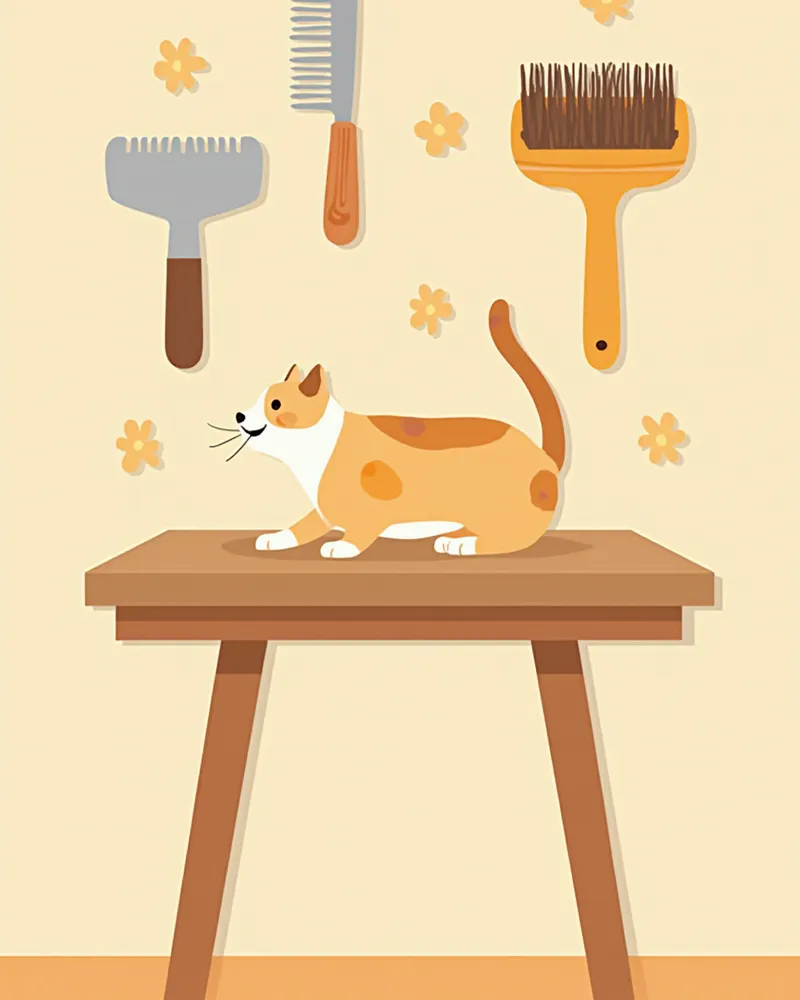
Brushing Frequency and Order
Areas to Be Especially Careful With
Areas like the armpits, groin, behind the ears, and around the buttocks are prone to friction, which often causes fur to tangle. Once the fur mats tightly like felt, improper trimming with scissors can easily lead to accidental cuts on the skin. For firmly matted fur, gently break it up with a mat splitter, or if it cannot be undone by hand, it is safest to leave it to a veterinarian or professional groomer. If you notice redness or discharge on the skin, stop brushing immediately and seek veterinary care first.
How Often Should You Bathe?
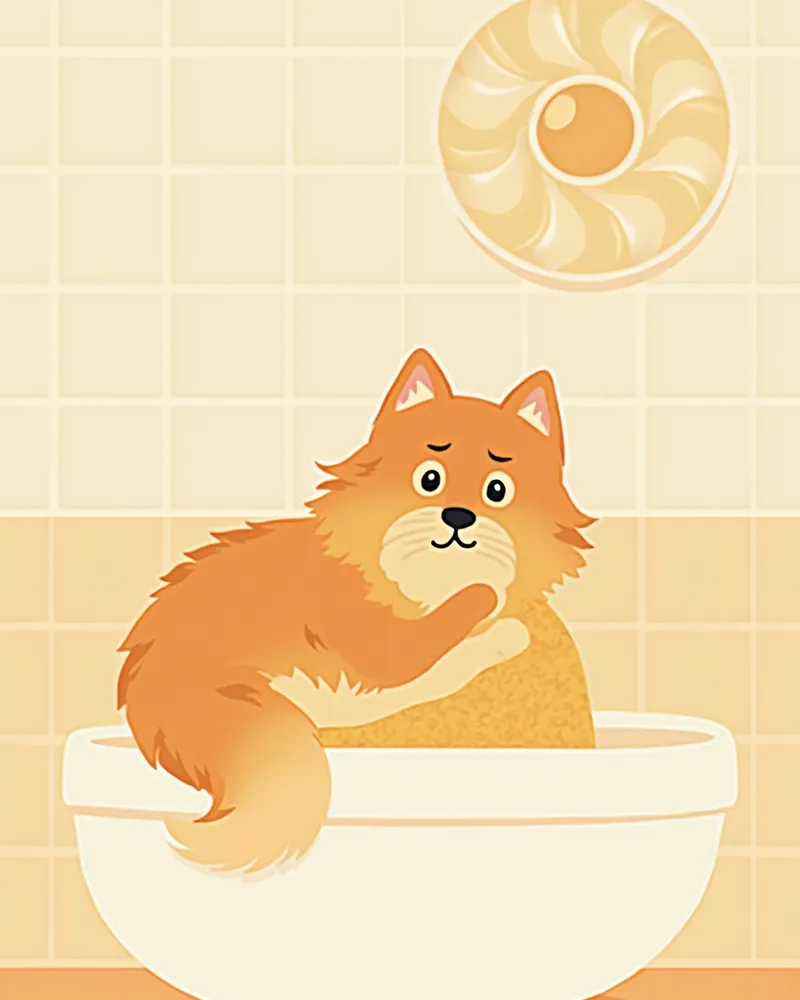
Intensive Care During Shedding Season
Signs That Require a Veterinary Dermatology Visit
If you notice any of the following signs during grooming, the issue may be more than just a simple coat problem. It could indicate common feline skin conditions such as allergic dermatitis, fungal skin infections (dermatophytosis), or external parasite infestations, so we recommend a dermatological consultation. Additionally, if your cat repeatedly licks the same area or develops circular patches of hair loss, it may be due to excessive grooming triggered by stress or pain (psychogenic alopecia), in which case behavioral and environmental factors should also be evaluated. - Dandruff or flaking is noticeably more abundant than usual. - The cat repeatedly licks or scratches the same area. - There are circular patches of hair loss. - The skin is red, oozing, or crusted. - The coat has lost its shine and appears dull and brittle.
Reviewed by a veterinarian

Dr. Tony — Punnawat Phongkittirak
VeterinarianA veterinarian who majored in veterinary medicine at Khon Kaen University, Thailand, and completed the IVSA program at North Carolina State University in the United States. Drawing on clinical experience at animal hospitals, he works in the pet healthcare field and is dedicated to building a digital care environment that connects pet parents with veterinarians.
Reviewed 2026-04-30
Frequently Asked Questions
Is it okay to clip a Norwegian Forest Cat's fur?
Is there a way to get my pet used to grooming from an early age?
My cat frequently brings up hairballs. Could this be related to grooming?
My pet gets so upset during grooming that I can’t continue. What should I do?
Share
Related Guides

Top 5 Medicated Dog Shampoos — For Pyoderma and Bacterial Infections

Veterinarian-Recommended Top 5 Medicated Shampoos for Canine Yeast Dermatitis — Relieves Itching and Greasiness
Top 5 Medicated Cat Shampoos Recommended by Veterinarians — Fungal Dermatitis and Fungal Care
Cornish Rex Health Care (Skin & Heart)
Maine Coon Health Care (HCM, Hip Dysplasia, Polydactyly)

Cavalier King Charles Health Care (Heart & Neurological)

Complete Guide to Golden Doodle Health — From Joint, Heart, and Cancer Management to Prevention

Cockapoo Health Care (Ears, Eyes, Joints)

Jack Russell Terrier Health Management — Complete Guide to Lens Luxation and Joint Disorders
Siberian Husky Health Guide (Skin, Eyes, Thyroid)
References
[1] Susan Little, The Cat: Clinical Medicine and Management, 2nd Edition, 2024
[2] Linda Medleau & Keith Hnilica, Small Animal Dermatology: A Color Atlas and Therapeutic Guide, 4th Edition
[3] Karen Moriello, Feline Dermatology, Wiley-Blackwell