Like
Share
멍실장
비글 귀 관리 (외이염 호발)

Worried About Your Floppy-Eared Beagle? Otitis Externa Warning Signs and Ear Care Timing

Skin & CoatBreed HealthMeongsiljang Veterinary Advisory Board

Beagles are prone to otitis externa due to their floppy ears, so cleaning their ears once or twice a week and keeping them dry are essential.

Why Do Beagle Ears Require Special Care?
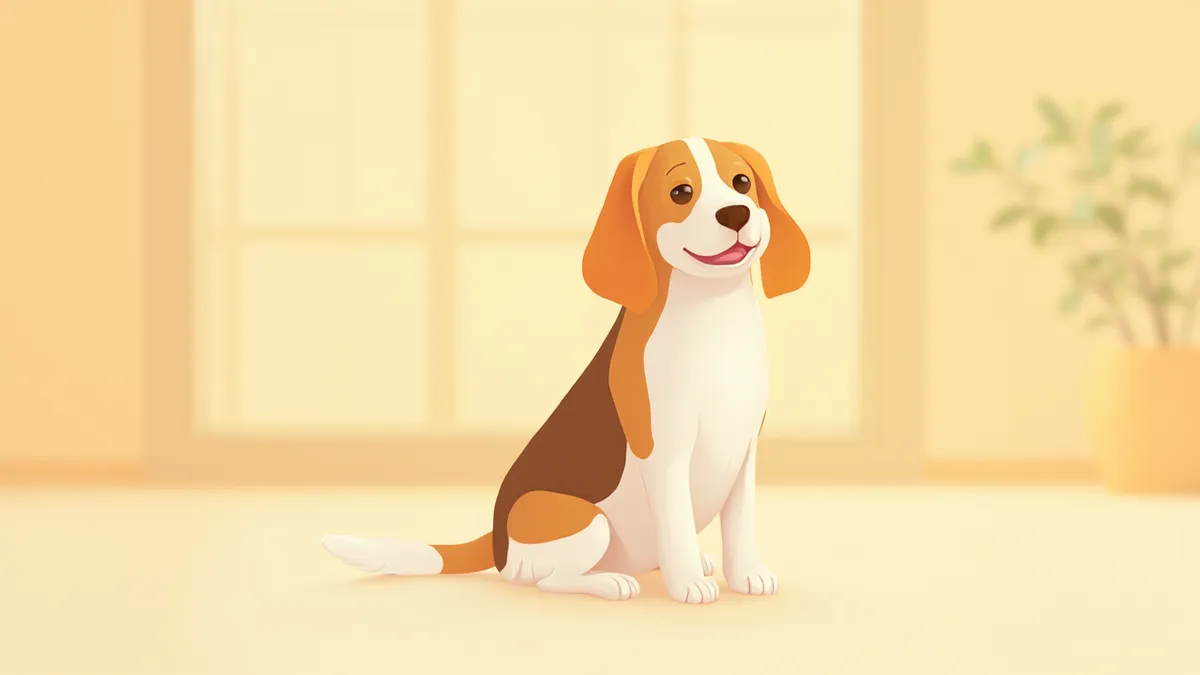
The characteristic long, floppy ears of a Beagle
Beagles are scent hounds prone to otitis externa due to their long, heavy, floppy ears. When the drooping pinnae cover the external ear canal, airflow is restricted, trapping moisture and secretions and creating an environment where bacteria and yeast can thrive. This floppy ear structure and the resulting moisture buildup are considered major predisposing factors for otitis externa—meaning they don’t directly cause the disease but significantly increase the risk. Therefore, it’s important to keep the inside of the ears dry after walks or baths and to regularly clean them with a dog-safe ear cleanser whenever discharge is visible. Ear cleaning is regarded as one of the most crucial aspects of otitis externa management, as it removes debris and helps maintain a clean external ear canal.

3 Reasons Why Beagles Are Prone to Otitis Externa

Beagle ear issues aren’t just about “long ears.” Structural and constitutional factors combine to create the problem.
Drop-ear structure: The ears cover the external ear canal, blocking airflow.
Narrow, curved external ear canal: The L-shaped bend prevents secretions from draining properly.
Allergic constitution: Beagles are prone to atopic and food allergies, which often lead to chronic otitis externa.
Because these three factors work together, once otitis externa develops, it tends to recur frequently. Rather than treating each episode as an isolated event, a lifelong preventive care approach is essential.

Suspect Otitis Externa If You See These Signs

If your Beagle exhibits any of the following behaviors, it may be an early sign of otitis externa.
Head shaking: Frequent head shaking indicates discomfort inside the ear.
Ear scratching: Repeatedly scratching the same ear with a hind paw.
Ear rubbing: Rubbing the side of the head against the floor or furniture.
Unpleasant odor: A sour or musty smell emanating from the ear.
Dark earwax: Earwax that is stickier and darker than usual.
Red inner ear: The skin inside the ear flap appears inflamed.
If three or more of these signs occur simultaneously, please seek veterinary care instead of attempting home treatment.
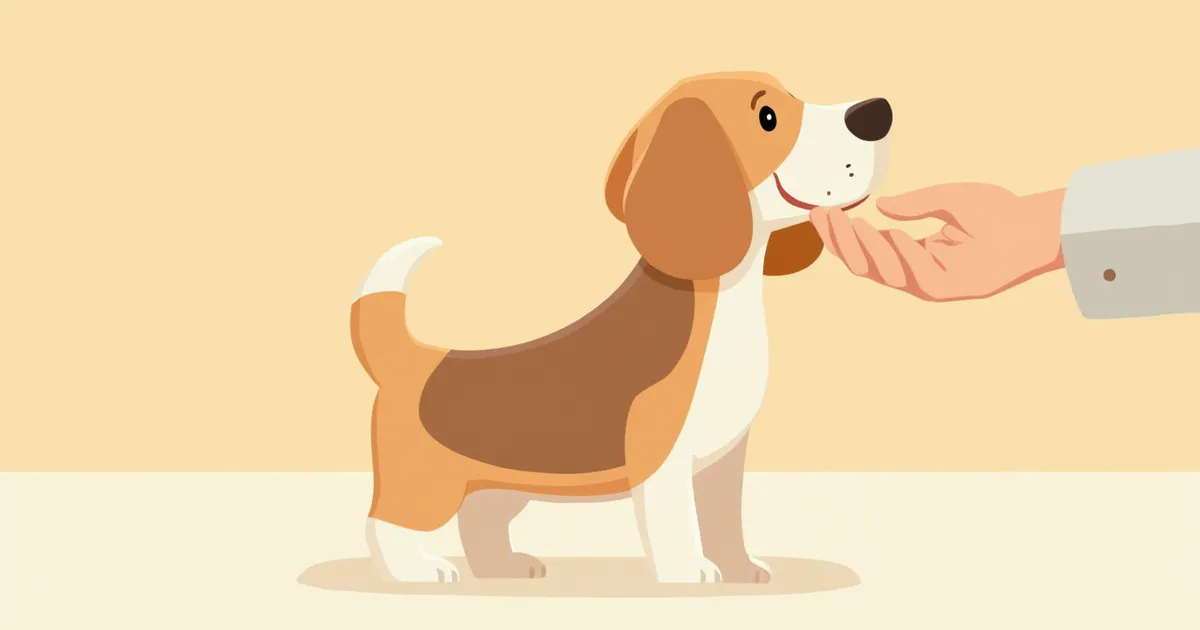
A beagle scratching its ear

When to Seek Immediate Veterinary Attention

If you notice any of the following symptoms, do not attempt home care and seek veterinary attention immediately: • Yellow or green discharge draining from the ear • Swelling of the ear flap with visible blood • Head tilting to one side and loss of balance • Vocalizing in pain or crying out when the ear is touched • Otitis externa that fails to resolve within two weeks or recurs frequently In particular, head tilting may indicate progression to otitis media or otitis interna, which can lead to hearing loss or facial nerve paralysis.

Proper Beagle Ear Cleaning Method
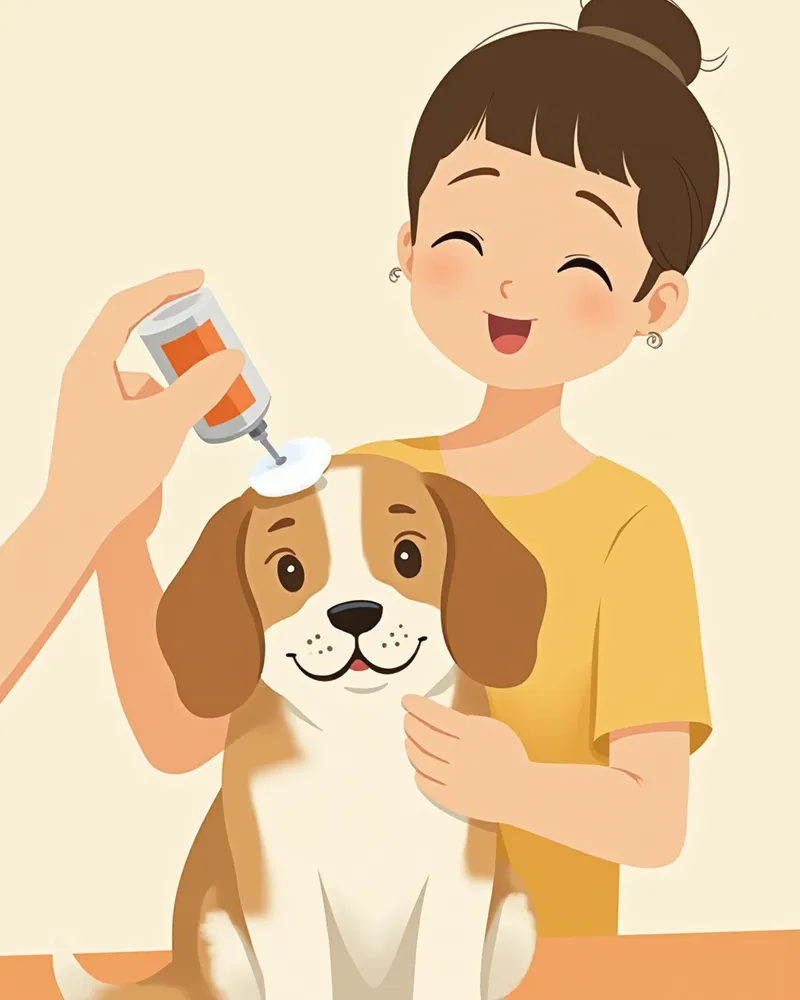
Do not push cotton swabs into the ear canal. This can pack earwax deeper or scratch the mucous membrane, causing further irritation.
Step 1: Generously apply dog-specific ear cleaner into the ear canal.
Step 2: Gently massage the base of the ear for 30–60 seconds (a squishing sound is normal).
Step 3: Release your hand and let your dog shake its head naturally to help flush out discharge.
Step 4: Use gauze or a cotton pad to wipe only the visible inner part of the ear flap.
Massaging for 30–60 seconds after applying cleaner and then wiping with gauze is the standard recommended method. However, deeply impacted, hardened discharge may not fully clear at home, so please have your veterinarian check if there is significant buildup. The key to ear care is not increasing frequency, but performing regular cleaning whenever discharge is visible.
Cleaning a beagle's ears

Otitis Externa Symptoms by Stage and How to Respond

ItemEarly stageModerate stageSevere stage
Amount of earwaxMore than usualSticky brownPus and foul odor
Scratching frequencyOccasionallyFrequentlyConstantly
Inner ear colorLight pinkRedDeep red with ulceration
PainNoneFlinches when touchedYelping and aggression
ResponseIncrease ear cleaningVet visitEmergency care

If symptoms persist for more than 2 weeks or recur, a vet visit is needed regardless of stage

Ear Care Routine After Walks and Baths

Moisture buildup in the ear canal is a primary risk factor for otitis externa. Swimming, high-humidity environments, and water left in the external auditory canal all increase the risk of otitis externa, so small daily habits are key.
After walks: On rainy days or after walks on grass, gently wipe the entrance of the ear canal with dry gauze.
After bathing: Block the ear entrance with cotton to prevent water from entering, or dry the inside of the ears immediately after bathing.
After swimming: On days when your dog has been in a dog pool or the ocean, dry the ears thoroughly to ensure no moisture remains, and rinse with an ear cleanser if necessary.
During summer: Check the condition of the ears more frequently than usual during the humid rainy season.
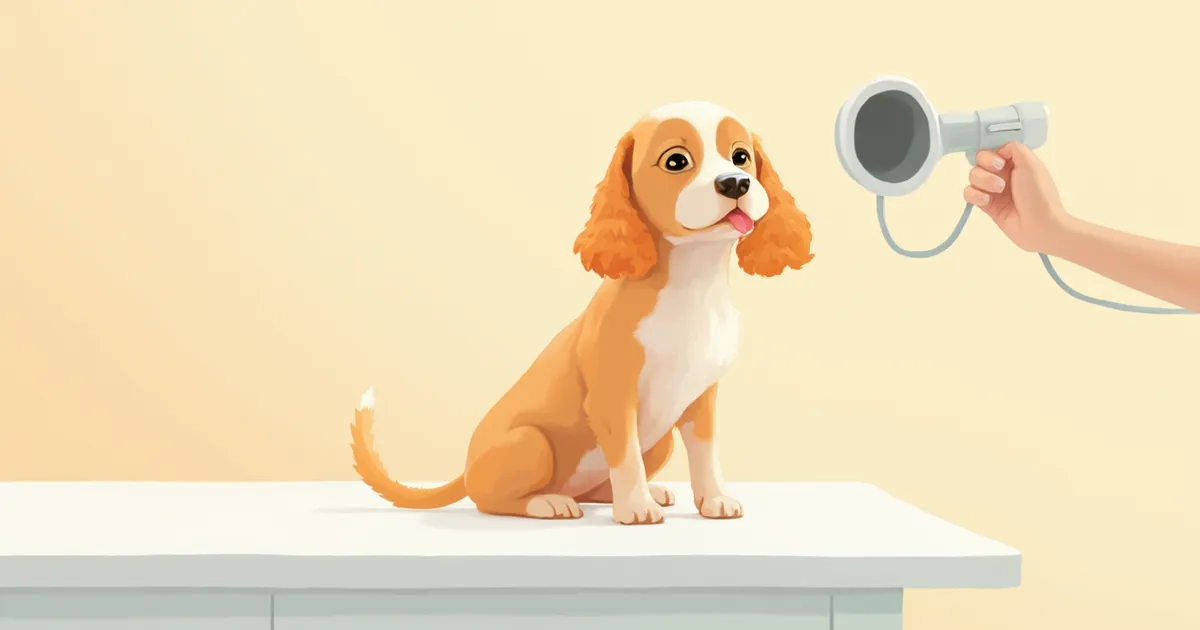
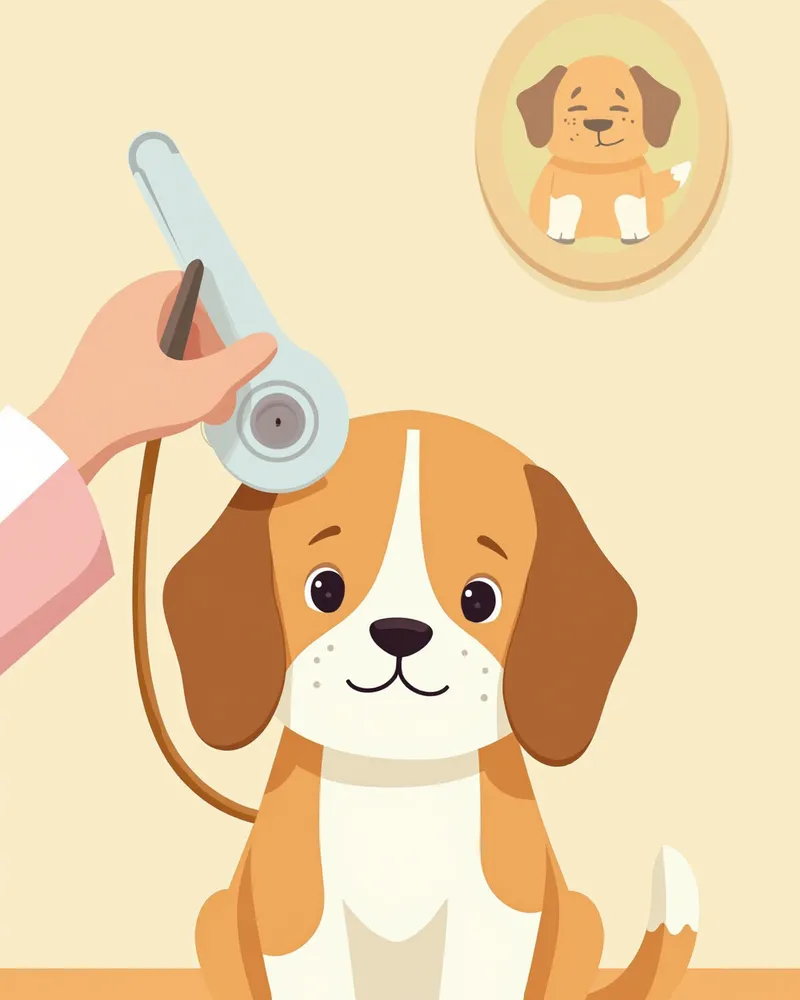
When using a hair dryer, use a low, cool setting from a distance of at least 30 cm.

Beagle Ear Care Mistakes to Avoid

Here are some common mistakes that can actually worsen otitis externa: • Using cotton swabs (Q-tips) — This can cause injuries in the external ear canal or push earwax deeper. • Using human ear cleaners — The different pH level can cause greater irritation. • Using alcohol or hydrogen peroxide — These can damage the mucous membranes. • Cleaning daily — This removes the normal protective barrier, making the ear more susceptible to infection. • Having only ear hair plucked at the groomer while symptoms are present — This can lead to wounds and increase the risk of secondary infections. Beagles, in particular, often have allergic predispositions and are more sensitive to irritation, so please use only products specifically formulated for dogs.

Lifelong Management Points for Beagle Ear Health
Otitis externa is not a one-time issue; it is a condition that very commonly recurs. Establish lifelong management principles for your Beagle.
Regular check-ups: Have your vet periodically examine your dog’s ear health.
Identify underlying causes: If otitis externa recurs, look for root causes such as allergies.
Dietary management: If a food allergy is suspected, consult your vet to try dietary adjustments.
Manage predisposing factors: Routinely manage factors that contribute to otitis externa, such as floppy ears, moisture in the ear canal, and excessive ear hair.
Ear cleaning habits: Clean the ears regularly when discharge is visible to keep the external ear canal clean.
Veterinary dermatology textbooks emphasize that simply treating recurrent infections is not enough. To reduce recurrences, you must identify and manage all the causes and factors that trigger and sustain otitis externa.
A beagle undergoing an ear examination at a veterinary clinic

Reviewed by a veterinarian

Dr. Tony — Punnawat Phongkittirak

Dr. Tony — Punnawat Phongkittirak

Veterinarian

A veterinarian who majored in veterinary medicine at Khon Kaen University, Thailand, and completed the IVSA program at North Carolina State University in the United States. Drawing on clinical experience at animal hospitals, he works in the pet healthcare field and is dedicated to building a digital care environment that connects pet parents with veterinarians.

Frequently Asked Questions

How often should you clean a Beagle’s ears?
If your pet is healthy, cleaning their ears once or twice a week is generally sufficient. However, during humid periods like the rainy season in summer or after swimming, when moisture accumulates in the ears, check them more frequently. It’s more important to clean regularly when you notice discharge inside the ear rather than over-cleaning when there’s no discharge.
Should I pluck the hair inside my pet’s ears?
Beagles typically have less hair inside their ears compared to other breeds, so it doesn't usually block airflow. However, excessive ear hair can predispose them to otitis externa, so only trim it short with scissors if it becomes dense enough to impede ventilation. Avoid pulling the hair out forcefully, as this can cause irritation and wounds, which may actually increase the risk of otitis externa.
Should I stop using the ear infection medication once I’ve used it all?
Not at all. Even if the symptoms seem to have disappeared, you should continue using the medication as prescribed until your veterinarian confirms that the infection and inflammation have completely subsided. Stopping the treatment midway on your own can lead to incomplete recovery and make the infection more likely to recur.
Should I start cleaning my Beagle puppy’s ears from an early age?
Yes, start by gently touching their ears around three months of age. Getting them used to having their ears handled from a young age makes cleaning much easier once they’re fully grown.
My dog keeps getting recurrent otitis externa. What should I do?
Otitis externa often recurs not merely as a simple ear infection, but due to underlying causes such as allergies. Since ear infections are highly prone to recurrence, if your pet experiences repeated episodes, it is advisable to work with your veterinarian to conduct tests that identify the root cause, rather than simply treating each infection as it arises.

Share

Related Guides

References

[1] BSAVA Manual of Canine and Feline Dermatology, 4th Ed

[2] Clinical Medicine of the Dog and Cat, 4th Ed

[3] The Dog Care Handbook, Things I Wish My Vet Had Told Me

This information is based on veterinary literature and does not replace diagnosis or treatment. Please consult a veterinarian for specific health concerns.

Metapet Co., Ltd. | CEO: Park Sung-yong | Business Reg. No. 417-88-02562 | Seoul, South Korea | Customer Center

Beagle Otitis Externa: Warning Signs & Ear Care Timing | Meongsiljang