Like
Share
멍실장
메인쿤 유전질환 체크리스트: 보호자가 꼭 알아야 할 5가지

Maine Coon Genetic Conditions — 5-Point Checklist for Hypertrophic Cardiomyopathy and Hip Dysplasia

ImmunityBreed HealthMeongsiljang Veterinary Advisory Board

Maine Coons are a large breed at higher risk for genetic conditions such as hypertrophic cardiomyopathy, polycystic kidney disease, and hip dysplasia. Here are five key health issues owners should know about and proactively monitor.

What genetic conditions is the Maine Coon breed susceptible to?
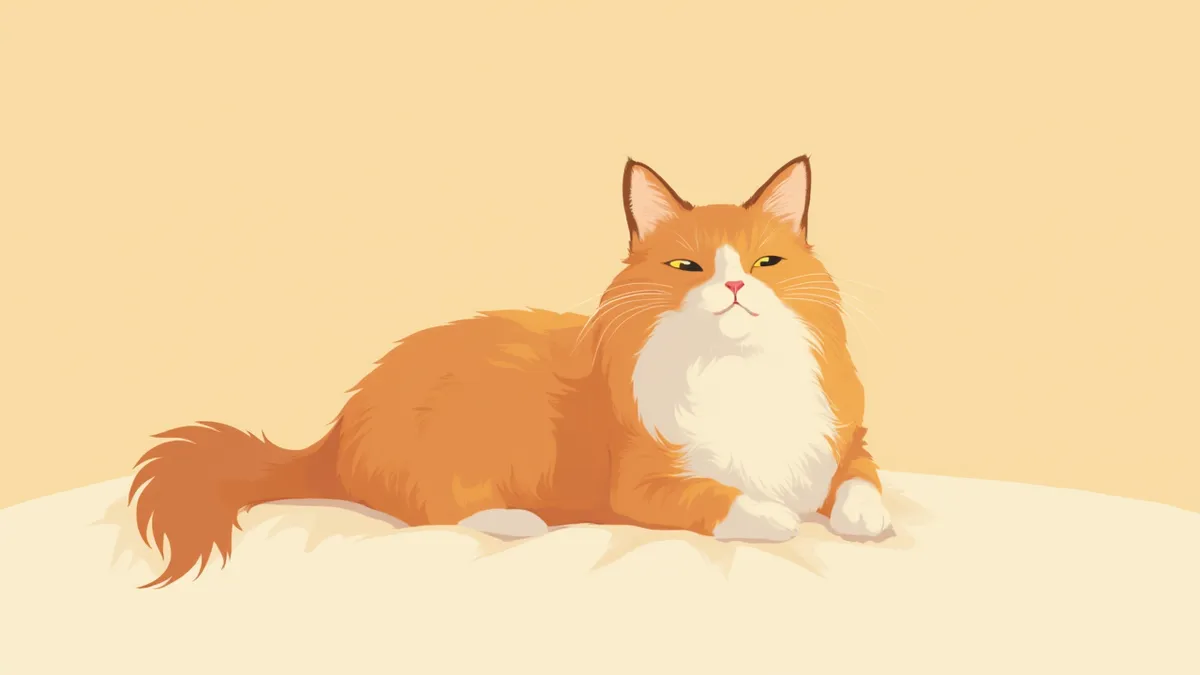
Maine Coon cats are characterized by their long fur and large size.
Maine Coons are a large, long-haired breed that requires particular attention to various genetic conditions, especially heart disease. The most crucial step is early screening. Hypertrophic cardiomyopathy (HCM) is the most commonly reported hereditary heart disease in Maine Coons, and it has been identified as being caused by mutations in the MYBPC3 gene, which produces myosin-binding protein C, a protein that regulates heart contractions. According to veterinary cardiology textbooks, for high-risk breeds like Maine Coons and Ragdolls, starting lifelong health management with genetic testing and annual cardiac ultrasounds to detect positive phenotypes early is essential.

Top 5 Genetic Conditions to Watch for in Maine Coons

Here are five hereditary and constitutional conditions that Maine Coon owners should keep an eye on. Among these, hypertrophic cardiomyopathy (HCM) is clearly established in veterinary cardiology textbooks as the representative hereditary heart disease of the Maine Coon. The remaining conditions are commonly mentioned in large, long-haired breeds, but the level of risk varies by individual, so it is essential to confirm with your veterinarian through examinations.
Hypertrophic cardiomyopathy (HCM): A condition in which the heart muscle thickens, impairing its ability to pump blood effectively.
Polycystic kidney disease (PKD): Fluid-filled cysts develop in both kidneys, progressing to kidney failure.
Hip dysplasia: Misalignment of the joint between the pelvis and femur, causing pain and limping.
Patellar luxation: A joint disorder in which the kneecap dislocates from its normal position.
Spinal muscular atrophy (SMA): A hereditary neurological disease characterized by progressive weakness of the hindlimb muscles.

Top Risk: Hypertrophic Cardiomyopathy (HCM) in Maine Coons

Hypertrophic cardiomyopathy is the most common hereditary heart disease in Maine Coons. According to veterinary cardiology textbooks, a research team at the University of California in the United States has identified a strong association between the MYBPC3 gene (A31P mutation) and HCM in Maine Coons. Not all cats with the mutation will develop the disease, but homozygous Maine Coons (those inheriting the mutation from both parents) are at high risk of progressing to severe cardiomyopathy at a young age. If you notice signs such as rapid breathing or sudden hind limb paralysis, seek immediate veterinary care.
A Maine Coon cat undergoing an echocardiogram.

Seek Immediate Veterinary Care If You Notice These Signs

If you notice any of the following signs in a Maine Coon, suspect hypertrophic cardiomyopathy or thrombosis and seek emergency veterinary care immediately: • Rapid, labored breathing (over 40 breaths per minute) • Open-mouth panting • Sudden hindlimb paralysis or coldness (suggesting arterial thrombosis) • Sudden collapse or fainting during activity • Pale or bluish gums Hindlimb paralysis occurs when a blood clot dislodged from the heart blocks an artery in the leg. The longer this condition persists, the harder recovery becomes.

Is the MYBPC3 Genetic Test Necessary?

The MYBPC3 genetic test is a commercially available DNA test specifically for Maine Coon and Ragdoll breeds. According to veterinary cardiology textbooks, 34% of asymptomatic Maine Coons carry this mutation, yet 88% of them showed no signs of hypertrophic cardiomyopathy (HCM) on echocardiograms at 5.4 years of age. This means that even if a cat tests positive for the mutation, it may never develop the disease, and conversely, a negative result does not guarantee that HCM won't develop later. However, cats that are homozygous for the mutation (inheriting it from both parents) are at a significantly higher risk of developing severe HCM at a young age. We recommend testing for cats that are planned for breeding or have parents known to carry the mutation. Please note that even with a negative test result, HCM can still occur due to other causes, so regular cardiac echocardiograms remain essential.

Testing Schedule and Methods for Maine Coon Genetic Conditions

ItemHypertrophic CardiomyopathyPolycystic Kidney DiseaseSpinal Muscular Atrophy
Main testEchocardiography + MYBPC3 genetic testAbdominal ultrasound + PKD genetic testGenetic test
Recommended start age1 year of age6–12 months of ageRight after adoption
Recheck intervalOnce a yearOnce every 1–2 yearsOnce is sufficient
Possible onset age1–10 yearsRenal failure progresses at 3–7 yearsFrom 3–4 months

Based on recommendations from veterinary internal medicine and cardiology textbooks

Also Monitor Joint and Kidney Diseases

Maine Coons are a large breed, weighing between 6 and 10 kg, which puts them at a higher risk for hip dysplasia and patellar luxation compared to other breeds. To reduce stress on their joints, lower the height of jumping surfaces and place mats on slippery floors from an early age. Polycystic kidney disease involves the formation of fluid-filled cysts in both kidneys, gradually progressing to kidney failure. Have an abdominal ultrasound performed around one year of age to check for cysts. If your cat shows repeated signs of decreased water intake, weight loss, or vomiting, kidney function tests are necessary.
A Maine Coon cat resting comfortably on a plush cushion.

Health Management Tips for Owners

Maine Coons are active and have strong appetites, making them prone to obesity. Obesity is a key factor that worsens both heart and joint diseases.
Weight Management: Maintain an ideal weight (6–9 kg) and record weight monthly.
Low-Jump Environment: Lower the steps on cat trees and install anti-slip mats on the floor.
Annual Cardiac Ultrasound: Schedule regular check-ups starting at one year of age, even if asymptomatic.
Adequate Hydration: Use automatic water fountains to support kidney health.
High-Quality Protein Diet: Feed a nutritionally balanced diet formulated for large breeds or adult cats.

Essential Checks Before Adoption or Breeding

If you’re considering adopting or breeding Maine Coons, always request the genetic test results for the parent cats. • MYBPC3 status (negative/positive) • PKD genetic test results • Echocardiogram records of the parent cats Reputable breeders will openly share these results. If a breeder refuses to provide them or gives vague answers, there’s a risk that hereditary conditions could be passed on to the kittens, so proceed with caution.

Reviewed by a veterinarian

Dr. Tony — Punnawat Phongkittirak

Dr. Tony — Punnawat Phongkittirak

Veterinarian

A veterinarian who majored in veterinary medicine at Khon Kaen University, Thailand, and completed the IVSA program at North Carolina State University in the United States. Drawing on clinical experience at animal hospitals, he works in the pet healthcare field and is dedicated to building a digital care environment that connects pet parents with veterinarians.

Frequently Asked Questions

Can hypertrophic cardiomyopathy in Maine Coons be cured?
Since the genetic cause can’t be eliminated, a complete cure isn’t possible. However, with early detection, medications can reduce the heart’s workload and prevent blood clots, allowing your pet to maintain a normal daily life for a long time. Regular cardiac ultrasounds are the most important part of management.
If the MYBPC3 gene test is negative, can I rest assured?
Not necessarily. According to veterinary cardiology textbooks, HCM can also be caused by other genetic mutations or acquired factors. Even if a genetic test is negative, it’s safest to have an annual cardiac ultrasound starting at one year of age.
Does a Maine Coon with hip dysplasia require surgery like dogs do?
It depends on the severity. Mild cases can often be managed with weight control, joint supplements, and exercise modification, but severe cases with significant pain and difficulty walking may require surgical correction after consultation with a veterinary surgeon. It's a good idea to have an X-ray done early on to check for any issues.
Where can I get a genetic test done?
Testing can be performed at the veterinary clinic through blood sampling or oral mucosal swabs. We submit samples to various domestic and international veterinary genetic testing laboratories, with costs ranging from $40 to $100 per test item. Please consult with your attending veterinarian to determine the specific tests available and appropriate for your pet.
What is the average lifespan of a Maine Coon?
Average lifespan varies widely depending on living conditions and management of genetic diseases, so it’s difficult to give a one-size-fits-all answer. However, according to veterinary cardiology textbooks, the median survival time after diagnosis of hypertrophic cardiomyopathy (HCM) in cats is approximately five years, and the five-year survival rate for asymptomatic (subclinical) HCM is reported to be around 80%. Early management of genetic conditions, prevention of obesity, and regular cardiac check-ups can help your cat live longer and healthier by your side.

Share

Related Guides

References

[1] Textbook of Cardiovascular Medicine in Dogs and Cats - Hypertrophic Cardiomyopathy in Cats

[2] The Cat: Clinical Medicine and Management, 2nd Edition - Feline Cardiomyopathies

[3] Meurs KM et al., A cardiac myosin binding protein C mutation in the Maine Coon cat with familial hypertrophic cardiomyopathy, Human Molecular Genetics, 2005

[4] Fyfe JC et al., An ~140-kb deletion associated with feline spinal muscular atrophy in Maine Coon cats, Genomics, 2006

This information is based on veterinary literature and does not replace diagnosis or treatment. Please consult a veterinarian for specific health concerns.

Metapet Co., Ltd. | CEO: Park Sung-yong | Business Reg. No. 417-88-02562 | Seoul, South Korea | Customer Center

Maine Coon Genetic Diseases: 5-Point Checklist for HCM & Hip Dysplasia | Meongsiljang