
Like
Share
멍실장
샴 정기 검진 일정 — 연령별 체크리스트

Siamese Routine Checkup Schedule — Age-Based Checklist

ImmunityBreed HealthMeongsiljang Veterinary Advisory Board

Siamese cats are prone to respiratory, dental, and heart conditions. We’ve outlined the recommended screening schedule by age and the essential tests to keep in mind.

Why Should Siamese Cats Have More Frequent Checkups?
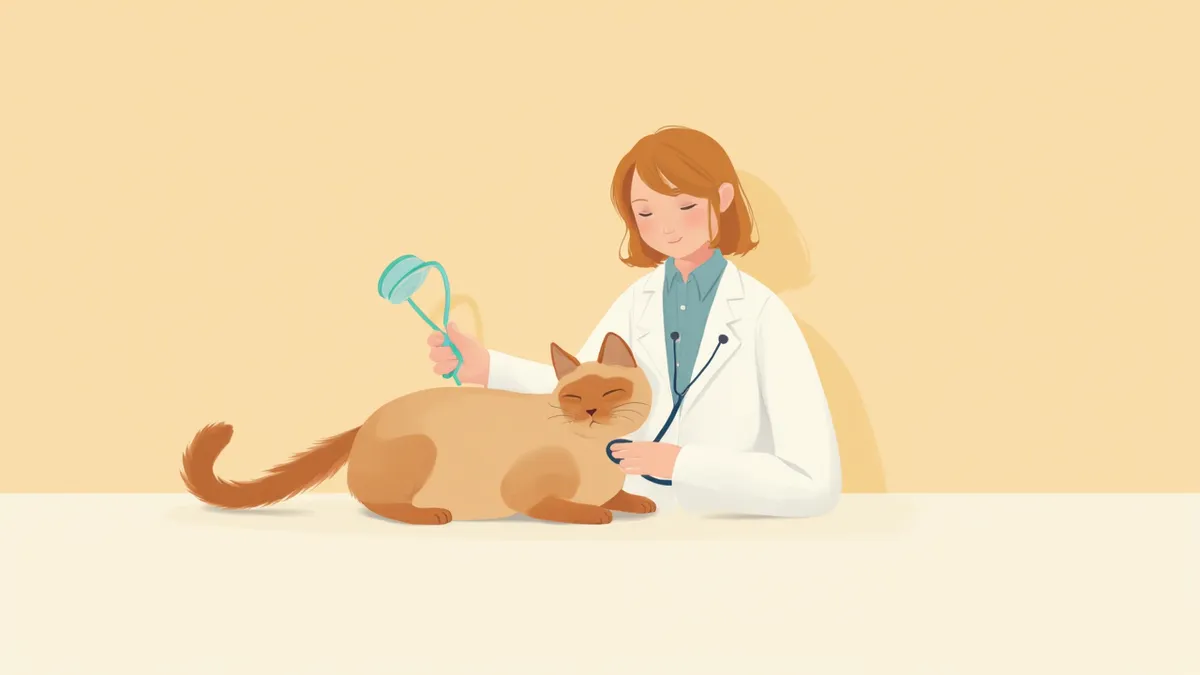
A veterinarian examining a Siamese cat with a stethoscope
The Siamese is a short-haired Oriental breed with documented predispositions to certain conditions. Veterinary textbooks note that severe myasthenia gravis is relatively common in Siamese cats, and they may have an increased risk of mediastinal lymphoma along with related breeds. Ophthalmic and dermatological findings, such as reduced pigmentation around the eyes, have also been reported. The fundamental principle of routine health check-ups is to visit the veterinarian at least once a year, regardless of breed. However, as cats age, blood and urine tests and blood pressure measurements become increasingly important. Therefore, scheduling more comprehensive check-ups during the senior years aids in early detection. Regular check-ups are the most reliable preventive measure, especially for conditions like periodontal disease, which often progress silently before worsening.

Checkup Intervals by Age at a Glance

Siamese cats tend to live longer, so senior care is especially important. Veterinary guidelines recommend at least one wellness exam per year for all breeds, with more intensive screening as cats age. Here’s a breakdown of recommended check-ups by life stage:
0–1 year (Kitten): Frequent visits aligned with vaccination and deworming schedules — vaccines, deworming, FeLV/FIV testing, and basic health assessment
1–6 years (Young Adult): At least once a year — comprehensive check-up, pre- and post-neutering evaluation, dental and oral exam
7–10 years (Middle-aged): At least once a year — increased focus on blood and urine tests, plus blood pressure monitoring
10+ years (Senior): More frequent visits — prioritize blood, urine, and blood pressure checks
As cats age, blood tests, urine analysis, and blood pressure monitoring become increasingly important, so it’s best not to skip any recommended screenings during the senior years.

Top 5 Conditions to Watch for in Siamese Cats

According to veterinary textbooks, the following conditions are reported or considered important during health screenings for Siamese cats, so it’s a good idea to include them in your checkup:
Myasthenia Gravis: Feline myasthenia gravis is the most commonly reported neuromuscular disorder in Siamese cats.
Mediastinal Lymphoma: Siamese and related breeds may have an increased risk of developing this condition.
Periorbital Pigment Abnormalities: Siamese cats are known to experience reduced pigmentation (depigmentation) around the eyes, making regular eye and skin examinations important.
Periodontal and Oral Diseases: These are common issues in cats and, if left untreated, can lead to decreased appetite, chewing on one side, and bad breath.
Kidney Disease: Common in older cats, kidney disease often presents with nonspecific symptoms such as loss of appetite, weight loss, and vomiting.
An illustration showing the facial structure of a Siamese cat

Don’t Wait for the Next Checkup If You See These Signs

Even if your pet is up to date on regular checkups, you should visit the clinic immediately if you notice any of the following signs. Labored breathing, such as panting with an open mouth or using the shoulder muscles to breathe, is an emergency that requires immediate attention—do not wait 24 hours. Sudden loss of appetite and weight loss, severe bad breath, chewing on only one side of the mouth, drinking significantly more water than usual, or a sudden increase in bathroom frequency all require prompt veterinary care. In particular, labored breathing and changes in gum color (such as becoming pale or bluish) may indicate an emergency requiring immediate treatment.

Comparison of Essential Checkup Items by Age

ItemKitten (0–1 year)Adult cat (1–6 years)Senior (7+ years)
Physical exam/weight
Core vaccines
Dental/oral checkup
Blood test (CBC/biochemistry)
Urinalysis
Blood pressure measurement
FeLV/FIV test
Ophthalmic exam

✅ Essential, ⭕ Recommended, – Generally unnecessary

Vaccination and Deworming Schedule

Although the vaccination schedule for a Siam is the same as for other cats, it is important not to miss the respiratory vaccines due to their predisposition to respiratory diseases.
Core Vaccines (8, 12, and 16 weeks): Triple vaccine (panleukopenia, herpesvirus, calicivirus) and rabies
One-year booster: First booster of the combination vaccine, followed by boosters every 1–3 years
Deworming (monthly): Simultaneous prevention of external and internal parasites
Optional Vaccines: Outdoor cats should receive an additional feline leukemia virus (FeLV) vaccine
Even if your cat is kept indoors alone, viruses can be introduced via your clothes and shoes, so core vaccinations are essential.
A veterinarian administering a vaccine to a young Siamese cat

Home Monitoring Points to Check Monthly at Home

These are items you can check at home between regular check-ups. Recording them monthly under the same conditions helps you spot changes early.
Weight: Measure at the same time of day using the same scale — contact your vet if you notice sudden weight gain or loss.
Respiratory rate: Count breaths for one minute while your pet is sleeping (at rest) — a noticeably faster rate than usual may be a warning sign.
Water intake and urine output: A sudden increase may indicate kidney disease or other issues, requiring a veterinary visit.
Gum color: Pink is normal; pale, yellow, or blue gums require immediate veterinary attention.
Appetite and activity level: Loss of appetite lasting more than 24 hours is a sign to schedule a check-up.

Breed-Specific Precautions for Siamese Cats

Because neuromuscular disorders such as myasthenia gravis are relatively common in Siamese cats, it’s important to thoroughly evaluate your cat's overall health before any procedure requiring anesthesia, such as dental scaling or surgery. Choose a clinic with experience treating Siamese cats and ensure pre-anesthetic blood work is performed. Additionally, since Siamese cats and related breeds have a reported predisposition to mediastinal lymphoma, it’s advisable to request thoracic auscultation and further testing during seasonal check-ups if you notice any changes in breathing or swallowing.

Reviewed by a veterinarian

Dr. Tony — Punnawat Phongkittirak

Dr. Tony — Punnawat Phongkittirak

Veterinarian

A veterinarian who majored in veterinary medicine at Khon Kaen University, Thailand, and completed the IVSA program at North Carolina State University in the United States. Drawing on clinical experience at animal hospitals, he works in the pet healthcare field and is dedicated to building a digital care environment that connects pet parents with veterinarians.

Frequently Asked Questions

When should I take my Siamese cat for its first veterinary checkup?
We recommend scheduling your new pet’s first veterinary checkup within one week of adoption. This initial visit includes a basic health assessment, parasite screening, and the establishment of a vaccination schedule.
Do healthy adult cats also need annual check-ups?
Yes, cats are skilled at hiding pain and abnormalities. To catch periodontal and other oral diseases early—often before any symptoms appear—even adult cats between 1 and 6 years old should have at least one veterinary checkup per year.
Does a Siamese cat need to undergo breed-specific testing?
Veterinary textbooks report that Siamese cats can develop severe myasthenia gravis, mediastinal lymphoma, and periocular pigmentation abnormalities. If you notice persistent muscle weakness, changes in breathing or swallowing, or alterations around the eyes, it’s a good idea to request further diagnostic testing tailored to those symptoms.
Are there ways to reduce the cost of health checkups for senior Siamese cats?
Health check-up packages are often 20–30% more affordable than individual tests. Additionally, enrolling your pet in insurance before they turn six years old typically provides broader coverage for chronic conditions in their senior years.
Is fasting the day before the checkup absolutely necessary?
If the blood test includes a biochemical panel, your pet will need to fast for 8–12 hours. Water can be given freely, but please confirm the exact fasting duration with your veterinarian in advance.

Share

Related Guides

References

[1] Little, S.E., The Cat: Clinical Medicine and Management, 2nd Edition

[2] Johnson, L.R., Canine and Feline Respiratory Medicine, 3rd Edition

[3] Lommer, M.J., The Veterinary Workbook of Small Animal Clinical Cases — Case 40 Feline Asthma

This information is based on veterinary literature and does not replace diagnosis or treatment. Please consult a veterinarian for specific health concerns.

Metapet Co., Ltd. | CEO: Park Sung-yong | Business Reg. No. 417-88-02562 | Seoul, South Korea | Customer Center

Siamese Cat Checkup Schedule: Age-Based Health Guide | Meongsiljang