Like
Share
멍실장
시바이누 건강 관리 — 알러지·피부·슬개골 주의점

Shiba Inu Health Care: Complete Guide to Allergies, Skin Diseases, and Patellar Luxation

Skin & CoatBreed HealthMeongsiljang Veterinary Advisory Board

Shiba Inus are a breed with a higher incidence of atopic dermatitis and patellar luxation. We’ve compiled key care points for their skin, joints, and eyes based on veterinary textbooks, tailored to the breed’s specific characteristics.

What Health Issues Are Shiba Inus Vulnerable To?
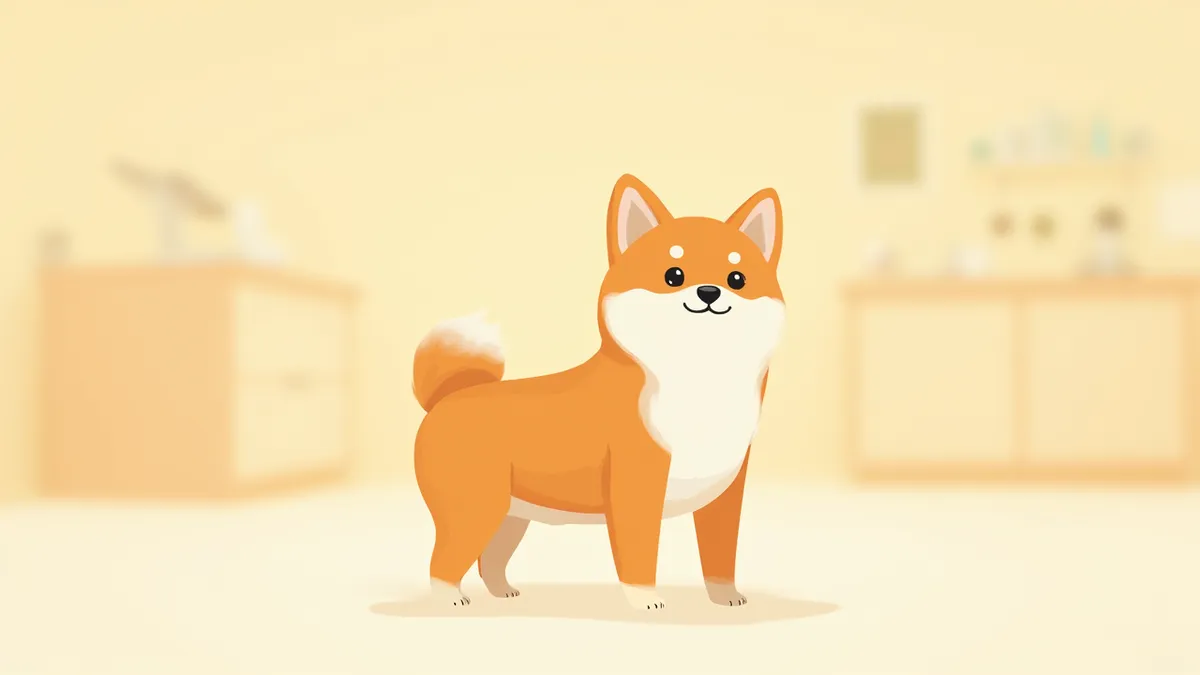
A Shiba Inu undergoing a health checkup at the veterinary clinic
The Shiba Inu, a small-to-medium-sized breed originating from Japan, requires particular attention to breed-specific conditions such as allergic dermatitis and patellar luxation. The most important thing is to carefully monitor your dog’s skin and hind leg movement on a regular basis. Early detection of these issues makes treatment much easier and helps prevent them from becoming chronic. To enjoy a long, healthy life with your Shiba Inu, it’s best to familiarize yourself with care practices tailored to the breed’s characteristics in advance.

Three Diseases Shiba Inus Need to Be Especially Cautious About

Shiba Inus are prone to several breed-specific health conditions that require special attention.
Atopic dermatitis: This is a common skin condition with a strong breed predisposition. According to veterinary dermatology textbooks, it is linked to an overactive immune response to environmental allergens, driven by genetic factors and changes in skin barrier function.
Patellar luxation: This joint disorder occurs when the kneecap slips out of its normal position. It is relatively common in Shiba Inus, a small-to-medium breed.
Glaucoma: This eye disease is characterized by abnormally high intraocular pressure. Veterinary ophthalmology textbooks note that it has a genetic predisposition reported in many breeds, so Shiba Inu owners should pay close attention to their pet’s eye health.
While these three conditions can be effectively managed if detected early, delaying treatment can make them much more complex to address.

Skin Allergies and Atopic Dermatitis — The Most Common Concern for Shiba Inus
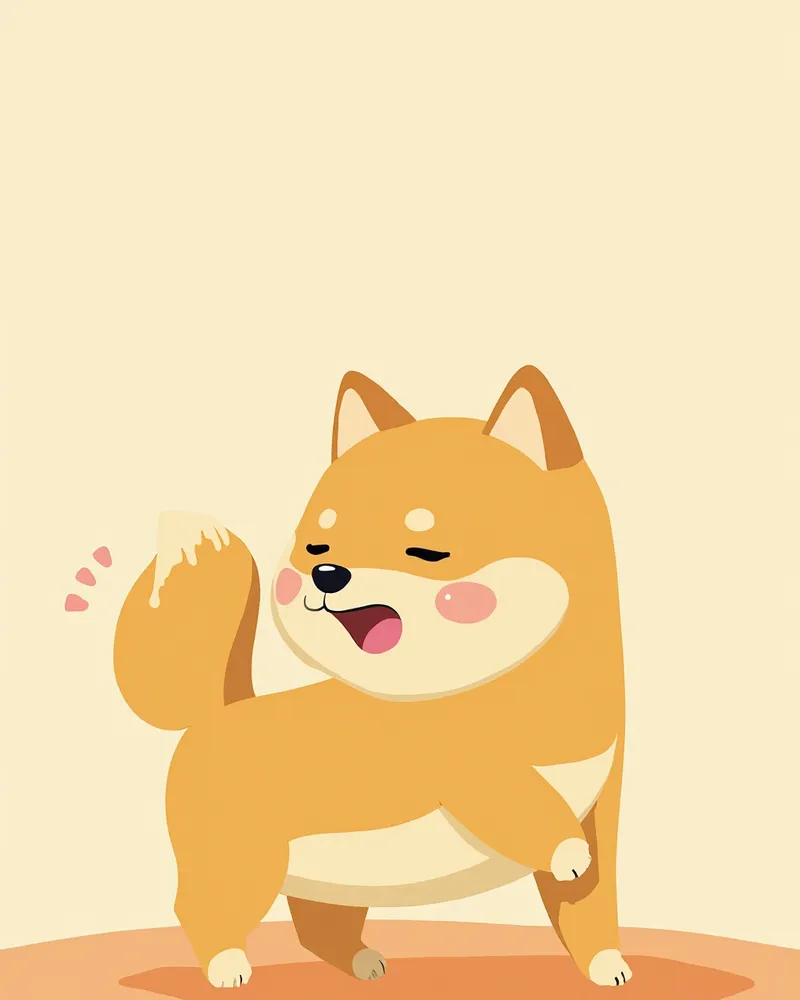
Shiba Inus are known to have a genetic predisposition to atopic dermatitis. According to veterinary dermatology textbooks, dogs with atopic dermatitis often experience impaired skin barrier function. However, whether this barrier damage is the cause or the result of allergies can vary by individual, making it difficult to simply conclude that they have "genetically weak skin." Symptoms such as itching and redness typically appear on the face, inside the ears, armpits, groin, and between the toes. When environmental allergens like house dust mites, pollen, and mold are more easily absorbed through the compromised skin barrier, hypersensitivity reactions can worsen. Excessive scratching or licking can lead to secondary bacterial infections (superficial pyoderma) or yeast (Malassezia) infections. Establishing a management plan with a veterinarian early on makes symptom control much easier.
A Shiba Inu scratching behind its ears

Visit the Vet Immediately If You See These Skin Symptoms

Visit a veterinary clinic promptly if you notice any of the following symptoms: • Widespread redness and swelling of the skin • Oozing or pus from scratched areas • Hair loss accompanied by darkening of the skin • A foul odor from the ears and persistent head shaking If left untreated, these conditions can progress to chronic dermatitis, significantly increasing both treatment duration and costs.

Patellar Luxation — If Your Dog Is Limping on Its Hind Legs
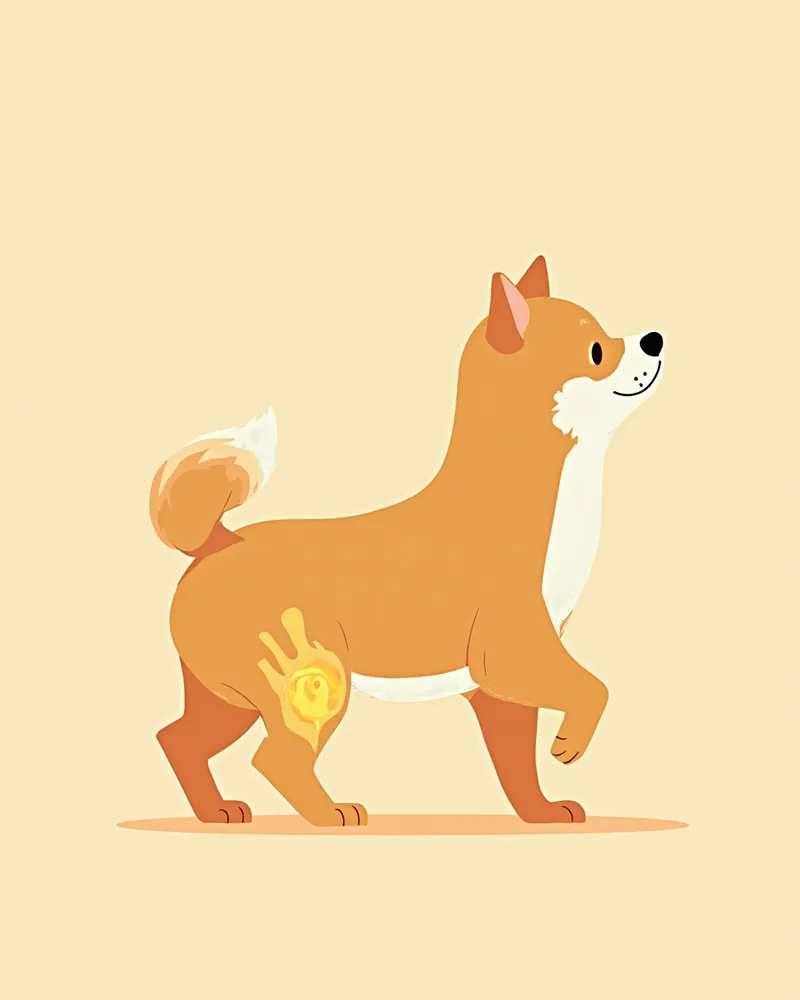
Patellar luxation is a condition in which the kneecap (patella) slips out of its normal groove, either inward or outward. According to veterinary orthopedic textbooks, medial (inward) luxation is more common in small-to-medium breeds such as Shiba Inus.
Grade 1: The kneecap can be manually displaced but returns to its normal position on its own. Symptoms are minimal.
Grade 2: The kneecap intermittently dislocates and reduces itself. The dog may occasionally skip a step or lift its hind leg while walking.
Grade 3: The kneecap is mostly dislocated and tends to slip out again immediately after being manually repositioned. Limping is frequent.
Grade 4: The kneecap is permanently dislocated and cannot be manually repositioned. Surgery is required.
For Grade 2 or higher, it is advisable to consult with a veterinarian about whether surgery is necessary. If you’d like to learn more about patellar luxation, check out our Patellar Luxation Symptoms Guide.
A Shiba Inu walking with its hind legs slightly lifted

Glaucoma — Don’t Neglect Eye Health Either

Glaucoma is a condition that requires careful attention in several dog breeds with a genetic predisposition. According to veterinary ophthalmology textbooks, primary glaucoma has been reported in many breeds due to genetic factors, so Shiba Inu owners should consistently monitor their dog’s eye health. Glaucoma is a disease in which abnormally elevated intraocular pressure damages the optic nerve. The underlying changes that raise intraocular pressure develop gradually over several years, but clinical signs often appear suddenly, sometimes within just a few hours. Therefore, if your dog shows signs of eye discomfort, such as frequent squinting or eyelid twitching, redness of the sclera (episcleral hyperemia), cloudiness of the cornea (corneal edema), protrusion of the third eyelid, abnormally dilated or constricted pupils, or apparent enlargement of one eye (globe enlargement), immediate veterinary ophthalmic examination is necessary. Because delayed detection of glaucoma can lead to vision loss and blindness, it is important to regularly observe your dog’s eyes and schedule routine ophthalmic check-ups.

Key Points for Shiba Inu Health Care

To keep your Shiba Inu healthy, there are a few key things to consistently manage in your daily routine.
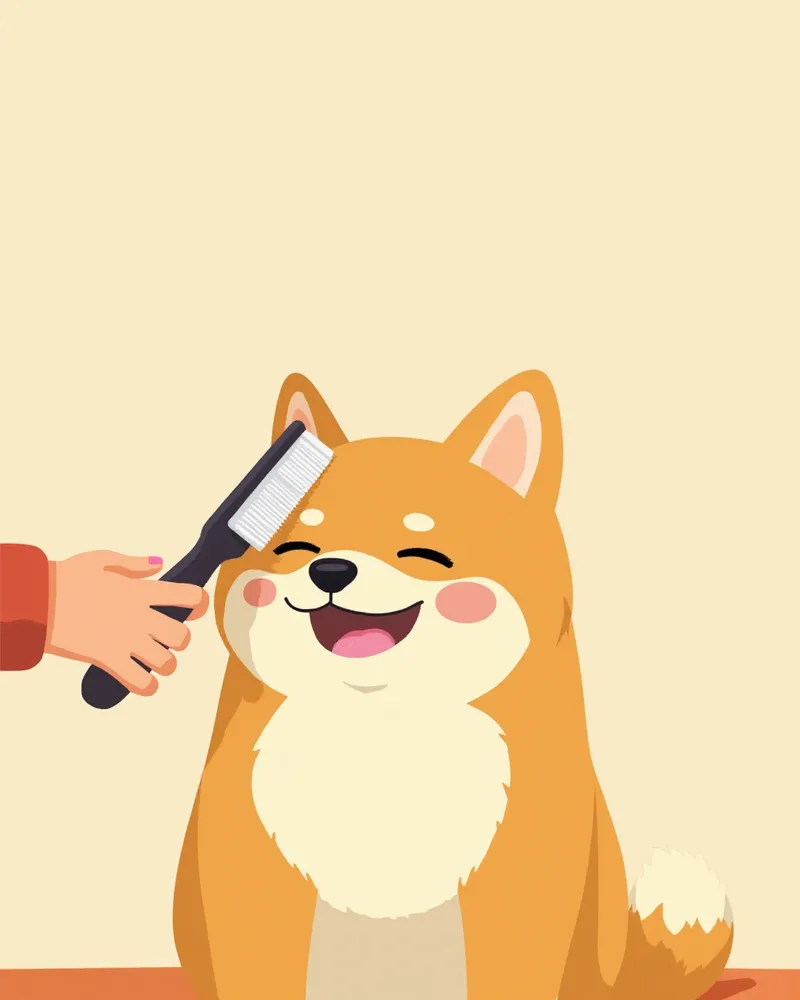
Skin Care: Brush your dog 1–2 times a week to remove dead hair and dander. Bathing once or twice a month is sufficient; washing too frequently can weaken the skin barrier.
Weight Management: Maintaining an ideal weight helps reduce stress on the patella and joints. Since Shibas tend to have a strong appetite, it is important to control their treat intake.
Regular Check-ups: Having skin, joint, and eye examinations once or twice a year allows for early detection of potential issues.
Indoor Environment: Slippery floors can put strain on the patella, so please use non-slip mats.
A Shiba Inu being brushed by its owner

Essential Tips for Shiba Inu Owners

Shiba Inus are independent and sensitive, so they can become quite stressed during vet visits or when taking medication. Practicing gentle handling of their body, ears, and paws from a young age will make veterinary exams much smoother. As a double-coated breed, they shed heavily during seasonal transitions, so be sure to check their skin more closely during these periods.

Reviewed by a veterinarian

Dr. Tony — Punnawat Phongkittirak

Dr. Tony — Punnawat Phongkittirak

Veterinarian

A veterinarian who majored in veterinary medicine at Khon Kaen University, Thailand, and completed the IVSA program at North Carolina State University in the United States. Drawing on clinical experience at animal hospitals, he works in the pet healthcare field and is dedicated to building a digital care environment that connects pet parents with veterinarians.

Frequently Asked Questions

Can Shiba Inu atopic dermatitis be cured?
Atopic dermatitis is best managed as a long-term condition rather than a disease that can be completely cured. By working with your veterinarian to combine allergen testing, medication, and moisturizing care, you can effectively control the symptoms.
Is patellar luxation surgery always necessary?
Stage 1 can be managed with weight control and joint supplements. For stage 2 and beyond, it’s best to consult with a veterinarian to determine whether surgery is necessary. Stages 3 and 4 typically require surgical intervention.
How often should you bathe a Shiba Inu?
Bathing once or twice a month is sufficient. Washing too frequently can strip the skin of its natural oils, which may weaken the skin barrier. After bathing, be sure to dry your pet completely.
My Shiba Inu’s eyes are often red. Is that normal?
Temporary redness may not be a major concern, but if it recurs or is accompanied by squinting, it could be an early sign of glaucoma. Please have your pet examined by a veterinarian.

Share

Related Guides

References

[1] Clinical Medicine of the Dog and Cat, 4th Ed — Chapter 15: Musculoskeletal Disorders (Patellar Luxation)

[2] Textbook of Veterinary Orthopaedic Surgery — Chapter 11: Patellar Luxation

[3] Muller & Kirk's Small Animal Dermatology, 7th Ed — Chapter 8: Hypersensitivity Disorders

[4] 100 Top Consultations in Small Animal General Practice — Patellar Luxation

[5] Veterinary Ophthalmology, 6th Ed (Gelatt) — Chapter 12: The Glaucomas

This information is based on veterinary literature and does not replace diagnosis or treatment. Please consult a veterinarian for specific health concerns.

Metapet Co., Ltd. | CEO: Park Sung-yong | Business Reg. No. 417-88-02562 | Seoul, South Korea | Customer Center

Shiba Inu Health: Allergies, Skin Disease & Patellar Luxation | Meongsiljang