

Lens Luxation in Jack Russell Terriers — Early Detection to Prevent Blindness and Lifelong Health Care
We’ve compiled a guide on the symptoms, diagnosis, and treatment of lens luxation—a common hereditary eye condition in Jack Russell Terriers—along with age-specific lifelong health care tips.
Jack Russell Terriers and Lens Luxation — Why Is This Breed Particularly at Risk?

Main Symptoms of Lens Luxation — Check Immediately If You See These Signs

Emergency Situations Requiring Immediate Veterinary Care
If the lens completely dislocates forward (anteriorly), secondary glaucoma can progress rapidly. Anterior lens luxation is an emergency, so if any of the following symptoms appear, seek emergency veterinary care as soon as possible: • Sudden, severe redness of the eye (conjunctival and episcleral hyperemia) and swelling • Inability to open the eye or excessive tearing • Clouding and haziness of the cornea (the clear front part of the eye) due to edema • Sudden vision loss or blindness in one eye
Diagnosis and Treatment of Lens Luxation — How Do Veterinarians Approach It?
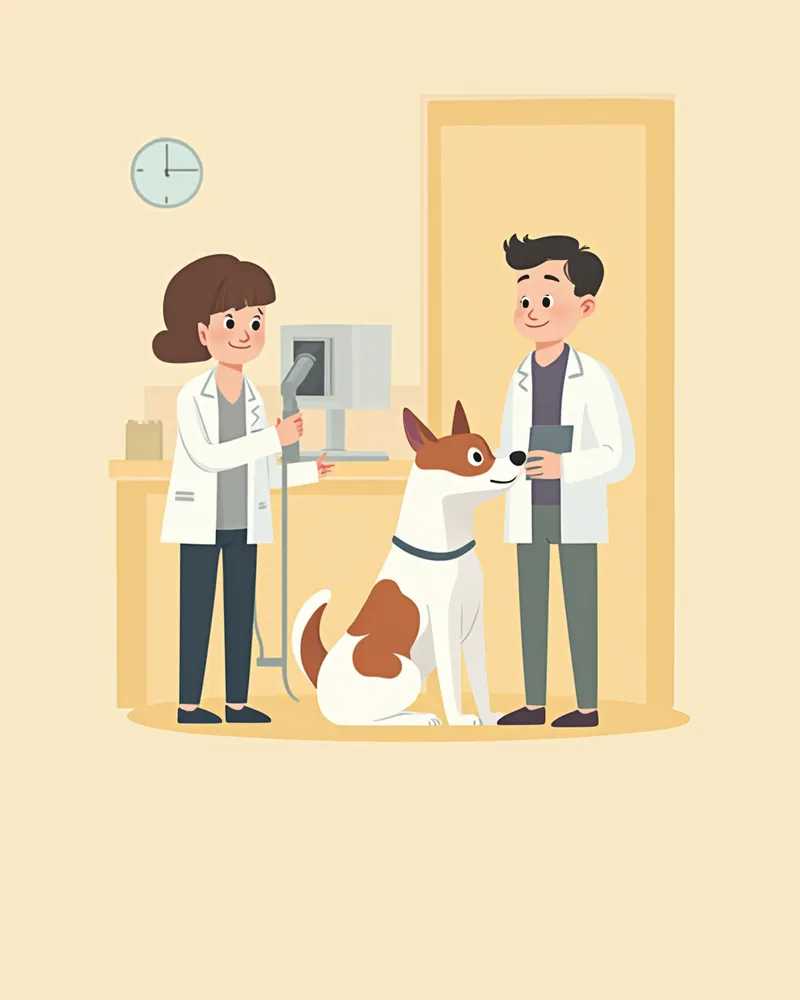
Other Health Issues Jack Russell Terriers Should Watch For
Age-Specific Health Care Checkpoints

Eye Health Care Owners Can Do at Home
Genetic Testing — Be Sure to Check Before Breeding
Lens luxation is a condition with a strong genetic predisposition, and a hereditary tendency has been reported in Jack Russell Terriers. If you are planning to breed, it is advisable to perform genetic testing in advance to determine whether your dog is a carrier. Accurate genetic testing can help reduce the occurrence of the disease within the breed through informed breeding plans, and it is recommended that dogs already diagnosed with lens luxation not be used for breeding.
Reviewed by a veterinarian

Dr. Tony — Punnawat Phongkittirak
VeterinarianA veterinarian who majored in veterinary medicine at Khon Kaen University, Thailand, and completed the IVSA program at North Carolina State University in the United States. Drawing on clinical experience at animal hospitals, he works in the pet healthcare field and is dedicated to building a digital care environment that connects pet parents with veterinarians.
Reviewed 2026-05-28
Frequently Asked Questions
Does a Jack Russell Terrier with lens luxation always require surgery?
Will vision return after surgery?
If one eye suffers from a dislocation, is the other eye also at risk?
Can you detect lens luxation at home before it becomes severe?
At what age does lens subluxation typically occur?
Share
Related Guides
Top 5 Dog Tear Supplements Recommended for 2026
What is Lutein? Effects on Dog Eye Health

The Best Canine Uveitis Management Products and Selection Criteria: A Comprehensive Guide
Key Points on Hip Dysplasia in Samoyeds and a Lifelong Age-Specific Health Management Guide

Bichon Patellar Luxation — Key Timelines and Age-Specific Lifelong Care Guide

Shih Tzu Eye Diseases — A Complete Guide from Symptoms and Causes to Lifelong Age-Specific Care
Degenerative Myelopathy (DM) in Welsh Corgis — From Early Symptoms to Lifelong Age-Specific Care

Cocker Spaniel Familial Kidney Disease — Regular Screening Guide for a Prone Breed

Exotic Shorthair Polycystic Kidney Disease — Persian Lineage Screening Guide

MYBPC3 Genetic Testing for Ragdoll HCM — Lifelong Management for a Predisposed Breed
References
[1] Farias FHG, Johnson GS, Taylor JF et al., An ADAMTS17 splice donor site mutation in dogs with primary lens luxation, Investigative Ophthalmology & Visual Science, 2010
[2] Gelatt KN, Ben-Shlomo G, Gilger BC et al., Veterinary Ophthalmology, 5th Ed, Wiley-Blackwell, 2013
[3] Gould D, Pettitt L, McLaughlin B et al., ADAMTS17 mutation associated with primary lens luxation is widespread among breeds, Veterinary Ophthalmology, 2011