Like
Share
멍실장
봄베이 고양이 건강 관리 가이드

Bombay Cat Health Care Guide

HeartBreed HealthMeongsiljang Veterinary Advisory Board

We’ve compiled information on the Bombay cat’s genetic health vulnerabilities, diseases to watch for, and daily care tips.

Essential Tips for Raising a Healthy Bombay Cat
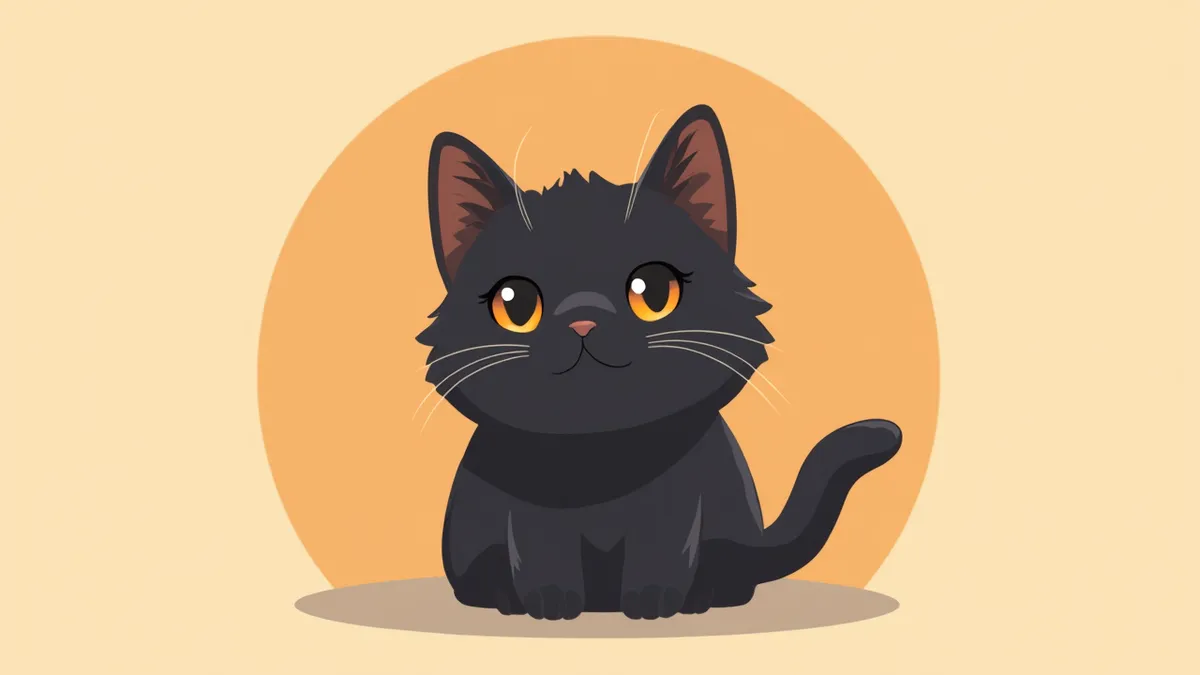
A Bombay cat with a healthy black coat and copper-colored eyes
Bombay cats are a charming breed known by the nickname "black panthers." Their main health vulnerabilities include hypertrophic cardiomyopathy, obesity, and respiratory sensitivity. Lifespan varies from cat to cat depending on the level of care and genetic predisposition, but with regular check-ups and proper weight management, they can stay healthy and be with you for a long time.

Four Diseases to Watch for in Bombay Cats

Hypertrophic cardiomyopathy: This is a condition in which the heart walls abnormally thicken. It is known to be a familial and genetic disease linked to mutations in the genes encoding sarcomere proteins that make up the heart muscle, making it the most critical condition to watch for in Bombay cats.
Obesity: Bombay cats have a constitution that makes them prone to weight gain due to their strong appetites and tendency toward reduced indoor activity. Obesity is the most common nutritional disorder in cats and can lead to diabetes or increased stress on the joints.
Craniofacial deformities: These are congenital issues rarely reported in certain bloodlines. You can reduce the risk by verifying the health history of the parent cats through a reputable breeder.
Respiratory sensitivity: Airborne allergens and particulate matter in dusty or strongly scented environments can irritate a cat’s airways, causing coughing or difficulty breathing. Please avoid strongly scented air fresheners, diffusers, and dusty environments.

The Most Critical Condition: Hypertrophic Cardiomyopathy

Hypertrophic cardiomyopathy (HCM) is a condition in which the heart muscle thickens, narrowing the ventricular chambers. According to veterinary cardiology textbooks, HCM is a familial and genetic disease linked to mutations in sarcomeric protein genes, and it is the most common myocardial disease in cats. In its early stages, symptoms are minimal, making the condition difficult to detect. As the disease progresses, affected cats may develop rapid breathing and reduced activity levels; in severe cases, arterial thromboembolism (blood clots) can lead to hindlimb paralysis. Echocardiography (heart ultrasound) is the most sensitive non-invasive test for diagnosing HCM. Regular screening is the most effective way to detect the disease early, and the appropriate age to begin screening and the recommended frequency should be determined in consultation with your veterinarian.
A black cat being examined with a stethoscope at the animal hospital.

Go to the Vet Immediately If You See These Symptoms

If your Bombay cat is breathing with its mouth open, suddenly dragging its hind legs, or showing an abnormally rapid breathing rate, these could be emergency signs of heart disease. In particular, if the breathing becomes noticeably fast or labored while the cat is at rest, it should be considered a warning sign of cardiopulmonary distress. Because these symptoms are time-sensitive, please visit the nearest veterinary clinic immediately.

How to Manage Your Bombay Cat's Weight
Bombay cats are a breed that truly loves to eat. Since the ideal adult weight varies from cat to cat, it’s recommended to manage their weight based on the Body Condition Score (BCS) assessed by your veterinarian during regular check-ups. Obesity increases the risk of diabetes, joint diseases, and fatty liver disease. It’s best to measure out daily food portions precisely and avoid free-feeding. Increase their activity level through regular play with toys, and after spaying or neutering, consult your veterinarian to adjust their calorie intake accordingly. Developing a habit of regularly monitoring their weight is also beneficial.
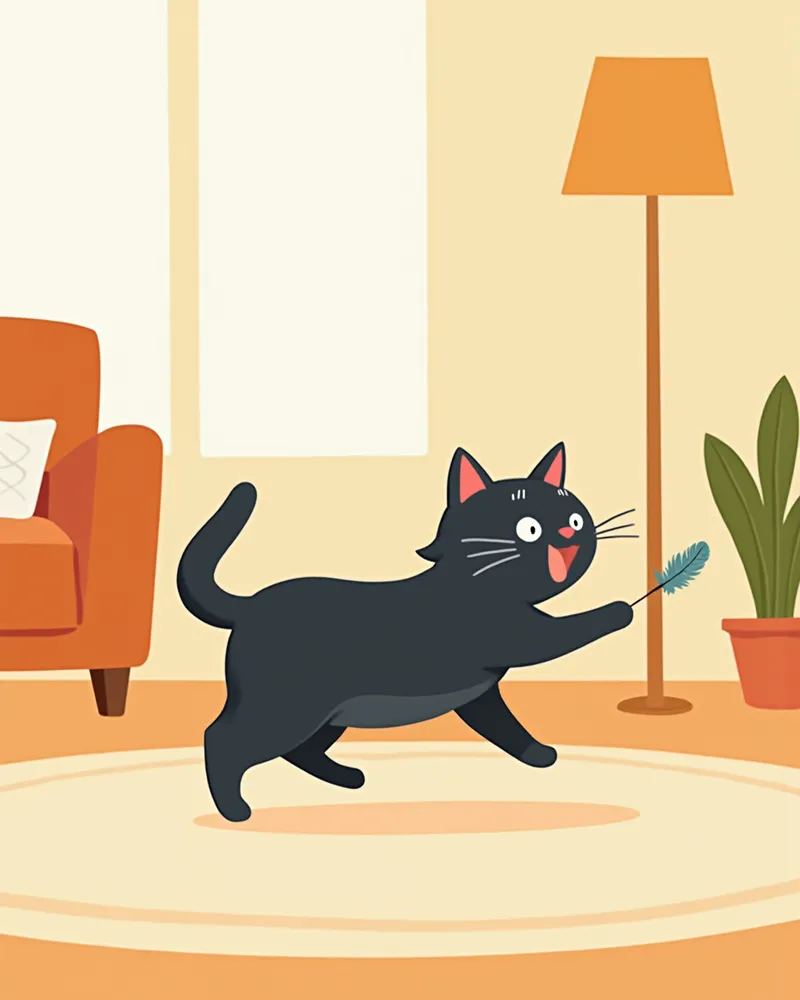
A Bombay cat playing with a toy in the living room

Respiratory and Eye Health Care

Bombay cats have a slightly shortened nasal structure. While not as pronounced as in Persians, their respiratory systems are relatively sensitive. Avoid environments with high dust levels or strong-smelling air fresheners and diffusers. They may also produce frequent tears, which can be gently wiped away once daily with a soft gauze pad. If the eye discharge appears yellow or green, it may indicate an infection, so please have your veterinarian examine your cat.

Daily Care Tips for a Long, Healthy Life
Regular Check-ups: Have a comprehensive health check-up at least once a year. After age 7, it’s best to have one every six months.
Oral Care: Since they’re prone to tartar buildup, brush their teeth 2–3 times a week.
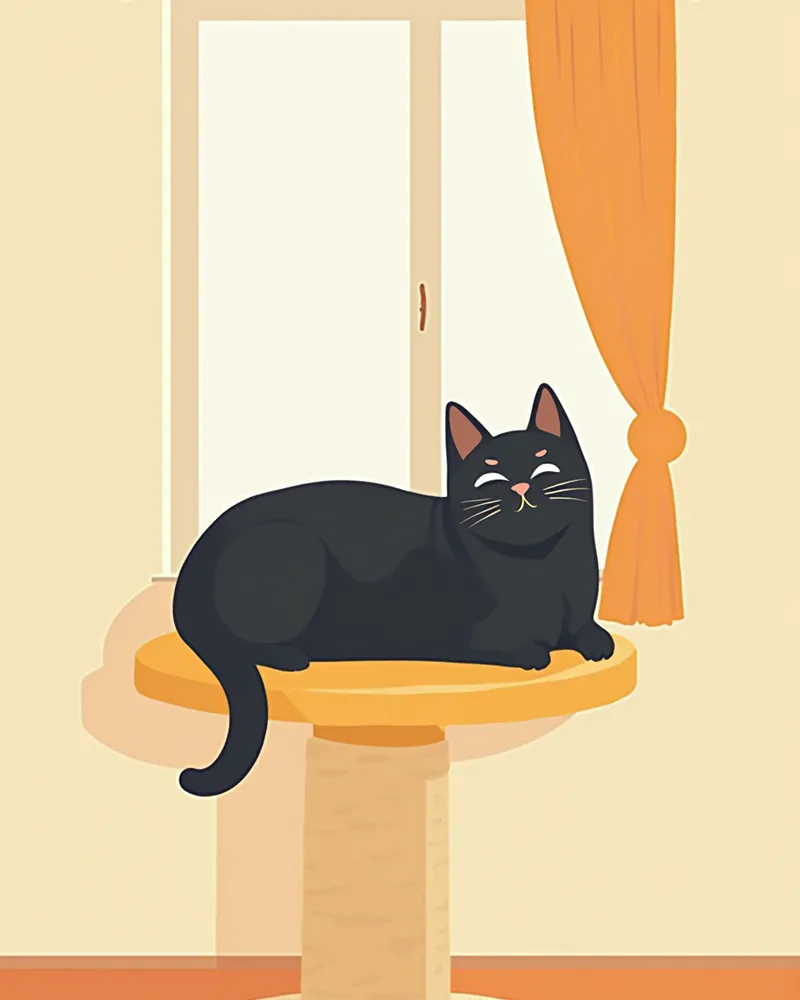
Indoor Environment: They do best living entirely indoors. Providing cat trees and ample vertical spaces encourages good exercise.
Coat Care: As a short-haired breed, they’re relatively easy to groom. Brushing once a week helps maintain their shiny black coat.
A Bombay cat resting on a cat tower

Always Check the Health History of Parent Cats Before Acquisition

The Bombay cat is a breed that branched off from the Burmese lineage. Hypertrophic cardiomyopathy is known to be a familial disease linked to genetic mutations, making it important to check the health history of the parent cats. Before acquiring a kitten, be sure to verify the results of the parents’ cardiac ultrasound (echocardiogram) and their genetic testing records. Cardiac ultrasound is the most sensitive test for detecting hypertrophic cardiomyopathy, and reputable breeders transparently provide this information.

Reviewed by a veterinarian

Dr. Tony — Punnawat Phongkittirak

Dr. Tony — Punnawat Phongkittirak

Veterinarian

A veterinarian who majored in veterinary medicine at Khon Kaen University, Thailand, and completed the IVSA program at North Carolina State University in the United States. Drawing on clinical experience at animal hospitals, he works in the pet healthcare field and is dedicated to building a digital care environment that connects pet parents with veterinarians.

Frequently Asked Questions

How long do Bombay cats typically live?
Bombay cats' lifespans can vary from individual to individual, depending on their genetic health, living environment, and level of care. Regular health check-ups and consistent weight management can help them live longer, healthier lives.
Do Bombay cats get along well with other cats or dogs?
Bombay cats are sociable and people-oriented. While they generally get along well with other pets, it's best to allow a gradual adjustment period when introducing a new animal into the home.
What health checks should I verify when adopting a Bombay cat?
Be sure to review the echocardiogram results of the parent cats. It’s also a good idea to ask whether they have a family history of hypertrophic cardiomyopathy and if they’ve undergone genetic testing.
How can you tell if your Bombay cat has gained weight?
If you can't feel your pet's ribs with a light touch, they're overweight. A lack of a visible waistline when viewed from above, or a sagging belly, are also signs that weight management is needed.

Share

Related Guides

References

[1] Little SE. The Cat: Clinical Medicine and Management. 2nd ed. Elsevier Saunders; 2012. Chapter 50: Feline Breed Genetics.

[2] Côté E, MacDonald KA, Meurs KM, Sleeper MM. Textbook of Cardiovascular Medicine in Dogs and Cats. Elsevier; 2024. Chapter 11: Hypertrophic Cardiomyopathy.

This information is based on veterinary literature and does not replace diagnosis or treatment. Please consult a veterinarian for specific health concerns.

Metapet Co., Ltd. | CEO: Park Sung-yong | Business Reg. No. 417-88-02562 | Seoul, South Korea | Customer Center

Bombay Cat Health Care: Common Conditions & Care Tips | Meongsiljang