Like
Share
멍실장
사모예드 건강 관리 (피부·심장)

Samoyed Health Care (Skin & Heart)

Skin & CoatBreed HealthMeongsiljang Veterinary Advisory Board

We’ve compiled a guide to the symptoms, diagnosis, and management of skin conditions (sebaceous adenitis, atopy), heart disease (pulmonary artery stenosis), and hypothyroidism in Samoyeds.

What Health Issues Should Samoyed Owners Watch For?
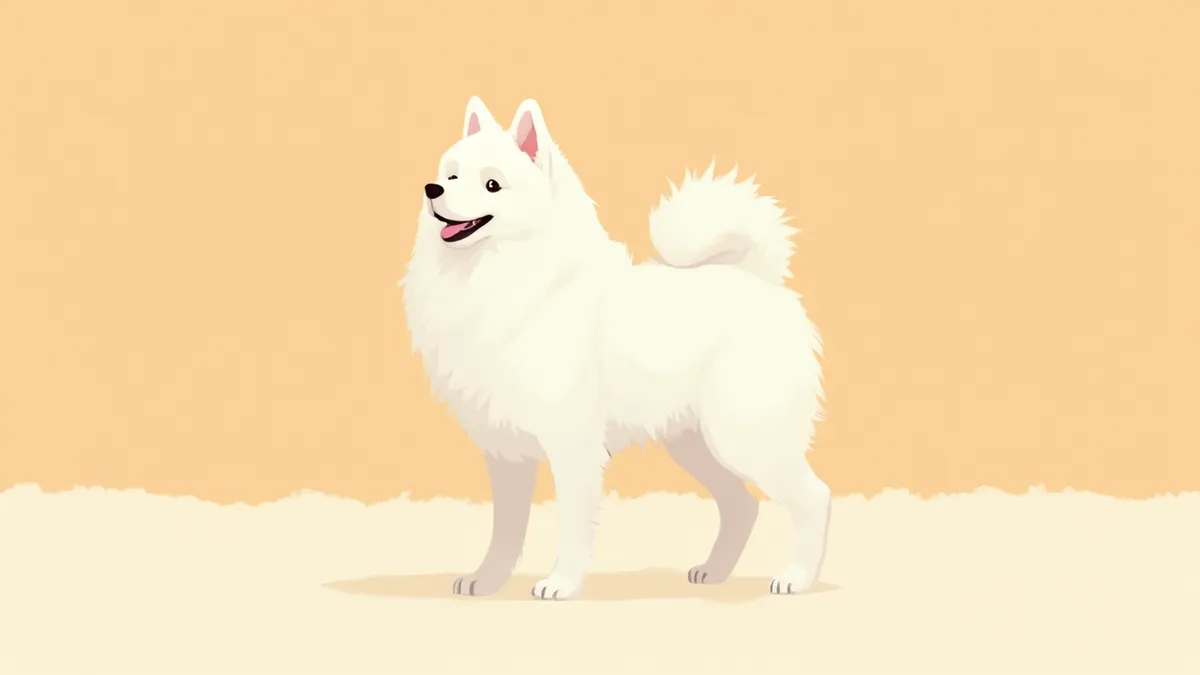
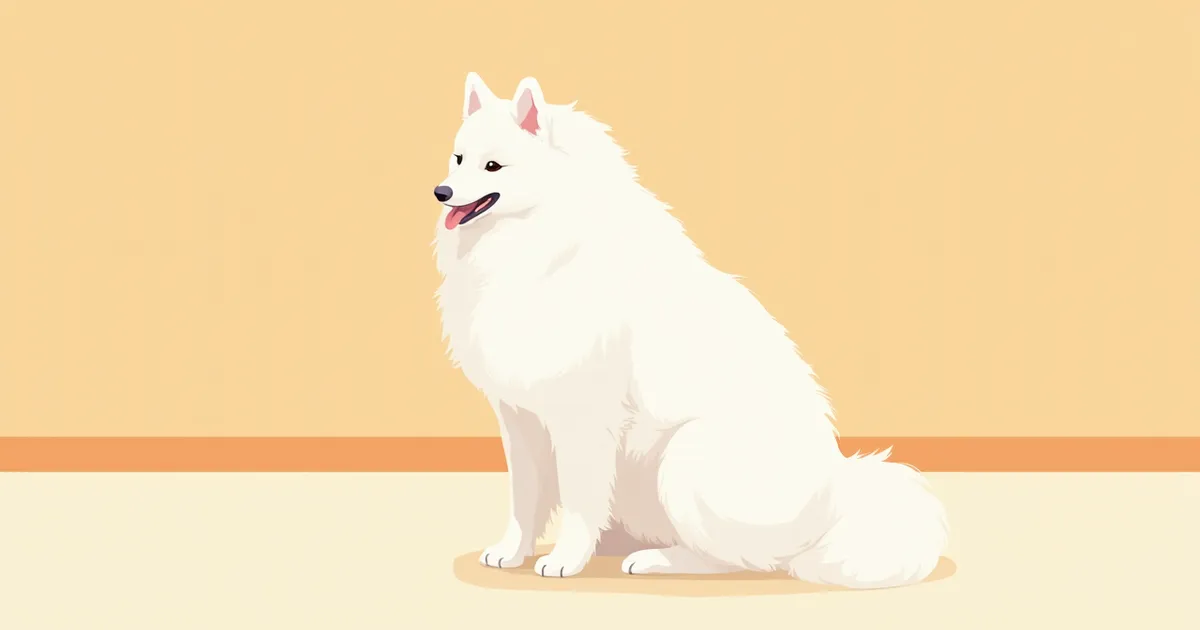
A healthy Samoyed with a luxurious, thick double coat of white fur
Samoyeds are a large breed that requires particular attention to skin health due to their abundant double coat and genetic predispositions. In fact, they are known to be prone to skin conditions such as sebaceous adenitis, which can easily go unnoticed beneath their thick white fur. While congenital heart defects like pulmonic stenosis are relatively common in dogs in general, it is difficult to definitively state that Samoyeds have a significantly higher incidence rate; however, it is wise to monitor heart health regardless of breed. The most important step is regular veterinary check-ups for both skin and heart health. Early detection of changes in skin condition or abnormal breathing during exercise allows for timely intervention.

Top 4 Conditions to Watch for in Samoyeds

These are conditions that require particular attention in Samoyeds.
Sebaceous adenitis: This is a skin disease in which inflammation of the sebaceous glands leads to hair loss and a buildup of scaly skin. It occurs at a high rate in Samoyeds.
Pulmonary stenosis: This is a congenital heart disease in which structural abnormalities in the right ventricular outflow tract or pulmonary valve obstruct blood flow. It is often detected through heart murmurs.
Hypothyroidism: This is an endocrine disorder caused by insufficient thyroid hormone, resulting in lethargy, weight gain, and skin changes.
Atopic dermatitis: This is a condition characterized by recurring skin itching and inflammation due to hypersensitivity to environmental allergens.

Skin Conditions: Sebaceous Adenitis and Atopic Dermatitis
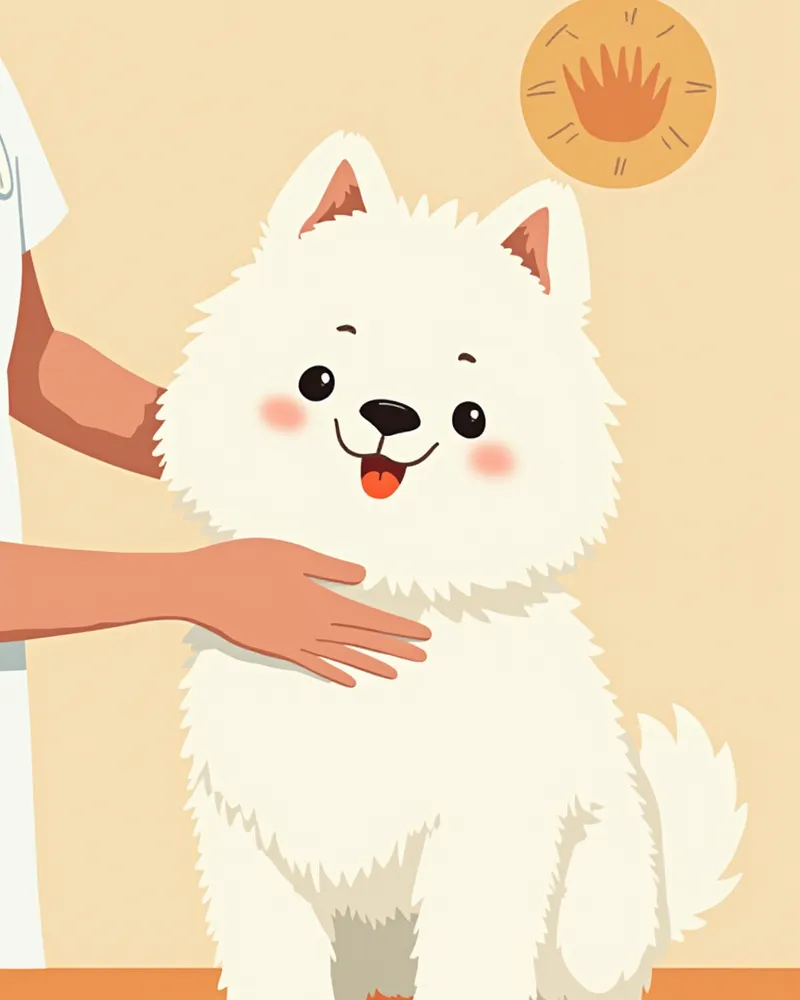
Samoyeds are relatively prone to two common skin conditions: sebaceous adenitis and atopic dermatitis. Sebaceous adenitis is a disease in which the oil-producing glands become inflamed and gradually destroyed, although its exact cause remains unknown. It is characterized by the buildup of silvery-white scales and crusts on the body, particularly on the head and back, along with coarse, brittle hair that sheds easily. Follicular casts, where scales adhere along the hair follicles, are also frequently observed. Samoyeds are known to be a breed predisposed to sebaceous adenitis. While a complete cure is difficult, early detection allows for effective management of the condition through topical and systemic treatments. Atopic dermatitis is caused by environmental allergens such as house dust mites and pollen. If your dog frequently scratches or licks its ears, paws, or armpits, this condition should be suspected. A veterinarian will diagnose the issue by ruling out other causes of itching and narrowing down the specific triggers through allergy testing.
A veterinarian examining Samoyed’s skin and coat condition

Visit the Clinic If You Notice These Skin Symptoms

If you notice any of these changes in your pet’s skin, please visit the clinic promptly. - When hair loss occurs suddenly over a large area - When the skin emits a foul odor or has discharge - When severe itching leads to biting and scratching, causing wounds - When scaling or dandruff persists without improvement for more than two weeks It can be difficult for pet owners to distinguish between sebaceous adenitis and simple dry skin. Accurate diagnosis through a skin biopsy is essential.

Heart Disease: Pulmonary Stenosis
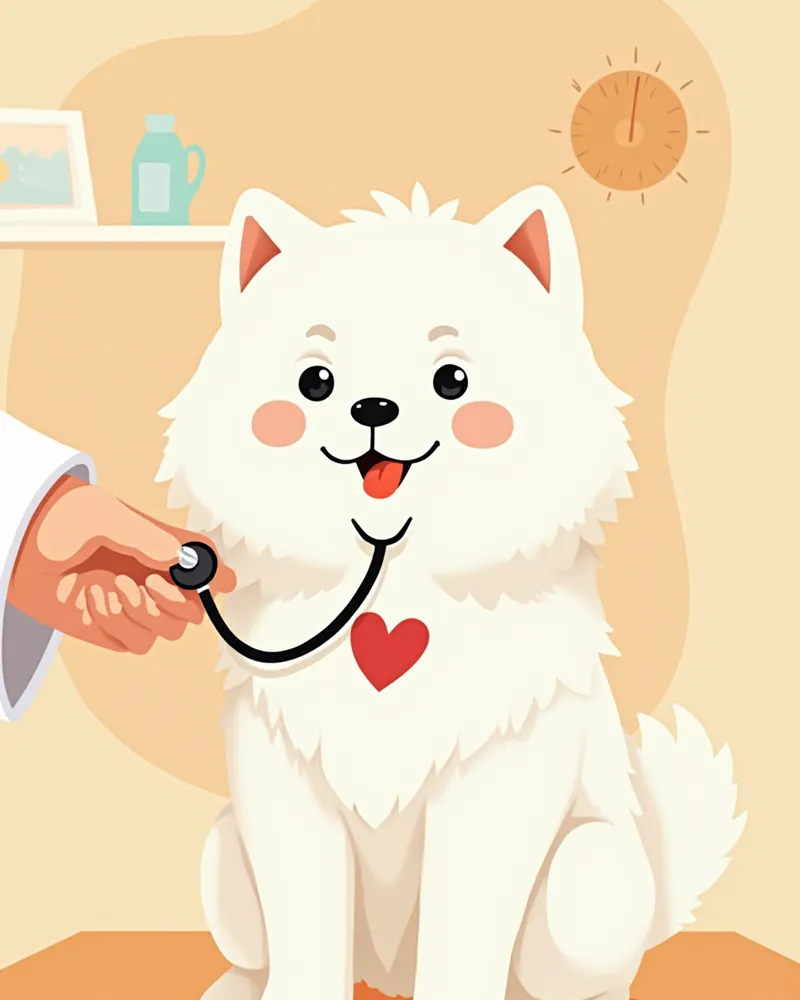
Pulmonary stenosis is one of the most commonly diagnosed congenital heart diseases in dogs. While it’s difficult to definitively say that Samoyeds have a particularly high incidence, it’s important to check for congenital heart conditions early in life. Pulmonary stenosis occurs when structural abnormalities in the right ventricular outflow tract or the pulmonary valve obstruct blood flow. Among these, pulmonary valve stenosis is the most common form. Mild cases may be asymptomatic, but moderate to severe cases can lead to exercise intolerance or fainting. It is often first detected as a heart murmur during puppy wellness exams. Once a murmur is identified, an echocardiogram is performed to accurately assess the type and severity of the condition. Your veterinarian will then determine the appropriate management plan or whether intervention is necessary based on the severity.
A veterinarian examining Samoyed's heart with a stethoscope

Check for Hypothyroidism as Well

Hypothyroidism is an endocrine disorder that occurs relatively frequently in medium-to-large dog breeds. According to veterinary textbooks, the most common cause is hereditary lymphocytic (immune-mediated) thyroiditis, with clinical signs typically appearing between 3 and 6 years of age.
Lethargy and weight gain: Activity levels noticeably decrease, and weight gain occurs even with the same food intake.
Skin and coat changes: The coat becomes dry and sheds excessively, with symmetrical hair loss often occurring on the flanks and trunk.
Cold sensitivity: Dogs become more sensitive to cold than usual.
Diagnosis is confirmed through blood tests to assess thyroid function, and most cases are well managed with consistent daily supplementation of thyroid hormones such as levothyroxine.
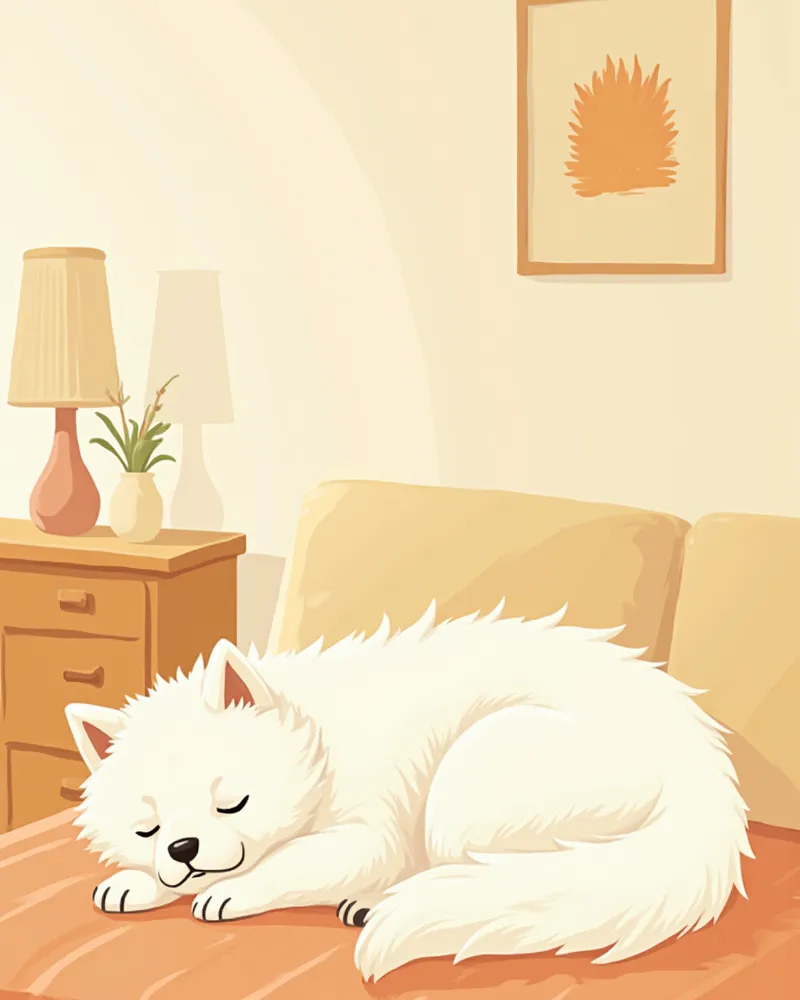
A Samoyed resting comfortably indoors.

Key Points for Samoyed Health Care

Here are the key care points for maintaining your Samoyed’s health.
Regular Check-ups: Schedule a health check-up once or twice a year. Heart auscultation and skin examinations are essential.
Grooming: Proper care of their double coat is fundamental to skin health. Brush your dog two to three times a week to remove dead hair and dander, and visually inspect their skin during grooming.
Weight Management: Hypothyroidism can lead to easy weight gain. Weigh your dog regularly and adjust their food portions accordingly.
Exercise Monitoring: Watch for signs of easy fatigue or labored breathing during walks or exercise, as these may be early indicators of heart problems.

Be Aware of Samoyed Hereditary Glomerulopathy

Samoyeds are a breed known to be affected by a hereditary kidney disease called Samoyed Hereditary Glomerulopathy. This condition is caused by a genetic abnormality in type IV collagen, leading to progressive damage to the glomerular basement membrane. Proteinuria may appear as the first clinical sign from an early age. When acquiring a Samoyed, it is advisable to check the health history of the parent dogs and to have regular urine tests performed.

Reviewed by a veterinarian

Dr. Tony — Punnawat Phongkittirak

Dr. Tony — Punnawat Phongkittirak

Veterinarian

A veterinarian who majored in veterinary medicine at Khon Kaen University, Thailand, and completed the IVSA program at North Carolina State University in the United States. Drawing on clinical experience at animal hospitals, he works in the pet healthcare field and is dedicated to building a digital care environment that connects pet parents with veterinarians.

Frequently Asked Questions

My Samoyed has a lot of flaky skin. Is this normal?
Samoyeds are prone to sebaceous adenitis, so excessive scaling may not simply be due to dry skin. If silvery, flaky scales persist on the back or around the neck, it’s best to have your veterinarian perform a skin biopsy at an animal hospital.
When should a Samoyed start having heart screenings?
Congenital heart disease is often first detected as a heart murmur during a puppy’s initial health checkup. A thorough cardiac auscultation should be performed at the time of the first vaccinations, and if a murmur is present, an additional echocardiogram is recommended.
Can Samoyeds be cured of hypothyroidism?
Hypothyroidism is a condition that requires lifelong management rather than a complete cure. However, with consistent daily supplementation of thyroid hormones, symptoms can be well-controlled, allowing your pet to live a normal life.
How often should you groom a Samoyed?
Brushing two to three times a week is essential. Because they have a double coat, dead undercoat can accumulate, which restricts airflow to the skin and makes it easy to miss skin conditions. It’s important to make it a habit to visually check your pet’s skin while brushing.

Share

Related Guides

References

[1] Schaer, M. (Ed.). Clinical Medicine of the Dog and Cat, 4th Edition. CRC Press.

[2] Jackson, H. & Marsella, R. (Eds.). BSAVA Manual of Canine and Feline Dermatology, 4th Edition. BSAVA.

[3] Ettinger, S.J. & Feldman, E.C. Textbook of Veterinary Internal Medicine, 8th Edition. Elsevier.

[4] Englar, R.E. The Veterinary Workbook of Small Animal Clinical Cases. 5m Publishing.

This information is based on veterinary literature and does not replace diagnosis or treatment. Please consult a veterinarian for specific health concerns.

Metapet Co., Ltd. | CEO: Park Sung-yong | Business Reg. No. 417-88-02562 | Seoul, South Korea | Customer Center

Samoyed Health: Skin, Heart & Thyroid Disease Care | Meongsiljang