Like
Share
멍실장
셰틀랜드쉽독 약물 감수성 주의점과 연령별 평생 건강관리 가이드

Complete Guide to Shetland Sheepdog MDR1 Drug Sensitivity — From Prohibited Medications to Lifelong Health Care

Brain & CognitionBreed HealthMeongsiljang Veterinary Advisory Board

Shetland Sheepdogs often carry a genetic mutation in the ABCB1 gene, which can cause life-threatening neurological reactions to certain dewormers and chemotherapy drugs. We’ve compiled a list of prohibited medications, information on genetic testing, and age-specific care tips for puppies, adult dogs, and seniors.

Shetland Sheepdogs: A Breed That Requires Knowledge of Drug Sensitivity
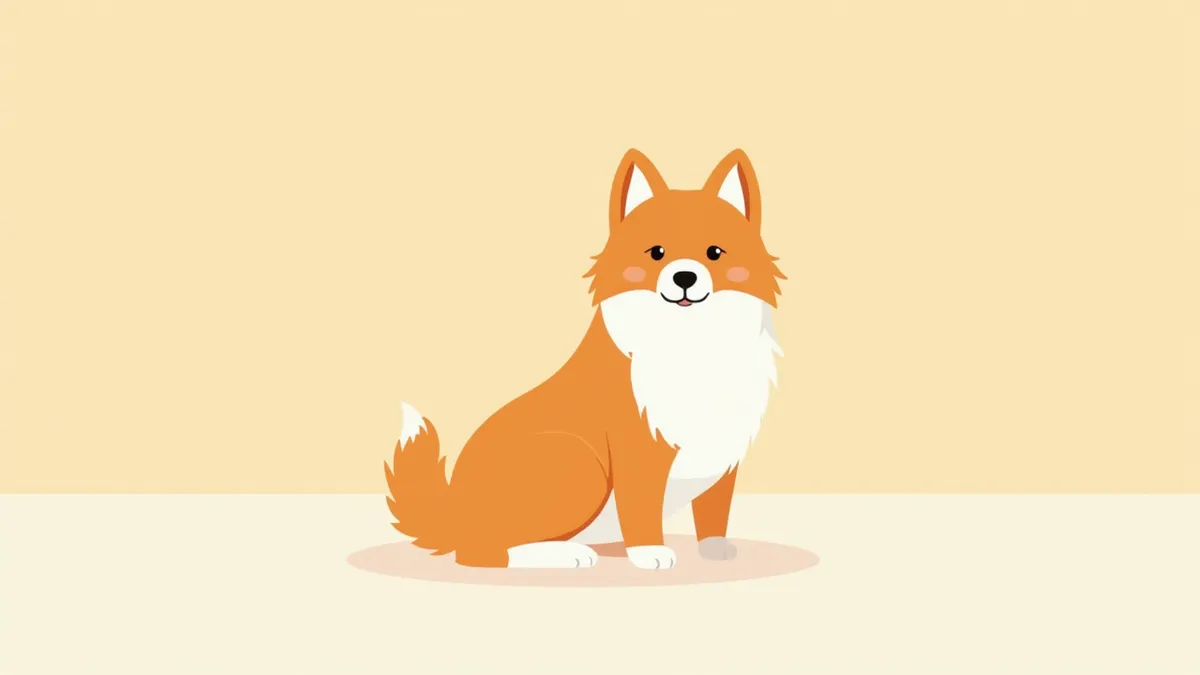
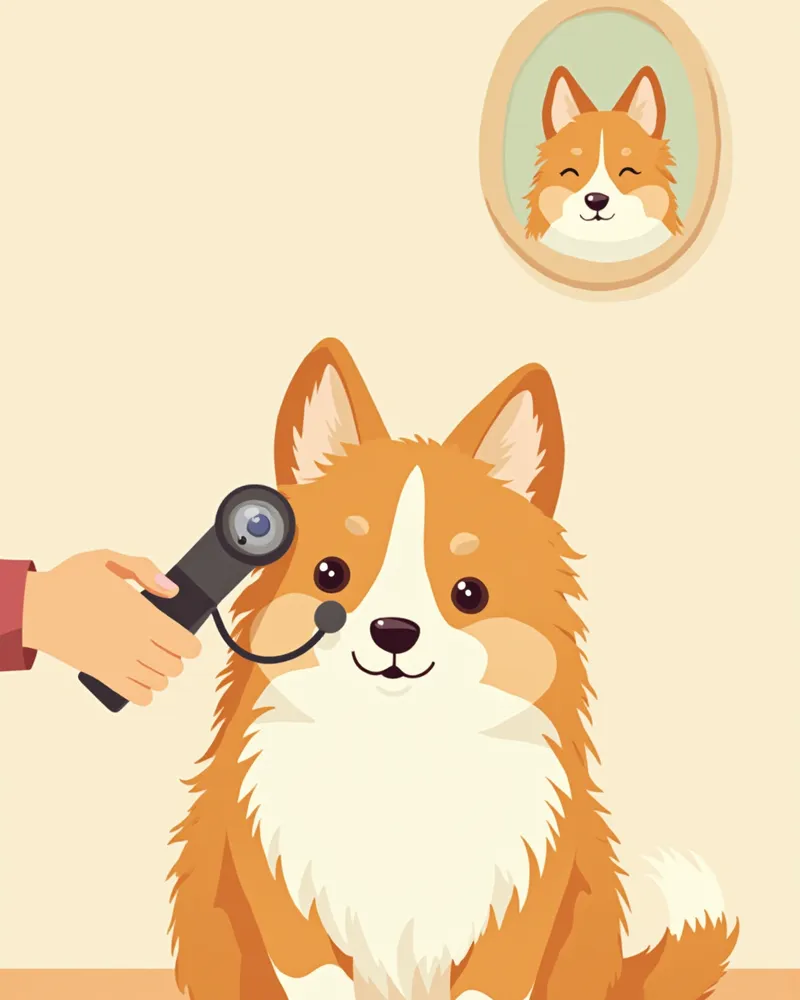
A Shetland Sheepdog undergoing a health checkup at the veterinary clinic.
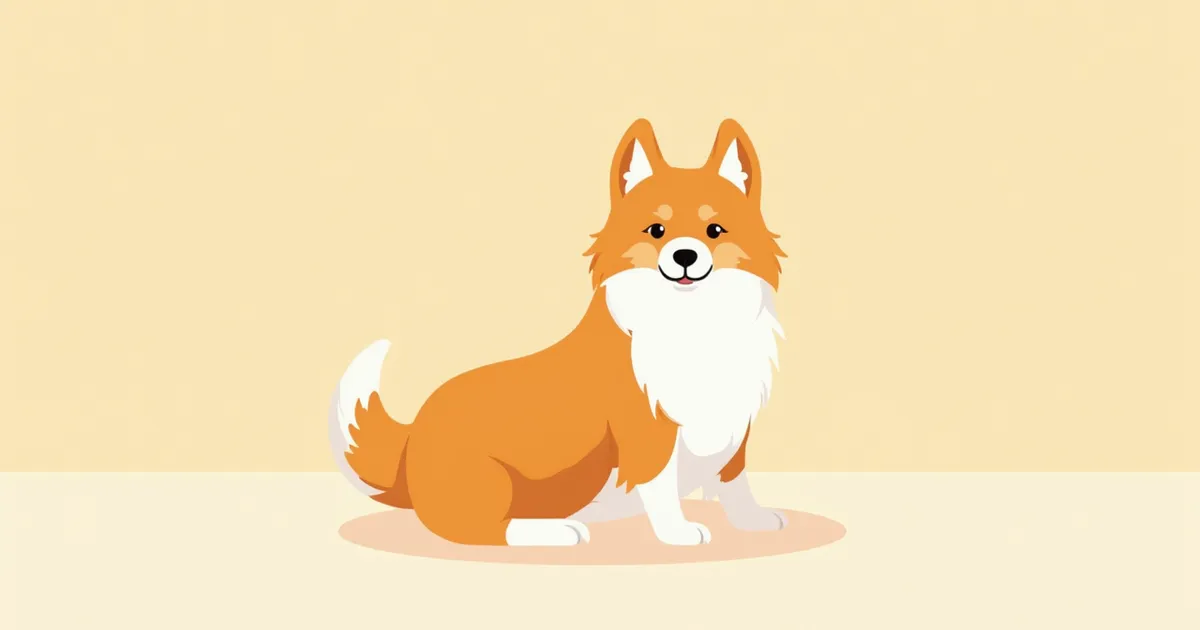
The Shetland Sheepdog is a small herding breed originating from the Shetland Islands of Scotland. Because many individuals in this breed carry a mutation in the drug-sensitivity gene (ABCB1), they are at risk of severe neurological side effects from certain medications. The critical point is that administering dewormers or some chemotherapy drugs, which are generally considered safe for other dogs, can lead to an excessive accumulation of toxic substances in the brain of Shelties with this genetic mutation, triggering neurological reactions. If you own a Sheltie, you must always inform your veterinarian of your dog’s breed before any prescription is issued and share the results of any genetic testing.

How Does the Drug Sensitivity Gene Mutation Affect the Brain?
The ABCB1 gene, which determines drug sensitivity, produces P-glycoprotein—a “gatekeeper” protein located in the blood-brain barrier that pumps toxic substances out of the brain. If this gene carries a mutation, P-glycoprotein levels may be reduced or absent, allowing certain medications to accumulate excessively in the brain and potentially cause neurotoxicity. The Shetland Sheepdog, along with other herding breeds such as Collies, Australian Shepherds, and Longhaired Whippets, is known to have a relatively high prevalence of this genetic variant. Because affected dogs show no outward symptoms, owners typically remain unaware of the mutation until genetic testing is performed. Therefore, the safest approach is to have your dog tested for this gene shortly after adoption.
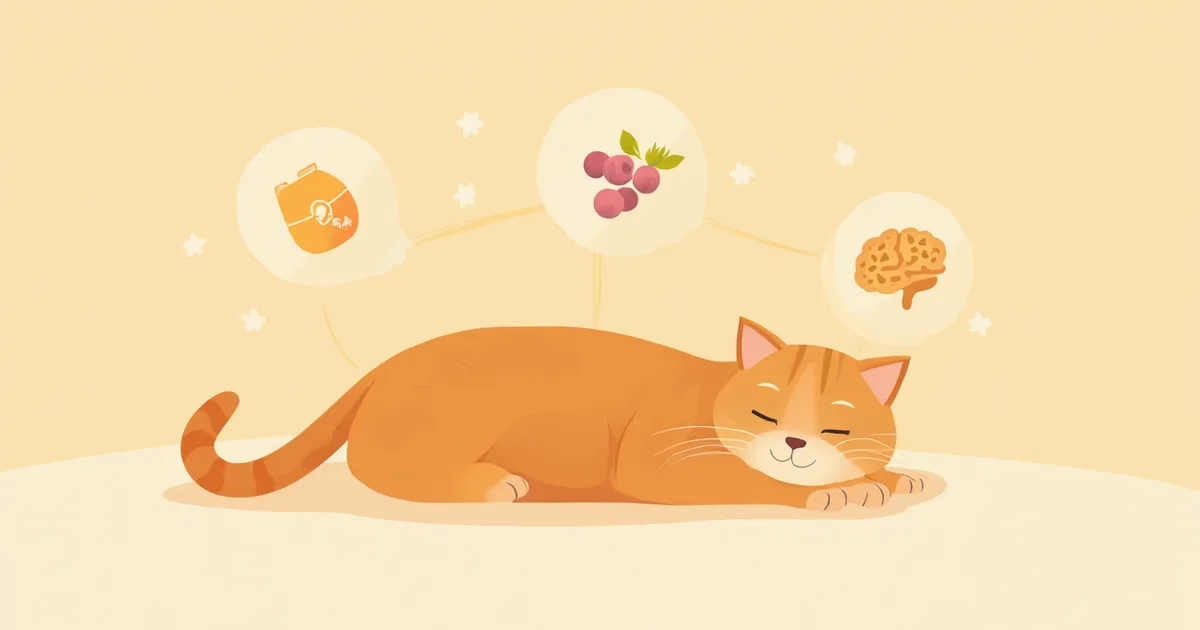
Image illustrating the concept of drug-sensitivity genes and the blood-brain barrier

List of Prohibited Medication Ingredients for Shelties

If a Sheltie with a confirmed drug-sensitivity gene mutation is given a high dose or an inappropriate medication, it can experience severe neurological reactions such as lethargy, ataxia (staggering), drooling, dilated pupils, and blindness. Always inform your veterinarian of your dog’s breed and genetic test results before any prescription. Ivermectin: The heartworm prevention dose (approximately 6 µg/kg) is generally safe, but exposure to high doses used for mange treatment or high-concentration formulations intended for large animals poses a risk. Moxidectin: A macrocyclic lactone ingredient included in some heartworm preventives. Loperamide: A common ingredient in over-the-counter anti-diarrheal medications; it is contraindicated in dogs with the mutation (mutant/mutant). Vincristine and Doxorubicin: Ingredients used in cancer treatment; sensitivity increases in dogs with the mutation. Emodepside: Used in some dewormers; neurotoxicity has been reported in dogs with the MDR1 mutation.

How to Get Drug Sensitivity Genetic Testing
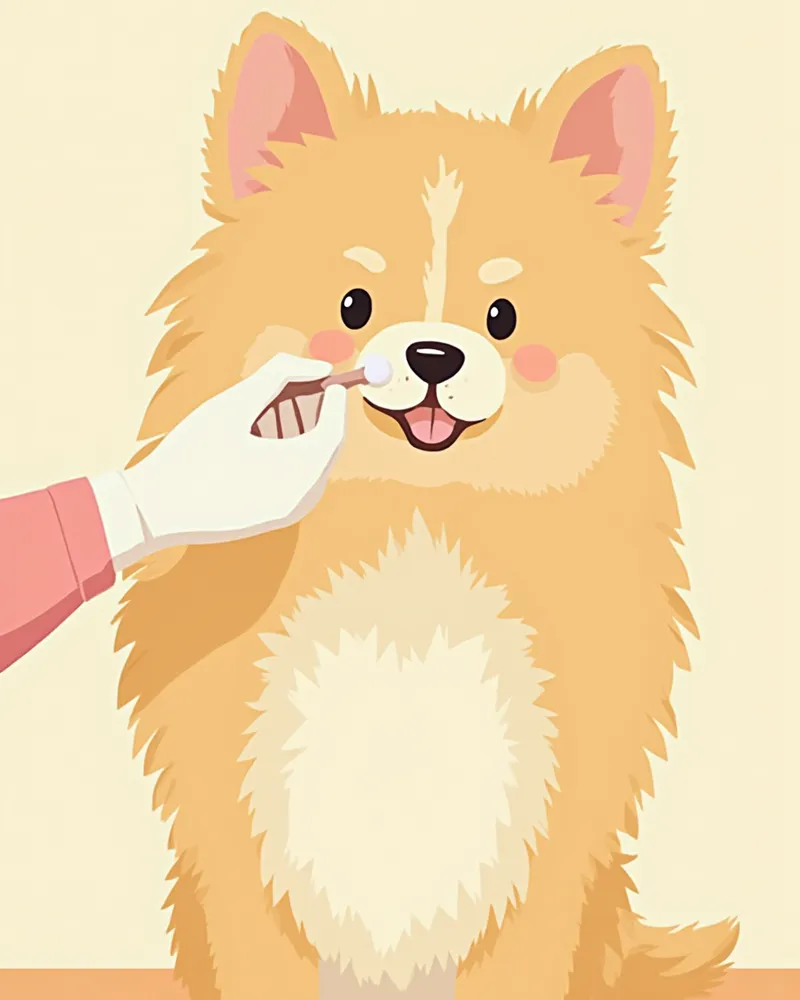
Drug sensitivity genetic testing is performed using a blood sample or oral mucosal cells collected via a swab. The test is ordered through your veterinarian to a specialized genetic testing laboratory, and results are typically available within 1–2 weeks. Results are categorized into three types:
Normal (Normal/Normal): No mutations detected; low risk of adverse drug reactions.
Carrier (Mutant/Normal): One mutated gene copy; caution required with certain medications.
Affected (Mutant/Mutant): Both gene copies mutated; strict avoidance of contraindicated drugs is essential.
The test can be performed at any time after 8 weeks of age, and a single test result remains valid for life.
A scene of collecting oral swab samples for Sheltie genetic testing

Key Health Care Points for Puppies (0–1 Year)
During the Sheltie puppy stage, building immunity and confirming genetic health are key. Here’s a summary of the essentials to keep in mind during this period.
Genetic testing: Can be done after 8 weeks of age; it’s best to have it completed right after adoption.
Core vaccinations: Confirm the standard vaccination schedule for diseases like distemper and parvovirus with your veterinarian.
Dewormer selection: Always request a prescription for dewormers that do not contain ivermectin or moxidectin.
Heartworm prevention: Ask your veterinarian directly for a preventive medication with safe ingredients.
Socialization training: As an intelligent breed, early exposure to various environments is crucial for emotional stability.
A healthy Sheltie puppy playing energetically

Regular Care Checklist for Adult Dogs (1–7 Years)

For adult dogs, annual to biannual health check-ups and routine preventive care are essential. Here are key care points specific to Shelties:
Health Check-ups (1–2 times per year): Include an ophthalmic exam to detect genetic conditions early, such as Collie Eye Anomaly.
Dental Care: Brush teeth 1–2 times per week and consult your veterinarian about annual dental scaling.
Joint Monitoring: Regularly check for patellar luxation and hip dysplasia.
Stress Management: Due to their high intelligence, insufficient mental stimulation can lead to compulsive behaviors and separation anxiety.
When Prescribing Medication: Always inform your veterinarian of your dog’s breed and genetic test results, even at a new clinic or in an emergency.

Focused Care Points for Senior Dogs (8 Years and Older)

Once Shelties reach eight years of age, their check-up schedule and care requirements change. Here are the key points to pay special attention to during this stage:
Health Check-up Frequency: Increase to once every six months, including blood and urine tests.
Watch for Eye Conditions: Age-related eye issues, such as cataracts and dry eye (keratoconjunctivitis sicca), become more common.
Hypothyroidism: Visit the vet if you notice changes in coat condition, weight gain, or lethargy.
Cognitive Decline: Consult your veterinarian if your dog exhibits nighttime barking or disorientation.
Surgery and Pain Management: Always inform your vet about potential drug sensitivity gene mutations before prescribing anesthetics or pain relievers.

5 Common Health Issues in Shelties

These are common health concerns in Shetland Sheepdogs. Knowing the signs early can help with timely detection.
Collie Eye Anomaly: This retinal and choroidal disorder can progress to blindness in severe cases, making early veterinary eye exams essential.
Patellar Luxation: Watch for sudden lifting of the hind legs or limping.
Hypothyroidism: Suspect this condition if you notice excessive hair loss or a sudden drop in activity levels.
Skin Allergies: Food or environmental allergies may cause recurring itching and redness.
Heartworm Disease: Confirming the active ingredients in preventive medications is especially important for this breed.
A Sheltie receiving an ophthalmic examination at a veterinary clinic

What to Prepare Before Visiting the Vet

Even at a new veterinary clinic or in an emergency, there’s one crucial piece of information you must share with the veterinarian right away: let them know your dog is a Shetland Sheepdog (Sheltie), a breed that may carry a genetic mutation affecting drug metabolism. It’s best to bring your genetic test results if you have them. If you haven’t been tested yet, it’s safer to assume the mutation is present and request only medications known to be safe for dogs with this genetic trait.

Reviewed by a veterinarian

Dr. Tony — Punnawat Phongkittirak

Dr. Tony — Punnawat Phongkittirak

Veterinarian

A veterinarian who majored in veterinary medicine at Khon Kaen University, Thailand, and completed the IVSA program at North Carolina State University in the United States. Drawing on clinical experience at animal hospitals, he works in the pet healthcare field and is dedicated to building a digital care environment that connects pet parents with veterinarians.

Frequently Asked Questions

Is there a heartworm preventive medication that is safe for Shelties?
Yes, you can choose after consulting with your veterinarian. Ivermectin is generally considered safe at the dosage used for heartworm prevention (approximately 6 µg/kg), but you should avoid high doses used for treating mange or high-concentration formulations intended for large animals. The most reliable approach is to inform your veterinarian of your pet’s breed and genetic test results before receiving a prescription to ensure the product is safe.
Is it safe to give my pet medication without first having them undergo genetic testing?
I don't recommend it. Shetland Sheepdogs are a herding breed in which drug-sensitivity gene mutations are relatively common, so prescribing risky medications without testing can lead to serious neurological side effects. It's best to have your dog tested once right after adoption.
Does having a mutated gene shorten lifespan?
As long as you carefully avoid prohibited medications, the condition itself won’t significantly shorten your pet’s lifespan. The most important thing is to have regular check-ups and share your pet’s breed and genetic test results with your vet before any prescriptions are made, ensuring only safe medications are used.
Can a previously asymptomatic child suddenly exhibit neurological symptoms?
That’s right. Even if a dog carries the gene mutation, it won’t show any symptoms until it’s exposed to certain medications. Once a prohibited substance is administered, symptoms such as vomiting, drooling, loss of coordination, and decreased consciousness can appear suddenly. If any of these signs are observed, seek veterinary care immediately.
Do Border Collies also need to be cautious with the same medications?
That’s right. The same genetic mutation is commonly found in Collie-type breeds such as Border Collies, Rough Collies, and Australian Shepherds. These breeds also need to be kept away from the same prohibited medications as Shelties.

Share

Related Guides

References

[1] Mealey KL et al., Ivermectin sensitivity in collies is associated with a deletion mutation of the mdr1 gene, Pharmacogenetics, 2001

[2] Mealey KL, ABCB1 (MDR1) Gene Mutations in Dogs: Clinical Implications for Drug Therapy, Veterinary Clinics of North America: Small Animal Practice, 2006

[3] Plumb DC, Plumb's Veterinary Drug Handbook, 10th Ed, Wiley-Blackwell, 2023

This information is based on veterinary literature and does not replace diagnosis or treatment. Please consult a veterinarian for specific health concerns.

Metapet Co., Ltd. | CEO: Park Sung-yong | Business Reg. No. 417-88-02562 | Seoul, South Korea | Customer Center

Sheltie MDR1 Drug Sensitivity: Unsafe Meds & Health Care | Meongsiljang