

Jack Russell Terrier Grooming by Coat Type — Complete Guide to Smooth, Rough, and Broken Care
Jack Russell Terriers have three coat types—smooth, broken, and rough—each requiring a completely different grooming approach. Here’s a comprehensive guide covering brushing frequency, hand-stripping techniques, and skin care tailored to each coat type.
Why Jack Russell Terrier Grooming Must Vary by Coat Type
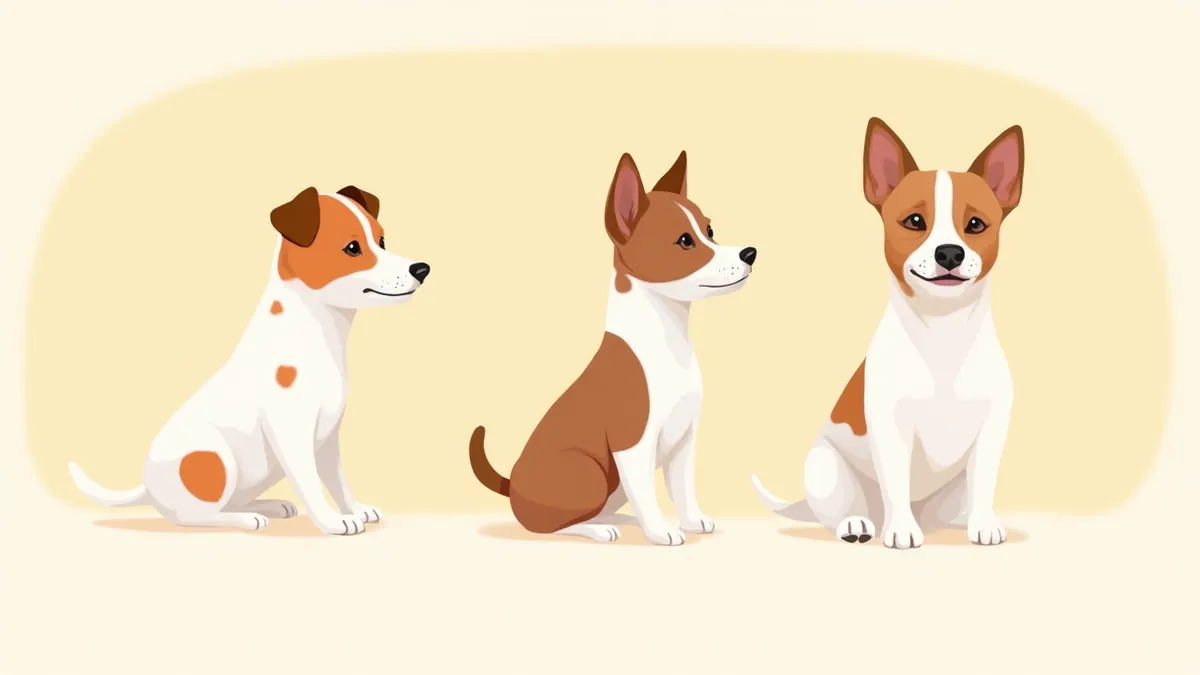
Identifying the Three Jack Russell Terrier Coat Types
Grooming Methods by Coat Type at a Glance
| Item | Smooth | Broken | Rough |
|---|---|---|---|
| Brushing frequency | 2–3 times a week | 3–4 times a week | 4–5 times a week |
| Key tools | Rubber brush | Slicker + pin brush | Stripping knife |
| Hand stripping | Not needed | Partially needed | Once every 8–12 weeks |
| Bathing frequency | Once a month | 1–2 times a month | Once a month |
| Shedding intensity | Very heavy | Heavy | Moderate |
There's individual variation, so adjust to your dog's skin condition
Detailed Grooming Methods by Coat Type
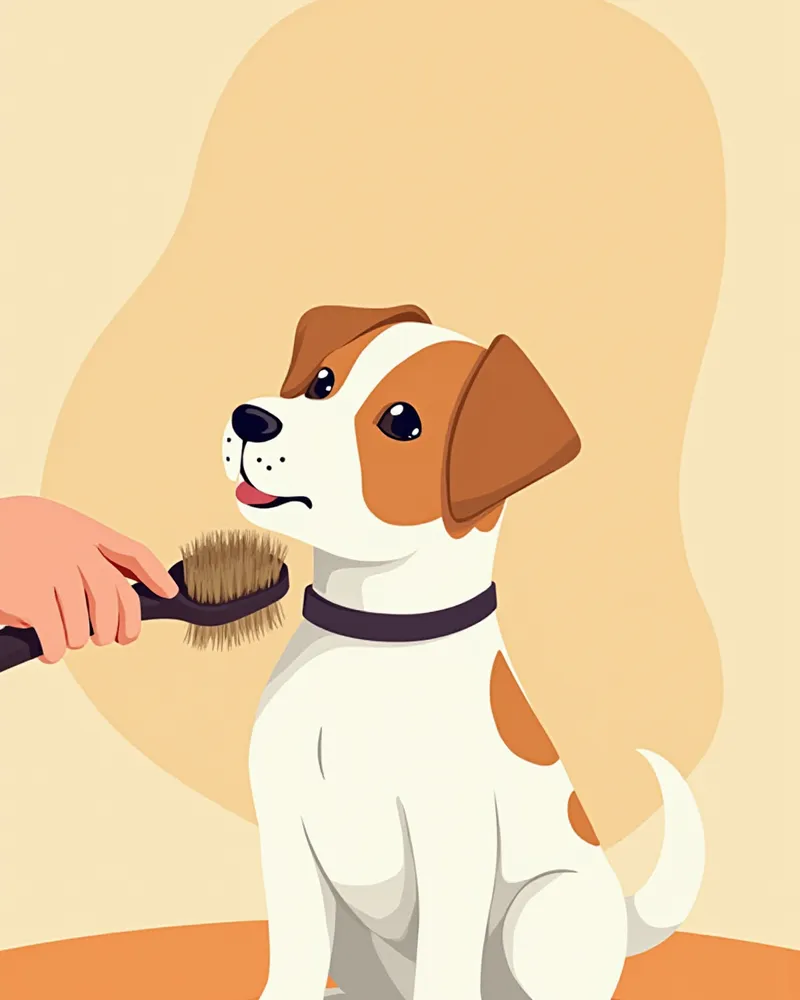
What Is Hand Stripping?
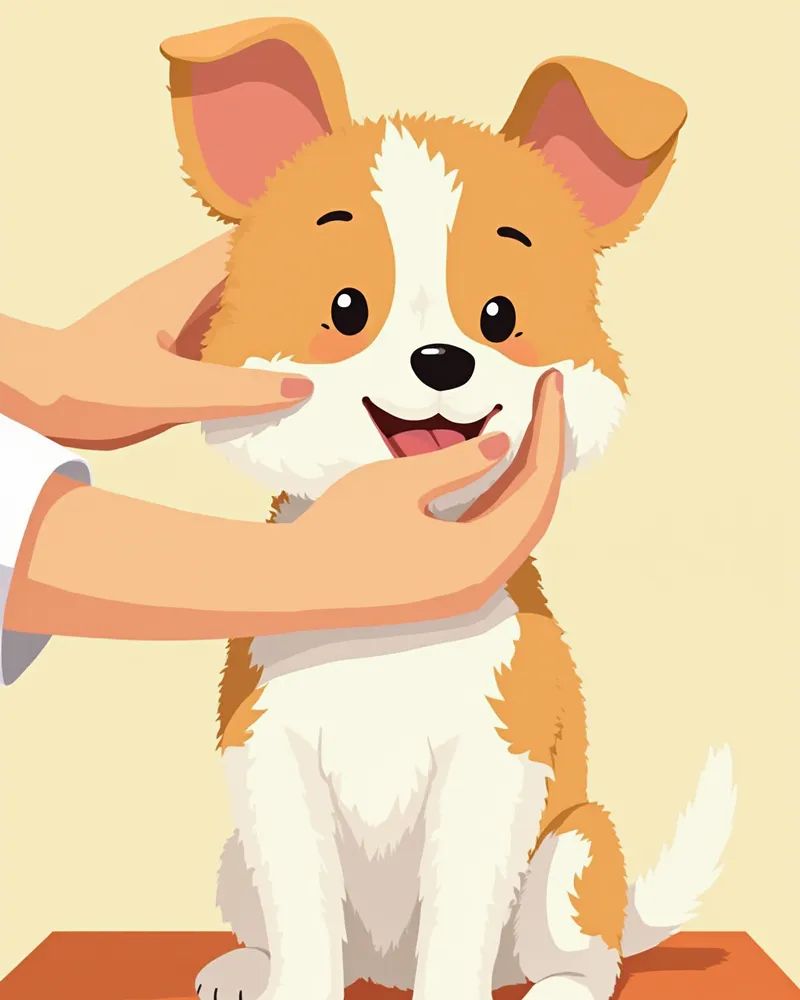
What to Absolutely Avoid When Grooming a Jack Russell
Avoid the "summer cut," which involves shaving the rough or broken coat short with clippers. Wire-haired coats take six months to a year to regrow after being cut, and the new hair grows back soft like down, weakening the skin's natural protection against UV rays and external irritants. Additionally, since Jack Russell Terriers have a reported genetic predisposition to skin defects, excessive grooming can place unnecessary stress on their skin.
Bathing and Skin Care Tips
Skin Abnormalities Easily Detected During Grooming
Breed-Specific Precautions for Jack Russells
The Jack Russell Terrier is classified in veterinary dermatology textbooks as a breed with a reported genetic predisposition to skin defects. Additionally, small-breed dogs, including Jack Russells, are relatively more frequently reported to suffer from ischemic dermatopathy (vasculitis), which in some cases may manifest as localized hair loss or crusting around vaccination sites. However, there is no clear evidence in textbook lists of predisposed breeds that atopic, contact, or seborrheic dermatitis is more common than average in Jack Russells. Therefore, rather than jumping to a specific diagnosis, it is best to monitor your dog’s skin condition regularly and consult a veterinarian if any abnormalities are noticed. Pay attention not only to coat care but also to diet and environmental management, and when trying new shampoos or grooming products, perform a patch test on a small area first and observe the skin’s reaction for 24 hours.
Reviewed by a veterinarian

Dr. Tony — Punnawat Phongkittirak
VeterinarianA veterinarian who majored in veterinary medicine at Khon Kaen University, Thailand, and completed the IVSA program at North Carolina State University in the United States. Drawing on clinical experience at animal hospitals, he works in the pet healthcare field and is dedicated to building a digital care environment that connects pet parents with veterinarians.
Reviewed 2026-04-30
Frequently Asked Questions
Can I groom my Jack Russell Terrier at home?
Isn't it better to give your pet a shorter haircut in the summer since it's hot?
How should I care for my pet during shedding season?
How often do you trim your pet’s nails and express their anal glands?
How can you help your pet get used to grooming from an early age?
Share
Related Guides

Top 5 Medicated Dog Shampoos — For Pyoderma and Bacterial Infections

Veterinarian-Recommended Top 5 Medicated Shampoos for Canine Yeast Dermatitis — Relieves Itching and Greasiness

Top 5 Medicated Cat Shampoos Recommended by Veterinarians — Fungal Dermatitis and Fungal Care
High Incidence of Cushing’s Disease in Poodles — Symptoms in Senior Dogs and Timing for Regular Check-ups

High Incidence of Mediastinal Lymphoma in Siamese Cats — Early Signs of Respiratory Distress

Bernese Mountain Dog Cancer — Incidence, Average Lifespan, and Common Tumors: A Complete Guide

Polycystic Kidney Disease in British Shorthairs — Genetic Testing and Lifelong Management

Miniature Poodle Patellar Luxation: A Guide to 4-Stage Symptoms and Surgical Timing
Hemivertebrae in French Bulldogs — Lifelong Spinal Care Checklist

Pomeranian Patellar Luxation: High Incidence — Step-by-Step Management and Brace Guide
References
[1] Jackson HA, Marsella R. BSAVA Manual of Canine and Feline Dermatology, 4th Edition. BSAVA Publications, 2021
[2] Lloyd DH, Patel A. Structure and function of the skin. BSAVA Manual of Canine and Feline Dermatology, 2012
[3] Miller WH, Griffin CE, Campbell KL. Muller and Kirk's Small Animal Dermatology, 7th Edition. Elsevier Saunders, 2013