

Complete Guide to Border Collie Genetic Conditions — Critical Warning on MDR1 Drug Side Effects
Border Collies are a breed that requires special attention to genetic conditions such as the drug sensitivity gene (MDR1), Collie Eye Anomaly (CEA), and hip and elbow dysplasia. We’ve compiled essential tests and care points to check before and after adoption.
What Genetic Conditions Should You Watch for in Border Collies?

Top 5 Genetic Conditions You Must Know
Testing Timing and Methods for Each Genetic Condition
| Item | MDR1 mutation | Collie eye anomaly | Hip dysplasia |
|---|---|---|---|
| Recommended testing time | 2–3 months of age | 6–12 weeks of age | 12–24 months of age |
| Test method | Buccal mucosa swab or blood-draw genetic test | Fundus exam by an ophthalmology specialist (breed-specific genetic testing can be done alongside) | X-ray (general anesthesia recommended) |
| Need for retesting | One test valid for life | One test valid for life | Retest if pain or lameness occurs |
| Expected cost range | Included in genetic testing panel | Ophthalmology specialty service item | Orthopedic imaging exam item |
Please contact your veterinary clinic directly for exact costs and scheduling.
Why Is the MDR1 Mutation So Important?
Drugs to Be Especially Cautious of with MDR1 Mutation
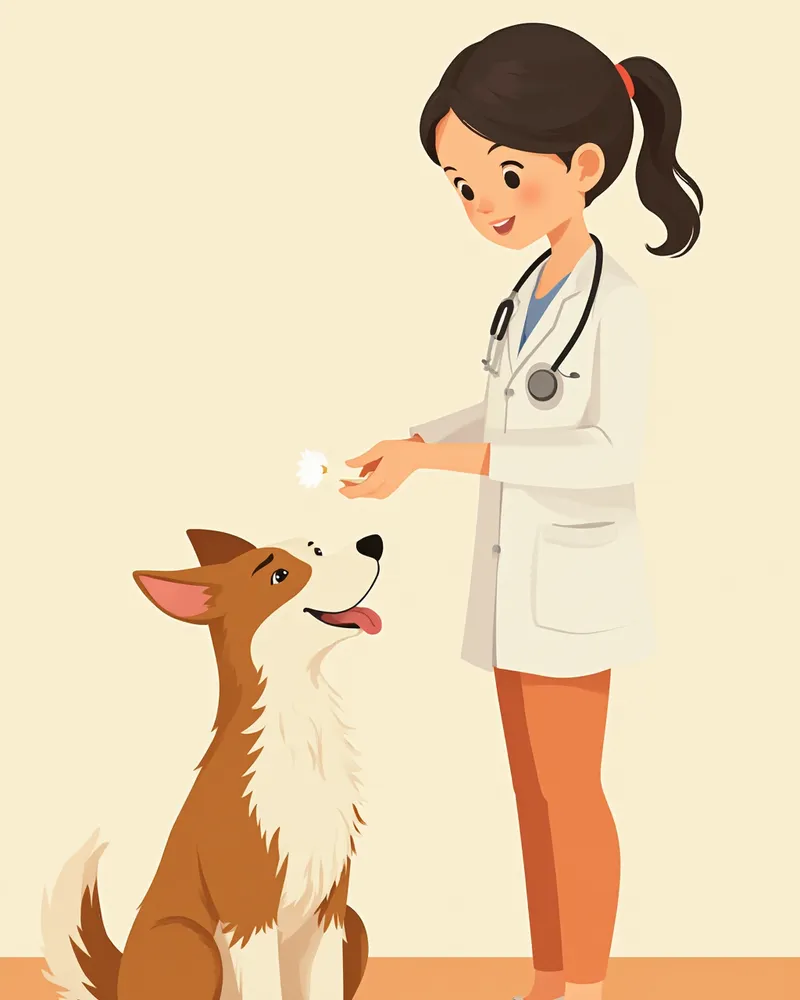
If your dog tests positive or heterozygous for the MDR1 gene mutation, always inform your veterinarian before administering any medications. Certain drugs are known to pose risks in these cases, particularly when used at high doses, including macrocyclic lactone dewormers and preventives such as ivermectin, milbemycin, moxidectin, and emodepside, as well as the anti-diarrheal loperamide and the anti-nausea medication grapiprant. However, genuine heartworm preventatives have been reported to be safe for dogs with the MDR1 mutation when used at recommended doses. Dosage and drug selection must be determined by a veterinarian based on your dog’s weight and genetic profile, and owners should never administer medications without veterinary guidance. Your veterinarian can also help review a list of medications to avoid.
Collie Eye Anomaly (CEA) Check Points
Hip and Elbow Dysplasia: Lifelong Management Points
Visit the Vet If You See These Signs
If your Border Collie exhibits any of the following symptoms, they may be linked to a genetic disorder, so please seek veterinary care promptly: lifting one leg while walking or hopping on both hind legs like a rabbit; repeatedly bumping into objects or hesitating when walking in dim light; seizures with loss of consciousness and trembling lasting more than 1–2 minutes; or appearing unsteady or disoriented after taking standard deworming medication, which could indicate an emergency.
Recommended Health Schedule Up to Age 1
Reviewed by a veterinarian

Dr. Tony — Punnawat Phongkittirak
VeterinarianA veterinarian who majored in veterinary medicine at Khon Kaen University, Thailand, and completed the IVSA program at North Carolina State University in the United States. Drawing on clinical experience at animal hospitals, he works in the pet healthcare field and is dedicated to building a digital care environment that connects pet parents with veterinarians.
Reviewed 2026-04-30
Frequently Asked Questions
Where can I get an MDR1 gene test?
Is Collie eye anomaly treatable?
Can hip dysplasia be prevented?
Does pet insurance for Border Collis cover genetic conditions?
Share
Related Guides

Primary vs. Secondary Veterinary Hospitals: A Comparison

5 Easy-to-Raise Cat Breeds for First-Time Owners — Grooming Difficulty Comparison

Top 7 Short-Legged Dog Breeds

Jack Russell Terrier Health Care Calendar — Age-Specific Checkup and Joint Health Management Schedule

Shiba Inu Regular Checkup Schedule
Labrador Lifetime Screening Schedule: A Complete Guide to Age-Specific Common Diseases and Management

Complete Guide to Labrador Retriever Genetic Diseases — Checklist from Hip to Ophthalmologic Conditions

Labrador Hip and Elbow Dysplasia: A Complete Guide from Screening to Management
Beagle Regular Check-up Schedule — Age-Based Checklist and Management of Common Conditions by Life Stage

7-Point Checklist for Beagle Genetic Conditions — A Complete Guide for Lifelong Care by Owners
References
[1] Esson DW, Calvarese S, Clinical Atlas of Canine and Feline Ophthalmic Disease, 2nd Edition, Chapter 134 Collie Eye Anomaly, 2022
[2] Lowe JK, Kukekova AV, et al., Linkage mapping of the primary disease locus for collie eye anomaly, Genomics, 2003;82(1):86-95
[3] Parker HG, Kukekova AV, et al., Breed relationships facilitate fine-mapping studies, Genome Research, 2007
[4] The Dog Care Handbook, Things I Wish My Vet Had Told Me, Chapter 7 Hip Dysplasia in Predisposed Breeds
[5] Mealey KL, et al., Ivermectin sensitivity in collies is associated with a deletion mutation of the mdr1 gene, Pharmacogenetics, 2001