Like
Share
멍실장
잭러셀 유전질환 체크리스트

7 Jack Russell Hereditary Conditions — Symptoms, Causes, and Lifelong Care Guide

ImmunityBreed HealthMeongsiljang Veterinary Advisory Board

We’ve compiled the key conditions Jack Russell Terriers are genetically predisposed to—such as lens luxation, patellar luxation, and late-onset ataxia—along with essential check-up points for owners to keep in mind.

What Are Jack Russell Hereditary Conditions?
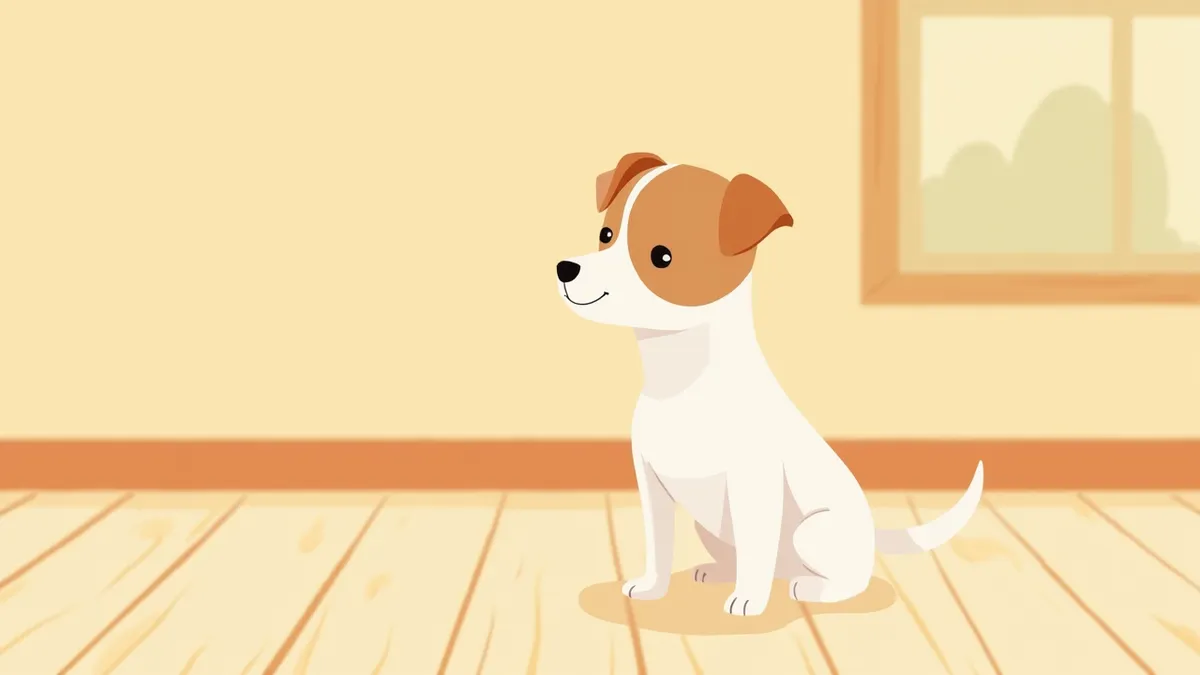
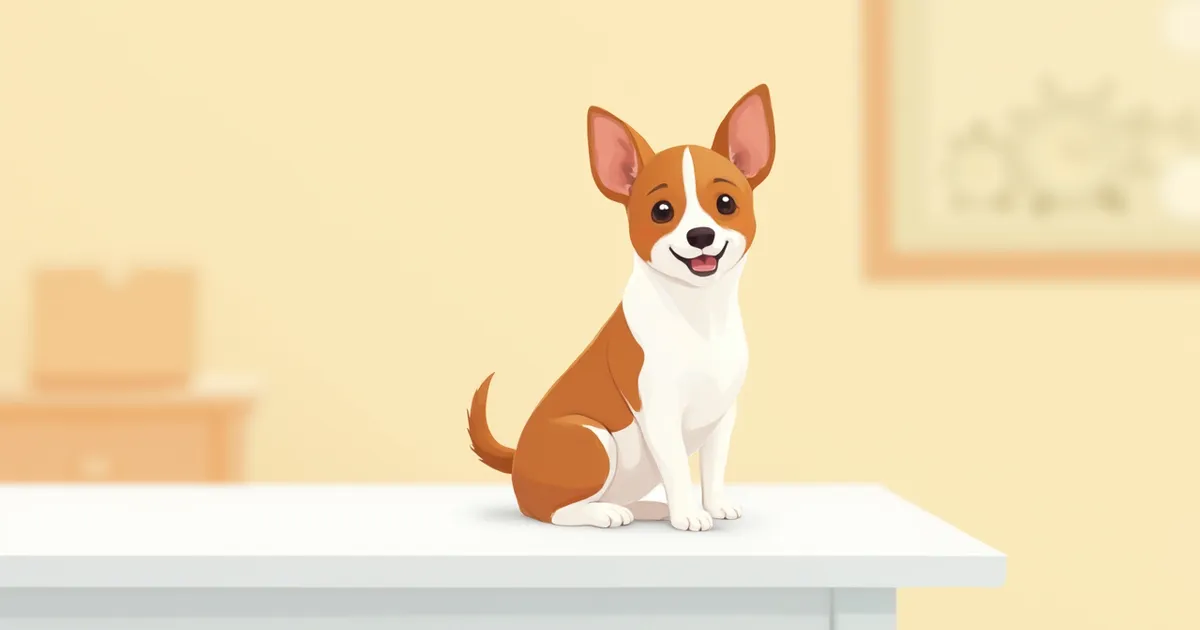
A lively adult Jack Russell Terrier
Jack Russell hereditary conditions refer to eye, orthopedic, and neurological disorders that have a higher genetic risk in the Jack Russell Terrier breed. Early detection and preventive screenings are key. Representative conditions commonly seen in Jack Russells, such as lens luxation, patellar luxation, and late-onset ataxia, should be managed proactively through regular check-ups and genetic testing before symptoms fully develop. Given the breed’s high activity level, even minor abnormalities can easily be overlooked, so it’s important to consistently monitor your dog using a checklist.

5 Representative Jack Russell Hereditary Conditions You Must Know

Here is a summary of genetic conditions commonly reported in Jack Russell Terriers. If your dog has a family history of any of these, more attentive care is essential.
Primary Lens Luxation: This is an ophthalmic emergency in which the zonular fibers (ligaments) that hold the lens in place weaken, causing the lens to dislocate from its normal position.
Patellar Luxation: An orthopedic condition in which the kneecap (patella) slips out of its normal alignment, causing the dog to limp or exhibit a hopping gait.
Late-Onset Ataxia: A progressive neurological disorder that typically begins in early life, leading to a loss of balance and coordination.
Cyclic Neutropenia: A blood disorder characterized by a drop in neutrophil counts every 11 to 14 days, leaving the dog vulnerable to infections.
Avascular Necrosis of the Femoral Head: A condition in which blood flow to the head of the femur is blocked during early development, resulting in tissue death.

Jack Russell Hereditary Conditions at a Glance

ItemLens luxationPatellar luxationLate-onset ataxia
Main onset periodMainly in adulthoodFrom young puppy to adultRelatively young age
Main symptomsEye redness, pain, decreased visionLifting one leg, hopping gaitStaggering, falling, loss of balance
Genetic testing availableTrueFalseTrue
Urgency levelVery highVaries by stageProgressive, management-focused

Symptoms may vary between individuals. If you notice any suspicious signs, consult your veterinarian right away.

Ophthalmic Condition: Signs of Lens Luxation

One of the most urgent genetic conditions in Jack Russell Terriers is primary lens luxation. It is believed to be associated with a hereditary weakening of the ligaments (zonules) that hold the lens in place. If the lens dislocates forward (anteriorly), it can lead to secondary glaucoma, significantly increasing the risk of vision loss.
Eye redness: One eye suddenly turns red and appears swollen.
Tearing and squinting: The dog blinks more frequently than usual and avoids light.
Changes in pupil shape: The pupil may appear wobbly, or the lens may seem to tremble.
Vision impairment: The dog may bump into furniture or wander aimlessly in dim lighting.
If you notice any of these signs, your dog needs to see a veterinary ophthalmologist within 24 hours.
Close-up of a Jack Russell Terrier's eyes

Orthopedic Conditions: Patellar Luxation and Femoral Head Necrosis

Jack Russells are highly active and prone to frequent jumping, which places significant stress on their knees and hips. As a result, if they have a genetic predisposition, symptoms tend to manifest earlier.
Patellar luxation: This condition is graded from 1 to 4. Grades 1 and 2 are typically managed conservatively, while grades 3 and 4 may require surgical correction.
Legg-Calvé-Perthes disease: This primarily affects young dogs during their growth phase and is characterized by limping on one hind leg or an inability to bear weight on it.
Care tips: Essential measures include using non-slip floor mats, maintaining a healthy weight, and avoiding excessive jumping.
Since knee and hip injuries are difficult to recover from once they occur, it is best to monitor these areas closely from an early age.

These Signs Are Emergencies — Go to the Vet Immediately

If any of the following signs persist for more than 24 hours or appear suddenly, take your pet to a veterinary clinic immediately. “Let’s wait and see” can be the most dangerous choice. • One eye becomes suddenly red and swollen • Your pet is completely unable to use a leg and cries out in pain • Your pet stumbles and cannot stand upright • Fever and loss of appetite recur repeatedly (suspected cyclic neutropenia) • Signs of seizures or decreased consciousness are observed

Neurological Condition: Late-Onset Ataxia
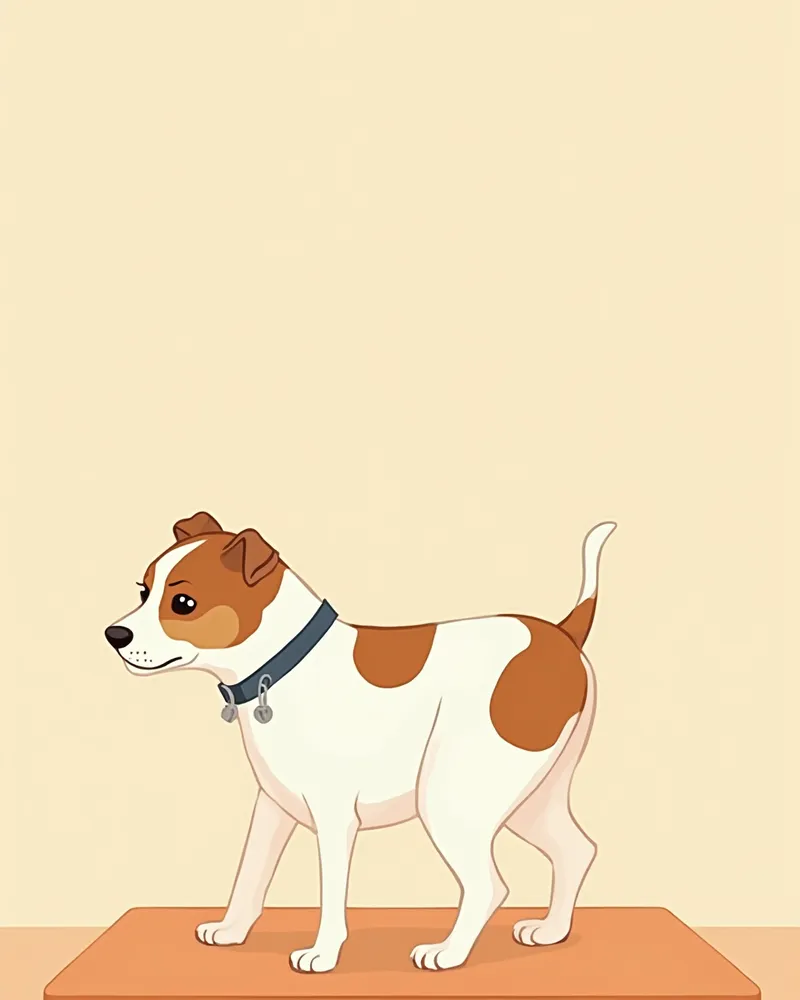
Late-Onset Ataxia (LOA) is a progressive, inherited neurological disorder relatively commonly reported in Jack Russell Terriers. It is known to be linked to genetic factors and typically begins in early life with a gradual loss of balance.
Early signs: Hesitation or leaning to one side when descending stairs.
Mid-stage signs: Difficulty walking in a straight line and frequent falls upon landing after jumping.
Late-stage signs: Head tremors and loss of balance during defecation or urination.
While there is currently no cure, quality of life can be maintained for a long time through environmental modifications and rehabilitation exercises.
A veterinarian assessing the gait of a Jack Russell Terrier

Scheduling Genetic Testing and Regular Check-ups

Jack Russells are a breed with many conditions that can be identified early through genetic testing. Conducting these tests right after adoption or during the first comprehensive health check-up makes it easier to establish a lifelong care plan.
Around 3 months: First comprehensive check-up, including patellar and cardiac auscultation, along with consultation on genetic testing kits.
6–12 months: Additional ophthalmologic and neurological evaluations for late-onset ataxia and lens luxation.
1 year and older: Annual eye exams plus an orthopedic assessment every two years.
If there is a family history: Be sure to share the diagnoses of sibling or parent dogs with your veterinarian.
Even if a test result is positive, it’s important to understand the difference between being a carrier and having an actual risk of developing the disease, so professional interpretation by a veterinarian is essential.

Monthly Self-Check Points for Owners

There are signs you can monitor at home between veterinary checkups. Once a month, take a light look at the following: • Whether the color, clarity, and blinking of both eyes are symmetrical • If your pet limps or hesitates after walking on flat ground, stairs, or landing from a jump • Whether they walk straight during walks or lean to one side • If the gums are pink (pale gums or recurring infections may signal neutrophil abnormalities) • If they’re sleeping more than usual or showing less interest in play

Reviewed by a veterinarian

Dr. Tony — Punnawat Phongkittirak

Dr. Tony — Punnawat Phongkittirak

Veterinarian

A veterinarian who majored in veterinary medicine at Khon Kaen University, Thailand, and completed the IVSA program at North Carolina State University in the United States. Drawing on clinical experience at animal hospitals, he works in the pet healthcare field and is dedicated to building a digital care environment that connects pet parents with veterinarians.

Frequently Asked Questions

When is the best time to have a Jack Russell Terrier undergo genetic testing?
We recommend getting this test done alongside the first comprehensive health checkup, which should be scheduled between the time of adoption and three months of age. The results from this early screening serve as a baseline for lifelong care planning. Additionally, identifying conditions that can be detected at this stage—such as lens luxation or late-onset ataxia—allows us to tailor environmental adjustments and future checkup intervals to your pet’s specific needs.
The genetic test came back as a "carrier." Will the disease develop?
Carriers possess only one copy of the mutated gene and typically do not develop the disease. However, breeding a carrier with another dog carrying the same mutation poses a risk of disease development in the offspring, which can impact breeding plans. For an accurate interpretation, it is safest to consult with a veterinarian.
Should you completely prevent an active Jack Russell Terrier from jumping?
While you don’t need to completely restrict your pet’s movement, it’s best to minimize frequent climbing up and down from elevated surfaces like sofas and beds. Place mats on slippery floors and encourage low-impact activities such as walking and nose work to reduce stress on the patella and hip joints.
Is late-onset ataxia treatable?
While there is currently no cure, you can slow the progression of the disease and help your pet maintain a good quality of life for longer by creating a safe home environment and combining rehabilitation exercises with physical therapy. Key management strategies include using non-slip mats, arranging low furniture for easy access, and scheduling regular neurological evaluations.

Share

Related Guides

References

[1] BSAVA Manual of Canine and Feline Dermatology, 4th Ed

[2] Clinical Medicine of the Dog and Cat, 4th Ed — Cyclic Hematopoiesis in Jack Russell Terriers

[3] Farias FH et al., A truncating mutation in ATP13A2 is responsible for adult-onset neuronal ceroid lipofuscinosis in Tibetan terriers, 2011 (관련 신경계 유전질환 비교 자료)

[4] Gould D et al., ADAMTS17 mutation associated with primary lens luxation in terrier breeds, 2011

This information is based on veterinary literature and does not replace diagnosis or treatment. Please consult a veterinarian for specific health concerns.

Metapet Co., Ltd. | CEO: Park Sung-yong | Business Reg. No. 417-88-02562 | Seoul, South Korea | Customer Center

7 Jack Russell Hereditary Conditions: Symptoms & Care | Meongsiljang